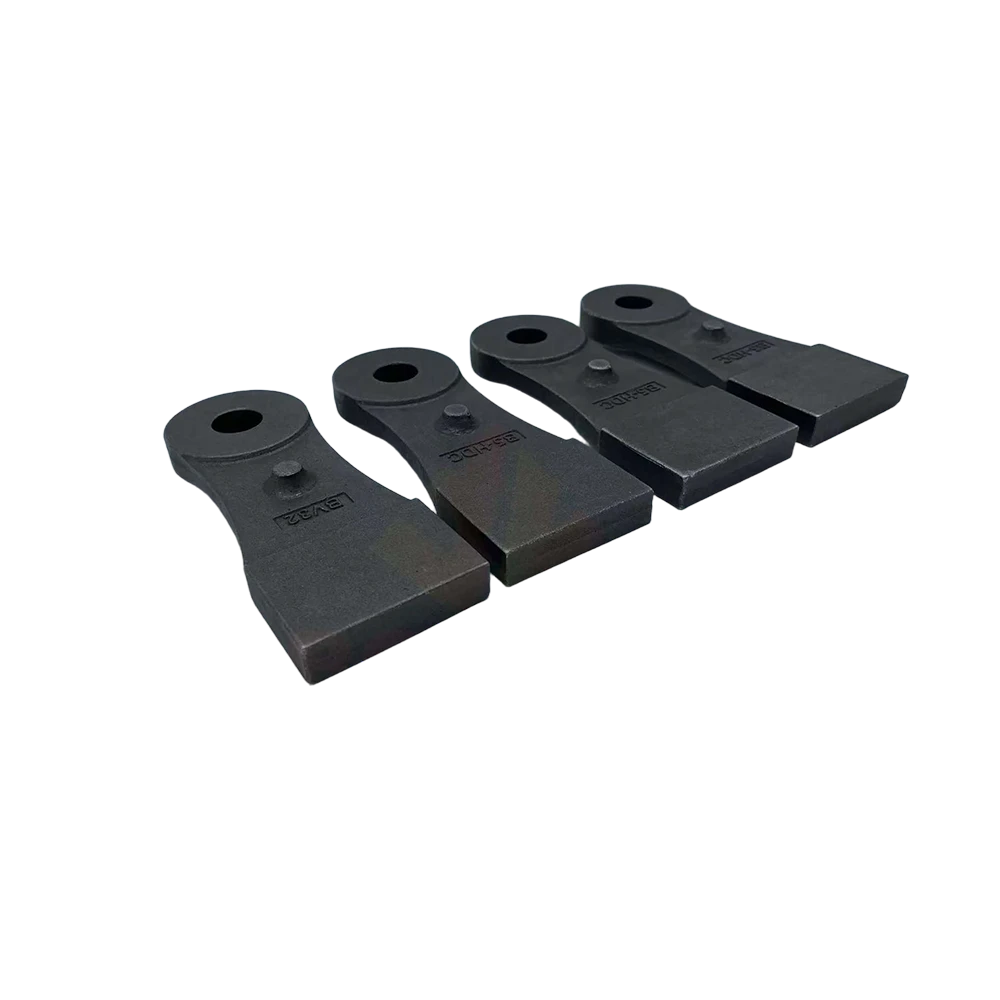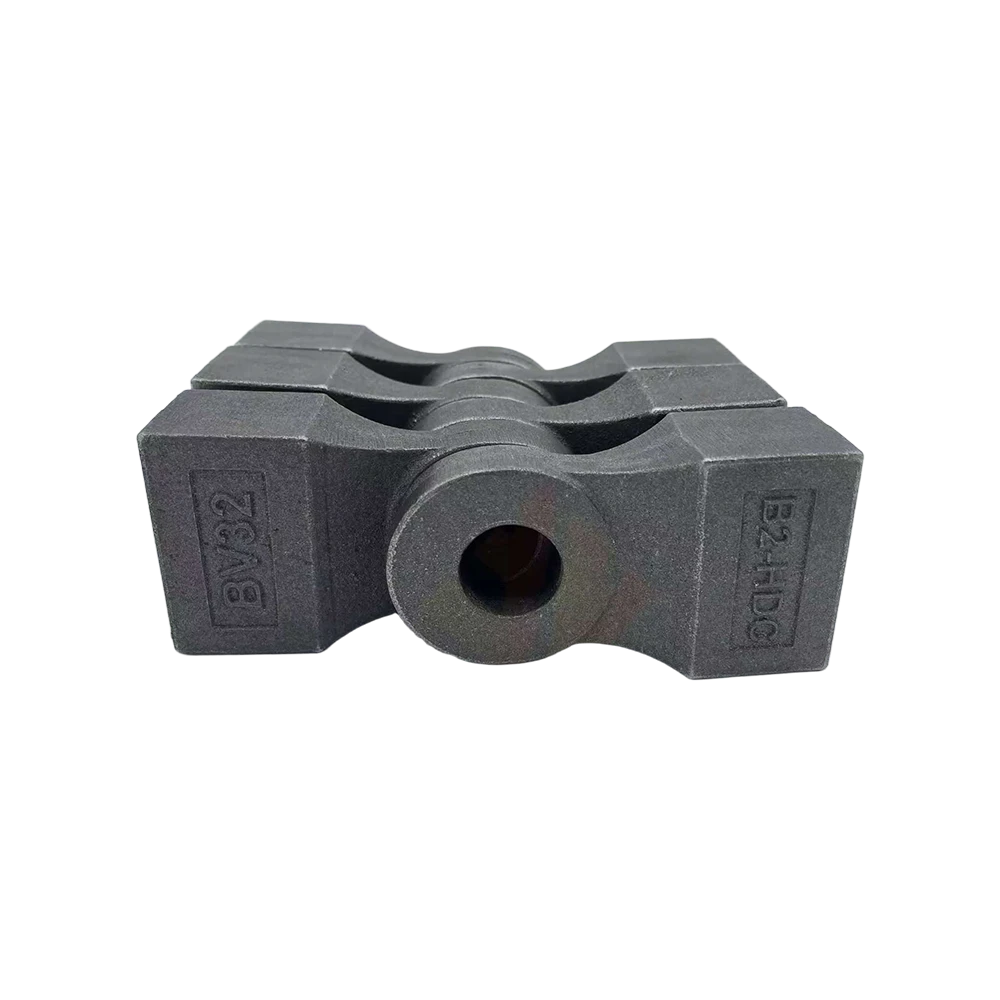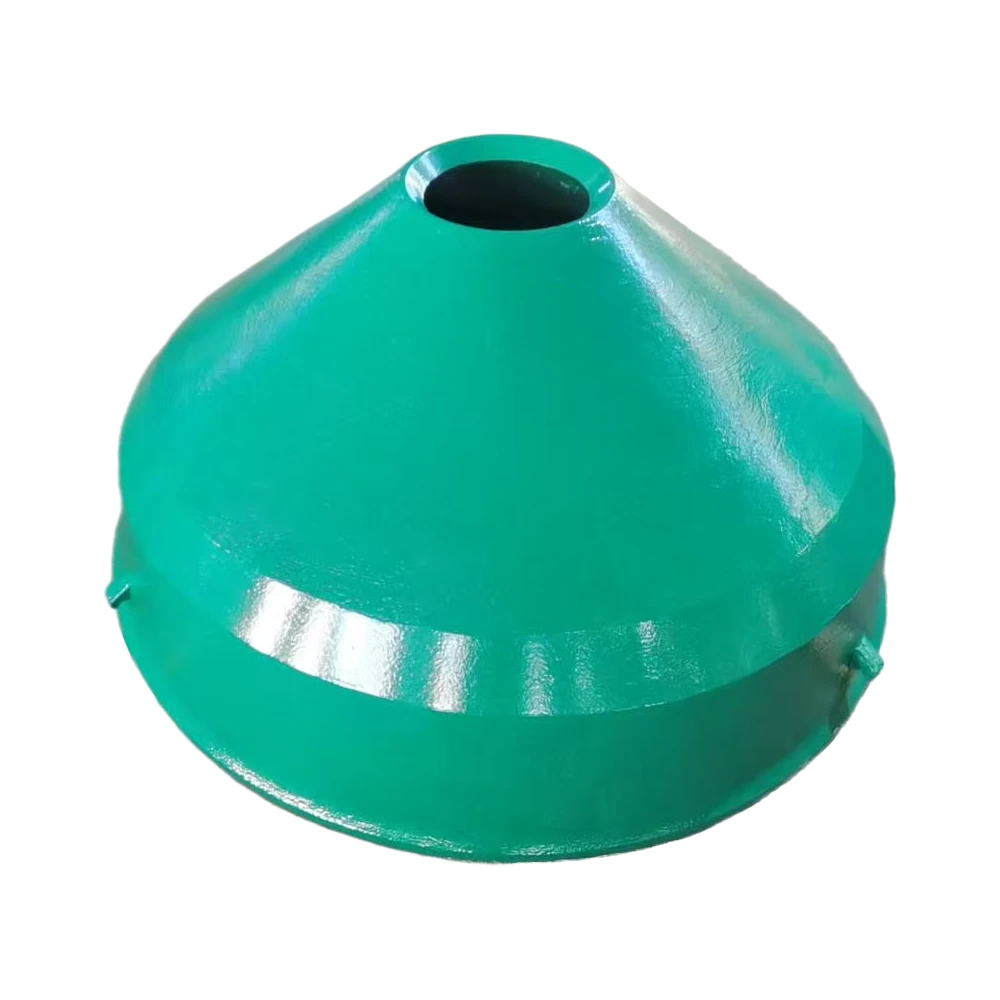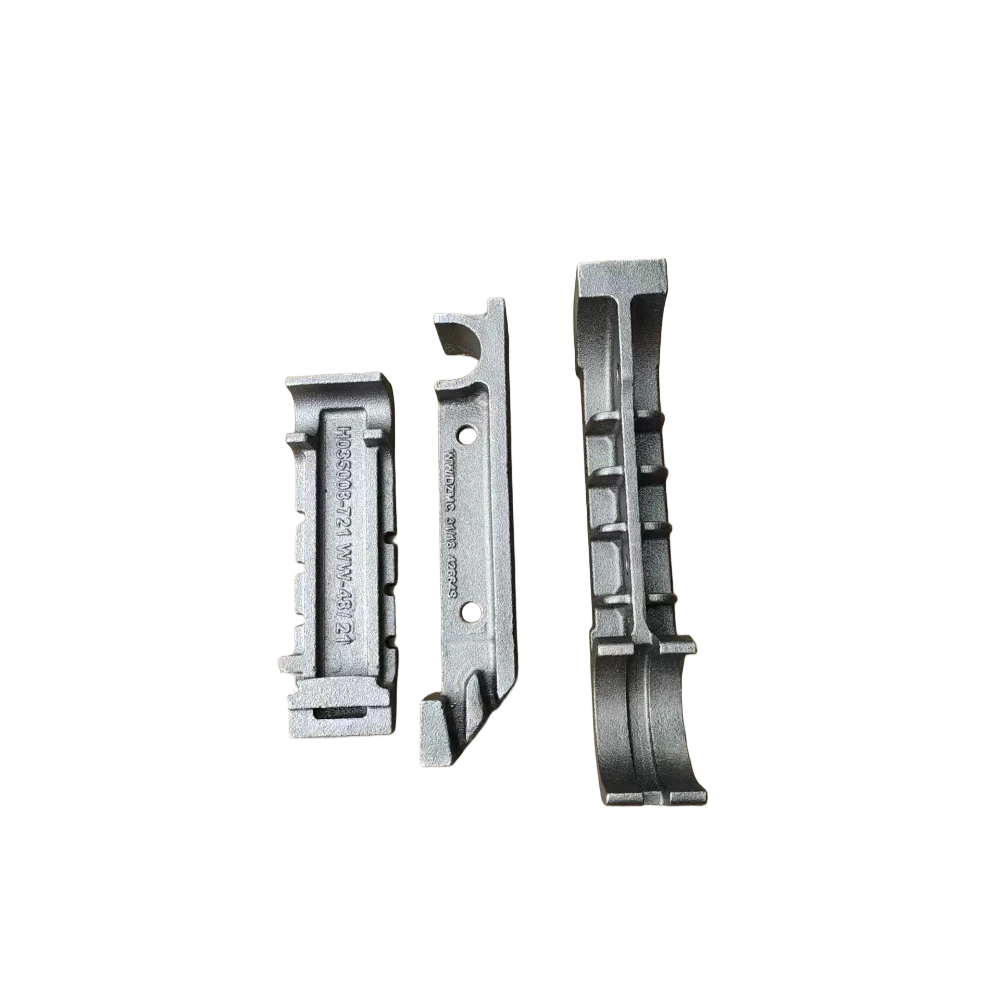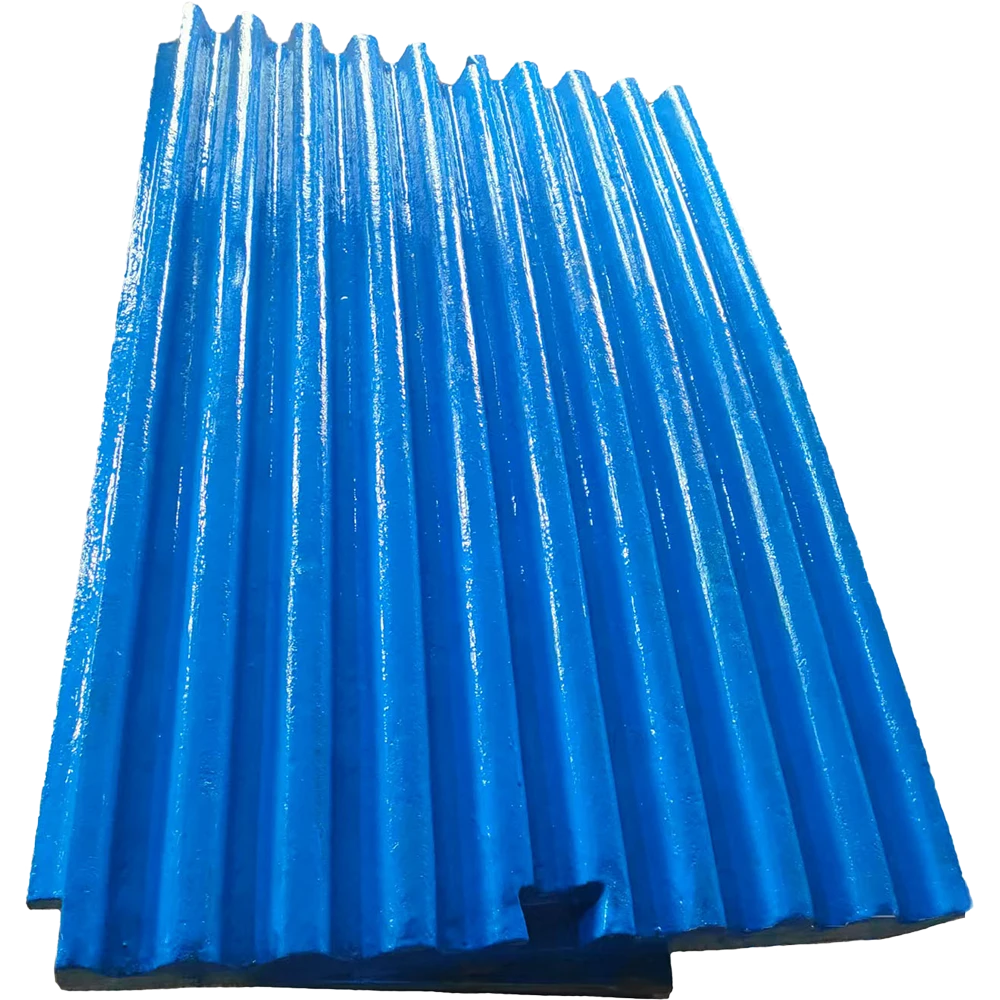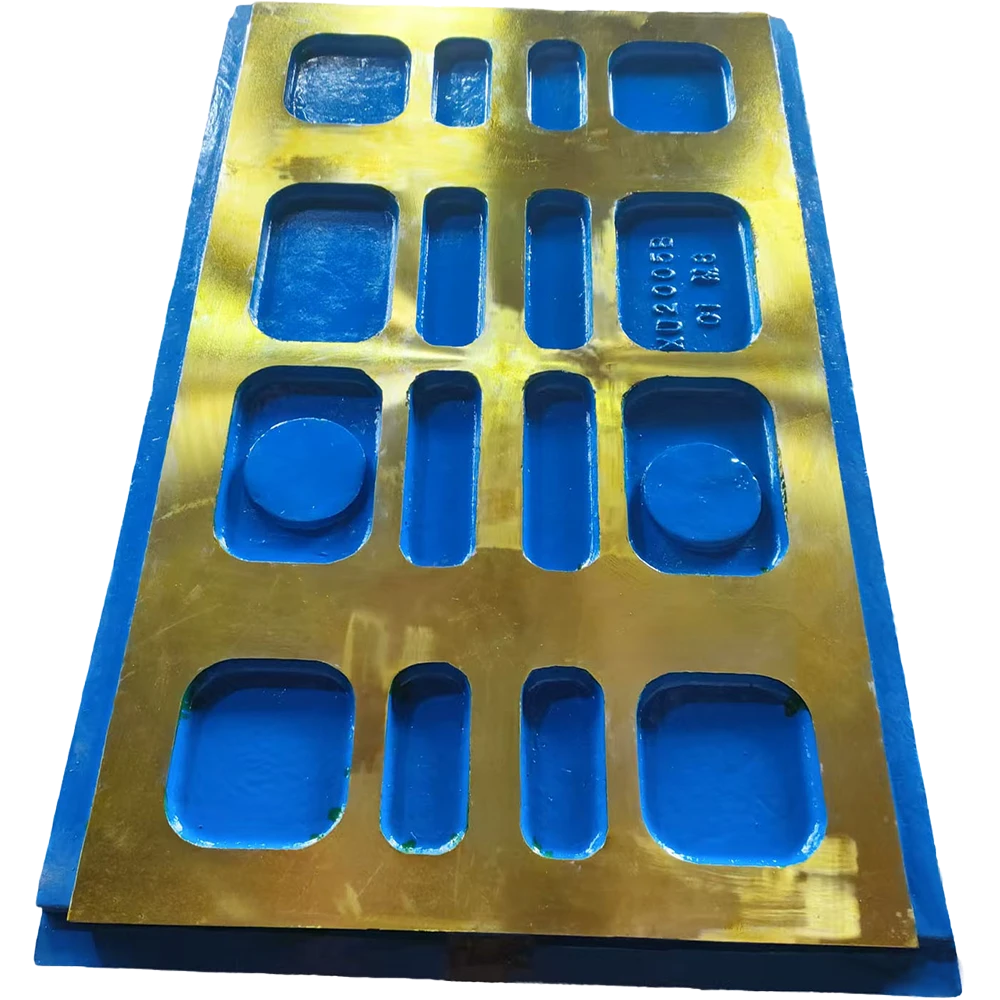
Durable and Reliable High Quality Heat Resistant Steel Products for Industrial Excellence
Understanding High Quality Heat Resistant Steel Products: Why They Matter More Than Ever
In a world where industries run hotter, faster, and more aggressively than ever before, high quality heat resistant steel products have gained undeniable global importance. These steels aren’t just about standing up to heat — they literally keep industries safe and efficient, from giant power plants powering cities to aerospace engineers designing jet engines. Understanding these steels means appreciating how technology meets the fierce demands of modern environments, often saving millions in downtime and repairs.
Introduction: The Global Context of Heat Resistant Steel
Take a stroll through the industrial landscape of 2024, and you’ll quickly notice how reliant we are on materials that don’t just endure intense conditions, but thrive in them. According to the International Organization for Standardization (ISO), the global demand for specialty steels, including heat resistant varieties, has surged by roughly 15% over the last five years — largely driven by expanding energy sectors and heavy manufacturing hubs in Asia, Europe, and North America.
Yet, here lies a problem — many traditional steels simply can’t protect infrastructure or equipment in high-temperature scenarios, leading to premature failures, costly repairs, or even safety hazards. That’s where high quality heat resistant steel products step in to fill a growing void.
What Exactly Are High Quality Heat Resistant Steel Products?
Put simply, these are steels engineered to maintain their strength, shape, and durability under extreme thermal conditions—typically between 500°C to beyond 1200°C, depending on the grade. Unlike standard carbon steels, heat resistant steels generally contain unique alloy elements such as chromium, molybdenum, or nickel that improve oxidation resistance and mechanical integrity at high temperatures.
In real terms, think about the engine blocks in jet planes, the lining of power plant boilers, or even industrial furnaces — all rely on these steel products to function safely and effectively. They’re not glamorous but indispensable for the safety and sustainability of countless industries.
Core Features That Set Heat Resistant Steel Apart
Durability Under Heat
At its core, this steel’s ability to resist deformation or cracking under thermal stress is what defines its usefulness. It’s no exaggeration to say that without this durability, energy infrastructure and heavy machinery would face far more frequent downtime — and call me cautious, but lost uptime often means lost jobs or even compromised safety.
Corrosion and Oxidation Resistance
High temperatures alone aren’t the only enemy. Oxidation from air exposure and corrosive substances threaten to degrade steel surfaces rapidly. The carefully balanced alloy composition in these steels stops or slows this process, extending equipment life.
Scalability & Versatility
As industries grow or pivot towards new technologies, these steels adapt — produced in various forms (plates, sheets, pipes) and customizable to specific project needs. Whether for mass manufacturing or specialized prototypes, it’s this flexibility that keeps heat resistant steel relevant.
Cost Efficiency Over Time
Sure, the upfront cost might feel steep compared to regular steel. But factoring in reduced replacements, maintenance, and enhanced safety — it pays for itself. This is one of those cases where you’re buying risk mitigation disguised as a material.
Compliance and Standards
Standards such as ASTM A335 or ISO 9327 ensure that products claiming heat resistance truly meet the rigorous testing—so selecting certified suppliers becomes a pivotal part of projects requiring these steels.
Mini takeaway: While these core components might sound technical, they boil down to reliability and safety — often running quietly in the background but hugely impactful.
Where Do We Actually Use High Quality Heat Resistant Steel Products?
Industries using these steels are as diverse as they are demanding. Some prime examples include:
- Power Generation: Boiler tubes and turbine components in coal, gas, and nuclear plants.
- Aerospace: Jet engine parts needing to withstand extremely high temperatures without deformation.
- Chemical and Petrochemical Processing: Vessels and pipes exposed to corrosive, hot fluids.
- Automotive Industry: Exhaust systems and turbochargers where heat durability is a must.
- Construction and Manufacturing: Kilns, furnaces, and heat exchangers.
Regions such as Europe’s industrial belt, rapidly growing Asian manufacturing zones, and energy-rich parts of North America disproportionately benefit from these steels. Oddly enough, even remote areas benefit indirectly by powering grids or providing materials that protect infrastructure — ensuring that technological disconnect doesn’t mean vulnerability.
Product Specification Table
| Specification | Typical Range / Value |
|---|---|
| Chemical Composition | Cr: 10-30%, Mo: 0.5-2%, Ni: 5-20% |
| Operating Temperature | Up to 1200°C |
| Tensile Strength | 450-700 MPa |
| Oxidation Resistance | Excellent up to 1100°C |
| Form Factor | Sheets, Plates, Pipes, Bars |
Why Investing In These Steels Pays Off Long Term
High quality heat resistant steels deliver both emotional reassurance and cold, hard cash value. They help companies avoid catastrophic failures, protect workers, and extend equipment lifecycle to reduce waste. From a sustainability standpoint, longer-lasting materials reduce the need for replacement steel production — decreasing carbon footprints in line with global climate goals.
Personally, when I hear engineers praise these steels, it’s often about trust — trust that the material won’t crack under pressure or that a whole plant won’t grind to a halt from a small, preventable failure. It feels like an unsung hero, quietly safeguarding complex networks that billions depend on.
Looking Ahead: Innovations Shaping The Future of Heat Resistant Steels
The future isn’t just about “heat resistance” anymore — it’s about smarter, cleaner, and stronger. Researchers are developing steels with nano-scale alloys to improve thermal fatigue resistance. Others optimize coatings that protect steel surfaces even longer without adding bulk. And with digital twins and IoT-based monitoring, maintenance of systems using these steels becomes predictive rather than reactive.
In the energy transition, these steels support green hydrogen production, concentrated solar power, and other next-generation plants — bridging traditional materials to future tech. It’s somewhat exciting, really, to see how metallurgy and digital tech converge to tackle age-old engineering problems.
Challenges & Emerging Solutions
Despite all this progress, sourcing consistently “high quality” heat resistant steel can be a headache. Variations in raw materials, manufacturing precision, or certification lapses sometimes occur. Then there’s cost pressure, especially in emerging markets.
However, leading suppliers coordinate with labs for rigorous testing & abide by global standards. Plus, modern manufacturing techniques like vacuum melting and controlled rolling improve yield and purity. So while problems remain, the solutions have never been more robust.
Vendor Comparison Table
| Vendor | Certifications | Product Range | Lead Time | Price Range |
|---|---|---|---|---|
| DZM Casting | ISO 9001, ASTM | Full range heat resistant steel products | 4-6 weeks | Mid to high |
| ThermoSteel Inc. | ASTM, TÜV | Specialized alloys, limited pipes | 6-8 weeks | High |
| HeatForged Ltd. | ISO 14001, ISO 9001 | Industrial sheets and plates | 3-5 weeks | Mid |
Frequently Asked Questions About High Quality Heat Resistant Steel Products
Q1: How do high quality heat resistant steel products differ from normal steel?
A1: The difference lies mostly in alloying elements and heat treatment that allow these steels to maintain strength and resist oxidation at very high temperatures. Normal carbon steels would weaken or corrode rapidly in such environments.
Q2: Can these steels be recycled like other metal products?
A2: Absolutely. Despite their specialized alloys, heat resistant steels are recyclable. However, the recycling process may require careful sorting and treatment to preserve alloy integrity for reuse in similar high-temp applications.
Q3: Are these steels suitable for outdoor applications exposed to high temperature fluctuations?
A3: Yes, many grades are designed to resist not just high static temperatures but also thermal cycling (temperature changes), making them excellent for outdoor equipment such as heat exchangers or exhaust systems.
Q4: How long can structures made from heat resistant steel last?
A4: Depending on the application and maintenance, they can last decades. Some power plants have boilers and parts made from high quality heat resistant steel that have functioned reliably for over 30 years.
Q5: How can international companies source these products reliably?
A5: Partnering with certified global suppliers like high quality heat resistant steel products manufacturers ensures quality. Additionally, verifying certifications such as ISO and ASTM and conducting third-party inspections can help mitigate risks.
Wrapping It Up: The Unsung Backbone of Modern Industry
High quality heat resistant steel products might not be flashy, but in the grand scheme, they keep modern life humming — safely and efficiently. Whether it’s powering cities, enabling aerospace leaps, or driving manufacturing forward, they’re at the heart of infrastructure resilience.
Curious to learn more or secure your supply rope? Visit our trusted partners at DZM Casting to explore the full range of offerings and tailored solutions.
References
-
High Performance oem cast heat resistant steel for Industrial UseNewsApr.16,2026
-
Guide to Selecting High Quality Cast Heat Resistant Steel AlloysNewsApr.09,2026
-
Custom Cast Heat Resistant Steel Solutions for High Temperature ApplicationsNewsApr.07,2026
-
Comprehensive Guide to Wholesale Cast Heat Resistant Steel for Industrial ApplicationsNewsApr.04,2026
-
Comprehensive Guide to High Performance Heat Resistant Metal Product SolutionsNewsMar.31,2026
-
Expert Guidance on Heat Resistant Metal Quotes and Alloy SelectionNewsMar.28,2026