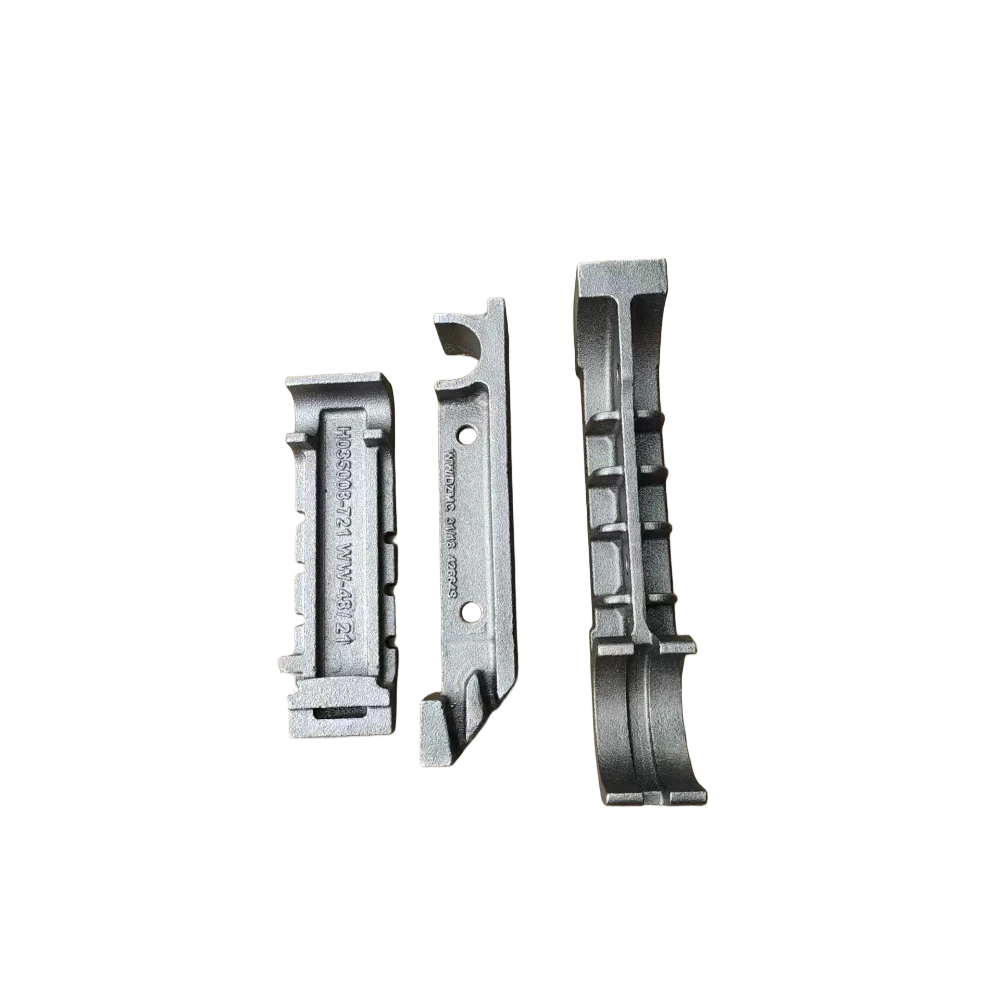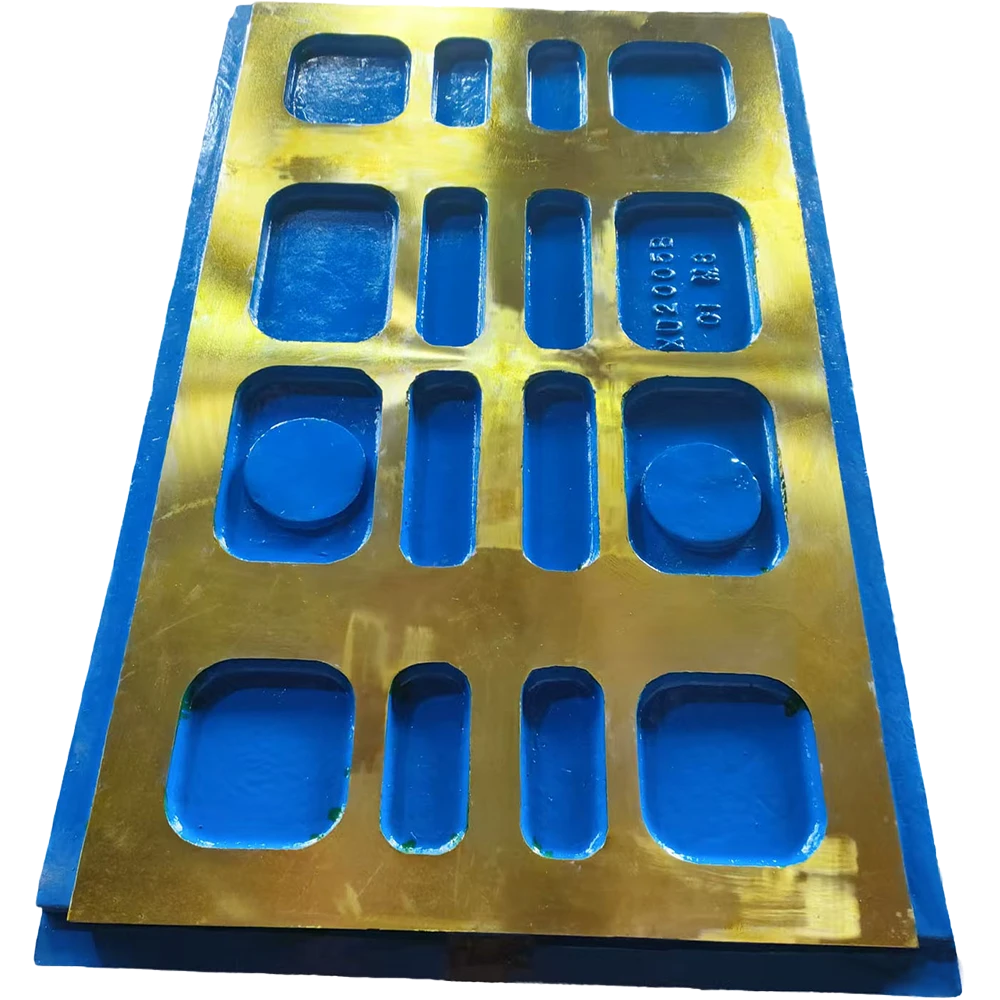
Durable and Reliable Swing Jaw Plates for Crushing Equipment
Understanding the Value of a Swing Jaw Plate in Industrial Crushing
Working in the industrial equipment sector for the better part of a decade has given me a pretty good sense of what makes a difference when it comes to crushing machinery. One part that often flies under the radar but is absolutely critical? The swing jaw plate.
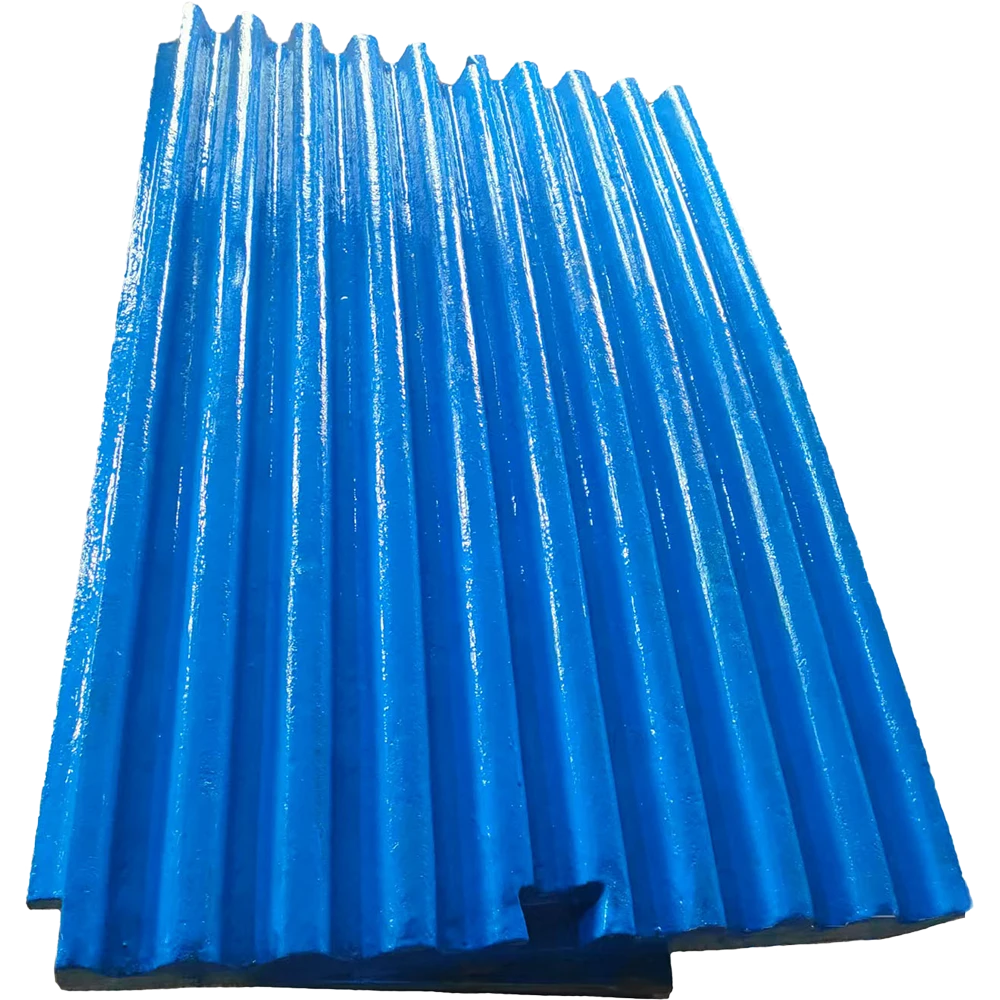
You see, the swing jaw plate is that piece of metal doing the real heavy lifting (well, crushing) inside jaw crushers. It’s where rocks, ore, or concrete stocks meet their fate — getting broken down to size for whatever comes next in the process. I remember my first project involving crusher maintenance. The swing jaw plates were worn out, resulting in reduced efficiency and unpredictable downtime. Since then, I’ve learned there’s more to these plates than meets the eye.
Key Features and Performance Traits of a Swing Jaw Plate
What makes a swing jaw plate tick? For starters, the materials used. High manganese steel remains the industry favorite, thanks to its excellent work-hardening properties. Oddly enough, under repeated impact, this steel gets tougher on the surface while maintaining core toughness — a balance that engineers chase like a holy grail. Some manufacturers swear by alloy tweaks, adding chromium or molybdenum to improve wear life.
Beyond metal composition, design plays a crucial role. Many engineers say the right contour pattern can improve crushing efficiency by ensuring consistent material flow and reducing blockages. The plates aren’t just flat slabs; they’re often ridged or toothed in a way that optimizes grip and wear distribution. Couple this with precise manufacturing tolerances, and you get a part that can go multiple crushing cycles before needing service.
| Specification | Details |
|---|---|
| Material | High manganese steel (Mn13-Mn18), alloy steel variants |
| Surface Hardness | Typically 55-60 HRC after heat treatment |
| Weight | Varies by model; roughly 50-300 kg per plate |
| Design | Curved/flat tooth profiles, bolt-on installation |
| Typical Applications | Mining, quarrying, recycling, construction |
How Swing Jaw Plates Stack Up Among Vendors
If you’ve ever shopped for swing jaw plates yourself, you know it’s a bit of a jungle out there. Prices can wildly vary, and so do quality standards. From my experience, the smartest move is always to pick a vendor that’s transparent about material testing and production processes. I once visited a casting plant where they ran real-life wear simulations instead of just relying on lab tests — that sort of hands-on approach says a lot.
Here’s a quick vendor comparison based on what I’ve seen recently:
| Vendor | Material Quality | Customization | Delivery Time | Price Range |
|---|---|---|---|---|
| DZMC Casting | High manganese steel, strict quality control | Offers tailored profiles, bolt patterns | 4-6 weeks | Mid-range |
| Vendor B | Standard manganese steel | Limited customization | 3-5 weeks | Lower |
| Vendor C | Alloy steel variants | Custom profiles available | 6-8 weeks | Higher |
Real-World Use: Why Quality Matters
I spoke with a quarry operator in the midwest who recently switched to a supplier that offered a more robust swing jaw plate design. Their previous plates had a lifespan of roughly three months in high-stress conditions, but the new plates lasted nearly twice as long. The impact on operational costs? Significant. Less downtime, fewer replacements — and frankly, a lot less frustration in the day-to-day.
Often, the best parts feel almost invisible. They do their job so well you forget they're there, and that’s exactly what a good swing jaw plate should achieve.
So if you’re vetting parts for your crusher, it pays to look past the sticker price alone. Consider material quality, vendor testing commitment, and the customization options — all that adds up to a smoother crushing operation, and in this game, every minute counts.
Reflections:
1. Material science is quietly transforming even traditional parts like jaw plates.
2. Vendor transparency is a game changer – trust but verify.
3. Real-world feedback beats spec sheets alone every time.
-
High Performance oem cast heat resistant steel for Industrial UseNewsApr.16,2026
-
Guide to Selecting High Quality Cast Heat Resistant Steel AlloysNewsApr.09,2026
-
Custom Cast Heat Resistant Steel Solutions for High Temperature ApplicationsNewsApr.07,2026
-
Comprehensive Guide to Wholesale Cast Heat Resistant Steel for Industrial ApplicationsNewsApr.04,2026
-
Comprehensive Guide to High Performance Heat Resistant Metal Product SolutionsNewsMar.31,2026
-
Expert Guidance on Heat Resistant Metal Quotes and Alloy SelectionNewsMar.28,2026