Dec . 13, 2025 07:50
Back to list
Reliable Jaw Plate Casting for Heavy Equipment | Durable & Customizable
Why Jaw Plate Casting Matters for Heavy Equipment
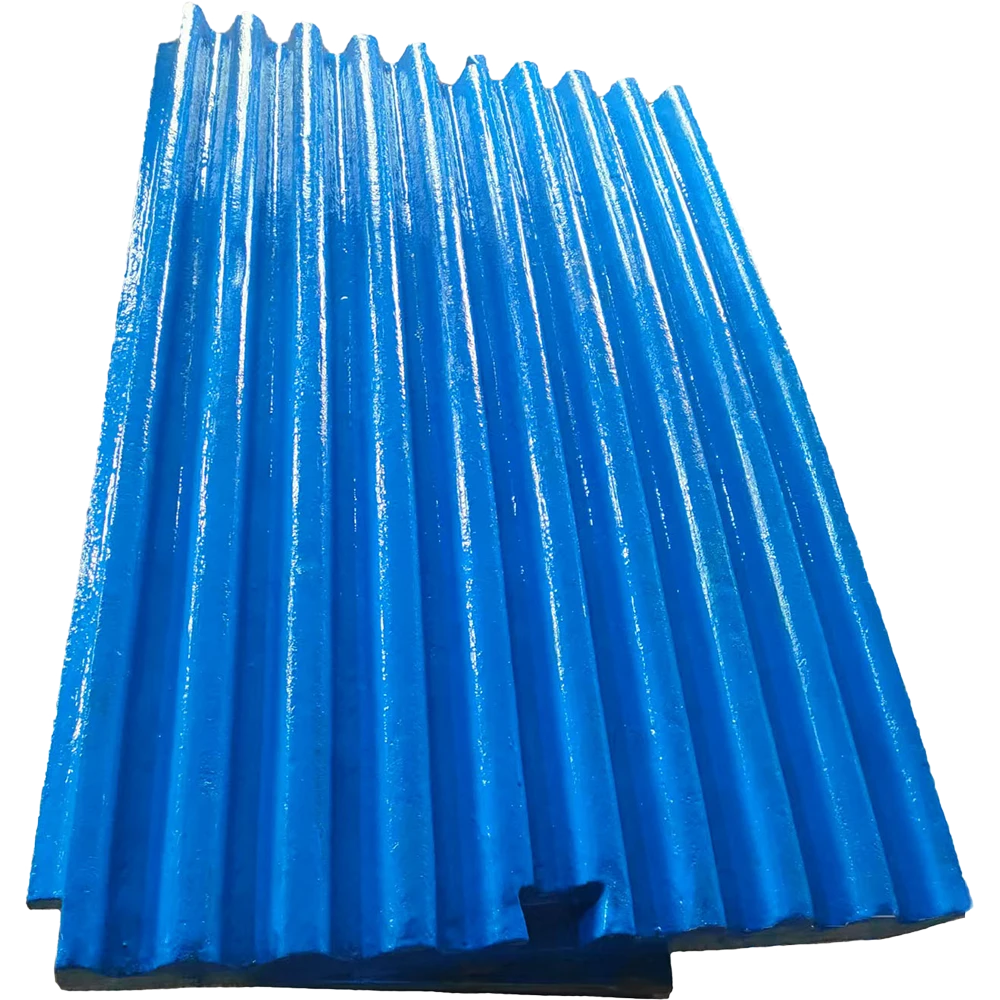
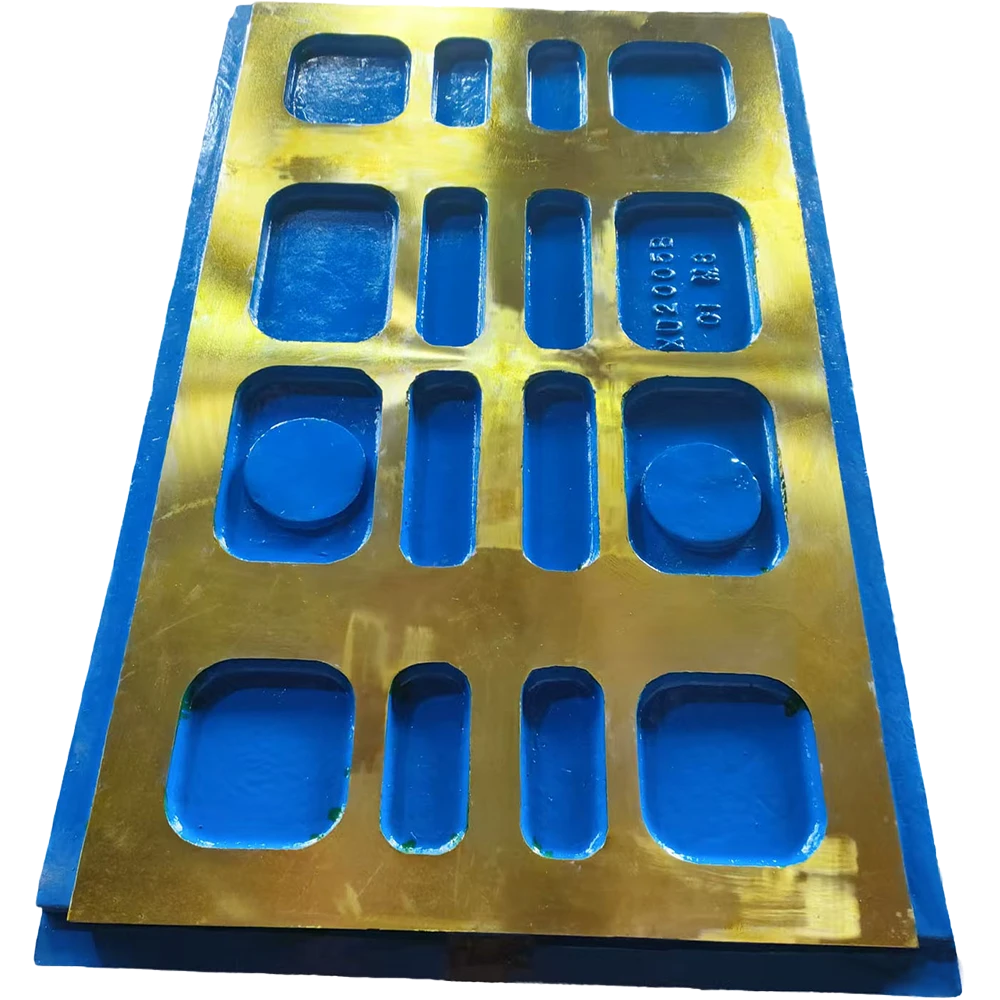
If you’ve ever spent even a day around crushers or heavy-duty crushing equipment, you’ve probably noticed just how critical the jaw plates are. These plates aren’t just any old castings — they’re the beating heart of the machine, taking a beating day in and day out. And that’s why jaw plate casting deserves more respect than it usually gets. Sure, it’s just a chunk of metal — but it’s the chunk that decides if your equipment chugs along smoothly or grinds to a costly halt. Jaw plates have to be tough, obviously. But more than toughness, they need the right kind of toughness. High manganese steel is typically the go-to here, prized for its wear resistance and ability to “work harden” under pressure. It’s not just about strength; it’s about durability matched to the application, something that hot pouring and centrifugal casting methods tackle differently depending on your needs.Understanding jaw plate casting Design and Material Choices
Most engineers I’ve chatted with say the secret sauce lies in the blend of metallurgy and geometry. You want plates shaped just so — usually curved or serrated — to optimize crushing force and minimize slippage. The casting process needs to guarantee uniform wear patterns; otherwise, you end up with what I call “crusher quirks”: uneven wear, vibrations, early failure. Cast manganese steel, especially the commonly used Mn13Cr2 and Mn18Cr2 grades, offers a great balance between hardness and toughness. I once saw a plant switch to a newly cast jaw plate with a slightly different chemical composition, and despite initial skepticism, the improved wear resistance lasted twice as long under equally punishing loads. That kind of real-world feedback is gold when choosing suppliers or specifying replacements.| Specification | Details |
|---|---|
| Material | High Manganese Steel (Mn13Cr2, Mn18Cr2) |
| Casting Method | Sand Casting / Investment Casting |
| Heat Treatment | Austenitizing, Quenching, Tempering |
| Surface Hardness | 280-350 HB (Brinell Hardness) |
| Typical Lifespan | 6 to 18 months (varies by application) |
Choosing the Right Supplier for Jaw Plate Casting
Oddly enough, not all jaw plate manufacturers are created equal. I’ve seen equipment owners chase lower prices, only to get hit with frequent replacements and downtime. It might be a cliché to say “you get what you pay for,” but in this industry, it’s painfully accurate. What I find useful is to compare vendors beyond just price — consider casting technology, material traceability, testing protocols, and how closely they work with clients to customize wear profiles. Some companies, like the one linked here, have a reputation for steady quality and steady supply. In fact, I once visited a site where switching to this particular supplier’s cast jaw plates dropped their maintenance calls by over 30% in the first year. That’s impressive in any book. Below is a quick comparison table of notable vendors you might consider for jaw plate casting.| Vendor | Material Quality | Customization | Lead Time | Price Level |
|---|---|---|---|---|
| DZMC Casting | High (Mn13+ / Mn18+) | Flexible (OEM & Custom) | 4-6 weeks | Mid-Range |
| Generic Supplier A | Medium | Limited | 6-8 weeks | Low |
| Premium Parts Co. | Very High (Special alloys) | Highly Custom | 8+ weeks | High |
A Quick Thought Before You Go…
If you want jaw plates that won’t have you calling maintenance every few months, look closely at casting houses like this one. Their approach balances value with real-world performance, and in an industry riddled with “cheap and cheerful” that’s a breath of fresh air. Keep your crushers crushing, your downtime low, and your casting smart.– From decades in the thick of heavy equipment gear, someone who’s seen it all (or thinks they have)
References & Notes:
- Industry reports on manganese steel wear resistance, 2022.
- Interviews with plant engineers and casting specialists, 2023.
- Supplier case studies and real site feedback.
Latest news
-
High Performance oem cast heat resistant steel for Industrial UseNewsApr.16,2026
-
Guide to Selecting High Quality Cast Heat Resistant Steel AlloysNewsApr.09,2026
-
Custom Cast Heat Resistant Steel Solutions for High Temperature ApplicationsNewsApr.07,2026
-
Comprehensive Guide to Wholesale Cast Heat Resistant Steel for Industrial ApplicationsNewsApr.04,2026
-
Comprehensive Guide to High Performance Heat Resistant Metal Product SolutionsNewsMar.31,2026
-
Expert Guidance on Heat Resistant Metal Quotes and Alloy SelectionNewsMar.28,2026