Durable Cone Crusher Spare Parts | Expert Insights & Vendor Comparison
A Closer Look at Cone Crusher Spare Parts
Having spent well over a decade in the industrial equipment sector, particularly around crushing machinery, I’ve grown to appreciate the subtle nuances that make cone crusher spare parts more than just components you swap out between jobs. Frankly, they can make or break your operation — quite literally.
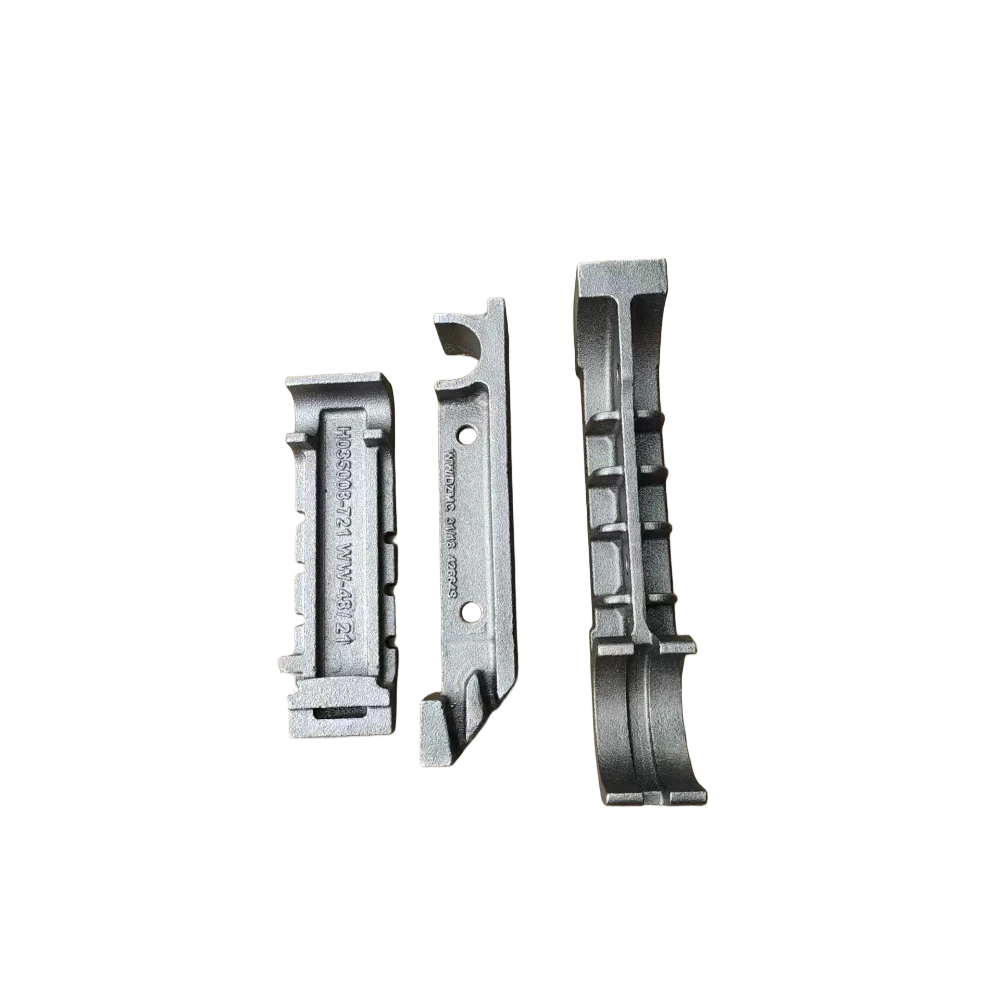
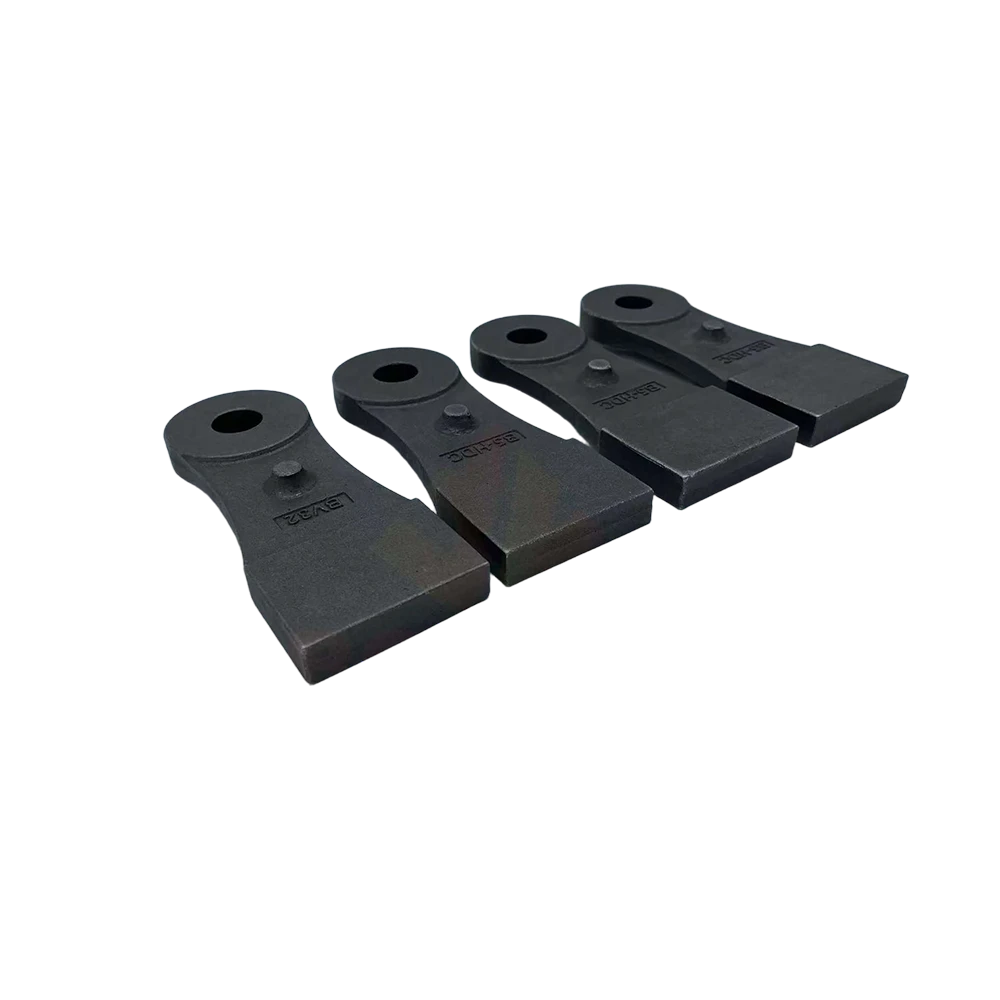
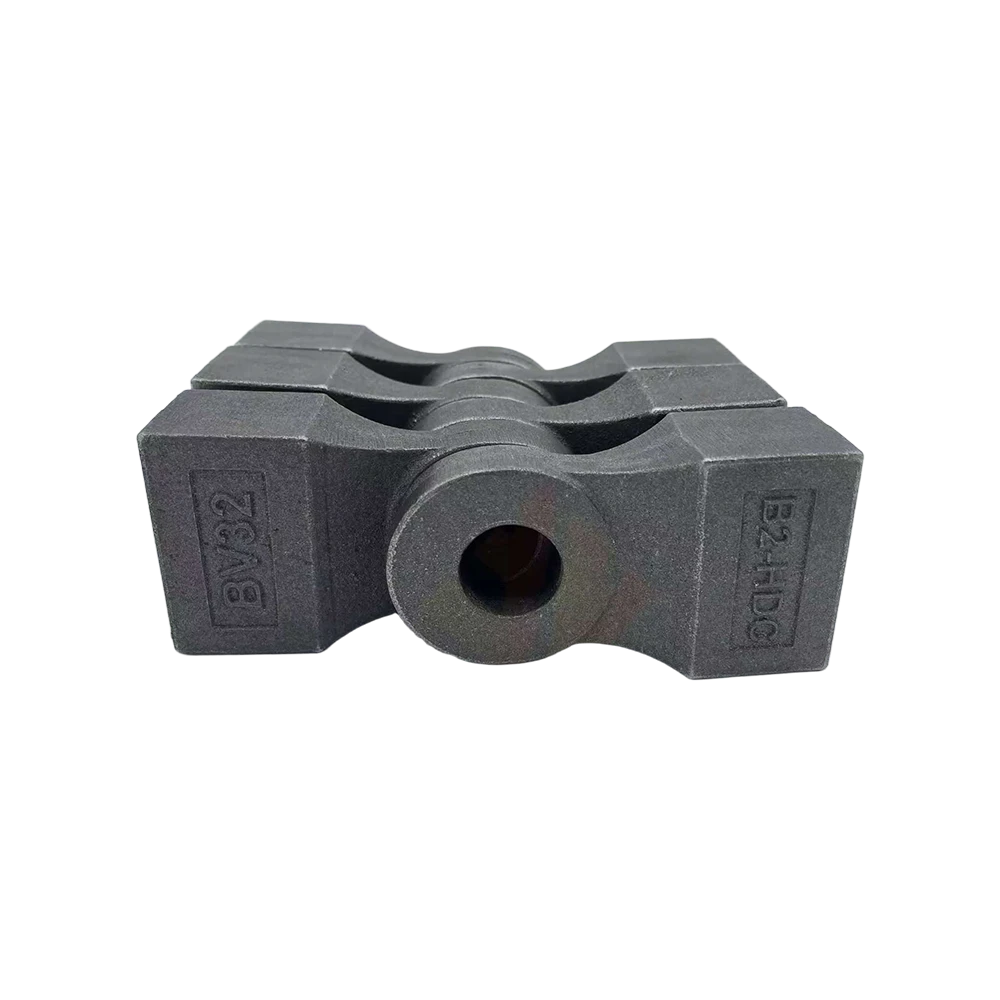
You see, these parts aren’t all created equal. Some vendors push for cheap, generic castings that might look good on paper but fall short under real-world stress. Others, like the folks over at DZMCCasting, focus heavily on quality materials and precise engineering. And in an industry where uptime and durability can mean thousands saved (or lost), that difference is critical.
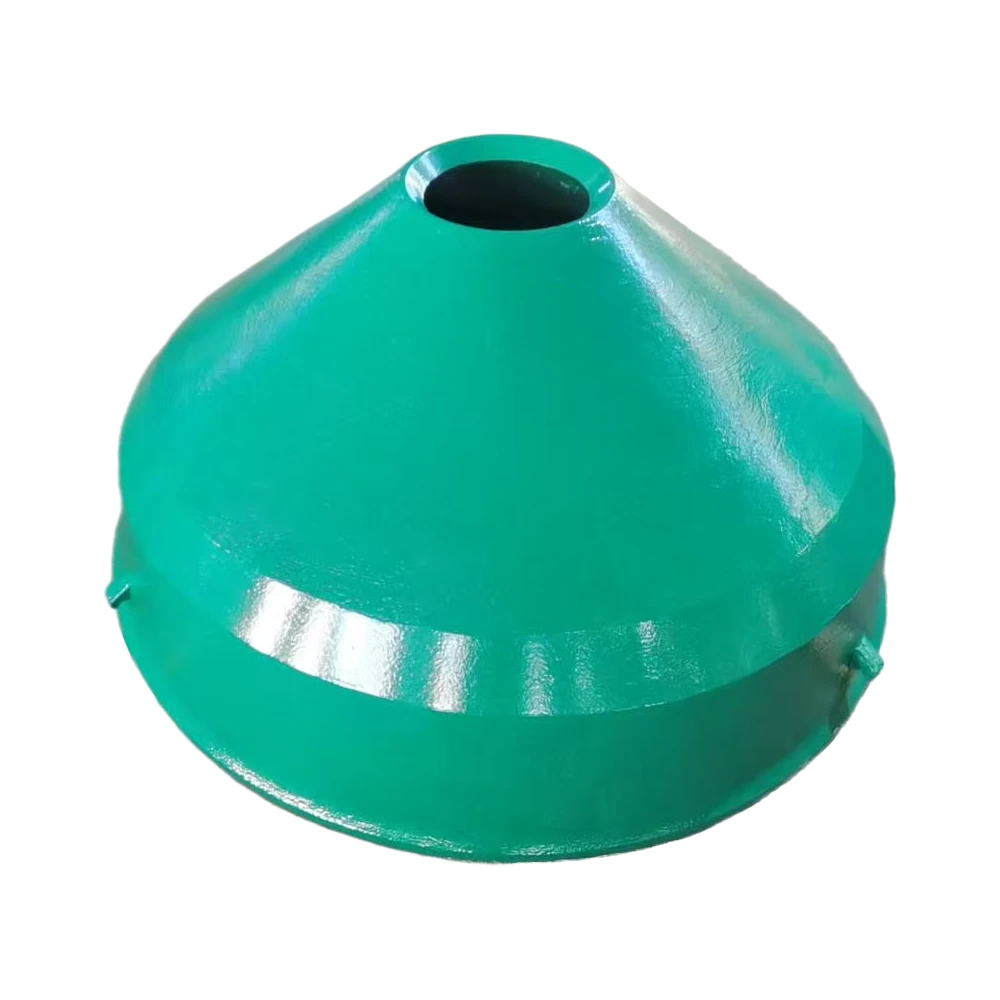
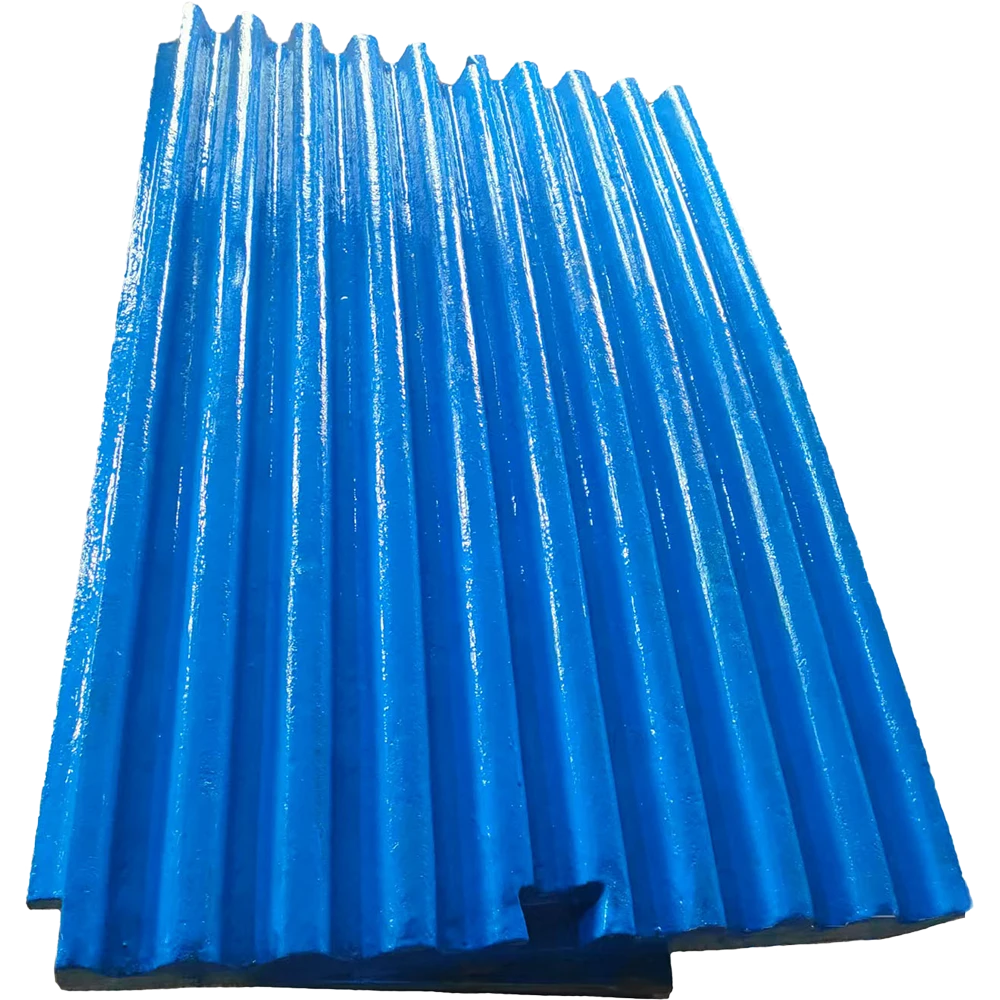
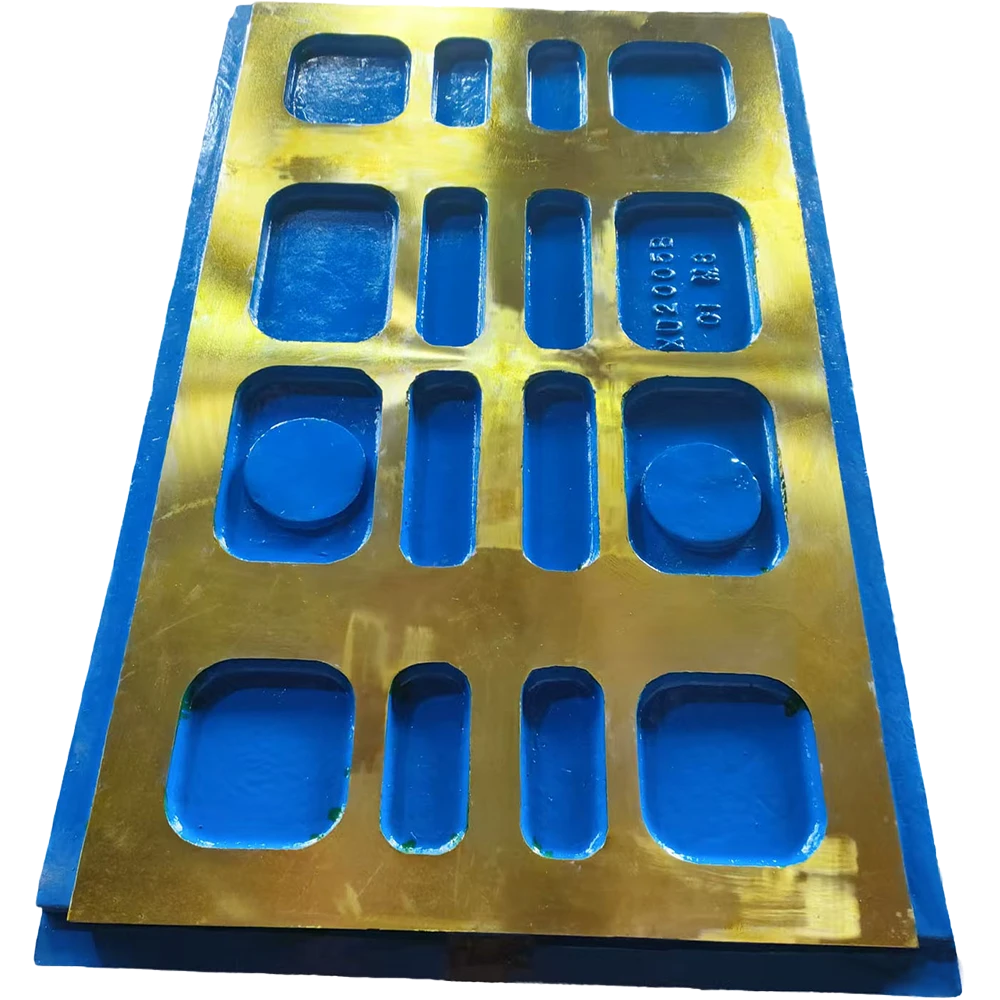
Now, I suppose many engineers out in the field would agree that the design and metallurgy behind the spare parts are essential. Cone crusher liners, mantles, and bowl liners undergo constant, heavy abrasion and pressure — often crushing stone day in, day out. It feels like the wear patterns tell a story if you know how to read them. Materials need to combine hardness with a bit of toughness; otherwise, parts crack or degrade prematurely.
In fact, many suppliers invest in heat treatment and quality testing to ensure their product lasts longer. Impact resistance, abrasion resistance, and dimensional accuracy are probably the top parameters they focus on. I’ve seen parts that looked great dimensionally but just lasted half the expected life because the casting process wasn’t optimized.
Another thing to note is customization. Every crushing operation is unique, often with rock hardness, feed size, and operating speed varying widely. Off-the-shelf parts sometimes don’t cut it, and vendors who can offer tailored solutions definitely stand out. I remember one client who needed a thicker mantle to handle particularly abrasive quartzite — a slight tweak, but it saved them months of downtime.
| Part | Material | Hardness (HRC) | Typical Lifespan | Heat Treatment |
|---|---|---|---|---|
| Mantle | Mn13/Mn18 Steel Alloy | 50–58 | 6–12 months | Quenching & Tempering |
| Bowl Liner | Mn18–Mn22 Steel Alloy | 52–60 | 8–14 months | Quenching & Tempering |
| Concave | Mn18 Steel Alloy | 48–56 | 5–10 months | Annealing or Tempering |
Oddly enough, I’ve noticed even similar steel grades from different suppliers can behave quite differently. It often comes down to the foundry techniques and the quality control protocols in place. To make it simpler for you, here’s a quick vendor comparison I’ve compiled, based on several years of direct experience and feedback from industry colleagues:
| Vendor | Material Quality | Customization | Price | Lead Time | Market Reputation |
|---|---|---|---|---|---|
| DZMCCasting | High (Mn13/Mn18 alloys) | Excellent (tailored solutions) | Mid-range | 2–4 weeks | Very Good |
| Vendor B | Medium (lower grade steel) | Limited | Low | 3–6 weeks | Moderate |
| Vendor C | Variable (depends on batch) | Custom on request | High | 1–3 weeks | Good |
One customer story that sticks with me — we had a site down in the Midwest dealing with crushed limestone. Their original parts were wearing out in four months, which was far too often. After switching to higher-quality mantles and liners from a trusted foundry with experience in custom heat treatments, their runtime doubled. They joked it felt like their crusher got a second life, and I can tell you, seeing that kind of improvement is why I keep emphasizing part quality.
So, in real terms, if you’re in the market for cone crusher spare parts, don’t just look at price or specs on paper. Ask about the casting process, metallurgy, testing protocols, and if they can tweak parts to your specific crusher model and usage conditions. It’s quite a bit of detail, I know, but the downtime you save will be worth every minute spent.
At the end of the day, durability, precision, and serviceability matter most. Just my two cents from years in the trenches… feel free to explore options like DZMCCasting. The industry keeps evolving, but the fundamentals of good castings remain steady.
– John M., Industrial Equipment Specialist
References:
1. Metallurgy of Cone Crusher Liners, Journal of Mining Science, 2018.
2. Customer feedback and field reports from Midwest Crushing Plant, 2021.
3. Internal material testing data, DZMCCasting Foundry, 2022.
-
High Performance oem cast heat resistant steel for Industrial UseNewsApr.16,2026
-
Guide to Selecting High Quality Cast Heat Resistant Steel AlloysNewsApr.09,2026
-
Custom Cast Heat Resistant Steel Solutions for High Temperature ApplicationsNewsApr.07,2026
-
Comprehensive Guide to Wholesale Cast Heat Resistant Steel for Industrial ApplicationsNewsApr.04,2026
-
Comprehensive Guide to High Performance Heat Resistant Metal Product SolutionsNewsMar.31,2026
-
Expert Guidance on Heat Resistant Metal Quotes and Alloy SelectionNewsMar.28,2026