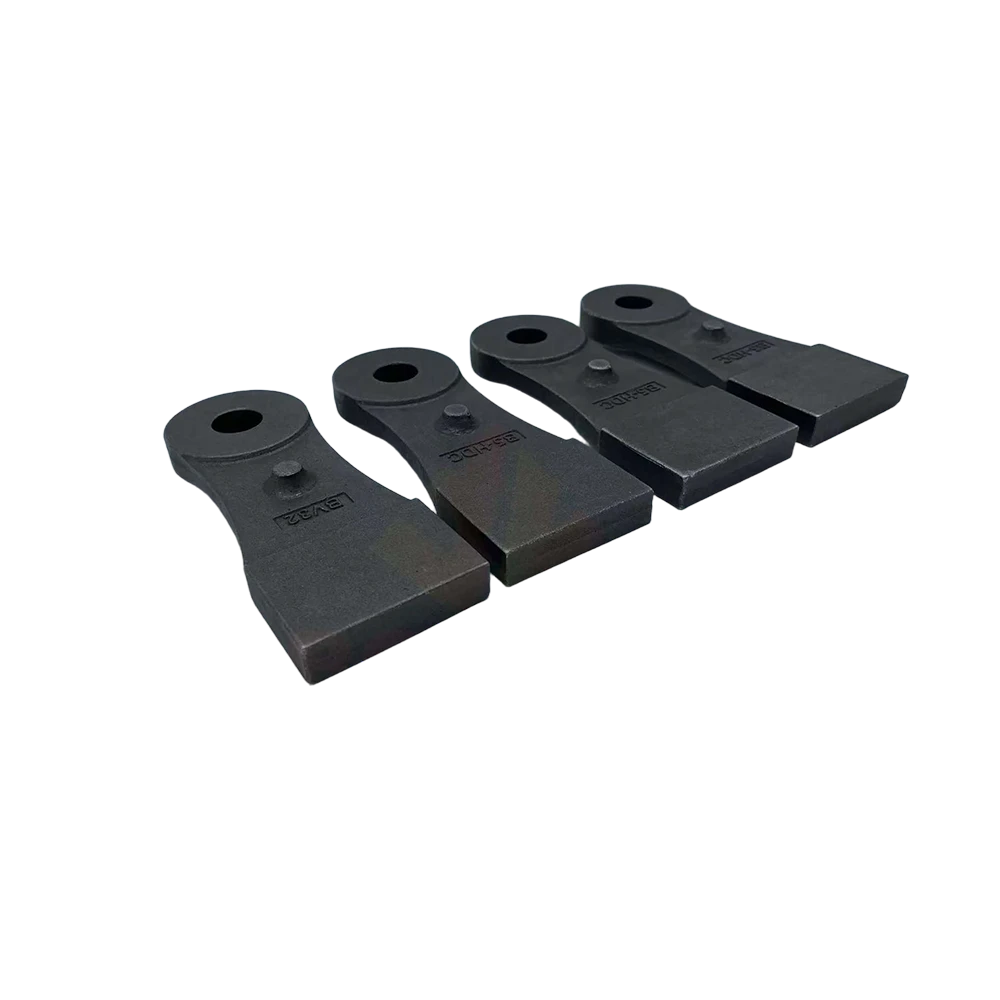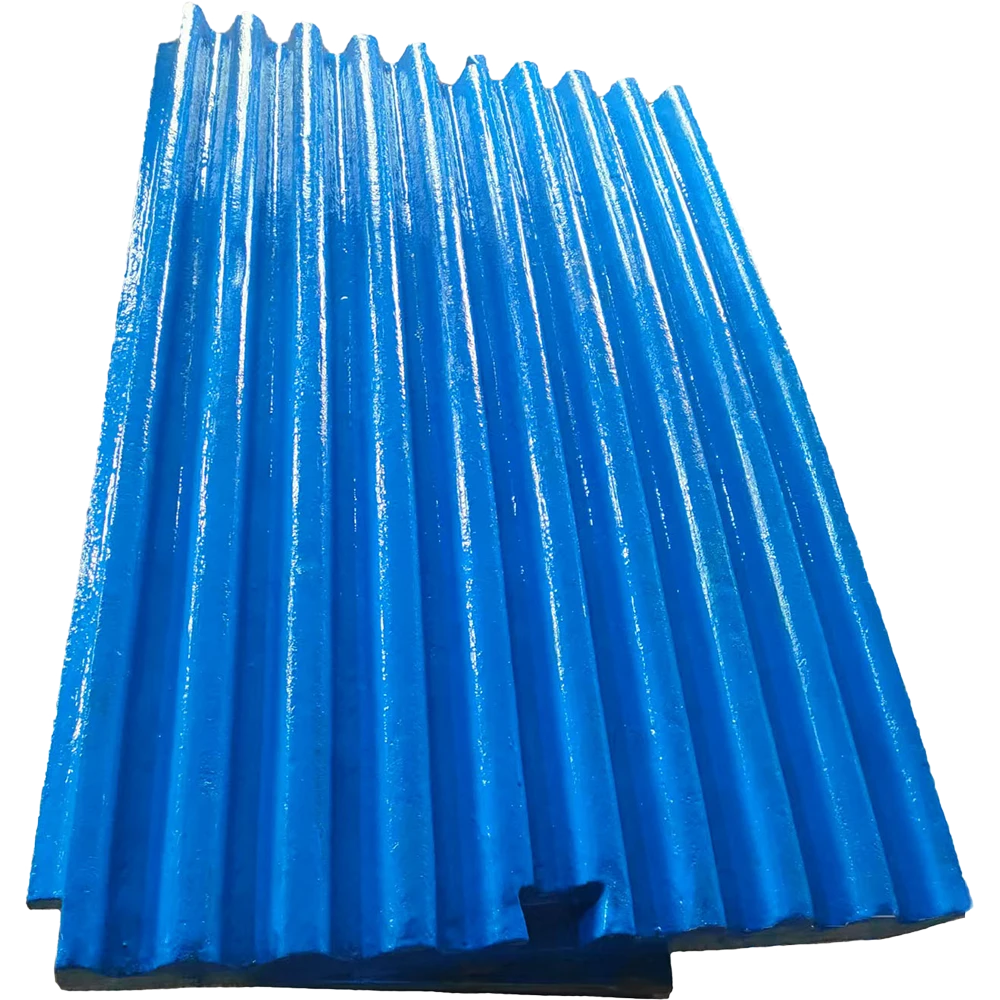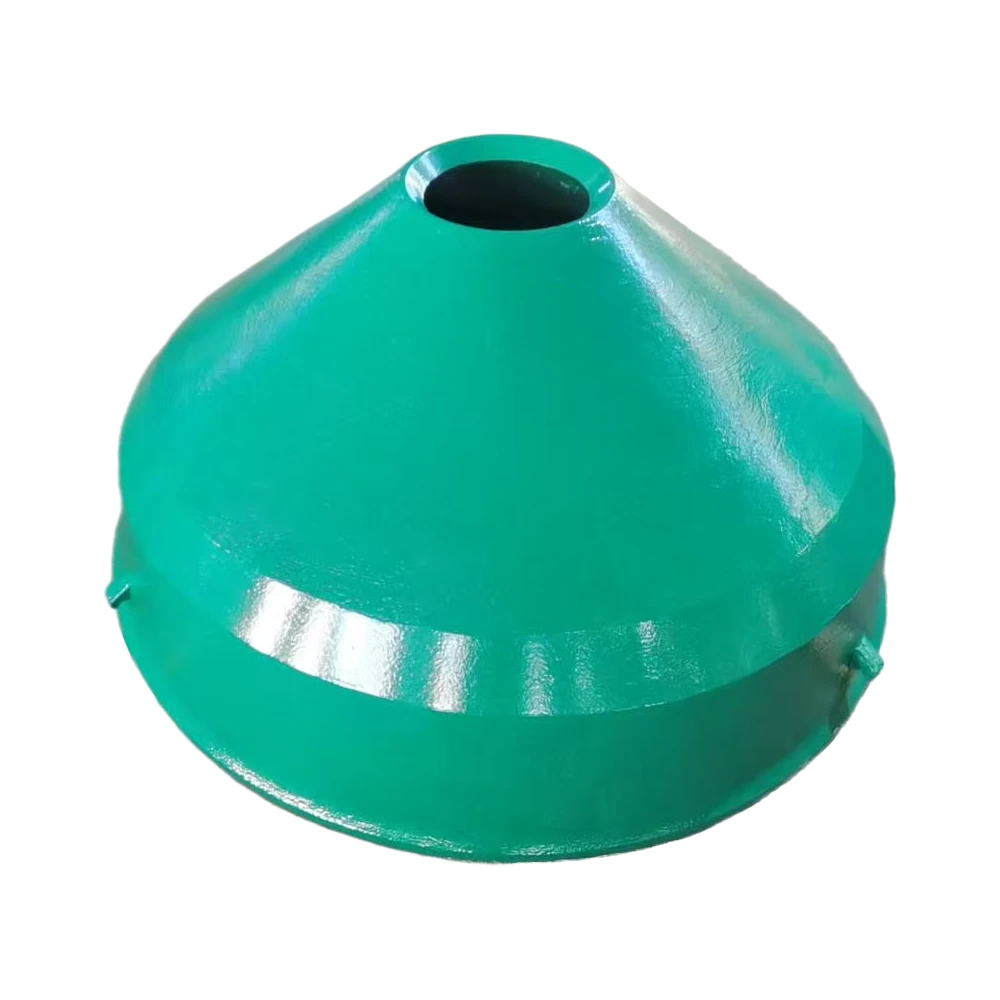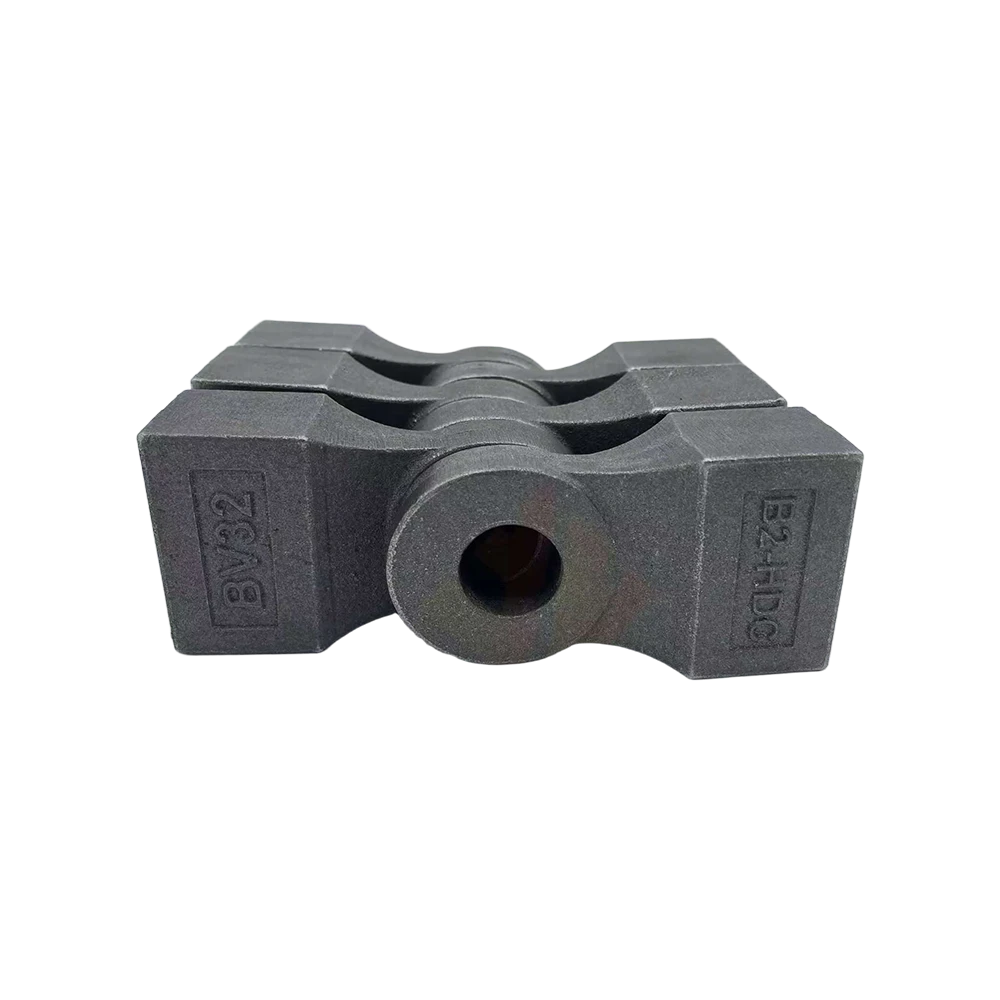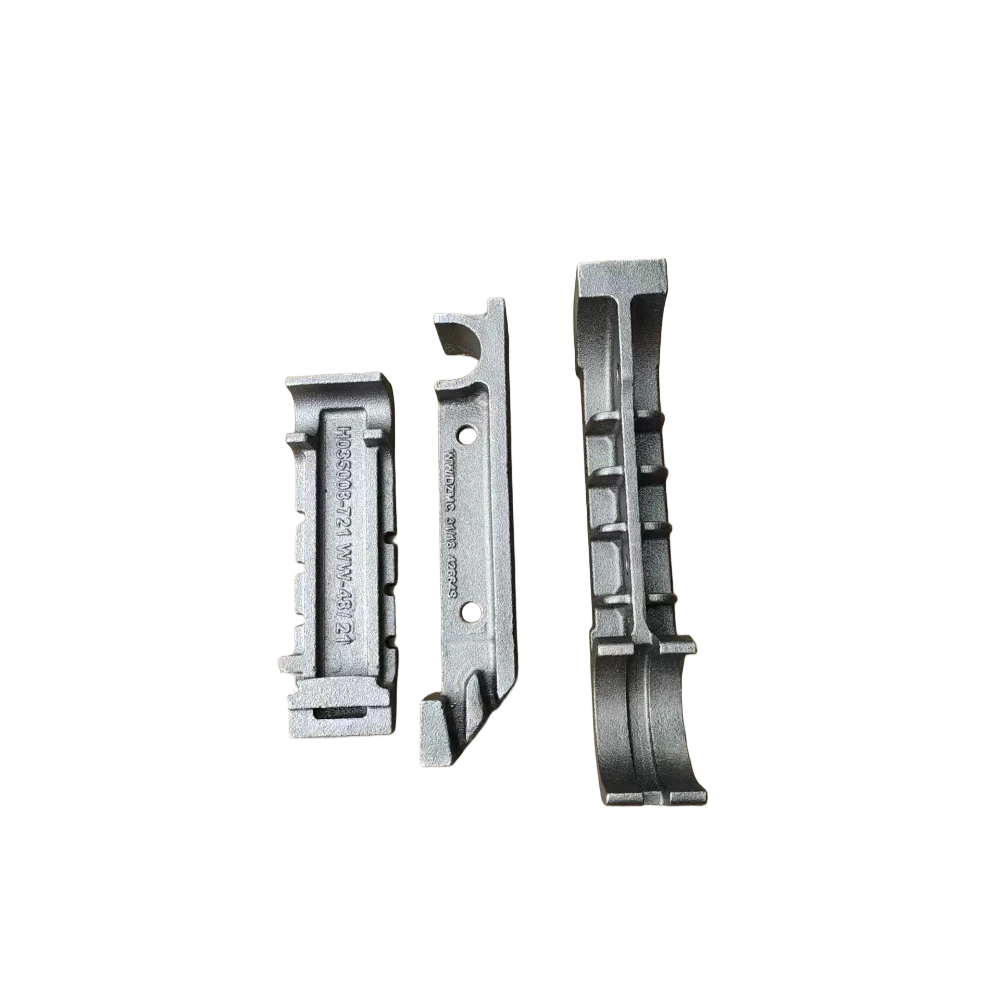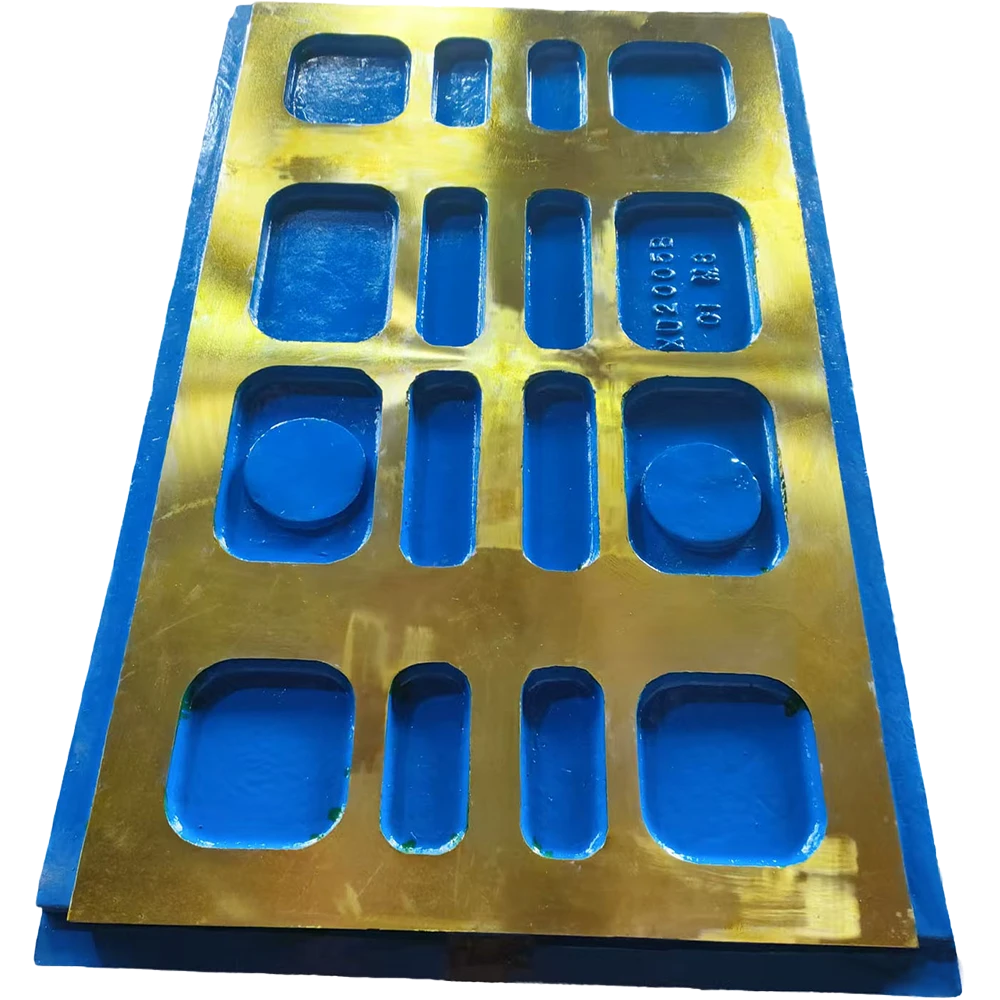
Durable Universal Crusher Parts for High Performance Crushing
Universal Crusher Parts: The Backbone of Efficient Crushing
Having spent many years working closely with heavy equipment in industrial settings, I can tell you one thing for sure — universal crusher parts aren’t just interchangeable pieces; they’re critical components that can make or break your operation's uptime and efficiency.
Oddly enough, people outside the industry often underestimate how nuanced the selection and maintenance of these parts can be. From liners and jaws to wear-resistant plates, the quality and fit impact performance in surprisingly profound ways. The right parts reduce downtime and improve throughput – a key factor when deadlines loom large on the factory floor.
Now, I’ve seen plants toss in generic replacement parts thinking they’ll save a buck, only to face quicker wear and more frequent stoppages. It's a classic false economy. Frankly, I'd argue spending a little more on reliable universal crusher parts actually pays off, on balance.
What Makes a Part "Universal" — and Why It Matters
The “universal” tag generally means these parts fit a variety of crushing machines rather than being brand-specific. This versatility can be a blessing, especially for mid-sized operations juggling multiple machine types. However, it’s essential the parts are precision-engineered to meet or exceed OEM standards. You want materials with high impact resistance and abrasion resistance—often using manganese steel casting or similar alloys.
For example, the manganese alloy's ability to harden under impact makes it ideal for jaw plates, which take the brunt of rock crushing. The manufacturing process isn’t trivial — good foundries combine heat treatment, strict quality control, and rigorous testing to ensure durability. I noticed that iron castings with just a quick quench won’t deliver comparable longevity in crushing environments.
| Part | Material | Weight Range | Operating Temp. | Typical Life Span |
|---|---|---|---|---|
| Jaw Plate | Manganese Steel | 15 - 50 kg | -40° to 180° C | 6 - 12 months (varies by workload) |
| Mantle | Alloy Steel | 20 - 70 kg | -30° to 160° C | 8 - 14 months |
| Concave | Manganese Steel / Chromium Alloy | 25 - 75 kg | -40° to 180° C | 7 - 13 months |
How to Choose the Right Vendor for Universal Crusher Parts
You might ask: with so many suppliers out there, how do you pick the right one? In my experience, factors like manufacturing transparency, timely delivery, and the ability to customize parts matter just as much as price.
One plant I worked with had an urgent downtime— they ordered parts last-minute from three different vendors. The surprise? The top tier vendor, while slightly pricier, delivered exceptional customer support and guaranteed compatibility right off the bat. Meanwhile, cheaper sources missed delivery windows or shipped parts that needed extra machining.
| Vendor | Customization Options | Lead Time | Price Range | After-sales Support |
|---|---|---|---|---|
| DZM Casting | Full (design & material) | 2 – 4 weeks | $$ | Dedicated Customer Service |
| Vendor B | Limited to standard parts | 3 – 6 weeks | $ | Email Only |
| Vendor C | Custom upon request, longer wait | 4 – 8 weeks | $$$ | Phone support only |
So honestly, it’s worth vetting your supplier well. And frankly, I always recommend checking recent reviews and asking for sample material certifications. It’s the only way to avoid surprises when those parts go into your crusher.
To close, in a line — if you want your crushers humming efficiently through the long haul, investing in quality universal crusher parts is just part of the deal. It’s labor-intensive, for sure, but it pays dividends.
References:
1. Industry Reports on Crushing Equipment Longevity, 2023
2. "Materials Science for Metallurgical Engineers," 2nd Ed.
3. Interviews with Equipment Maintenance Managers, 2022-2024
-
High Performance oem cast heat resistant steel for Industrial UseNewsApr.16,2026
-
Guide to Selecting High Quality Cast Heat Resistant Steel AlloysNewsApr.09,2026
-
Custom Cast Heat Resistant Steel Solutions for High Temperature ApplicationsNewsApr.07,2026
-
Comprehensive Guide to Wholesale Cast Heat Resistant Steel for Industrial ApplicationsNewsApr.04,2026
-
Comprehensive Guide to High Performance Heat Resistant Metal Product SolutionsNewsMar.31,2026
-
Expert Guidance on Heat Resistant Metal Quotes and Alloy SelectionNewsMar.28,2026