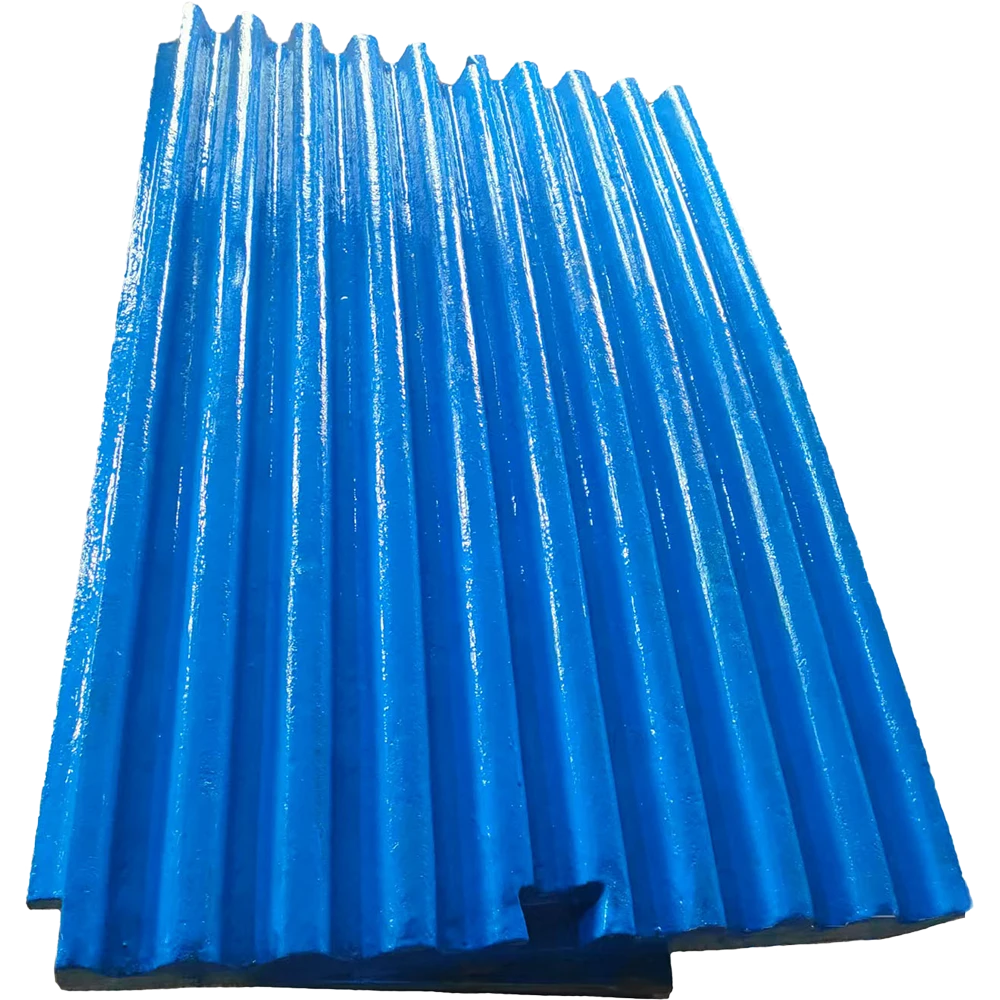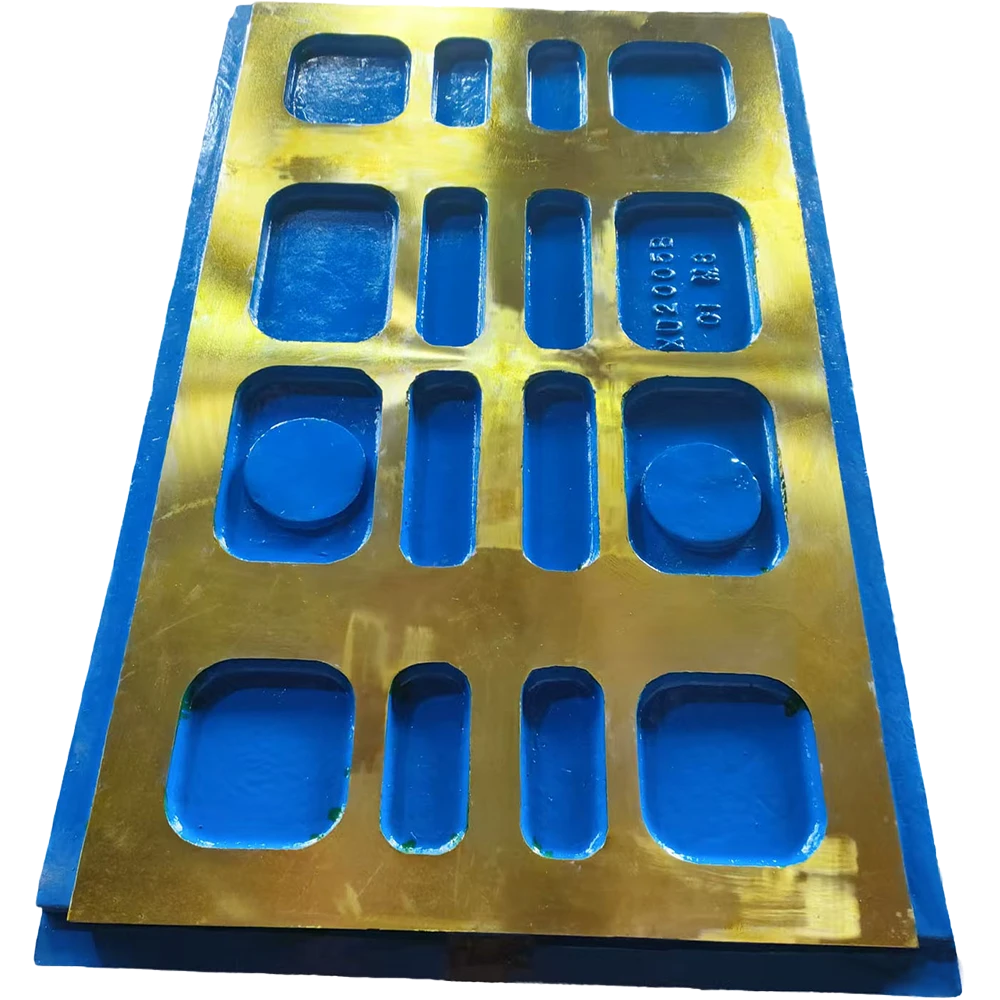
Quality Universal Jaw Crusher Parts for Industrial Crushers
Why Universal Jaw Crusher Parts Matter in Industrial Equipment
Having spent quite a few years grinding through the nuts and bolts of the industrial equipment business, I can tell you this: universal jaw crusher parts are the unsung heroes of many crushing operations. Oddly enough, most people overlook how crucial these components are until a piece breaks down and the whole process comes to a halt.
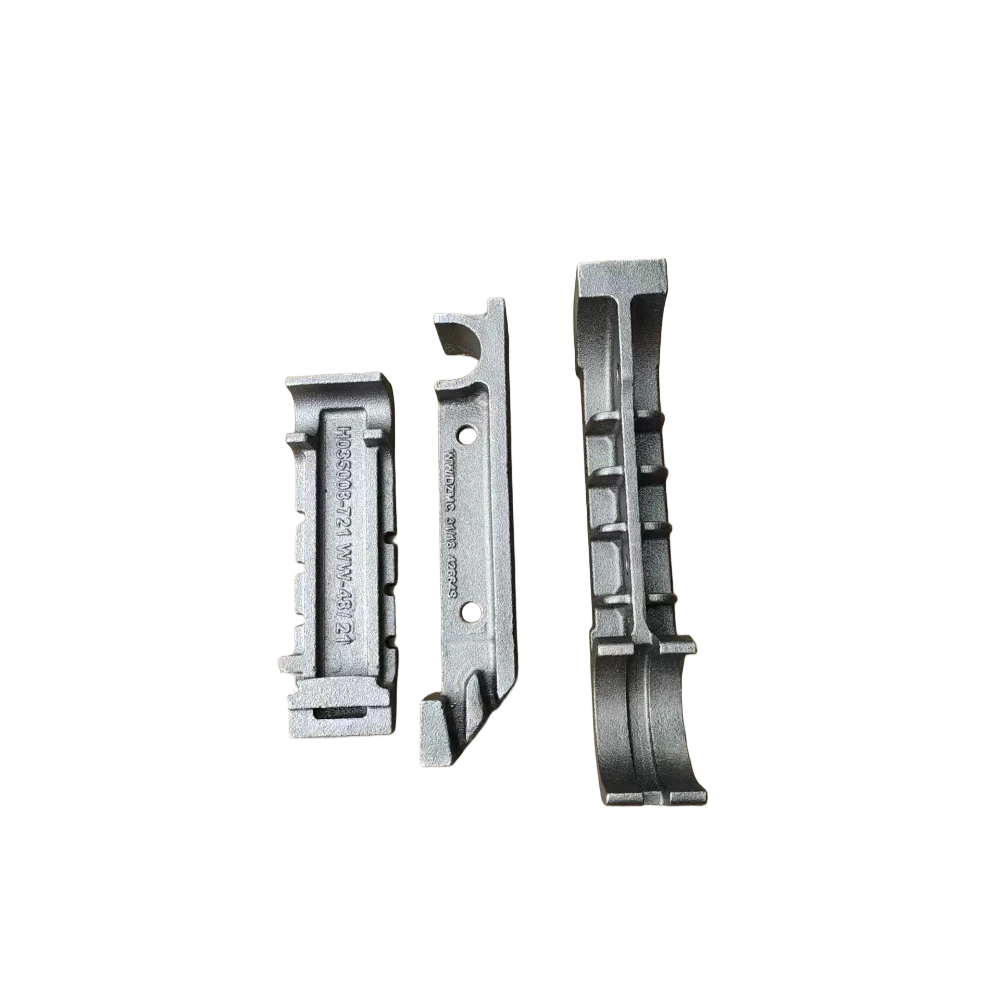
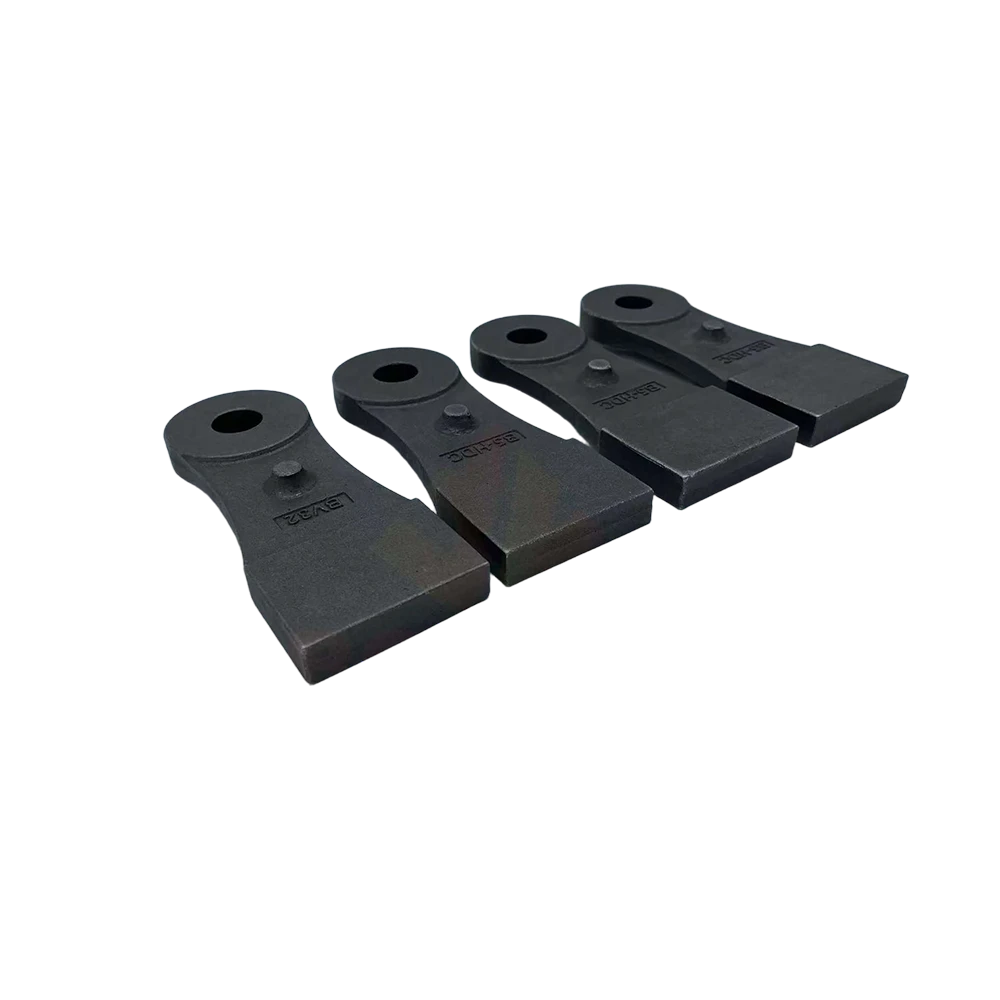
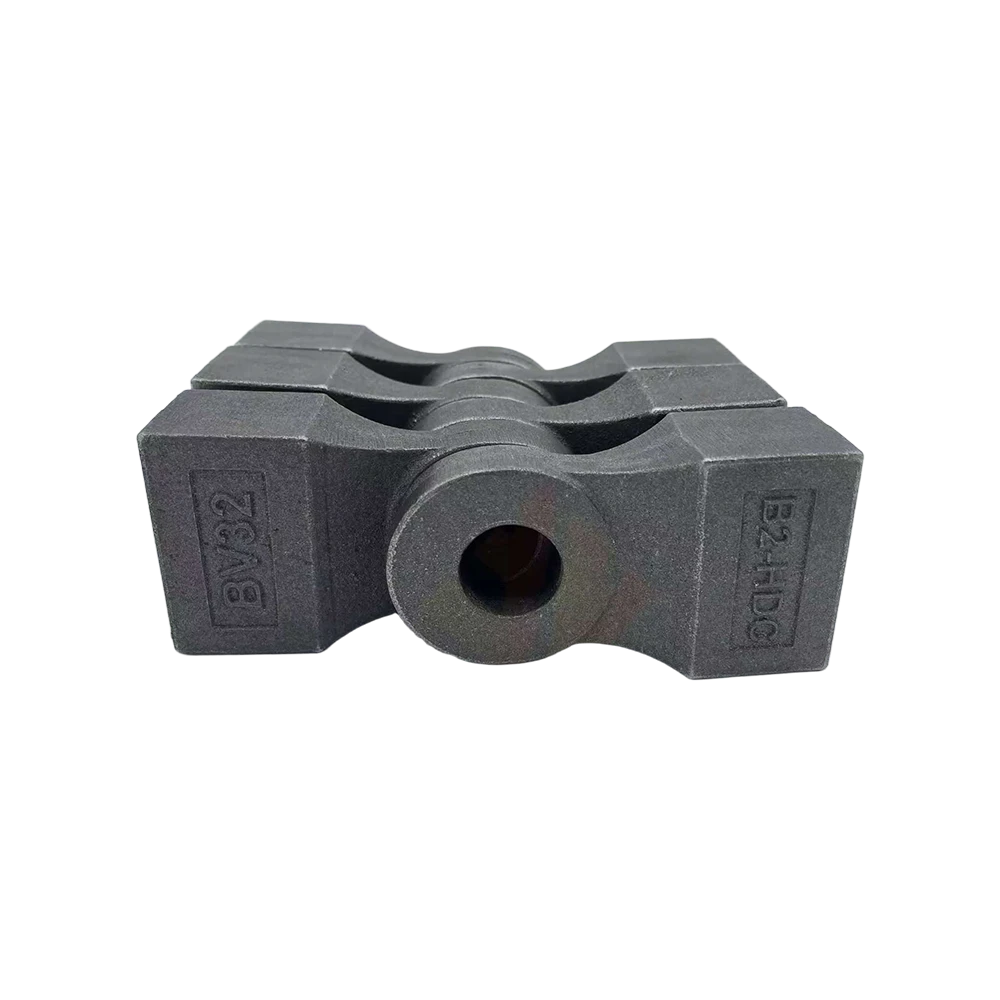
Jaw crushers, as you might know, handle heavy-duty rock and mineral crushing. But the real magic comes from the parts inside—the jaws themselves, toggles, shafts, and bearings that can vary widely by design. The term "universal" here is pretty liberating; it means these parts can fit various crusher models, which keeps maintenance flexible and downtime minimal. In real terms, that means operational continuity—and every engineer I know values that like gold.
Materials play a huge role. These parts have to endure massive impact forces and abrasion. Typically, manufacturers use manganese steel for jaw plates, which has an impressive combination of toughness and wear resistance. I’ve seen suppliers who optimize their casting techniques for superior grain structure, which translates to a longer lifespan for the parts. You get what you pay for with casting quality, frankly. A subpar casting will fail early and cost more in the long run.
Testing standards also vary — some vendors run extensive trials simulating real conditions; others barely scratch the surface. One anecdote: I visited a plant where a universal jaw plate survived over 3,000 operating hours with almost no visible wear. The supplier had invested heavily in metallurgical testing and iterative design improvements. It paid off handsomely.
| Part | Material | Hardness (HRC) | Approx. Weight (kg) | Compatibility |
|---|---|---|---|---|
| Fixed Jaw Plate | High Manganese Steel (Mn13-18) | 50-60 | 100-300 | Universal fit for major brands |
| Swing Jaw Plate | High Manganese Steel (Mn14-18) | 52-62 | 80-280 | Fits multiple crusher models |
| Toggle Plate | Cast Iron with Heat Treatment | 40-45 | 20-45 | Universal design available |
But here’s a wrinkle in the story: not every universal part is created equal. Sourcing from a reputable supplier can save you from headaches with improper fitment or premature failure. I usually recommend comparing specs, warranty, and customer feedback before deciding. Let me share a quick vendor comparison I compiled after talking to several contacts in the field:
| Vendor | Material Quality | Price Range | Warranty | Customer Support |
|---|---|---|---|---|
| DZMCCasting | Exceptional | Moderate | 12 months | Responsive & Technical |
| Competitor A | Good | Lower | 6 months | Limited |
| Competitor B | Average | Low | 3 months | Minimal |
For in-the-trenches use, you want parts that don’t just fit but perform—sooner or later, your jaw crusher’s efficiency depends on these components. One client I worked with swore by switching to a universal jaw plate supplier offering better alloy blends. The difference? Less downtime, fewer replacements, and frankly, a much smoother workflow.
Customization options, too, are gaining traction. You might not always find a one-size-fits-all answer, even with the “universal” label. Some vendors offer tailored machining, surface hardening, or dimensional tweaks to accommodate unique crusher setups or specific rock types. It feels like the old adage: “the devil is in the details” truly applies here.
Ultimately, if you work around crushers, knowing your parts’ provenance and quality is half the battle won. The universal jaw crusher parts market is growing, but quality still rules. Keep an eye on supplier certifications and metallurgical tests if possible—you can’t test the metal by just looking, but a responsible vendor won’t hide that info from you.
You know, it’s a bit funny—such unassuming metal pieces behind gigantic machines. But they’re vital, and I suppose that makes them quite extraordinary after all.
References:
- Industry Metallurgy Journal, 2023, “Wear resistance of manganese steels in crushing equipment.”
- Field Report, 2022, “Operational benefits of universal jaw plates in mining plants.”
- DZMCCasting Product Catalog and Testing Data, 2024.
-
High Performance oem cast heat resistant steel for Industrial UseNewsApr.16,2026
-
Guide to Selecting High Quality Cast Heat Resistant Steel AlloysNewsApr.09,2026
-
Custom Cast Heat Resistant Steel Solutions for High Temperature ApplicationsNewsApr.07,2026
-
Comprehensive Guide to Wholesale Cast Heat Resistant Steel for Industrial ApplicationsNewsApr.04,2026
-
Comprehensive Guide to High Performance Heat Resistant Metal Product SolutionsNewsMar.31,2026
-
Expert Guidance on Heat Resistant Metal Quotes and Alloy SelectionNewsMar.28,2026