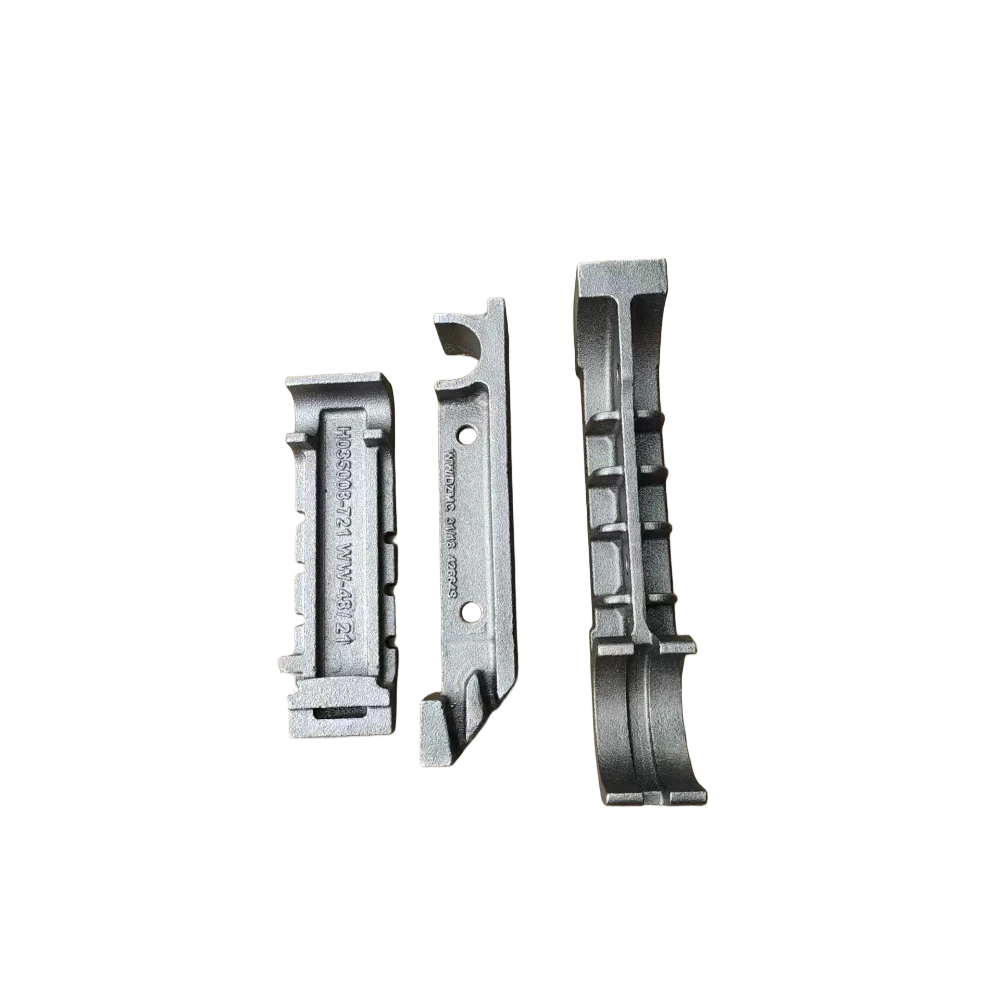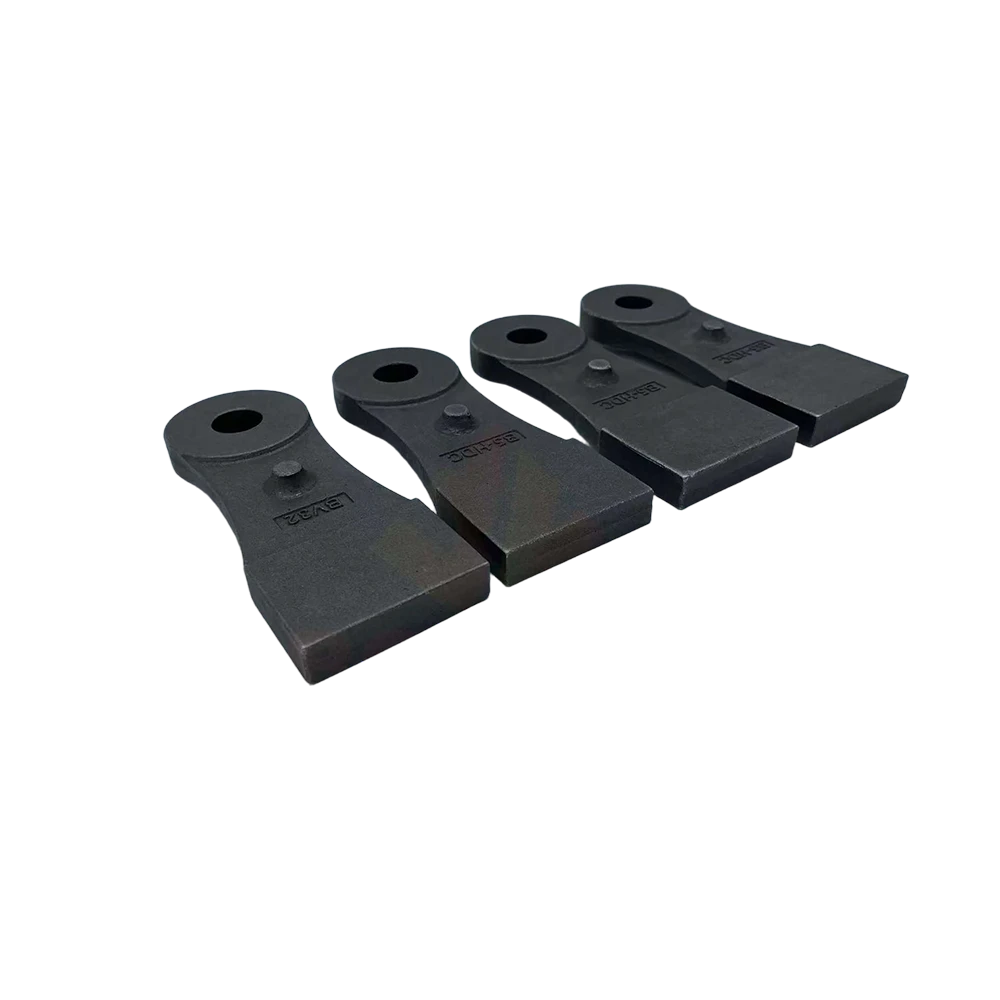
Durable Crusher Spares for Industrial Efficiency & Reliability
Crusher Spares: The Backbone of Reliable Industrial Operations
Having spent more than a decade in the industrial equipment sector, I've seen firsthand how crusher spares often make or break the efficiency of a plant. It’s easy to overlook these components until one fails — then, well, it’s an entirely different story. Oddly enough, the quality of these spares isn't just about matching dimensions; it’s about materials, manufacturing techniques, and subtle design nuances that can vary widely.
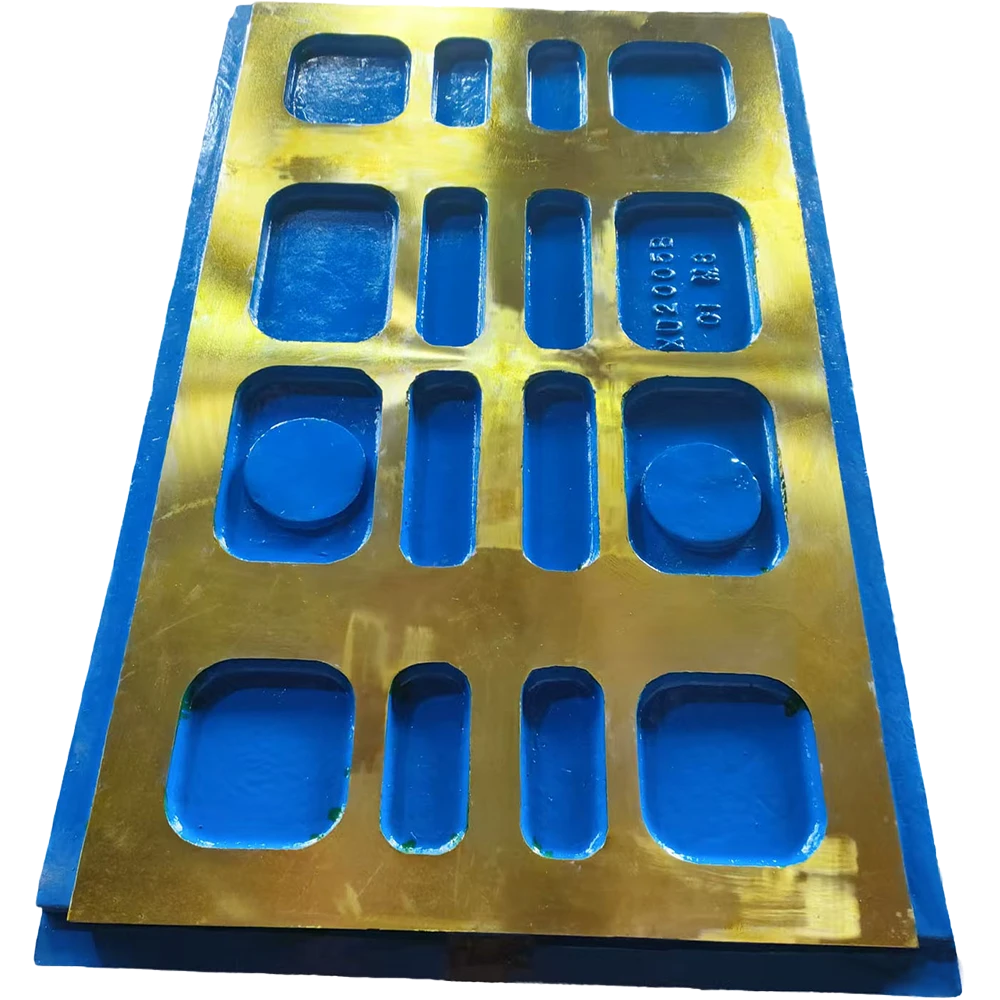
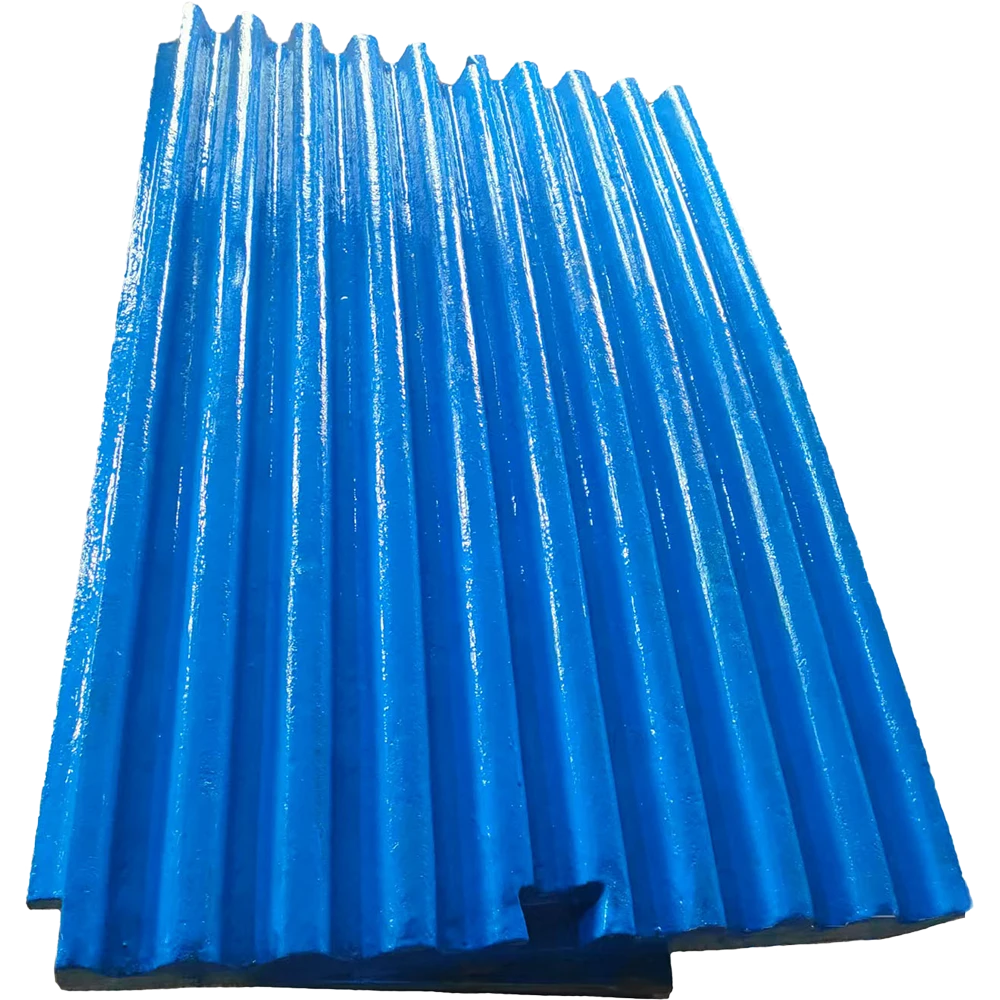
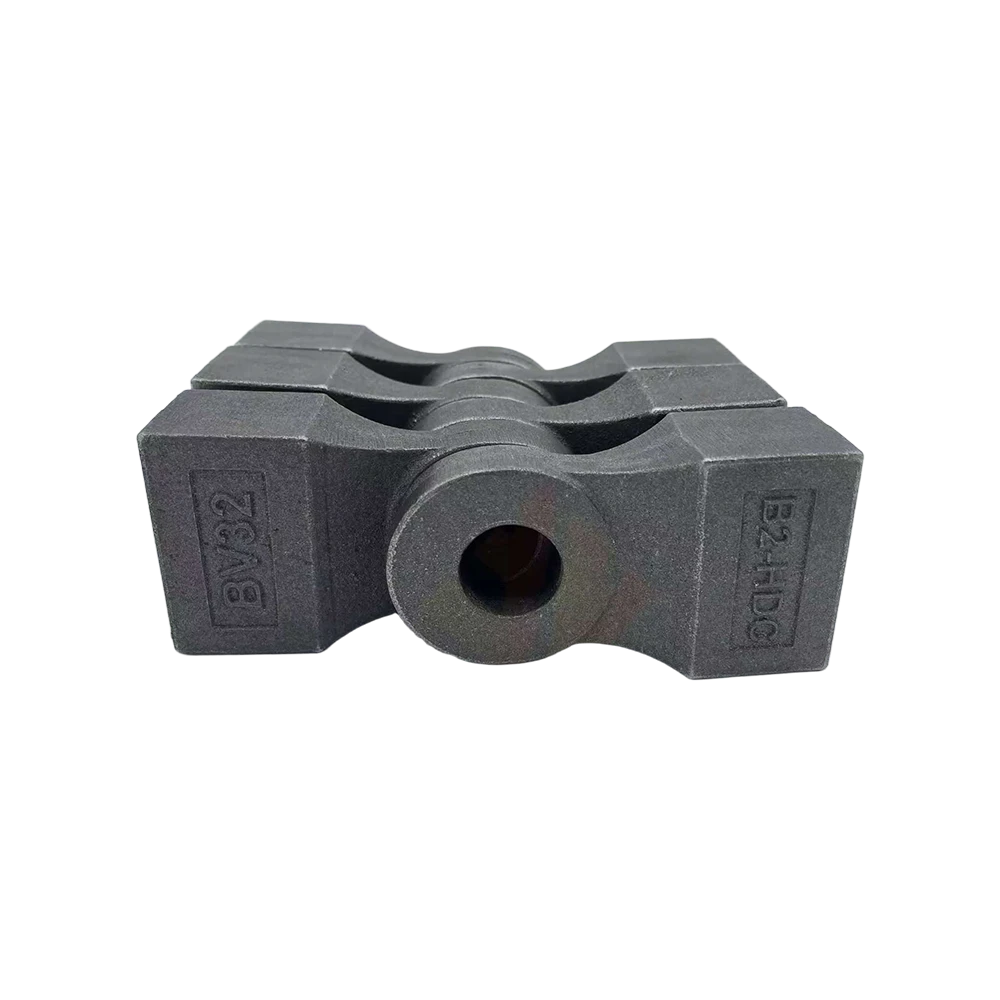
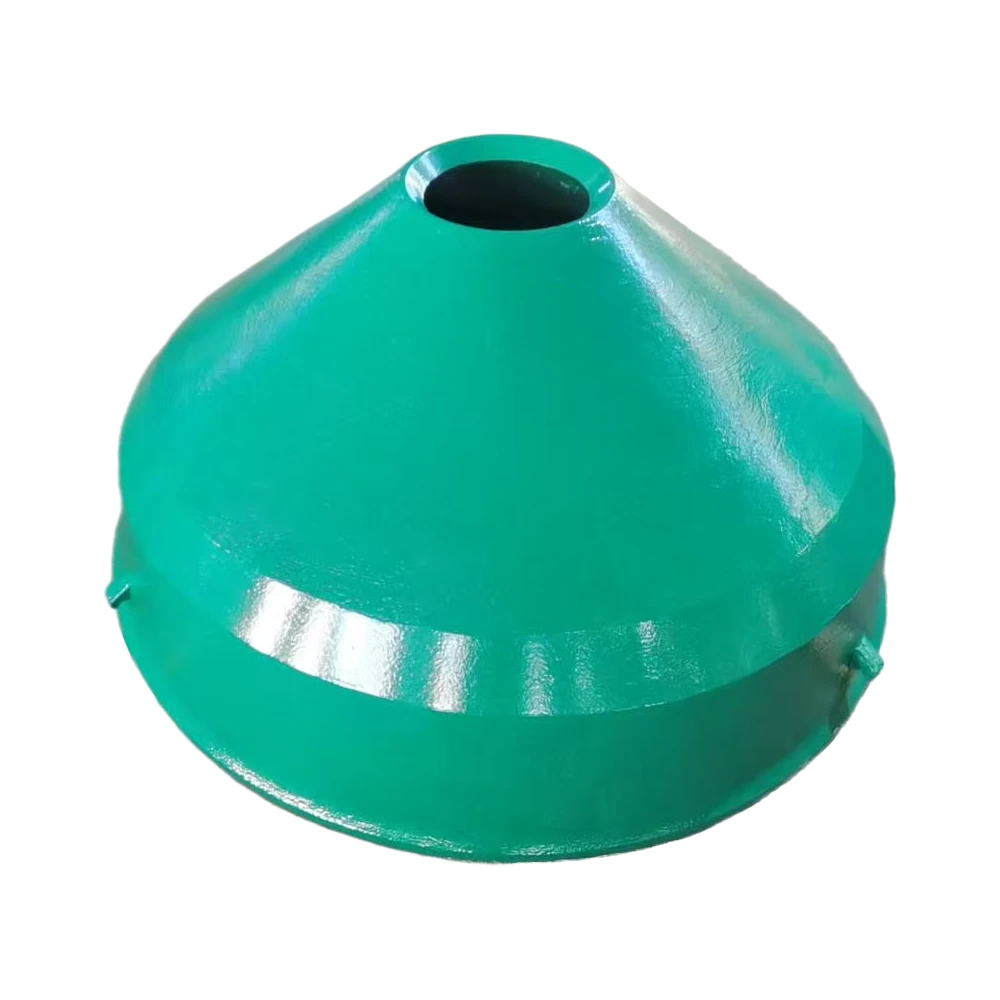
Crusher spares, in their essence, are the replacement parts that keep crushers humming along. Think of jaw plates, mantles, blow bars, and liners — each part takes an incredible beating. What’s fascinating is how these parts are forged or cast from special alloys to withstand extreme abrasion and impact. Frankly, not all suppliers get this right, which is why knowing your vendor and specs matters.
In real terms, when you hear of plants shutting down for days because a worn-out liner caused inconsistent crushing or worse, a breakdown — that’s a huge hit to both productivity and budgets. I remember visiting a quarry site once where the maintenance team swore by a particular supplier just because their manganese steel mantles lasted noticeably longer under heavy use. It felt like night and day compared to the OEM spares initially provided.
| Component | Material | Hardness (HRC) | Typical Applications |
|---|---|---|---|
| Jaw Plate | Manganese Steel | 50-60 | Primary Crushing – High Impact |
| Mantle | High Chrome Alloy | 55-65 | Secondary Crushing – Abrasive Materials |
| Blow Bar | Chrome-Moly Alloy Steel | 52-62 | Hammer Crushers – Impact Crushing |
| Liner | Wear-Resistant Cast Iron | 48-58 | Impact and Attrition Resistance |
Many engineers I know emphasize customization too. The right crusher spare part often means adjusting thickness or hardness depending on the feed material and operating conditions. In a way, it reminds me that these are not just off-the-shelf items but rather critical, engineered components shaped by customer feedback and field experience.
Testing is another crucial piece in the puzzle. You see, reputable crusher spare manufacturers will subject their products to wear tests, impact resistance trials, and sometimes even real-world field trials. As a guy who’s witnessed the disappointment of premature wear firsthand, I value suppliers who are transparent about their testing standards and material certifications.
| Vendor | Material Options | Customization | Lead Time | Quality Certifications | Pricing |
|---|---|---|---|---|---|
| DZMC Casting | Manganese Steel, High Chrome, Alloy Steel | Yes, to specs & hardness | 4-6 weeks | ISO 9001 & Material Certificates | Competitive |
| Vendor A | Standard Alloys | Limited | 6-8 weeks | Basic Quality Checks | Affordable |
| Vendor B | Chrome Alloy Only | Custom orders possible | 5-7 weeks | ISO 9001 Certified | Premium |
One of the things I often mention to clients is the real value of building a lasting relationship with a trusted supplier. Equipment downtime is unpredictable, but having a go-to for high-quality crusher spares that fit like original parts can save days of frustration and lost revenue.
To wrap it up, if you’re in mining, quarrying, or recycling, investing in top-notch crusher spares isn’t just a maintenance chore; it’s a strategic decision. Because when those parts perform, so does your whole operation – and that feels like a win every time.
(And yes, even after all these years, there’s a certain satisfaction in hearing a crusher run smoothly — that’s the kind of small joy you grow to appreciate in this line of work.)
References:
1. Materials Science of Wear-Resistant Castings, Industrial Metals Review, 2021.
2. Crusher Maintenance Handbook, Plant Engineering Journal, 2019.
3. Interview with Mining Engineers, QuarryTech Conference, 2023.
-
High Performance oem cast heat resistant steel for Industrial UseNewsApr.16,2026
-
Guide to Selecting High Quality Cast Heat Resistant Steel AlloysNewsApr.09,2026
-
Custom Cast Heat Resistant Steel Solutions for High Temperature ApplicationsNewsApr.07,2026
-
Comprehensive Guide to Wholesale Cast Heat Resistant Steel for Industrial ApplicationsNewsApr.04,2026
-
Comprehensive Guide to High Performance Heat Resistant Metal Product SolutionsNewsMar.31,2026
-
Expert Guidance on Heat Resistant Metal Quotes and Alloy SelectionNewsMar.28,2026