Precision Crushers & Spares for Industrial Reliability | DZM Casting
Precision Crushers & Spares: The Unsung Heroes of Industrial Reliability
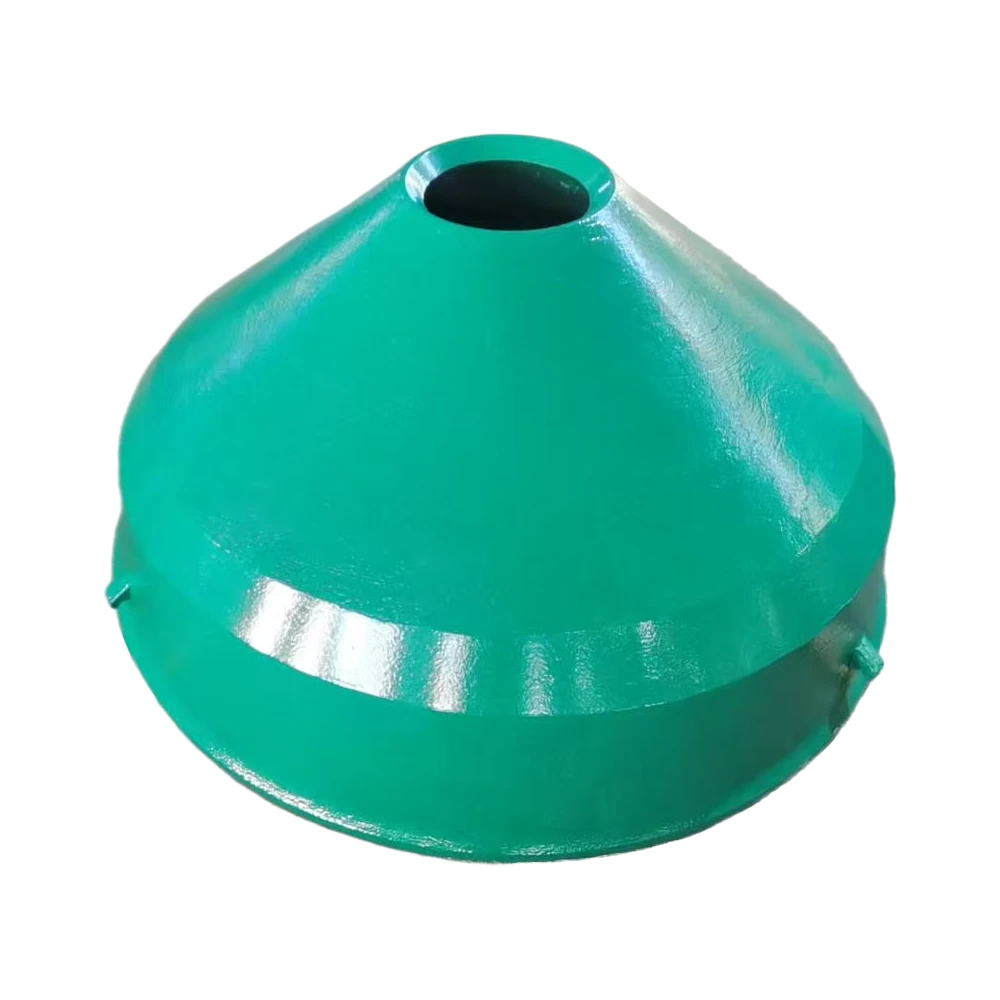
Having clocked well over a decade in the industrial equipment trenches, I’ve seen how precision crushers & spares quietly dictate plant uptime more than you might assume. These machines and their components don’t get the glamour of robotics or IoT, but frankly, without reliable crushing gear, raw materials just don’t break down smoothly — and production grinds to a halt.
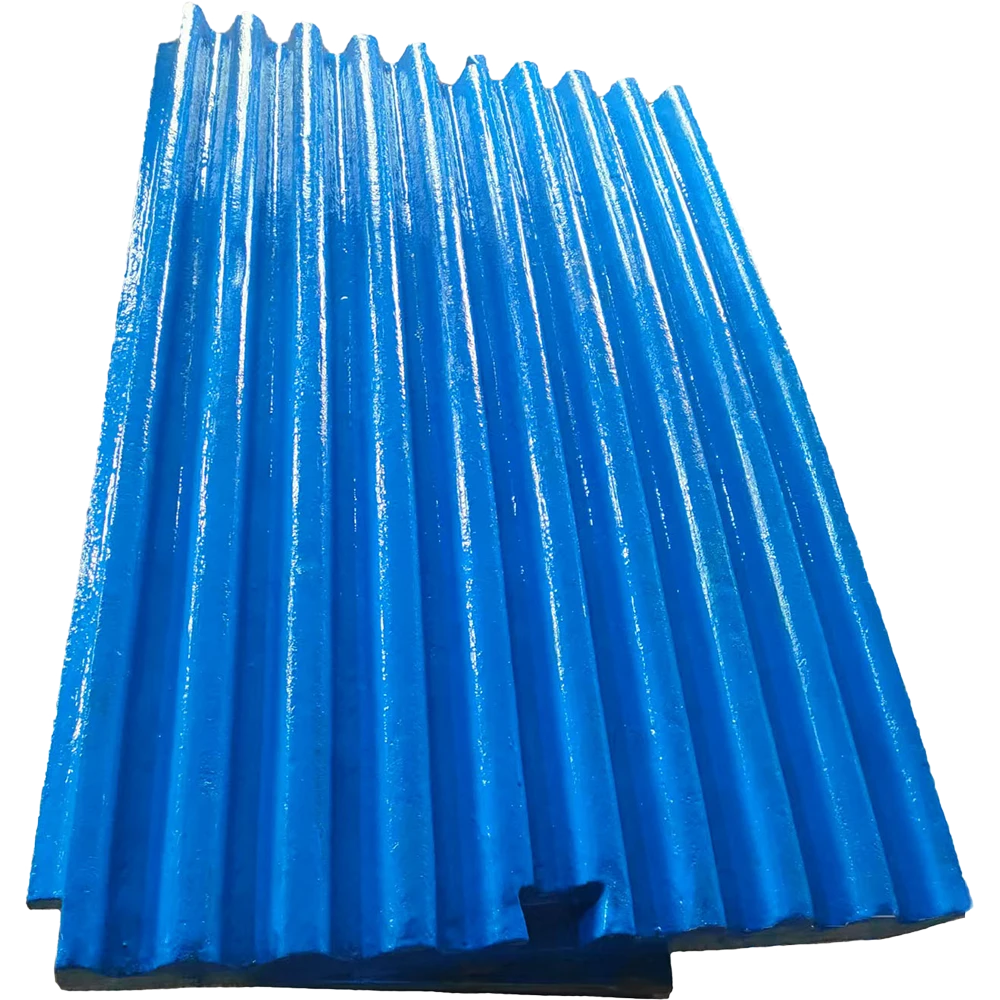
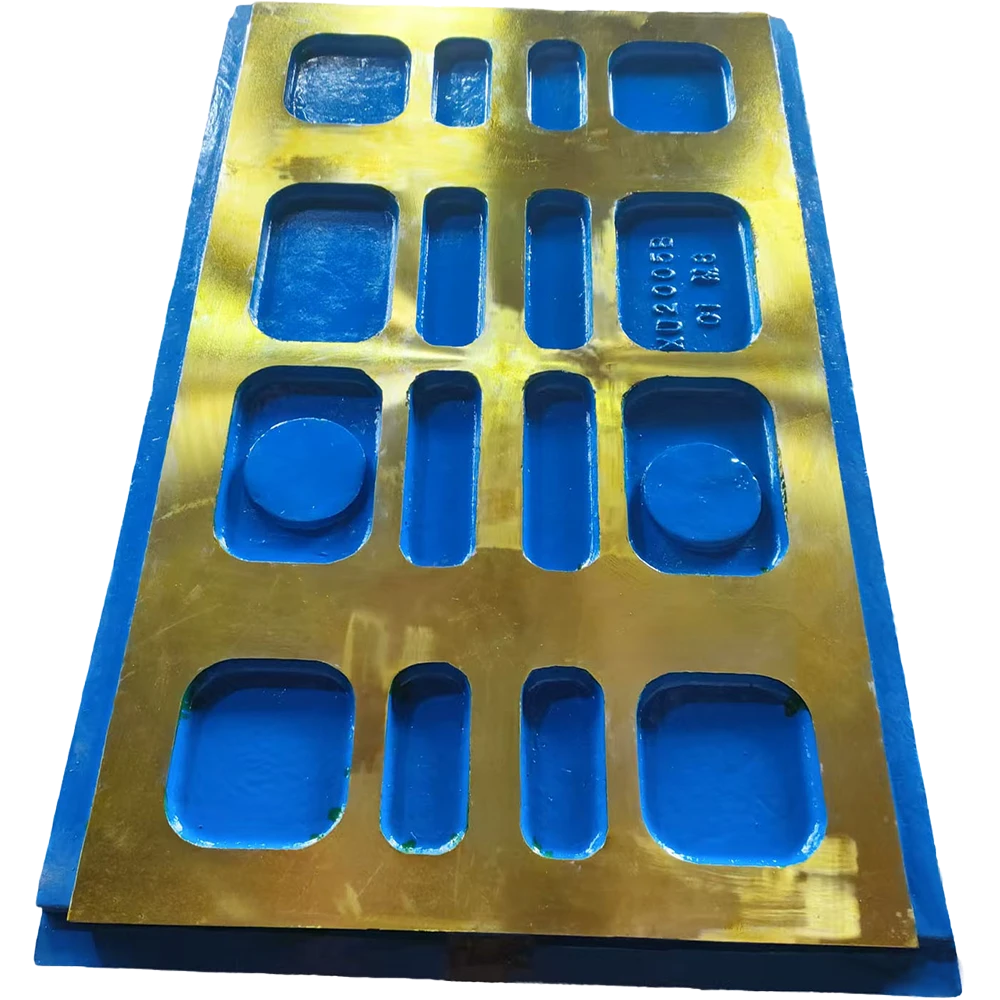
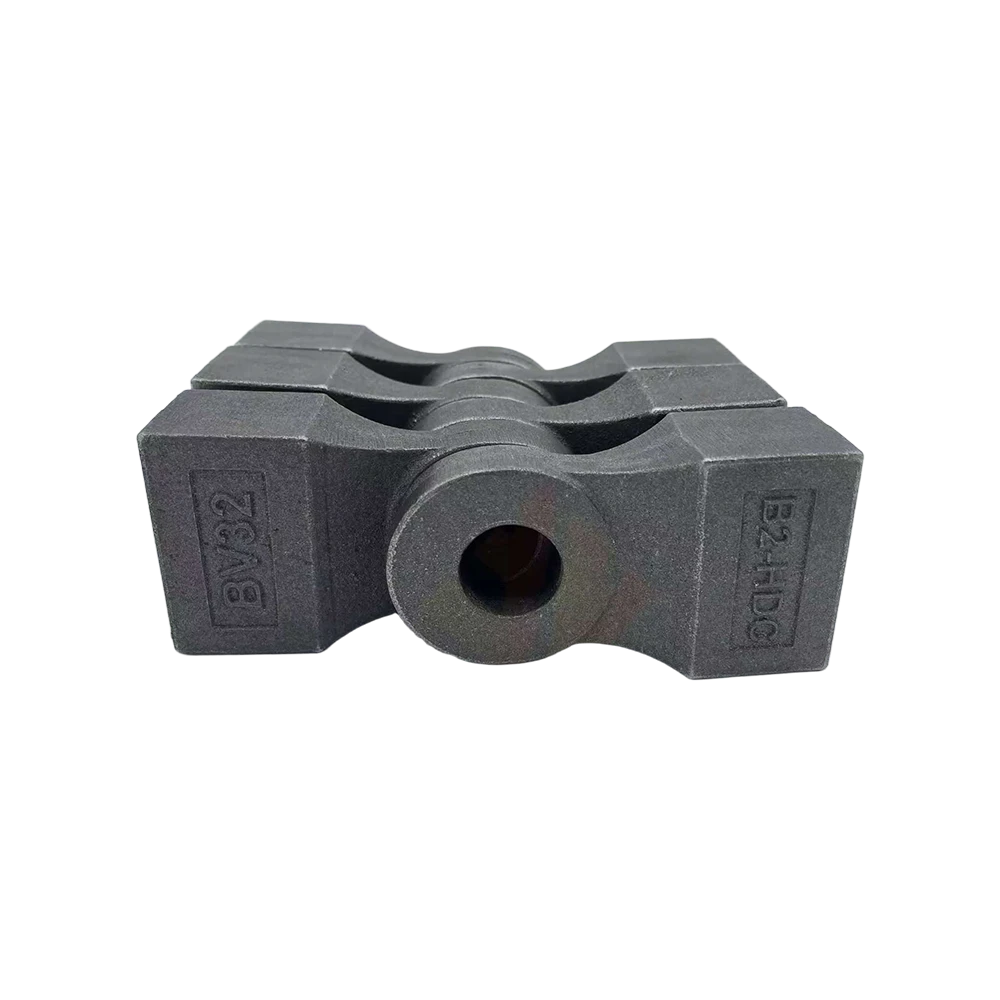
The first thing that stands out, oddly enough, is just how much craftsmanship goes into the design and choice of materials. Nowadays, you’re not just looking at any cast steel or generic wear parts. Precision crushers often use specialized alloys and advanced casting techniques that ensure components like jaw plates and hammers resist abrasion, impact, and thermal stress. That last bit is critical because when you’re crushing hard ore or recycled concrete, temperatures fluctuate – and so does equipment wear.
Back in the day, we’d deal with downtime every few weeks for part swaps or repairs. But with better spares that come from reputable suppliers — like those from DZM Casting — it feels like we’re stretching those intervals to months now. I suppose that’s why I keep emphasizing the importance of spare parts tailored specifically to your crusher model. Generic fits simply don’t cut it.
For example, take my experience with the jaw crusher line we ran at a mining site. We switched to precision-cast toggle plates and manganese jaw dies that were engineered specifically for wear patterns seen onsite. The difference? A 15% increase in throughput and less frequent breakdowns. It’s those small margins that count when you’re on a tight schedule.
| Component | Material | Wear Life | Typical Use |
|---|---|---|---|
| Jaw Plates | Manganese Steel | 3-6 months (varies by material) | Primary crushing in mining & aggregates |
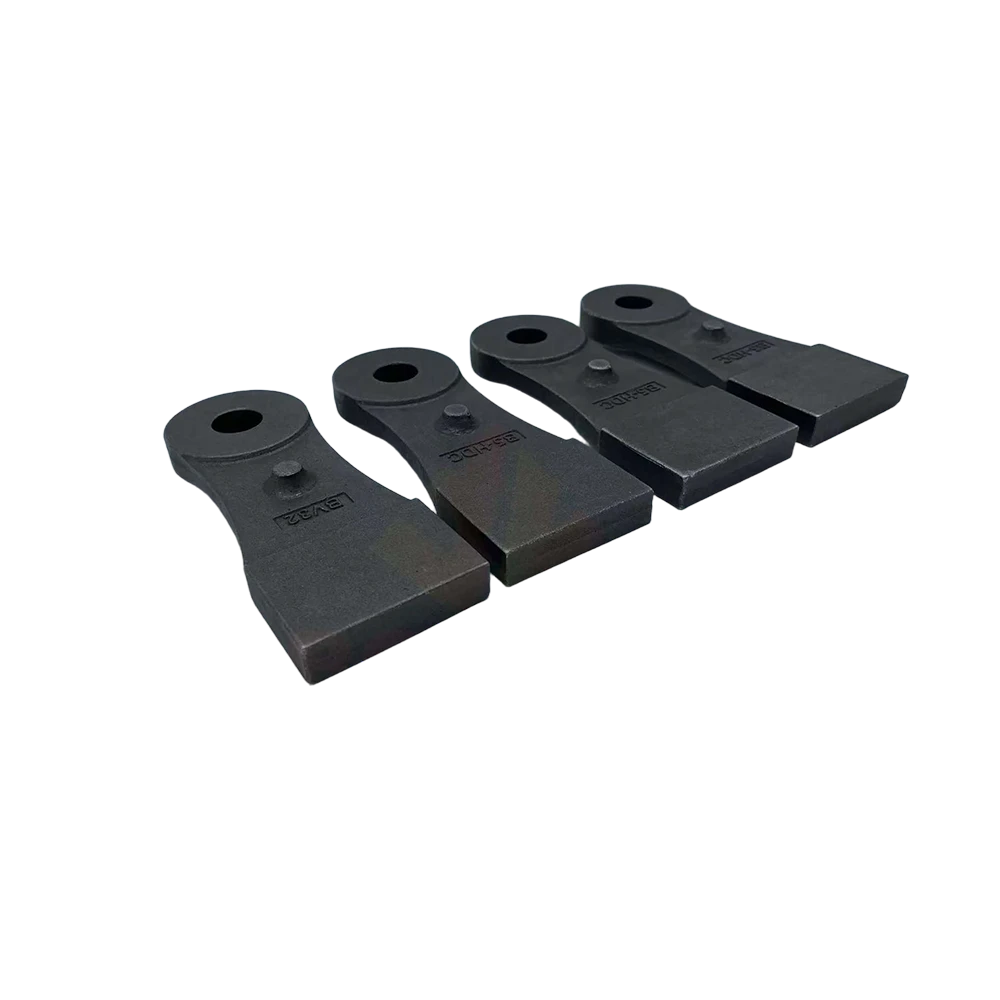
| Hammer Tips | High Chrome Alloy | 4-8 months | Impact crushers & shredders |
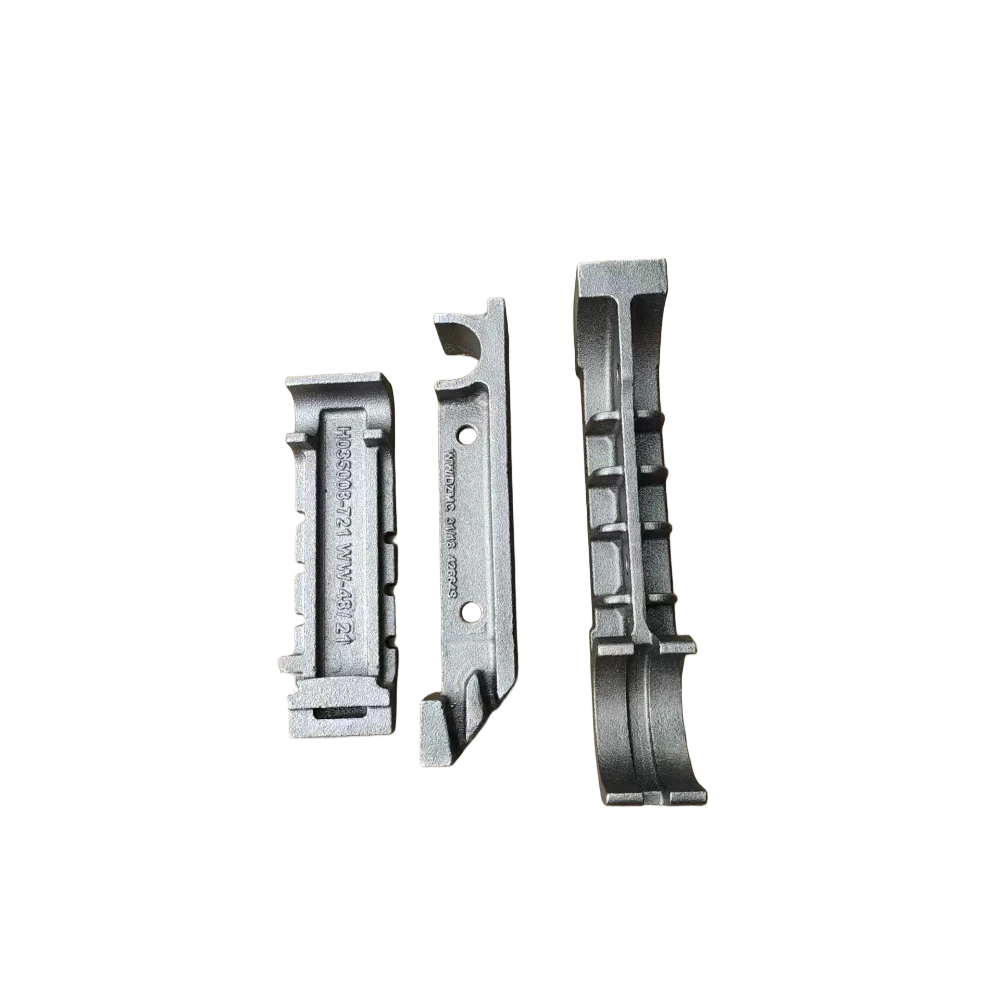
| Toggle Plates | High Strength Cast Steel | 6-9 months | Jaw crusher safety & operation |
One must also consider the role of testing. It’s not just throwing a part into service and hoping for the best. Precision spares often undergo rigorous fatigue and impact testing, with third-party certifications boosting trustworthiness. I remember a client from a demolition plant... his biggest pain was unpredictable hammer wear that slowed down the entire chain. After switching to tested high-chromium alloy tips, wear patterns became predictable, and maintenance costs went down by nearly 20% annually. That kind of reliability is gold.
Customizability, too, is a game-changer. Because every site is unique — ore hardness, moisture content, feed size — it pays to collaborate closely with your supplier. I like to highlight suppliers who don’t just sell parts but also engineer solutions. That means modifying designs, offering tailored alloys, or extra heat treatments. It feels less transactional and more like a partnership.
| Vendor | Material Quality | Customization | Lead Time | Price Range |
|---|---|---|---|---|
| DZM Casting | High-grade alloys, ISO certified | Full design support | 2-4 weeks | Mid to high |
| Generic Supplier A | Standard cast steel | Limited | 1-2 weeks | Low |
| Premium OEM Supplier | Top-tier forged alloys | Some customization | 6-8 weeks | High |
In real terms, investing in precision crushers & spares isn’t just an operational cost — it’s a bedrock for reliability and production efficiency. It’s tempting sometimes to settle for cheaper alternatives, but as many engineers I’ve worked with say, you usually pay twice: once for the initial parts, and again in lost production and downtime.
So, if you’re managing plant maintenance or evaluating suppliers, I’d suggest giving priority to trusted providers with a proven track record for quality, material innovation, and customization — like DZM Casting. They get what it means to keep a crusher running hard and long, day in, day out.
Looking back, it’s clear: precision and reliability in crusher parts really do translate into smoother projects, less sweat, and hopefully, a better bottom line.
Quick reflection: I suppose the lesson here is patience and quality pay off in the industrial world — even when it feels like the ticking clock never stops.
- Industry Wear Part Standards — ASM International, 2021
- Case Study: Alloy Impact on Crusher Efficiency, Mining Tech Journal, 2022
- DZM Casting Materials Datasheet, 2023
-
High Performance oem cast heat resistant steel for Industrial UseNewsApr.16,2026
-
Guide to Selecting High Quality Cast Heat Resistant Steel AlloysNewsApr.09,2026
-
Custom Cast Heat Resistant Steel Solutions for High Temperature ApplicationsNewsApr.07,2026
-
Comprehensive Guide to Wholesale Cast Heat Resistant Steel for Industrial ApplicationsNewsApr.04,2026
-
Comprehensive Guide to High Performance Heat Resistant Metal Product SolutionsNewsMar.31,2026
-
Expert Guidance on Heat Resistant Metal Quotes and Alloy SelectionNewsMar.28,2026