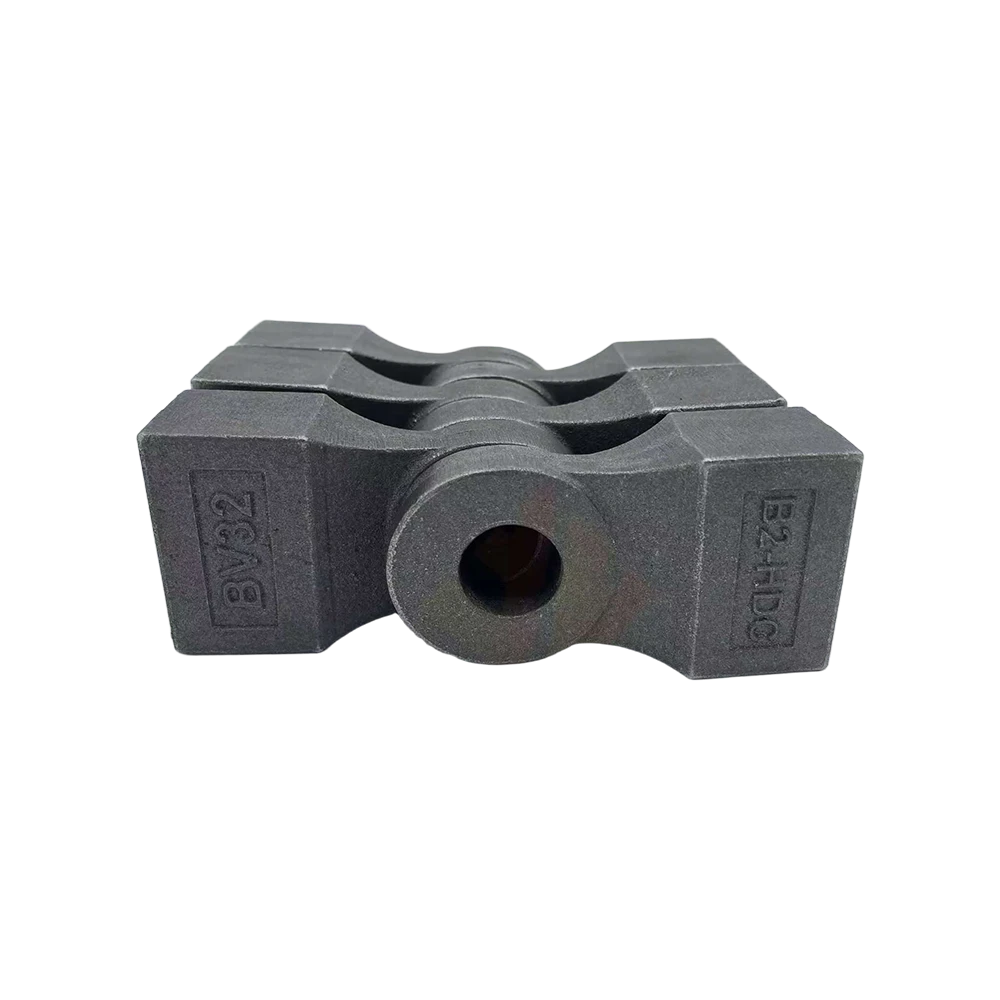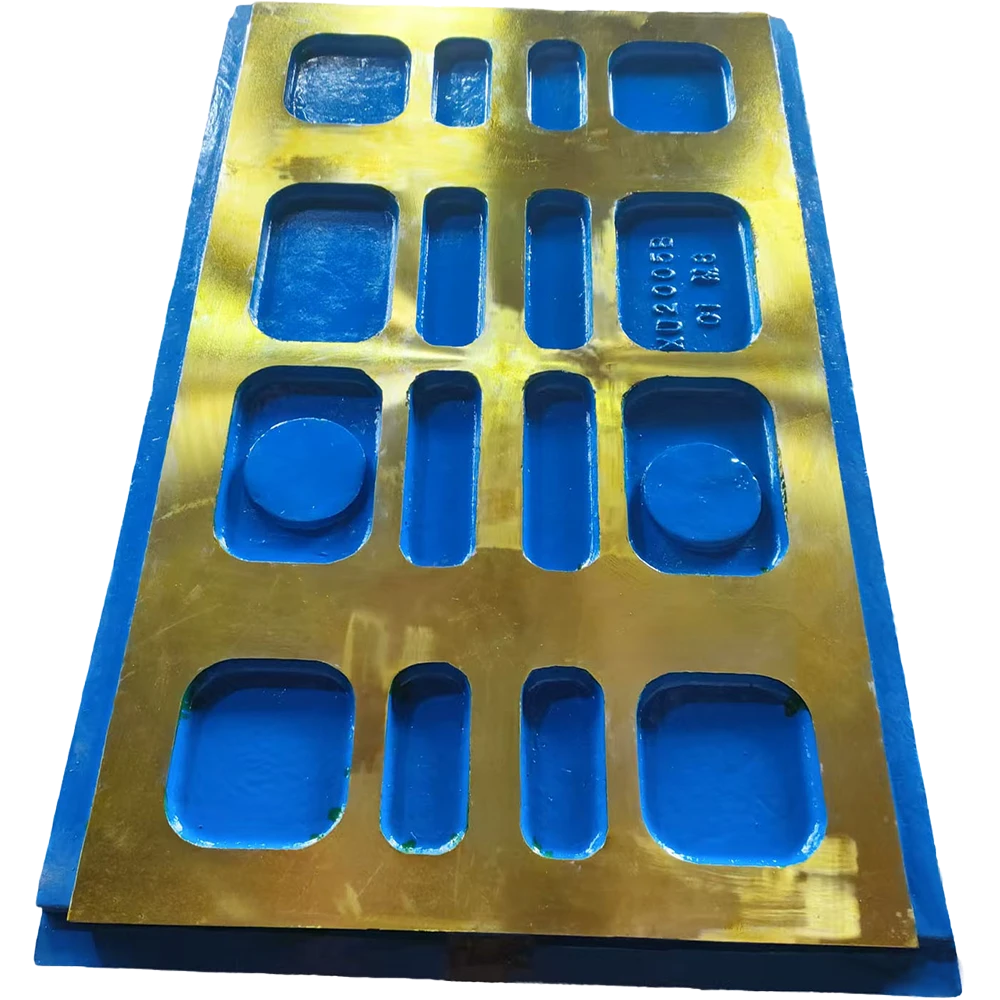
Durable, Efficient Rock Crushing Hammers for Industrial and Humanitarian Use
Understanding the Rock Crushing Hammer: Why It Matters Today
The rock crushing hammer might sound like just another piece of heavy machinery, but it’s anything but trivial. Globally, these are the workhorses behind vital industries like mining, construction, and infrastructure development. If we pause and think about all the roads, bridges, and buildings we rely on daily, many started with the humble action of breaking down raw stone into manageable pieces — and that’s where these hammers step in. Grasping their importance helps us appreciate the layered complexity of modern industrial supply chains and even humanitarian projects where fast, reliable stone crushing makes rebuilding possible after disasters.
The Global Context: Why Rock Crushing Hammers are More Crucial Than Ever
The demand for raw materials worldwide is soaring, and data from the World Bank estimates global mining output continues to rise annually by roughly 3%. While quarrying stone might seem old-school, the efficiency and durability of rock crushing tools can greatly influence industry economics and environmental footprint. In emerging economies, infrastructure booms require reliable rock processing, while in developed countries, the focus applies to sustainability and reducing energy consumption in crushing operations. Still, many operators face problems — like equipment downtime, inconsistent stone sizing, or high maintenance costs — that a smart choice in rock crushing hammer can mitigate.
Mini Takeaway:
The rock crushing hammer is a small but pivotal cog in the world’s industrial machine, bridging raw material supply and the urban landscapes we inhabit.
Defining the Rock Crushing Hammer
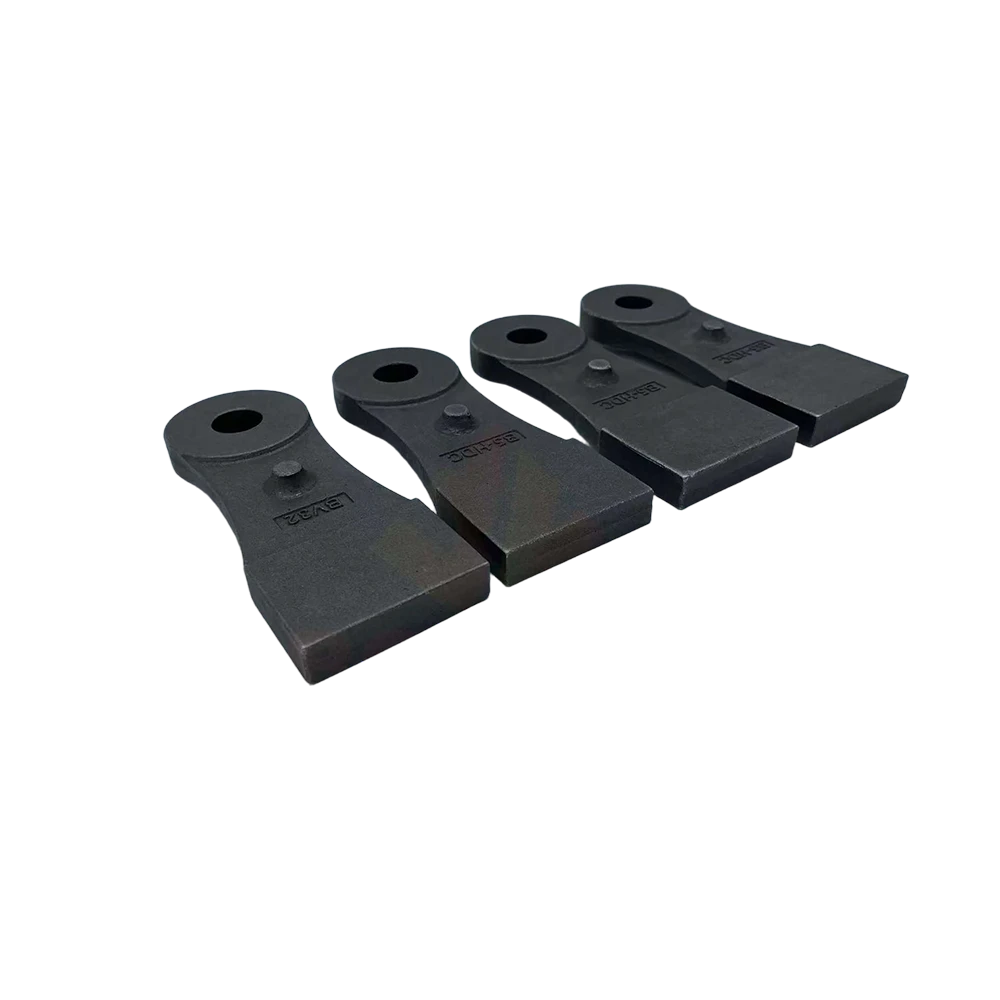
A rock crushing hammer is a heavy-duty attachment used with machines like hydraulic breakers and excavators, designed specifically to pulverize or fragment rocks and minerals into smaller, more manageable pieces. Unlike simple sledgehammers used by hand, these tools leverage mechanical force and precision impact to break stones faster and more efficiently. Their role is indispensable not only in traditional mining but increasingly in disaster relief and construction sectors, where quick rock fragmentation reduces downtime and accelerates rebuilding.
Oddly enough, this bit of engineering marvel isn’t so much about brute force as it is about durable materials and efficient impact mechanics — factors that have evolved a great deal since the first steam-powered rock breakers.
Core Components That Define a Rock Crushing Hammer’s Performance
1. Durability
Many engineers say that the longevity of a rock crushing hammer hinges on its material composition: usually high-grade steel alloys reinforced with tungsten carbide tips. Durability ensures operators aren't constantly dealing with breakages or diminished performance due to wear.
2. Power & Impact Force
The hammer must deliver a consistent and powerful strike — measured in joules — to crack even the toughest rocks. I’ve noticed on-site that achieving the right balance between power and machine compatibility can save fuel and reduce operator strain.
3. Size & Weight
Oddly enough, bigger isn’t always better. The hammer’s weight affects machine handling and fuel efficiency. Lightweight models work well for smaller tasks in sensitive environments, while heavy models tackle bulk jobs efficiently.
4. Ease of Maintenance
Quick part replacements and simple preventive measures go a long way in remote zones where downtime can be costly. A smart design considers the availability of spare parts worldwide.
5. Compatibility & Versatility
Whether retrofitting older machines or integrating with modern excavators, a hammer’s design compatibility smooths workflows and extends operational life without specialized adjustments.
Product Specification Table
| Specification | Value / Range |
|---|---|
| Impact Energy | 500 - 4500 joules |
| Weight | 150 - 2000 kg |
| Operating Pressure | 100 - 210 bar |
| Recommended Carrier | Excavators (1.5 - 30 tons) |
| Material | High-tensile steel alloy, tungsten carbide tips |
Worldwide Applications of Rock Crushing Hammers
From the deserts of Australia to the rugged mountains of Chile, rock crushing hammers are at work. In mining regions like Western Australia and South Africa, these hammers accelerate extraction of valuable ores. In Asia, growing urban centers rely on them to break down blasted bedrock for foundations and roads.
Humanitarian uses might be less obvious but equally critical — in post-earthquake zones such as Nepal or Haiti, machinery equipped with rock crushing hammers enables faster clearing of rubble, laying the groundwork for shelters and infrastructure. Local governments and NGOs alike depend on this tool to minimize disruptions after crises.
Vendor Comparison Table
| Vendor | Hammer Weight Range (kg) | Impact Energy (Joules) | Compatibility | Maintenance Support |
|---|---|---|---|---|
| DynCrush | 200-1200 | 800-3500 | Excavators 2-15 tons | Global |
| RockBreaker Co. | 150-900 | 700-3000 | Excavators 1.5-12 tons | Regional (Asia, Europe) |
| MegaHammer | 500-2000 | 1500-4500 | Excavators 8-30 tons | Worldwide |
Why Invest in a Quality Rock Crushing Hammer? The Real Benefits
Besides the obvious — crushing rocks — these hammers bring some solid advantages to the table. Cost-wise, a highly efficient hammer reduces machine fuel consumption and downtime, so operational costs shrink, even if the upfront price feels steep. Environmentally, by improving stone fragmentation precision, less waste material is generated, and overall energy consumption falls, linking directly to sustainability goals many industries embrace today.
On the emotional side, operators feel more secure with reliable, well-designed equipment. There’s dignity in knowing your tool won’t fail mid-job or cause unnecessary hazards. For project managers, it means greater trust in meeting deadlines. For investors or governments, it signals innovation and responsibility.
Emerging Trends in Rock Crushing Hammers
We’re seeing exciting innovation lately — hammers integrated with digital sensors monitor impact cycles in real time, predicting part wear before breakdown. Material science advances bring lighter but stronger alloys, allowing machines to do more with less fuel. Plus, manufacturers are focusing on greener manufacturing processes in line with ISO 14000 environmental standards.
Automation is slowly creeping in; some firms experiment with semi-autonomous hydraulic tools that optimize impact frequency for different rock types, further reducing inefficiencies. It’s an intriguing frontier, harmonizing heavy industry with smart tech.
Challenges and How the Industry is Tackling Them
Of course, no tool is perfect. The biggest troubles often come from unpredictable rock hardness or job site variability — conditions that even the best hammer can’t fully control. Maintenance in remote locations remains a hurdle, pushing companies to invest in better training and logistics support. Material fatigue still happens, but new alloys and sensor tech help catch issues early.
Customizing hammer size and impact for specific applications also requires expert knowledge; some companies offer consultation services to maximize productivity. So, the solution isn't just about buying a hammer but partnering with trusted vendors and support teams.
FAQ: Common Questions About Rock Crushing Hammer
- How do I choose the right size rock crushing hammer for my excavator?
- Generally, the hammer's weight should complement the excavator's capacity to maintain stability and efficiency. Manufacturers provide guidelines matching hammer specs to machine tonnage — for example, lighter hammers suit excavators under 5 tons, heavier ones match 15+ ton machines. Always check compatibility charts and consult with your vendor.
- What maintenance should I perform to maximize hammer lifespan?
- Regular inspection of wear parts like chisels and bushings, timely lubrication, and pressure checks prevent premature failure. Cleaning dust and debris after shifts also matters. Many vendors provide detailed schedules and may offer maintenance kits to simplify the process.
- Can rock crushing hammers be used in environmentally sensitive areas?
- Yes, with proper planning and equipment choice. Lightweight, low-impact hammers reduce vibration and noise. Operators often employ dust suppression techniques alongside to minimize environmental effects, aligning with regulations and sustainability goals.
- Are there eco-friendly options available for rock crushing hammers?
- While the tool itself is mechanical, advancements in manufacturing, use of recycled materials, and sensor-based usage monitoring contribute to lower overall environmental impact. Some manufacturers focus on reducing energy consumption in operation, supporting greener practices.
Final Thoughts
So, what’s the bottom line? The rock crushing hammer is one of those unsung tools quietly powering industries that build, sustain, and sometimes rebuild the physical world. Choosing the right model, maintaining it well, and embracing upcoming tech innovations not only improves project timelines but contributes to greener, safer operations. For anyone in quarrying, mining, or construction, it’s worth exploring options and definitely investing wisely.
If you want to dive deeper into reliable rock crushing hammer options and expert advice, I recommend visiting our website — it’s a solid first step toward smarter industrial choices.
References
-
High Performance oem cast heat resistant steel for Industrial UseNewsApr.16,2026
-
Guide to Selecting High Quality Cast Heat Resistant Steel AlloysNewsApr.09,2026
-
Custom Cast Heat Resistant Steel Solutions for High Temperature ApplicationsNewsApr.07,2026
-
Comprehensive Guide to Wholesale Cast Heat Resistant Steel for Industrial ApplicationsNewsApr.04,2026
-
Comprehensive Guide to High Performance Heat Resistant Metal Product SolutionsNewsMar.31,2026
-
Expert Guidance on Heat Resistant Metal Quotes and Alloy SelectionNewsMar.28,2026