Effective Cone Crusher Liner Change: Boost Efficiency and Safety Globally
Understanding Cone Crusher Liner Change: Why It Matters Worldwide
To the untrained eye, a cone crusher liner change might sound like an esoteric industrial process hidden deep down in mining plants or construction zones far away from everyday life. But here’s the kicker — the way these liners are managed has a ripple effect across global supply chains, environmental footprints, and even local economies. These liners, acting as the wear-resistant shields inside crushers, dictate the efficiency of crushing rocks, ores, and minerals — fundamental to everything from infrastructure to clean energy technologies.
Failing to perform timely and proper cone crusher liner changes costs companies downtime, safety risks, and inflated expenses. On the flip side, when handled right, they extend equipment life, cut costs, and reduce environmental waste. Frankly, the topic touches on themes of sustainability, innovation, and industrial resilience that are crucial in today’s resource-hungry world.
The Bigger Picture: Global Significance of Cone Crusher Liner Change
Mining and aggregate industries support nearly 15% of the global industrial GDP, according to World Bank data. These sectors rely heavily on crushers, with cone crushers playing a major role in secondary and tertiary crushing. Now, worn liners slow down production or, worse, damage crusher components — which leads to costly repairs and lost output.
Moreover, liner change impacts energy efficiency. ISO standards emphasize durability to reduce energy use in crushing operations. In places like South Africa’s mineral-rich Mpumalanga province or Canada’s rugged mining regions, inadequate liner management can stall entire operations, affecting job security and commodity prices.
Even beyond mining, construction booms in developing nations need reliable crushers to produce quality aggregates. Without regular liner upkeep, projects face delays that trickle down to infrastructure and housing costs. Simply put, cone crusher liner change bridges the gap between raw resource processing and meaningful socio-economic outcomes.
Addressing the Challenge
Traditionally, liner replacement was unsafe, slow, and manual. But evolving demands force industries to rethink their approach, seeking better tools, materials, and processes that minimize downtime and risk.
What Exactly Is Cone Crusher Liner Change?
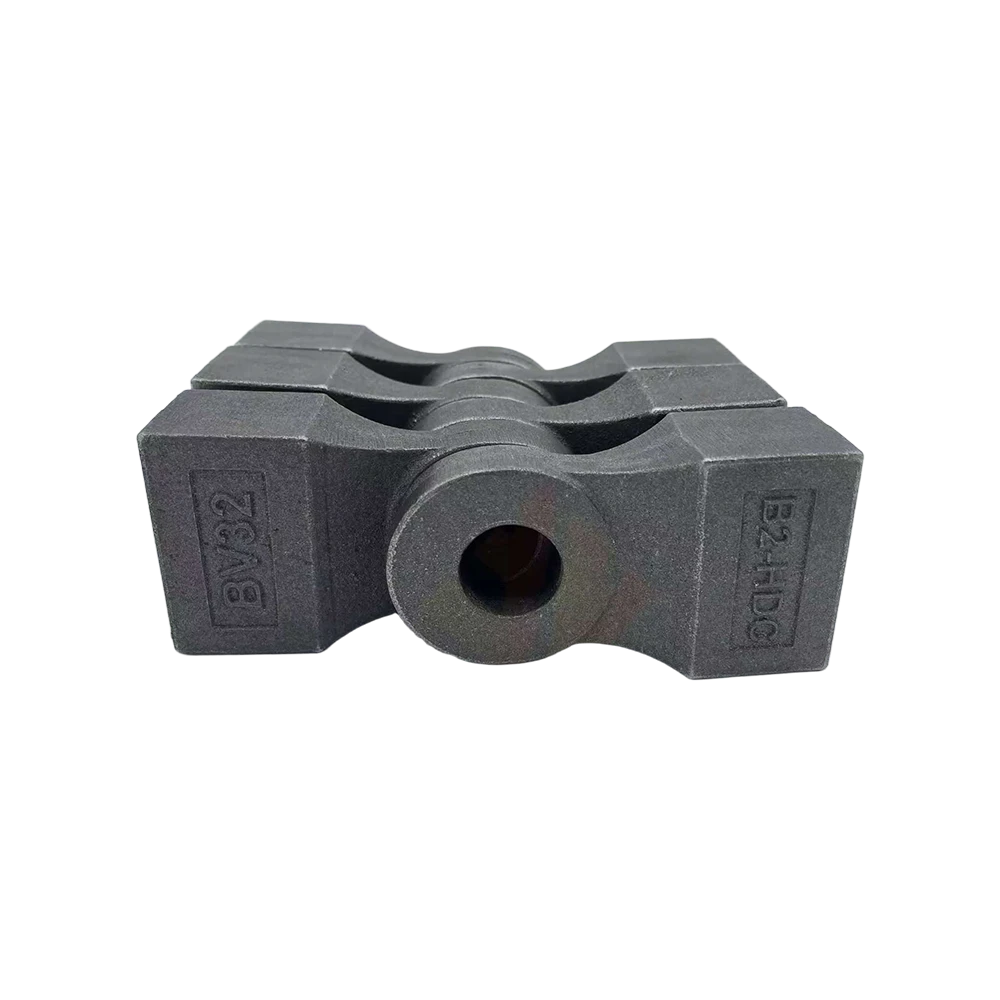
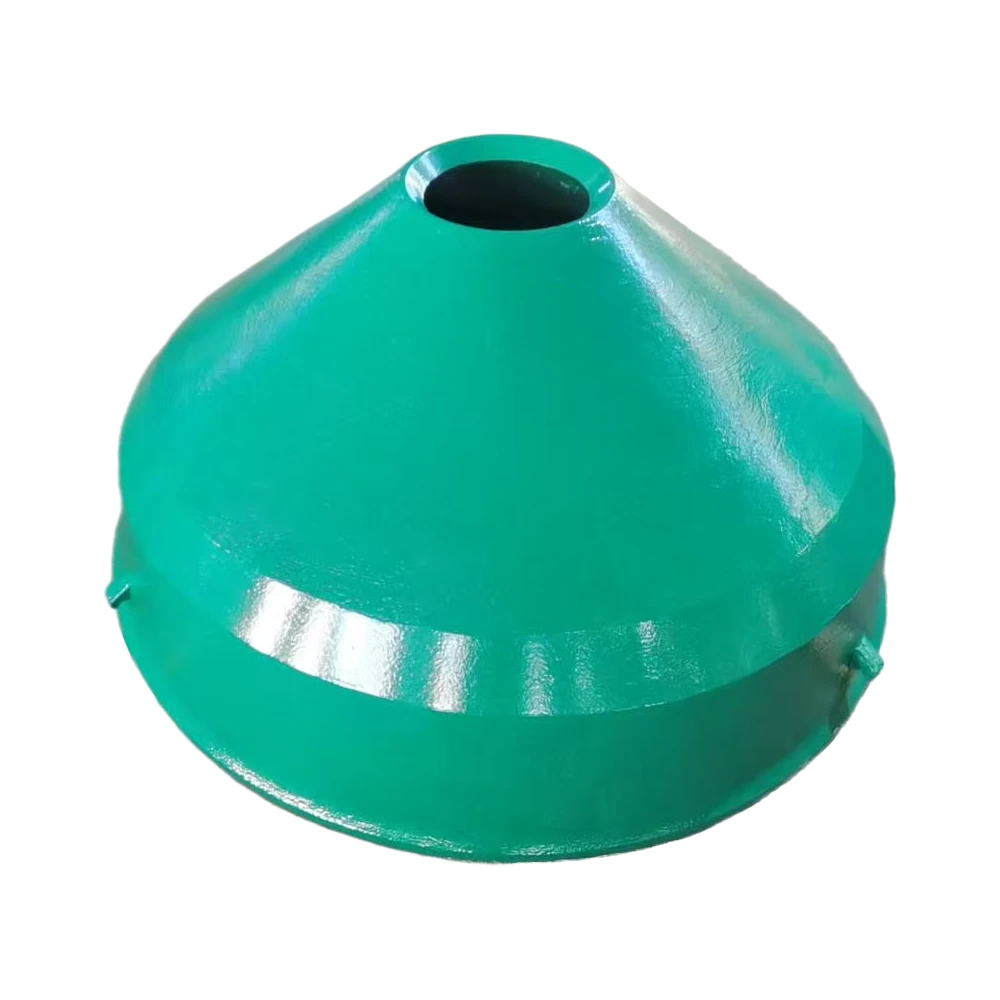
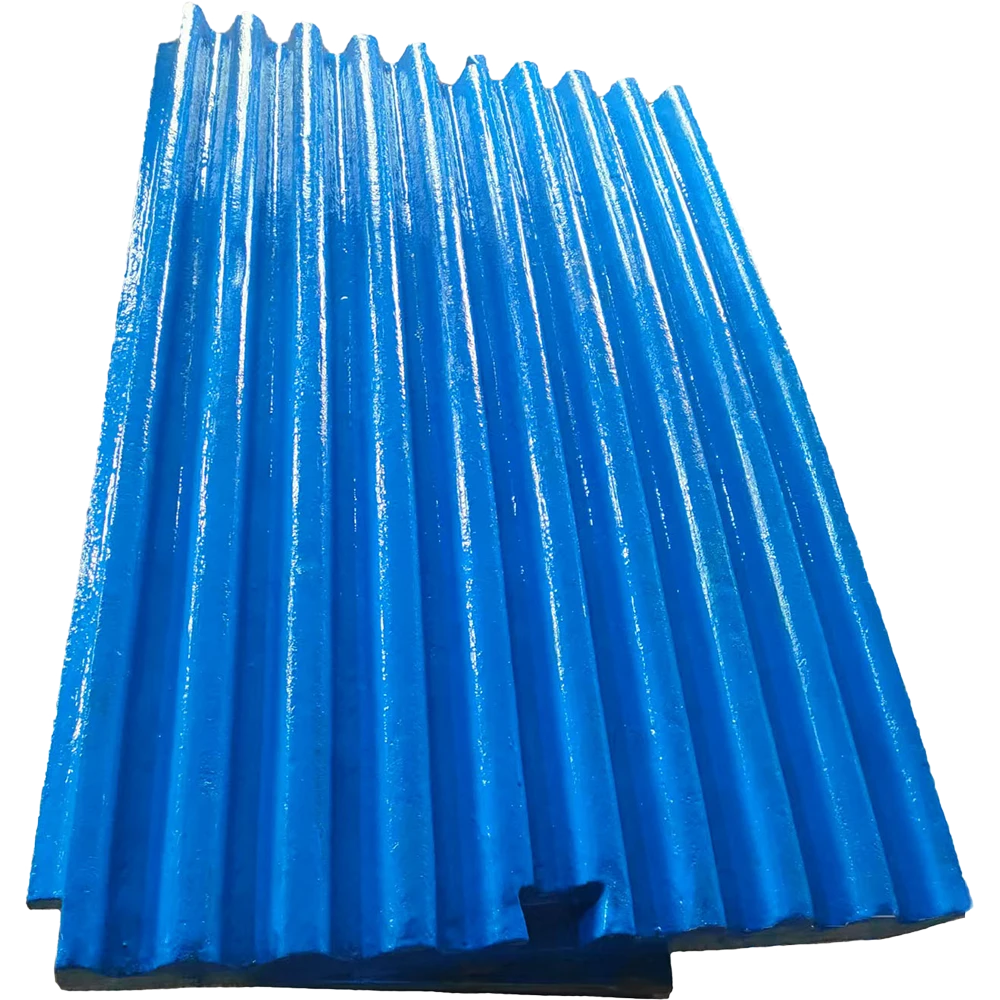
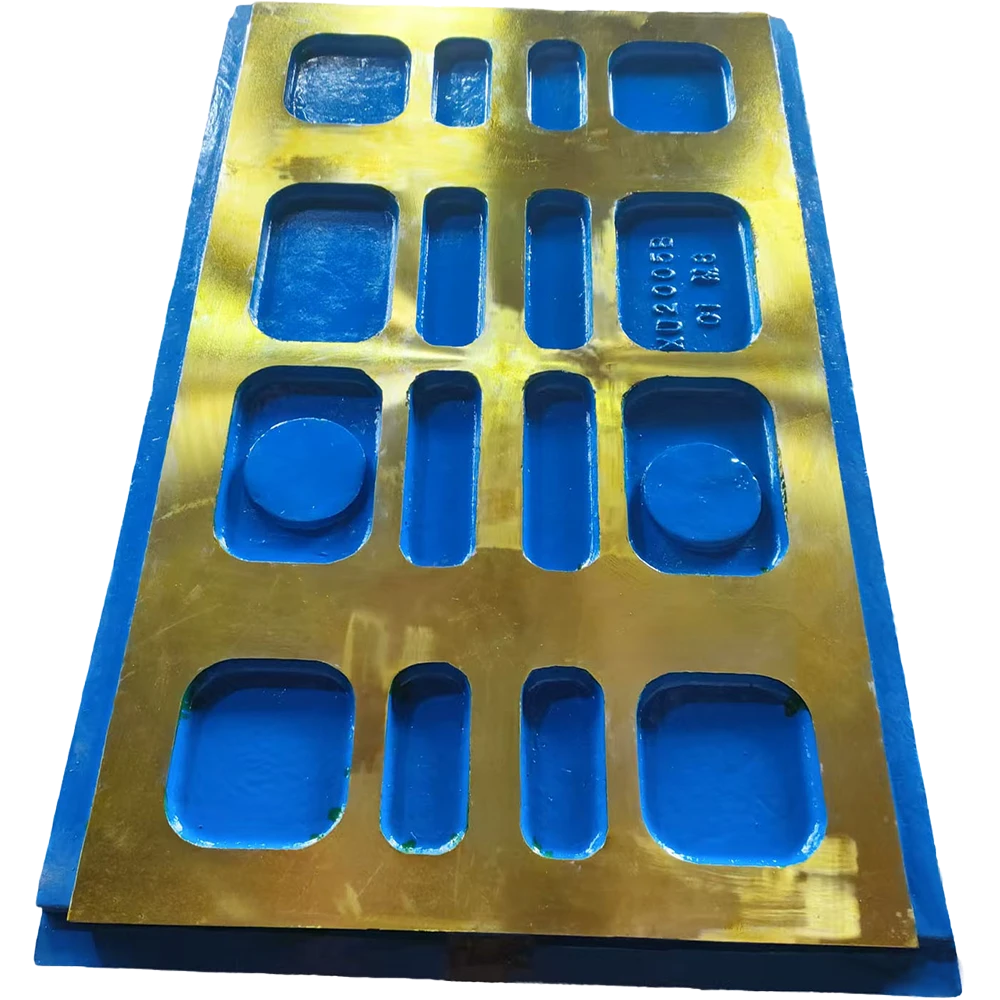
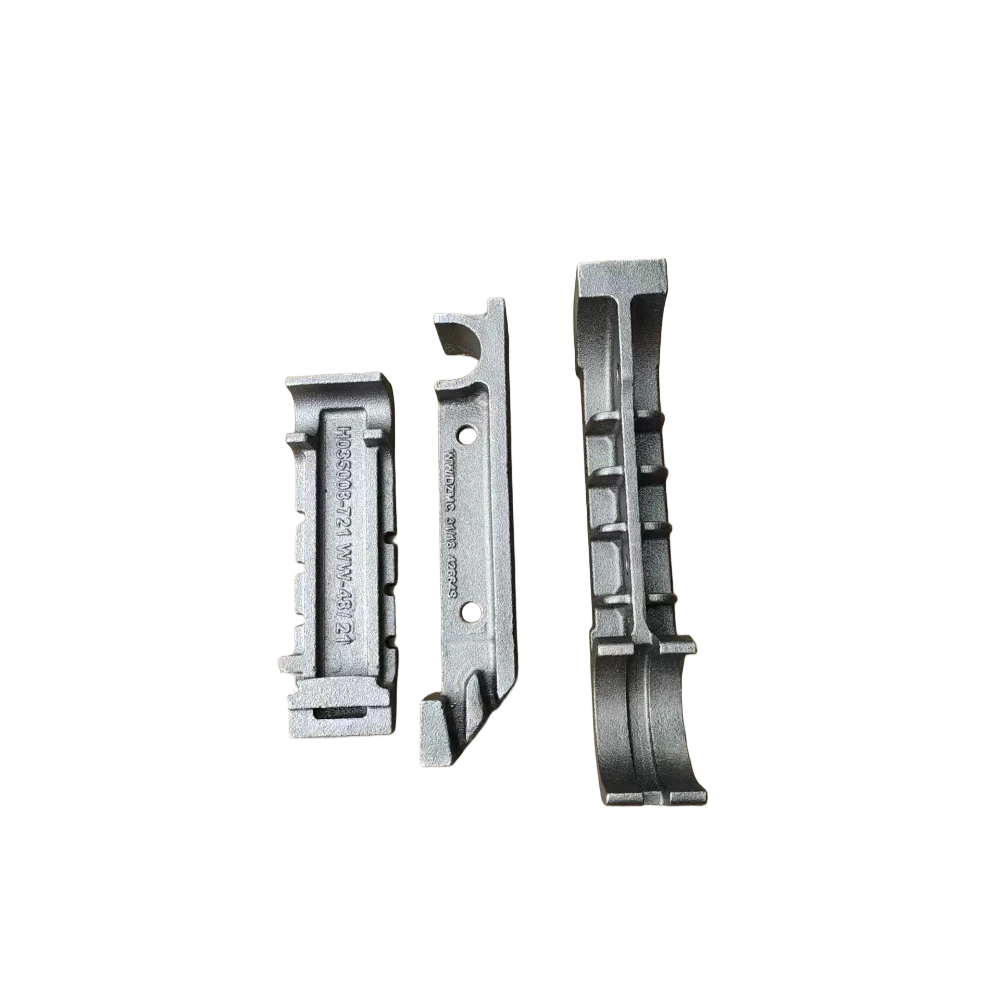
At its core, a “cone crusher liner change” refers to the process of removing and replacing the cone crusher’s internal wear components — usually the mantle and bowl liners. These liners absorb crushing forces and wear constantly as they break down hard rock.
Think of it this way: the liners are the crusher’s armor plating. When they wear thin or crack, the crusher’s efficiency drops and the metal parts underneath are exposed to damage. Changing these liners regularly ensures consistent crushing performance, extends the machine’s life, and maintains product quality.
In industrial terms, this relates directly to operational reliability and worker safety. Plus, in regions where crushed stone aggregates underpin local rebuilding or humanitarian projects — say, post-earthquake road reconstruction — well-maintained crushers are non-negotiable.
Key Factors in Effective Cone Crusher Liner Change
1. Durability of Liner Materials
Materials like manganese steel alloys dominate liner manufacture because of their toughness and ability to harden under impact. But choosing the right grade depends on the rock type and operational settings. Using inferior liners leads to premature wear, driving maintenance costs sky-high.
2. Ease and Safety of Replacement
Fast, safe liner changes reduce downtime and minimize injury risks. Innovations such as hydraulic lifting systems and better tooling procedures have transformed this traditionally risky job into something much more manageable.
3. Cost Efficiency Over Time
While premium liners might cost more upfront, they last longer, reducing frequent replacements and associated labor expenses. Operators must balance initial investment against lifecycle savings.
4. Compatibility With Crusher Models
Different cone crushers require liners with varying sizes, shapes, and mounting systems. Using tailored liners ensures a tight fit, preventing vibrations that cause damage or reduced efficiency.
5. Environmental Impact
Extending liner life means less scrap metal and landfill waste. Sustainable liner production, recycling worn parts, and choosing greener alloys align with global environmental goals.
Where & How Cone Crusher Liner Change Shows Its Worth Globally
Industries ranging from mining and quarrying to infrastructure rely heavily on properly maintained cone crushers. For example:
- Mining in Australia: Massive iron ore operations continuously optimize liner changes to maintain nonstop production for export markets.
- Construction in Southeast Asia: Rapid urbanization demands high volumes of aggregate, making crusher uptime critical.
- Humanitarian Reconstruction: After disasters (like the 2010 Haiti earthquake), portable crushers with efficient liner changes help rebuild roads efficiently and safely.
In northwestern Canada, one operator reported that switching to specialized liner alloys reduced liner wear by 30%, saving weeks of downtime yearly. Likewise, NGOs using modular crushers in remote areas praise faster liner swaps that keep projects moving.
Product Specifications Table
| Specification | Typical Range | Remarks |
|---|---|---|
| Material | High Manganese Steel (Mn 11–14%) | Hardens under impact, common industry choice |
| Liner Weight | 50 – 600 kg per piece | Depends on crusher size |
| Replacement Time | 3 – 12 hours | With hydraulic assistance |
| Service Life | 500 – 1500 operational hours | Varies with rock hardness |
| Common Crushers | Symons, Metso, Sandvik models | Requires model-specific liners |
Comparing Leading Vendors for Cone Crusher Liner Solutions
| Vendor | Material Quality | Customization | After-Sales Support | Global Reach |
|---|---|---|---|---|
| DZMC Casting | Premium high-manganese steel | Full OEM compatibility | 24/7 technical support | Strong in Asia & Africa |
| Metso | Proprietary wear alloys | Wide product range | Comprehensive service packages | Global |
| Sandvik | Innovative composite liners | Tailor-made solutions | Strong training programs | Global |
Advantages and Lasting Value of Proper Liner Change Practices
Honestly, a well-timed cone crusher liner replacement serves more than the machine — it affects a cascade of operational and emotional factors:
- Cost Savings: Reduced wear slows the destruction of costly crusher parts.
- Environmental Friendliness: Extending liner life cuts scrap and waste.
- Safety: Planned, safer liner swaps protect workers.
- Reliability: Stable crusher outputs build customer trust and supplier reputation.
- Social Impact: Less downtime means projects finish on time — crucial in communities relying on infrastructure.
It’s kind of poetic how something as technical as liners can influence human dignity indirectly by powering reliable resources for growing populations.
Emerging Trends in Cone Crusher Liner Change
Looking ahead, several innovations promise to transform how industries handle liners:
- Wear-Resistant Composites: Experimental materials combining metals with ceramics are extending service lives.
- Digital Monitoring: IoT sensors embedded in liners offer real-time wear data, optimizing change scheduling.
- Automation: Robotic assisted liner changes reduce human risk and speed up swaps.
- Sustainability Initiatives: Recycling worn liners and greener alloys are becoming industry standards in Europe and North America.
Challenges and Smart Solutions
Of course, issues remain. Liner changes can still require significant downtime, especially in remote sites lacking equipment. Sometimes, incompatible liners shipped due to unclear specifications cause additional delays. Plus, the physical demands of the job are non-trivial.
Experts suggest:
- Standardizing liner design files to prevent mismatches.
- Training technicians thoroughly with modern equipment.
- Investing in portable hydraulic and lifting tools.
- Leveraging supplier partnerships to streamline delivery and technical support.
It’s a bit like a well-rehearsed dance — everyone and everything has to move in sync.
FAQ: Frequently Asked Questions About Cone Crusher Liner Change
- How often should cone crusher liners be changed?
- Typically, liners should be inspected after every 500–1,500 operational crushing hours, depending on rock hardness and usage. Prompt replacement before severe wear prevents damage to the crusher itself.
- Can cone crusher liner changes be done on-site or require factory service?
- Most liner changes are done on-site using specialized tools and hydraulics. This minimizes downtime and transportation costs. However, complex repairs might need factory attention.
- Are there eco-friendly liner options available?
- Yes. Some manufacturers use recycled steel and environmentally-friendly casting processes, along with designing liners to last longer, reducing resource usage.
- What safety precautions should be taken during liner change?
- Essential practices include using lifting devices, wearing protective gear, isolating machinery power, and following standardized procedures to avoid accidents.
- Where can I find reliable vendors for replacement liners?
- Reputable vendors such as DZMC Casting, Metso, and Sandvik offer OEM and customized liner solutions globally with strong after-sales support.
Conclusion: Why Mastering Cone Crusher Liner Change Is a Game-Changer
In the grand scheme, cone crusher liner change might be a small cog supporting an enormous industrial wheel. Yet, its effective management holds the key to uninterrupted mining, construction, and humanitarian efforts—all foundational for modern civilization.
If you want to reduce costs, increase safety, and contribute to sustainable industrial practices, honing your liner change methods is non-negotiable. Discover more and upgrade your processes today by visiting our website — trust me, your machine and the planet will thank you.
_Sometimes, it’s the behind-the-scenes details that actually make the biggest difference…_
References
-
High Performance oem cast heat resistant steel for Industrial UseNewsApr.16,2026
-
Guide to Selecting High Quality Cast Heat Resistant Steel AlloysNewsApr.09,2026
-
Custom Cast Heat Resistant Steel Solutions for High Temperature ApplicationsNewsApr.07,2026
-
Comprehensive Guide to Wholesale Cast Heat Resistant Steel for Industrial ApplicationsNewsApr.04,2026
-
Comprehensive Guide to High Performance Heat Resistant Metal Product SolutionsNewsMar.31,2026
-
Expert Guidance on Heat Resistant Metal Quotes and Alloy SelectionNewsMar.28,2026