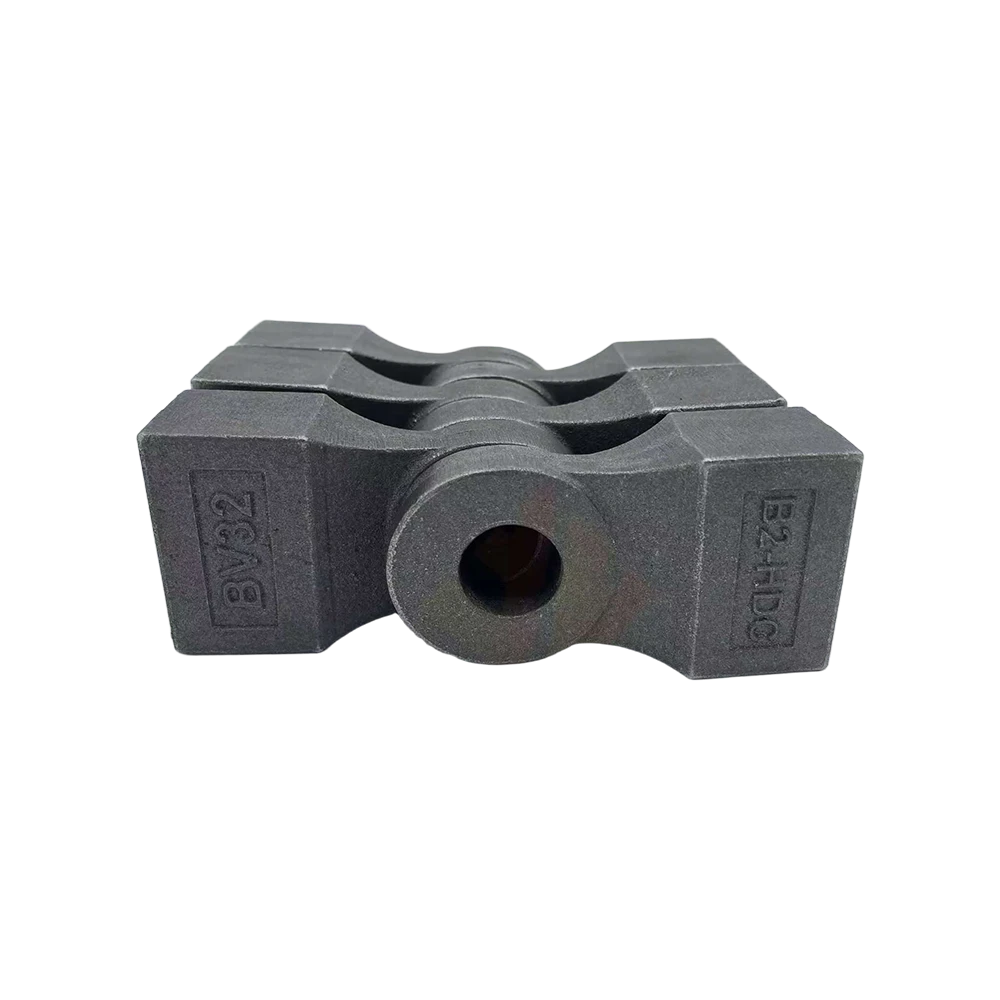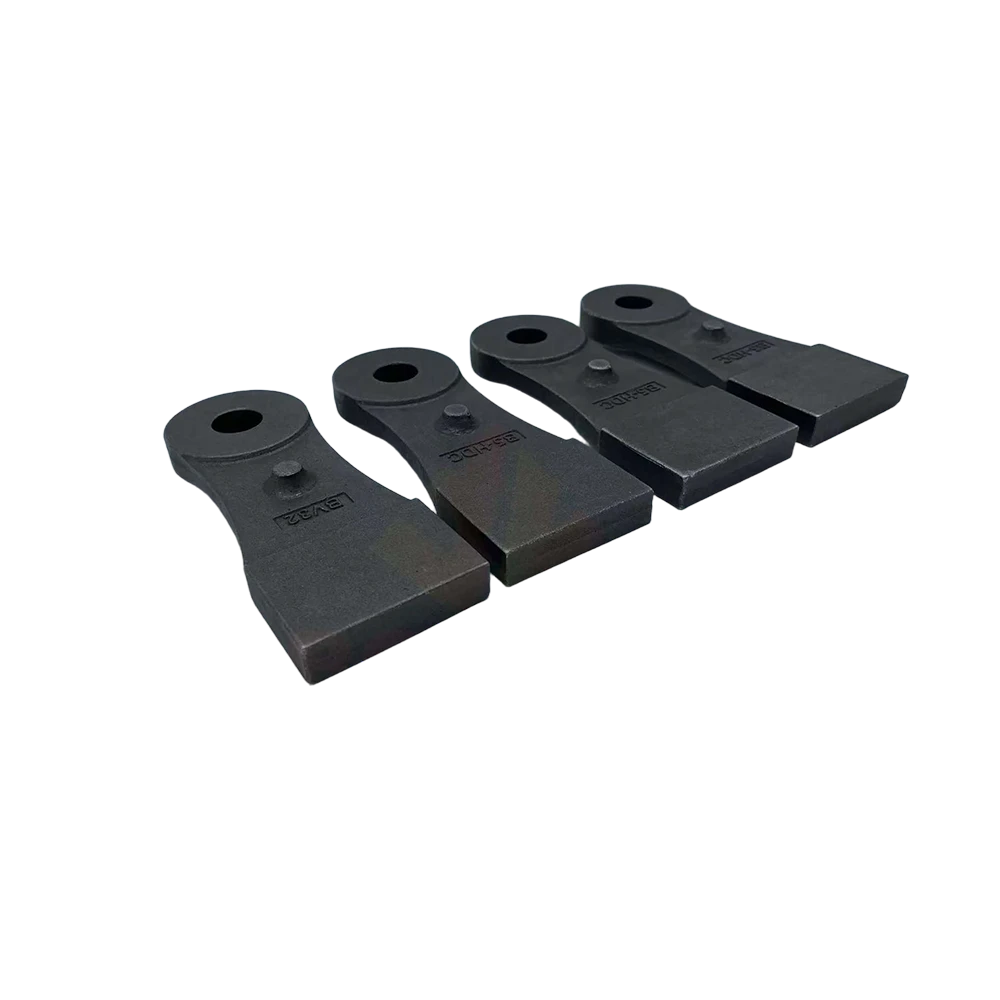
Hammer for Crusher - Wear-Resistant, Long Life, OEM Fit
Crusher Bimetallic Hammer: field notes, specs, and hard truths
If you’re shopping for a Hammer For Crusher, here’s the short version: the industry has moved from single-material heads to bimetallic designs because uptime is king. In limestone, clinker, even recycled concrete with rebar, many customers say they’re seeing noticeably longer service life—sometimes double—without babying the machine. To be honest, I was skeptical the first time a plant manager told me a bimetal insert “paid for itself in two shut-downs,” but that’s now a pretty common refrain.
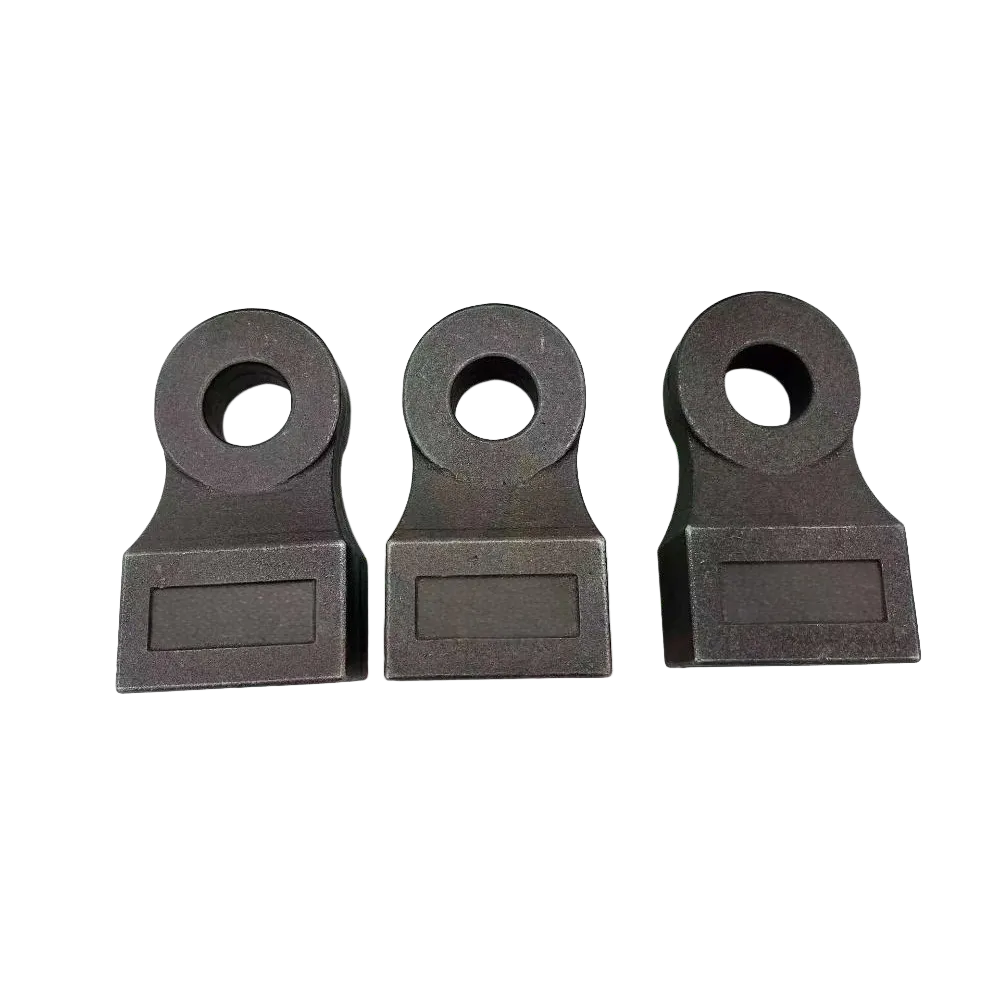
What’s different about bimetal?
The working edge is high-chromium white iron (extreme abrasion resistance), metallurgically bonded to a tough low-alloy steel body (to absorb impact). The idea is simple: hard where it wears, forgiving where it hits. In practice, the bond line and heat-treatment are everything. If those are off, you get chipping. When they’re right, it just works.
Applications
• Primary/secondary impact crushers and hammer mills in cement, aggregates, mining, slag, and C&D recycling.
• Typical materials: limestone, basalt (with caution), clinker, gypsum, iron ore blends, concrete with embedded steel.
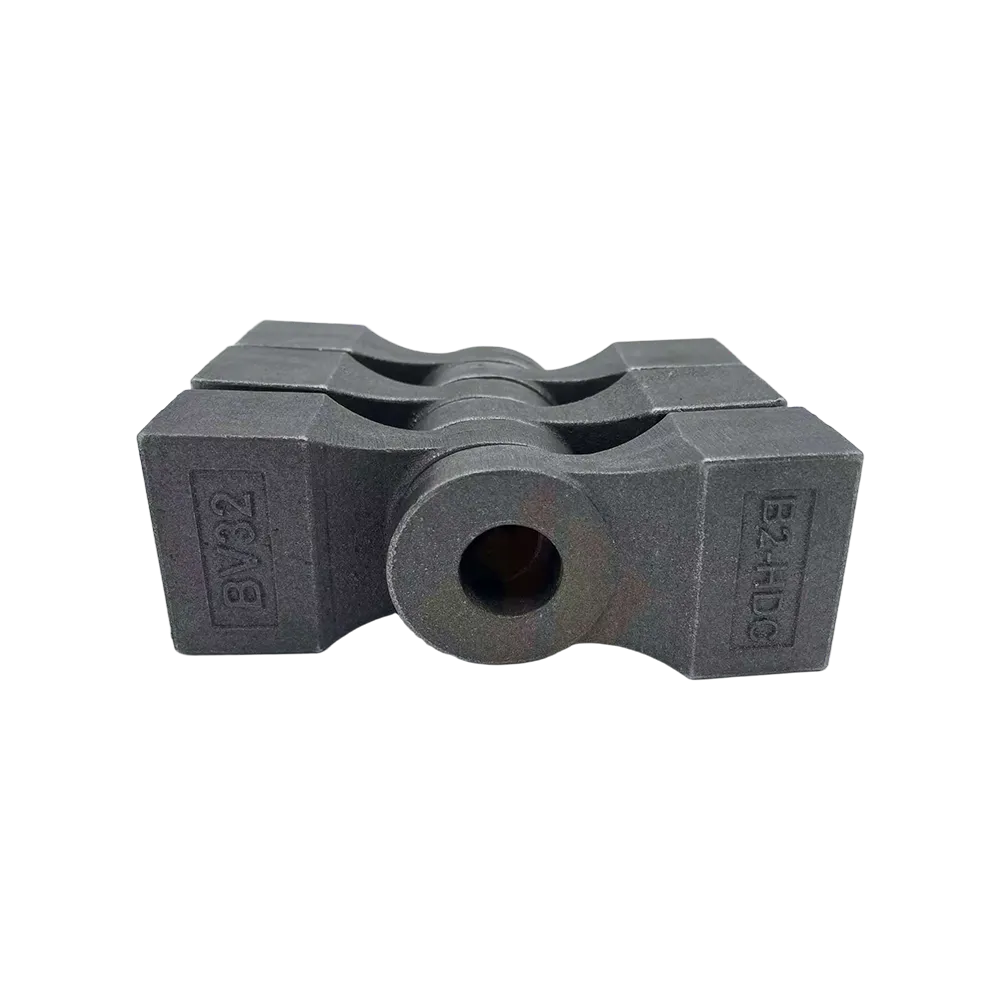
Product snapshot: Crusher Bimetallic Hammer
Origin: NO.1 Industrial Area of Beitian, Baixiang County, Xingtai City, Hebei Province. I visited once—bustling, loud, and surprisingly organized for a foundry running multiple heat treatments in parallel.
| Parameter | Typical Value (real-world may vary) |
|---|---|
| Wear Face Material | High-Cr white iron, ASTM A532 Class III (≈26–28% Cr) |
| Body Material | Low-alloy steel (e.g., 35CrNiMo), tempered |
| Hardness | Face: HRC 58–63; Body: HRC 35–45 (ISO 6508-1 / ASTM E18) |
| Weight Range | ≈ 18–250 kg per piece (custom profiles) |
| Service Life Gain | ≈1.8×–3.0× vs. single-material hammers in limestone |
| Testing | Chemical (ASTM E415), UT/MT (ASTM A609/E709), hardness map, microstructure checks |
Process flow (how it’s built)
• Materials: certified heats; spectrometer-verified before pour.
• Method: composite casting—white iron wear blocks are cast/bonded onto a hot steel body (liquid–liquid or insert casting, depending on size).
• Heat treatment: staged temper; stress-relief to stabilize the bond line.
• Finishing: CNC fit surfaces, hole/alignment checks, mass pairing for rotor balance.
• Testing: hardness mapping each side; UT/MT for defects; sample microstructure etching; traceable heat numbers.
• Service life: around 2–6 months in cement limestone lines; very abrasive feeds shorten that, but impact damage is notably reduced.
Real-world use and feedback
Case 1 (cement, Southeast Asia): secondary impactor on limestone, rotor Ø1200. Wear rate dropped ≈42%, shutdowns fell from every 3 weeks to every 5–6. Operators noted fewer edge chips.
Case 2 (recycling, EU): mixed C&D with rebar. Yes, still ugly material. The tough body avoided catastrophic fractures; average life +75% versus Mn-only tools. “We stopped babysitting the feed as much,” the supervisor told me, half-joking.
Vendor snapshot (what buyers compare)
| Vendor | Metallurgy | Lead Time | Docs/Certs | Notes |
|---|---|---|---|---|
| DZMCC (Hebei) | High-Cr + low-alloy steel, tight bond control | ≈ 3–5 weeks | ISO 9001; full test pack | Good balance between price and consistency |
| Local Foundry A | Varies by batch | Fast (1–2 weeks) | Basic COC | Great for emergencies; QC can fluctuate |
| Global Brand B | Premium alloys | 6–10 weeks | Extensive | Top-tier performance; pricing reflects it |
Customization (don’t skip this)
• Profiles for OEM rotors (slot, T, dovetail) and hole patterns; engraved part codes.
• Edge geometry: straight, scalloped, or stepped for different feed behaviors.
• Optional hardfacing on trailing edges (case-by-case; not always needed).
• Kitting and balanced sets to minimize on-site shuffle time.
Buying notes
If your feed is mostly abrasive fines, prioritize HRC at the face and carbide size control. If you’re fighting big tramp and impact, prioritize body toughness and NDT records. And yes, request a hardness map—surprisingly, that’s where differences between a “cheap” Hammer For Crusher and a good one show up first.
References:
-
High Performance oem cast heat resistant steel for Industrial UseNewsApr.16,2026
-
Guide to Selecting High Quality Cast Heat Resistant Steel AlloysNewsApr.09,2026
-
Custom Cast Heat Resistant Steel Solutions for High Temperature ApplicationsNewsApr.07,2026
-
Comprehensive Guide to Wholesale Cast Heat Resistant Steel for Industrial ApplicationsNewsApr.04,2026
-
Comprehensive Guide to High Performance Heat Resistant Metal Product SolutionsNewsMar.31,2026
-
Expert Guidance on Heat Resistant Metal Quotes and Alloy SelectionNewsMar.28,2026