The Strategic Importance of Crusher Liner Plates in Mineral Processing Operations
In the complex ecosystem of mineral processing and aggregate production, crusher liner plates serve as the critical interface between crushing machinery and the raw materials they process. These specialized components do far more than simply protect crusher surfaces—they fundamentally influence crushing efficiency, energy consumption, and final product quality. The selection, maintenance, and optimization of liner plates represent a strategic decision point for operations seeking to maximize productivity while minimizing operational costs.
The Functional Dynamics of Crusher Liner Plates
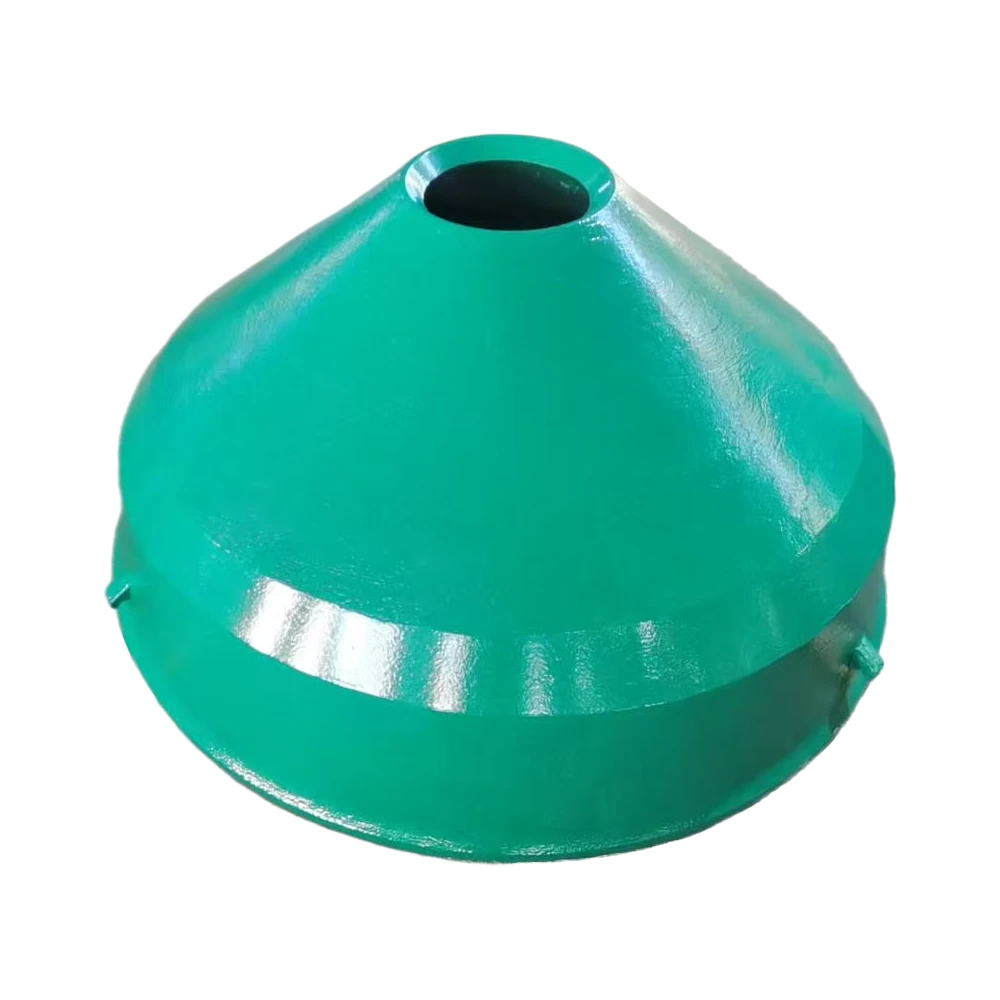
Crusher liner plates operate within an environment of extreme mechanical stress and abrasive wear. Their primary function extends beyond surface protection to actively participating in the crushing process. In cone crushers and gyratory crushers, the precise geometry created by mantle and concave liners determines the crushing chamber profile that transforms large feed material into precisely sized aggregate. The gradual wear of these plates directly affects the crusher's performance characteristics throughout the liner's service life.
The interaction between liner plates and processed material follows complex mechanical principles. As feed material enters the crushing chamber, it encounters liner surfaces that guide it through a carefully engineered path of compressive forces. The liner profile controls the material's residence time in the crushing zone, the number of compressive events it experiences, and ultimately the particle size distribution of the output. This makes liner plate selection as much a process design decision as it is a maintenance consideration.
Metallurgical Innovations in Crusher Liner Plates Composition
Modern liner plate technology has evolved beyond simple hardened steel surfaces. Advanced metallurgical formulations now incorporate micro-alloying elements that create self-hardening properties during operation. These materials develop increasingly wear-resistant surfaces through work hardening while maintaining sufficient toughness to withstand impact loading. Some operations now employ composite liners that combine different materials in strategic locations—ultra-hard alloys in high-wear zones transitioning to more ductile materials in areas requiring impact absorption.
Heat treatment processes have become increasingly sophisticated, with some manufacturers employing cryogenic treatments to enhance material properties. These ultra-low temperature processes help stabilize the metallic microstructure, reducing residual stresses and improving wear resistance. Other technological advancements include the development of gradient materials that gradually change composition from the wearing surface to the backing plate, optimizing both surface hardness and structural integrity.
Crusher Liner Plate’s Design Optimization Through Advanced Engineering
Contemporary liner plate design benefits tremendously from computational modeling techniques. Finite element analysis allows engineers to simulate stress distribution patterns under various loading conditions, leading to optimized profiles that distribute wear more evenly across the liner surface. Computational fluid dynamics helps understand how material flows through the crushing chamber, informing liner designs that improve material trajectory and reduce recirculation.
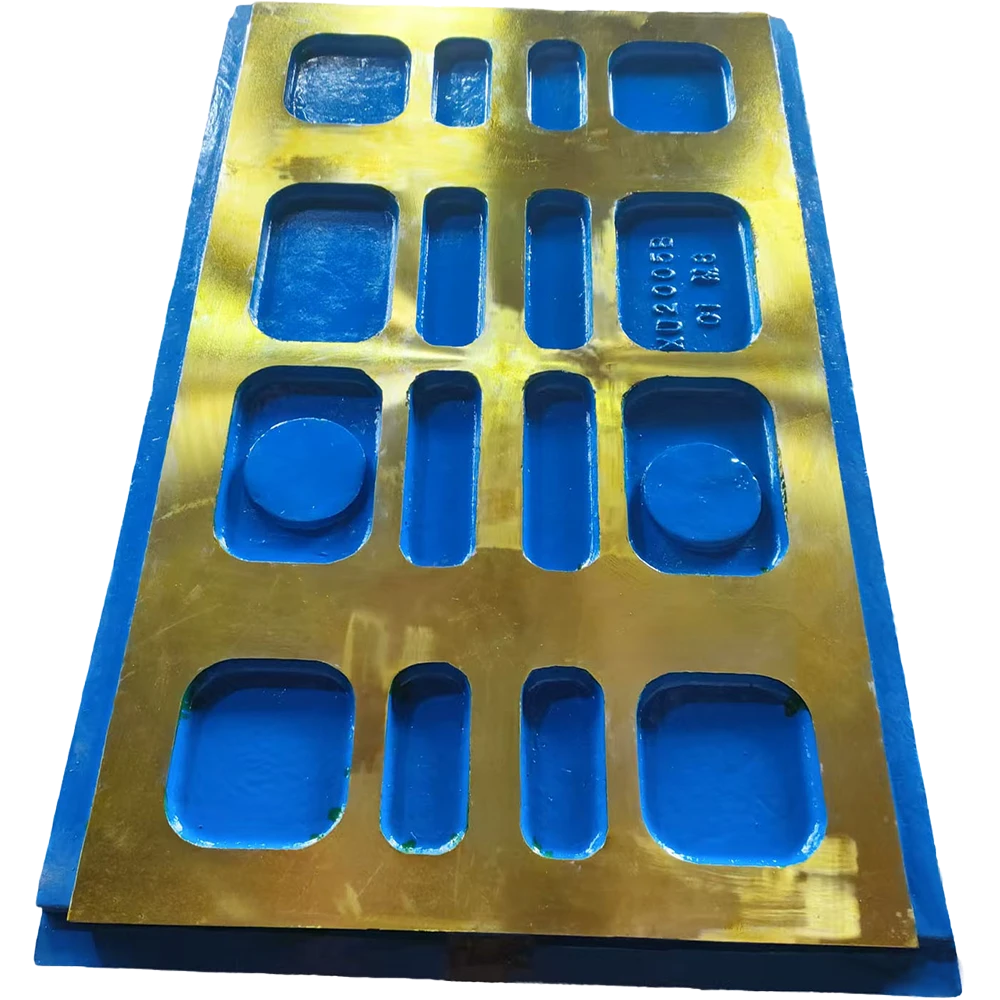
Some manufacturers now offer liner systems with adjustable profiles that can be modified to suit changing feed characteristics or product requirements. These adaptive designs often feature segmented constructions that allow replacement of only the highest wear components, extending overall service life. The geometry of lifting bars and feed lips has become increasingly sophisticated, with designs that promote better material intake while minimizing wear-inducing turbulence.
The Critical Relationship Between Crusher Liner Plates and Process Efficiency
Well-designed liner plates contribute to process efficiency in multiple dimensions. Properly profiled liners maintain consistent crushing chamber geometry throughout their service life, ensuring stable product gradation. They promote optimal material flow patterns that reduce energy waste from unnecessary material recirculation. Advanced liner surfaces can actually improve crushing efficiency by creating beneficial material-on-material crushing conditions that reduce direct liner wear.
The influence of liner condition extends to downstream processes as well. Consistent product sizing from properly maintained crushers reduces screening load and improves classification efficiency. In mineral processing applications, optimal liner performance can enhance liberation characteristics by creating cleaner fractures along mineral grain boundaries. This becomes particularly valuable in operations where subsequent separation processes depend on precise particle size distribution.
Economic Considerations in Crusher Liner Plates Management
The economics of liner plate selection involve complex trade-offs between initial cost, service life, and operational impact. While premium liner materials command higher purchase prices, their extended service life and improved crushing efficiency often yield lower total cost per ton processed. Some operations find value in maintaining inventory of different liner profiles to accommodate varying feed materials or product requirements.
Forward-thinking operations analyze liner performance not in isolation, but as part of a system-wide optimization strategy. The influence of liner selection on energy consumption, maintenance labor requirements, and product quality all factor into comprehensive cost-benefit analyses. This systems perspective often reveals opportunities for significant operational improvements through strategic liner management.
Emerging Technologies in Crusher Liner Plates Development
The frontier of liner plate technology continues to advance with several promising developments. Smart liners with embedded sensors are beginning to appear, providing real-time data on wear patterns and mechanical stresses. These connected components enable condition-based maintenance with unprecedented precision. Advanced surface engineering techniques, including laser cladding and thermal spraying, allow for localized enhancement of wear surfaces.
Materials science innovations continue to push boundaries, with nano-structured materials and metal matrix composites showing promise for extreme wear applications. Some researchers are exploring biomimetic surface patterns inspired by natural wear-resistant structures, while others investigate self-healing materials that could mitigate wear progression during operation.
Crusher liner plates represent far more than simple wear components—they are active participants in the crushing process whose design and condition fundamentally influence operational outcomes. The intersection of materials science, mechanical engineering, and process knowledge in modern liner plate technology offers significant opportunities for operations willing to take a strategic approach to their selection and maintenance.
As crushing operations face increasing pressure to improve efficiency, reduce costs, and minimize environmental impact, liner plate technology will continue to evolve. Operations that recognize the strategic value of optimized liner performance and invest accordingly will find themselves with a meaningful competitive advantage in an increasingly demanding industry landscape. The crusher liner plate, often overlooked as a mundane component, in reality serves as a critical leverage point for operational excellence in mineral processing and aggregate production.
-
High Performance oem cast heat resistant steel for Industrial UseNewsApr.16,2026
-
Guide to Selecting High Quality Cast Heat Resistant Steel AlloysNewsApr.09,2026
-
Custom Cast Heat Resistant Steel Solutions for High Temperature ApplicationsNewsApr.07,2026
-
Comprehensive Guide to Wholesale Cast Heat Resistant Steel for Industrial ApplicationsNewsApr.04,2026
-
Comprehensive Guide to High Performance Heat Resistant Metal Product SolutionsNewsMar.31,2026
-
Expert Guidance on Heat Resistant Metal Quotes and Alloy SelectionNewsMar.28,2026