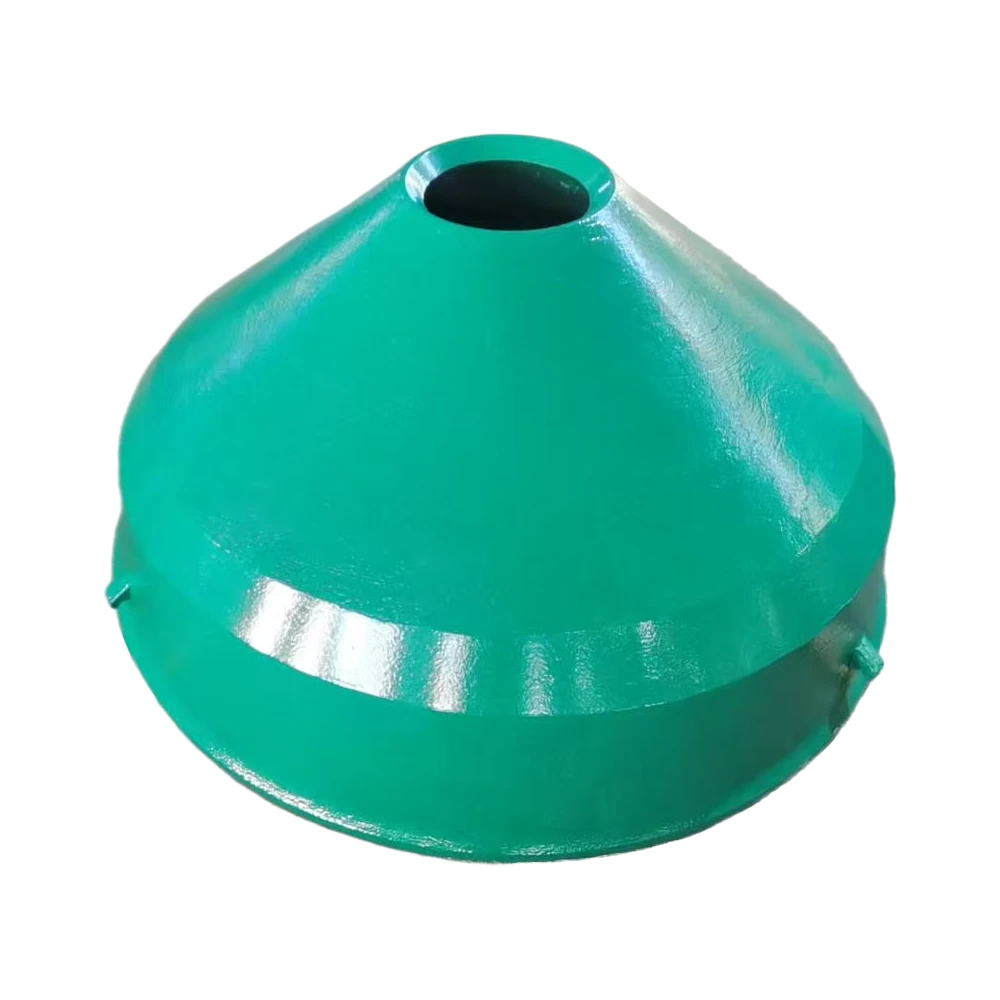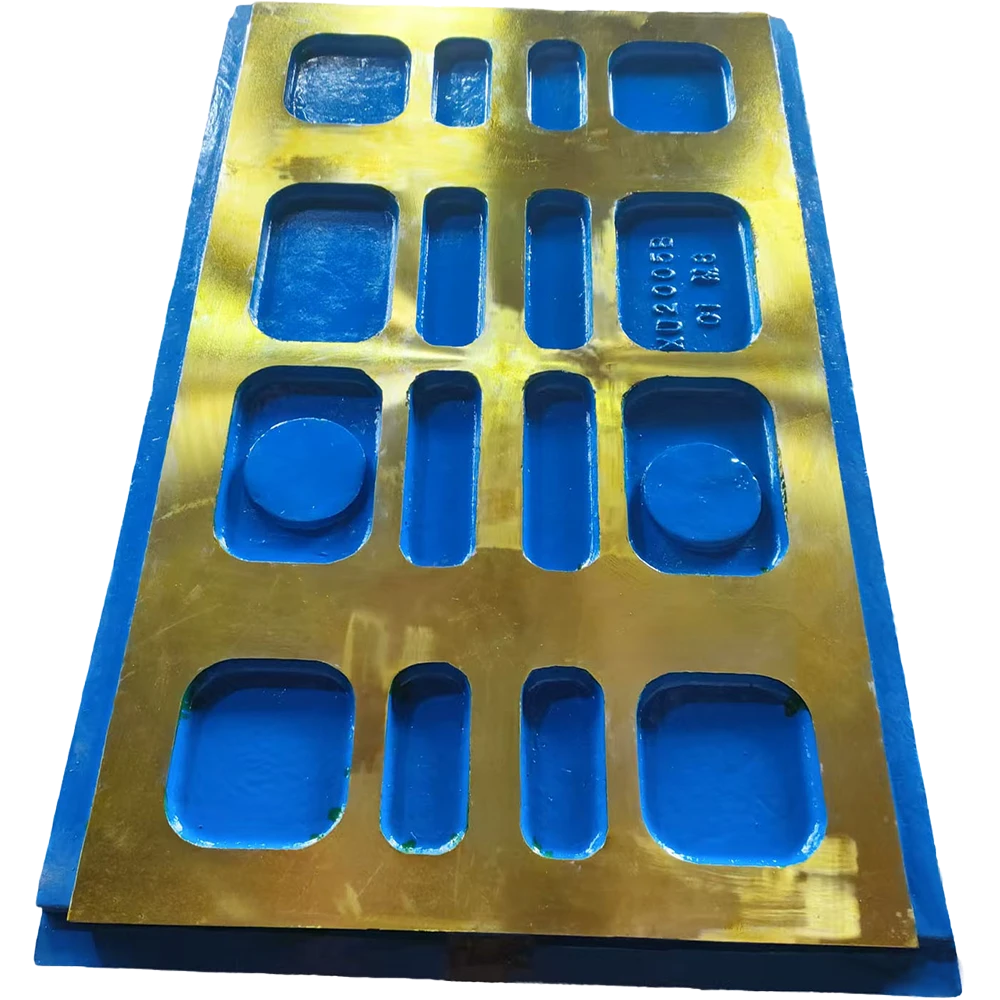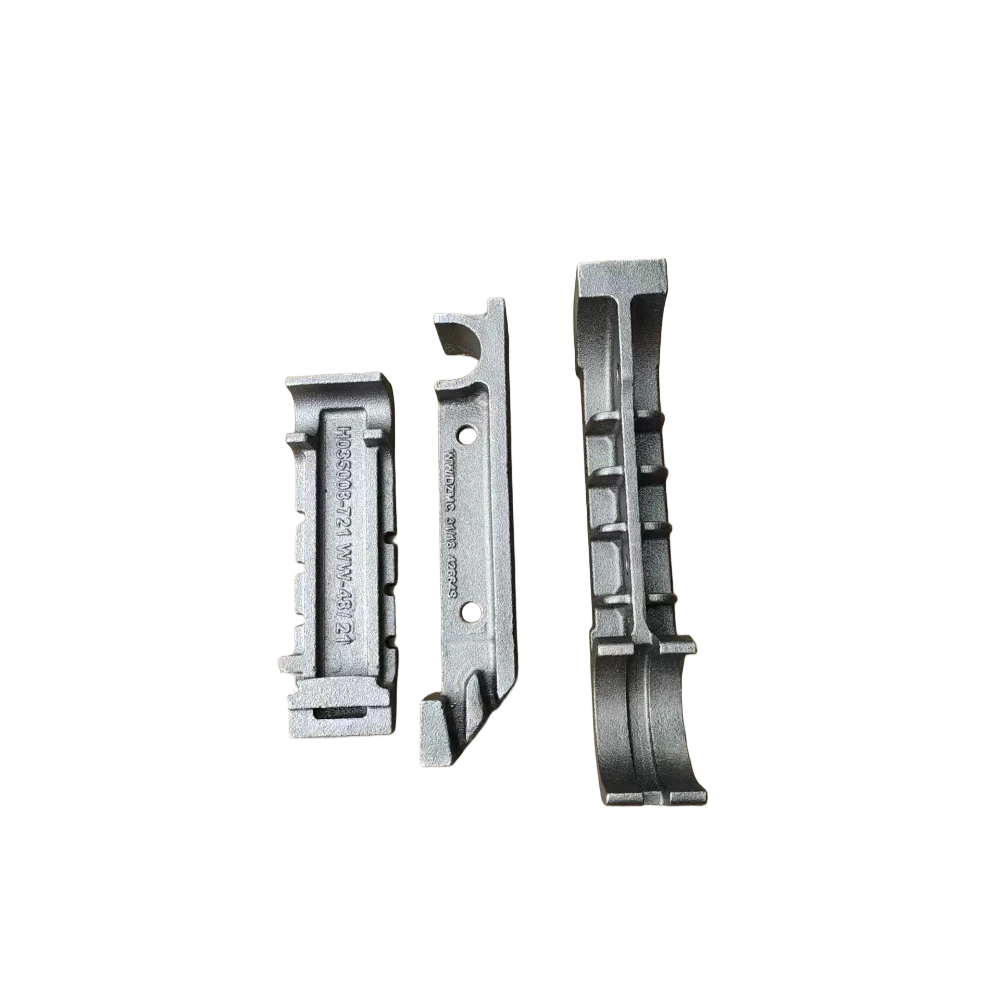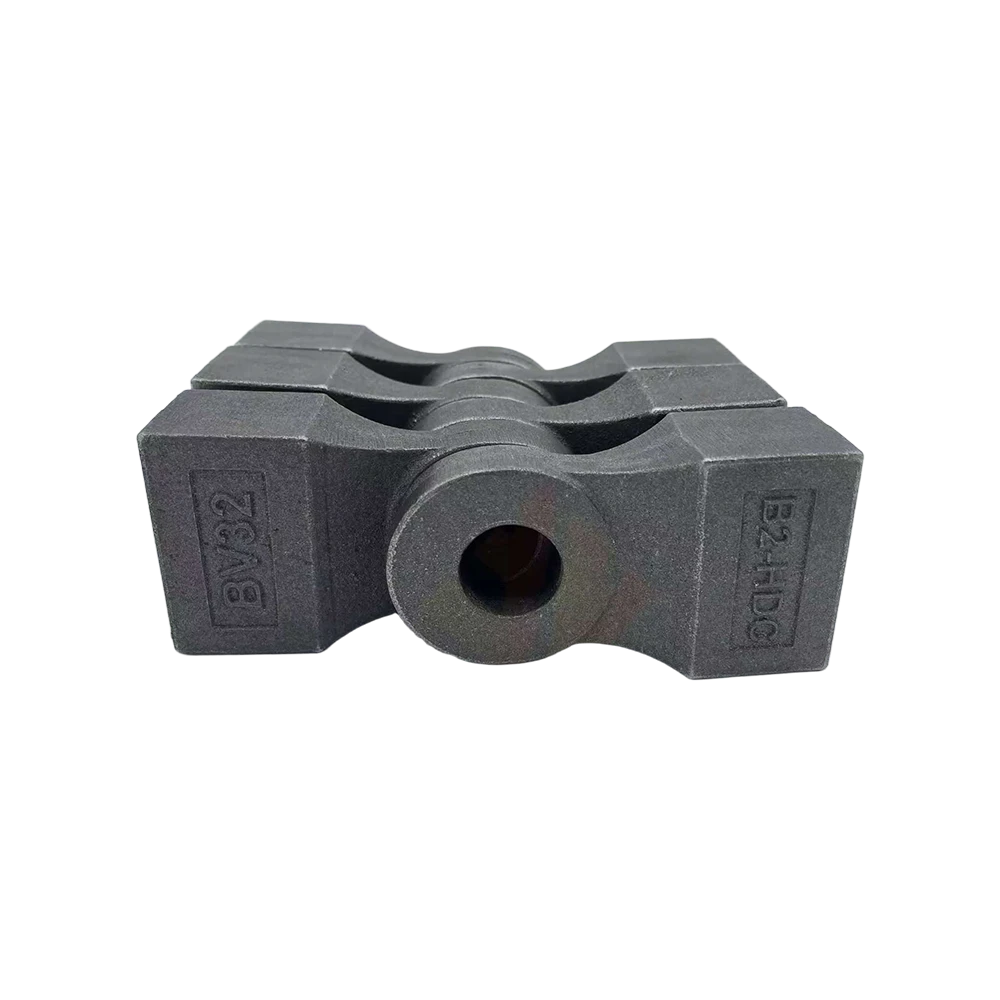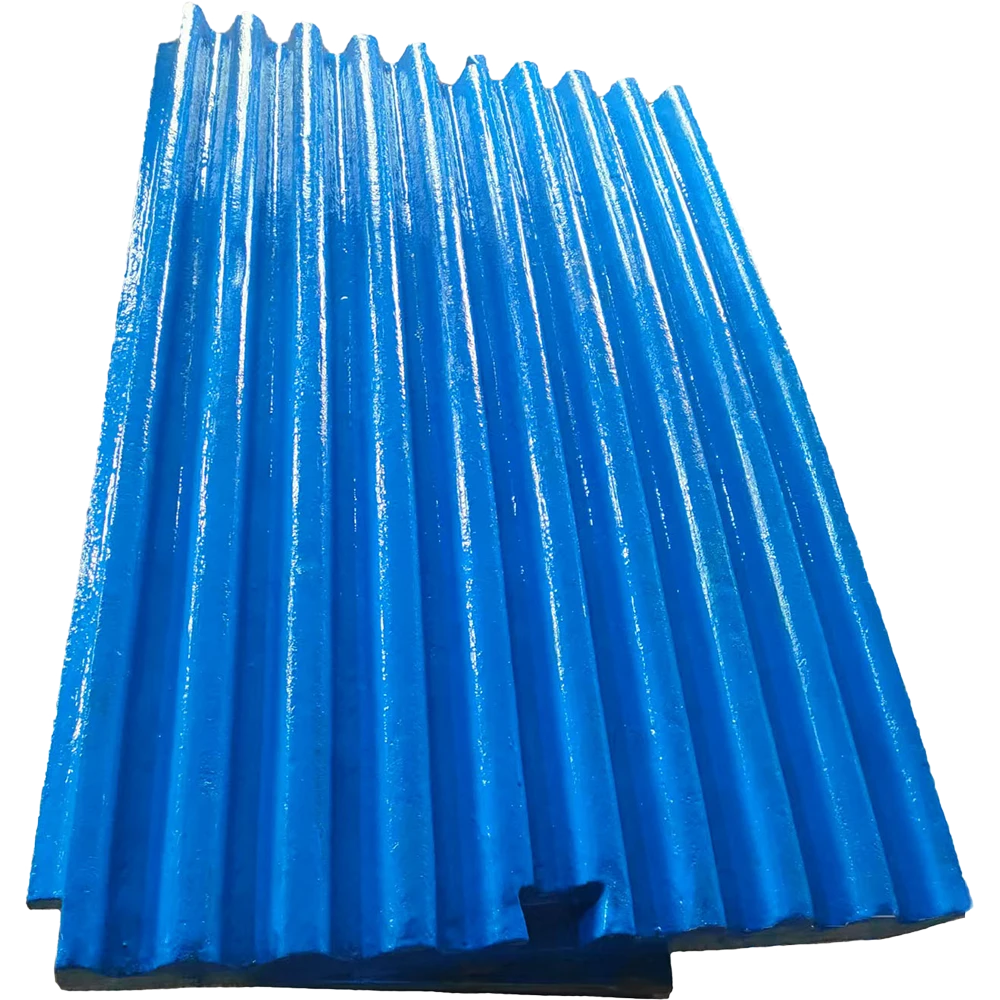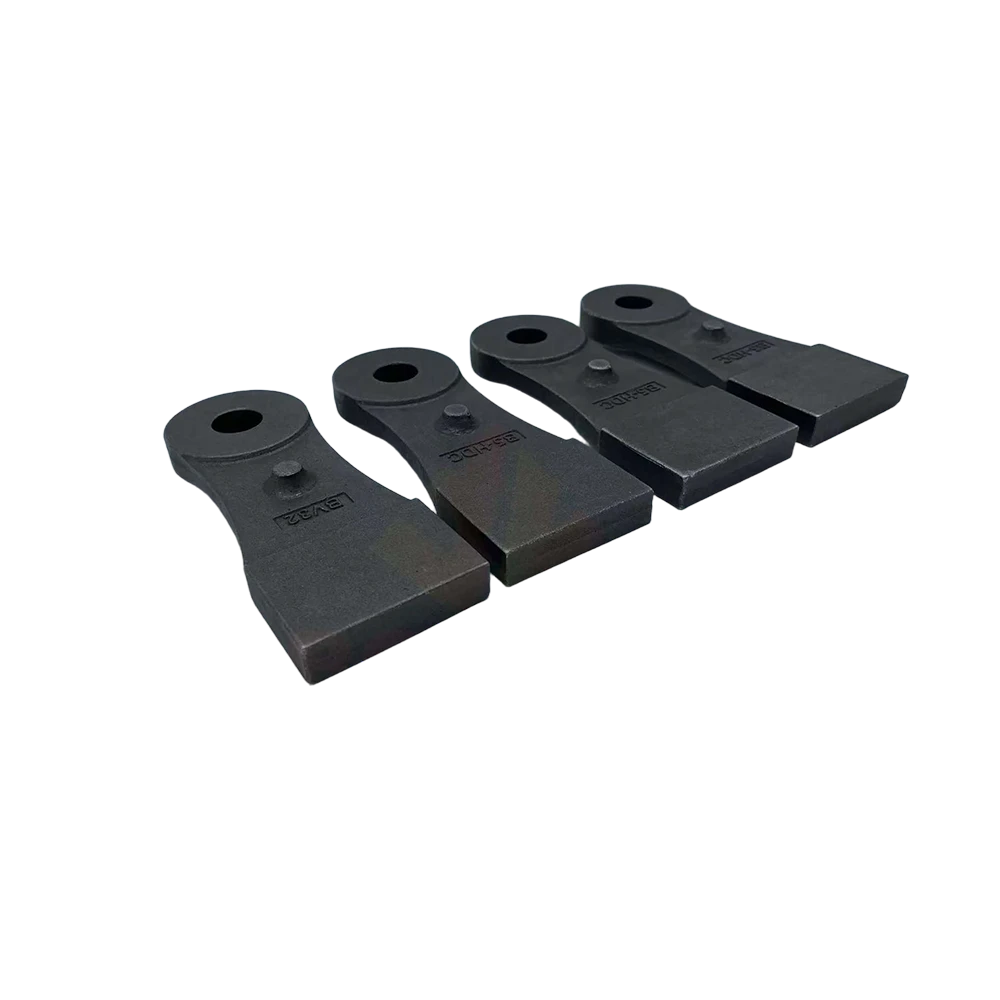
Heat Resistant Metal Manufacturer: The Backbone of High-Temp Industry Solutions
Understanding the Role of a Heat Resistant Metal Manufacturer in Today’s Global Industry
In an increasingly industrialized world, heat resistant metals quietly hold some of the most critical roles behind the scenes. Whether safeguarding jet engines from extreme temperatures or fortifying machinery in heavy manufacturing plants, these specialized metals and the manufacturers who produce them really matter. The global market for heat resistant metals is growing steadily, driven by demands from aerospace, automotive, energy, and defense sectors. But why exactly does understanding what a heat resistant metal manufacturer does bring clear benefits? At a glance: it means appreciating how these metals contribute to safety, efficiency, and innovation in industries we all depend on daily.
Why This Matters Globally
According to ISO standards, and data from the World Bank, industrial output is tied closely to materials that withstand extreme conditions without failure. Heat resistant metal manufacturers supply those critical components, allowing factories to run hotter, vehicles to travel faster, and even space agencies to mission to places with harsh thermal environments. Yet, it is no simple feat to balance cost, performance, and environmental footprint simultaneously.
For those in manufacturing, construction, and supply chain roles—understanding the nuances of these metals and their makers unlocks smarter procurement decisions and better long-term planning.
What Exactly is a Heat Resistant Metal Manufacturer?
In plain terms, a heat resistant metal manufacturer is a company that specializes in producing metals and alloys engineered to maintain structural integrity and function when exposed to high temperatures. These manufacturers often utilize advanced metallurgy, bespoke chemical compositions, and carefully controlled industrial processes to create products that don’t soften, melt, or oxidize prematurely under heat stress.
This specialization connects deeply to many modern industries. For example, energy companies rely on these metals for turbine components, while aerospace firms use them in engine casings. On a more humanitarian note, heat-resistant metals form part of fire safety gear used by emergency responders—helping to preserve human life in truly scorching conditions.
Key Factors When Choosing a Heat Resistant Metal Manufacturer
1. Durability and Performance
At the core, durability under thermal stress is king. The metals must resist deformation, erosion, and oxidation at elevated temperatures. Common alloys include Inconel, stainless steel variants, and titanium alloys, all chosen for how their microstructure changes as heat rises. It’s a big deal because a slight material failure at 1000°C can be catastrophic.
2. Scalability of Production
Some manufacturers can craft tiny precision parts, while others specialize in large-scale casting or forging. Scalability is vital depending on your project—whether you’re producing a handful of aerospace turbine blades or thousands of automotive exhaust components.
3. Cost Efficiency
The ideal manufacturer balances the advanced processes with affordability. It’s not just about metal prices but also energy costs, waste management, and operational efficiency that impact the final cost delivered to the customer.
4. Testing & Quality Assurance
Reliable manufacturers implement rigorous testing protocols—thermal cycling, creep resistance, salt spray tests—to guarantee performance. Knowing your supplier operates to accredited standards (e.g., ASTM, ISO 9001) is reassuring and quite often mandatory.
5. Customization and Technical Support
Not all heat resistant metal applications are the same. A manufacturer should be nimble enough to tweak alloys or processes to your specific needs—and savvy enough to offer design and engineering assistance.
Mini Takeaway: When evaluating heat resistant metal manufacturers, always weigh durability, scalability, cost, testing, and customization. They’re the pillars of a strong partnership.
How Heat Resistant Metals Enhance Industries Worldwide
These metals are everywhere. In Asia, mega steel plants turn out vast quantities of heat resistant parts feeding a global supply chain. Europe leverages decades of R&D leadership to push alloy innovation. North America integrates these metals into cutting-edge aerospace engines and nuclear reactors. Even smaller regions benefit—like South America’s burgeoning oil extraction sites, where downhole tools face brutal heat and corrosion.
Here are some noteworthy use cases:
- Aerospace & Defense: Engine turbine blades made from superalloys endure 1500°C temperatures, enabling aircraft efficiency and safety.
- Energy & Power Generation: Gas turbines and nuclear reactors rely on heat resistant metals to keep power plants online.
- Automotive Industry: Exhaust manifolds and turbocharger components benefit from stainless steel alloys.
- Firefighting & Safety Equipment: Protective gear often embeds these metals to survive heat exposure.
- Manufacturing & Heavy Industry: Machinery operating in extreme heat conditions, such as furnaces or kilns, use these materials extensively.
Mini Takeaway: From skyscrapers to spacecraft, heat resistant metals made by expert manufacturers support vital infrastructure and safety worldwide.
Advantages & Long-Term Value of Partnering with the Right Manufacturer
If your project depends on heat resistant metals, choosing the right manufacturer is more than a buying decision—it’s about trust and future-proofing. Quality metals reduce downtime, lower maintenance costs, and improve safety. Plus, advanced metallurgy enhances sustainability by extending component life, reducing material waste, and supporting greener energy initiatives.
The emotional angle is often overlooked. Knowing that the metals inside a jet engine or a chemical plant reactor were produced with precise care adds a layer of confidence. It’s about human lives, infrastructure resilience, and corporate reputation.
Looking Ahead: Innovations & Trends in Heat Resistant Metals
The sector is not static. For starters, the shift towards green energy technologies demands alloys that perform in hydrogen fuel cells or next-gen nuclear reactors. Simultaneously, digital transformation with AI and machine learning is optimizing manufacturing processes. Automation leads to tighter tolerances and consistency.
Scientists continue exploring ceramic-metal composites and ultra-high temperature alloys that could shift performance ceilings dramatically. If you follow advancements in 3D printing metals, that trend converges here as well, offering customization at previously impossible levels.
Challenges & How the Industry is Tackling Them
Heat resistant metal manufacturing isn’t without hurdles:
- Material costs: Rare elements often escalate prices, prompting research into more economical alternatives.
- Environmental footprint: High energy use in melting and processing poses sustainability questions.
- Technical complexity: Balancing strength and ductility at high temps demands continuous R&D.
Innovative approaches include recycling scrap alloys, smarter alloy design software, and circular economy initiatives. Forward-thinking manufacturers invest in renewable energy supplies for factories too — heat resistant metal manufacturer experts emphasize this trend.
Product Specification Table: Typical Heat Resistant Metal Grades
| Metal/Alloy | Max Operating Temp | Key Features | Typical Use Cases |
|---|---|---|---|
| Inconel 718 | 700°C (approx.) | High strength, oxidation resistant | Aerospace turbines, chemical processing |
| Stainless Steel 310 | 1150°C | Good heat resistance & corrosion resistance | Furnace parts, heat exchangers |
| Titanium Alloy Ti-6Al-4V | 500°C | Lightweight, high strength | Aerospace frames, automotive components |
Vendor Comparison: Choosing Your Heat Resistant Metal Manufacturer
| Manufacturer | Certifications | Production Capabilities | Customization Level | Lead Time | Price Range |
|---|---|---|---|---|---|
| DZM Casting | ISO 9001, AS9100 | Medium-Large scale casting & forging | High; alloy tweaks & heat treatment options | 6-8 weeks | Mid-High |
| MetalTech USA | ISO 14001, ISO 9001 | Small batch, prototype specialist | Medium; focus on rapid prototyping | 3-4 weeks | High |
| Asia Alloy Co. | ISO 9001 | Large-scale volume production | Low; standard alloys only | 10-12 weeks | Low-Mid |
Frequently Asked Questions About Heat Resistant Metal Manufacturers
Q1: What defines a metal as “heat resistant”?
A: Heat resistant metals are those engineered to maintain mechanical strength, resist oxidation, and avoid deformation at elevated temperatures, typically above 500°C. It’s about chemical composition and manufacturing processes tailored to ensure reliability where normal metals would fail.
Q2: How long can heat resistant metal components last in extreme environments?
A: Lifespan varies depending on conditions, but premium heat resistant parts often exceed 10 years of service with regular maintenance. Factors include operating temperature cycles, environment, and load stresses.
Q3: Are these metals recycled or eco-friendly?
A: Increasingly yes. Many manufacturers incorporate recycled metals and optimize production to reduce emissions. However, heat resistant alloys can be complex to recycle fully, so environmental impact depends on industry commitments.
Q4: Can manufacturers customize alloys for unique project needs?
A: Absolutely. Specialist manufacturers, including heat resistant metal manufacturer leaders, offer alloy composition tweaks and heat treatments tailored to client specs.
Q5: How do I choose a heat resistant metal manufacturer for my project?
A: Assess certifications, production capabilities, customization options, lead times, and price. Vendor reputation and technical support also matter hugely.
Conclusion: Why Investing in a Proven Heat Resistant Metal Manufacturer Pays Off
At its heart, partnering with a trusted heat resistant metal manufacturer is about more than just metals — it’s about securing your project’s reliability, safety, and future innovation. As industries push boundaries in aerospace, energy, and manufacturing, the materials layer becomes the quiet backbone supporting all those ambitions.
If you’re exploring this space, I highly recommend visiting DZM Casting to see how a dedicated heat resistant metal manufacturer approaches quality, customization, and sustainability.
Takeaway? The right material + the right maker = a foundation for success you might not see, but definitely feel.
References
-
High Performance oem cast heat resistant steel for Industrial UseNewsApr.16,2026
-
Guide to Selecting High Quality Cast Heat Resistant Steel AlloysNewsApr.09,2026
-
Custom Cast Heat Resistant Steel Solutions for High Temperature ApplicationsNewsApr.07,2026
-
Comprehensive Guide to Wholesale Cast Heat Resistant Steel for Industrial ApplicationsNewsApr.04,2026
-
Comprehensive Guide to High Performance Heat Resistant Metal Product SolutionsNewsMar.31,2026
-
Expert Guidance on Heat Resistant Metal Quotes and Alloy SelectionNewsMar.28,2026