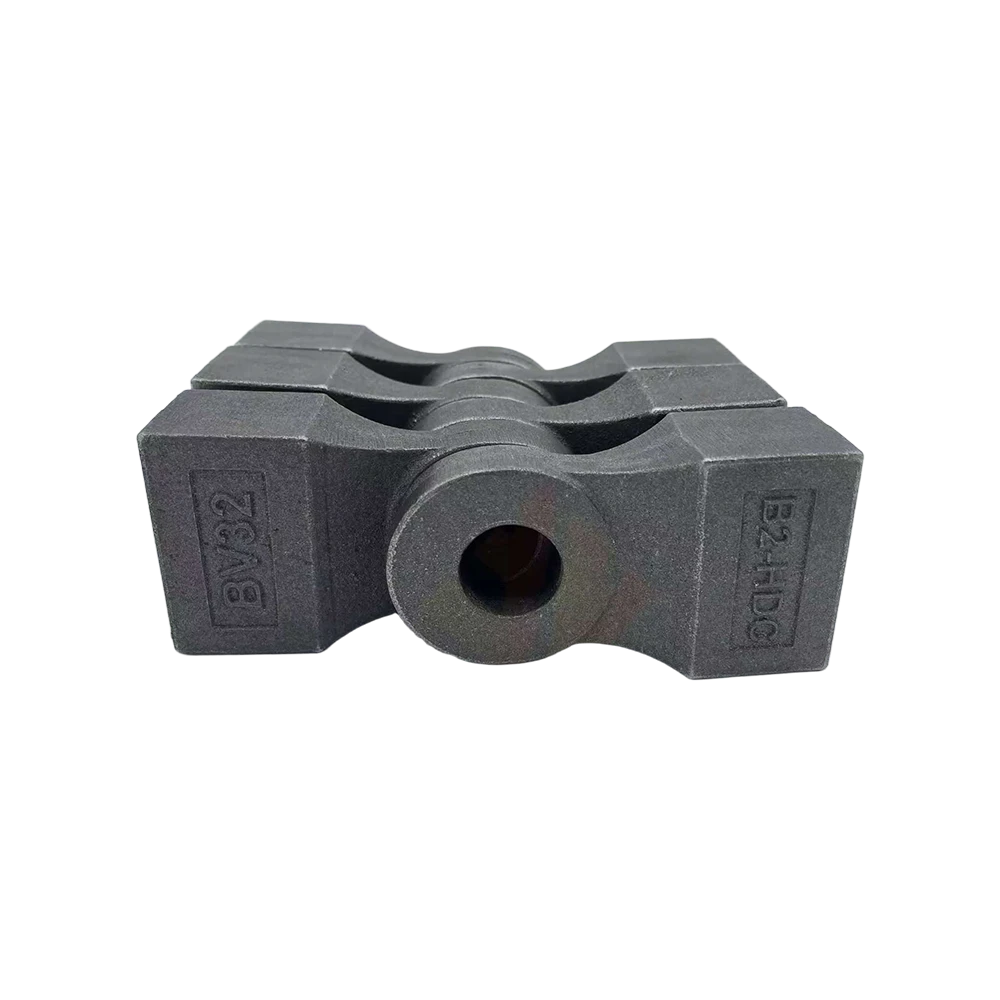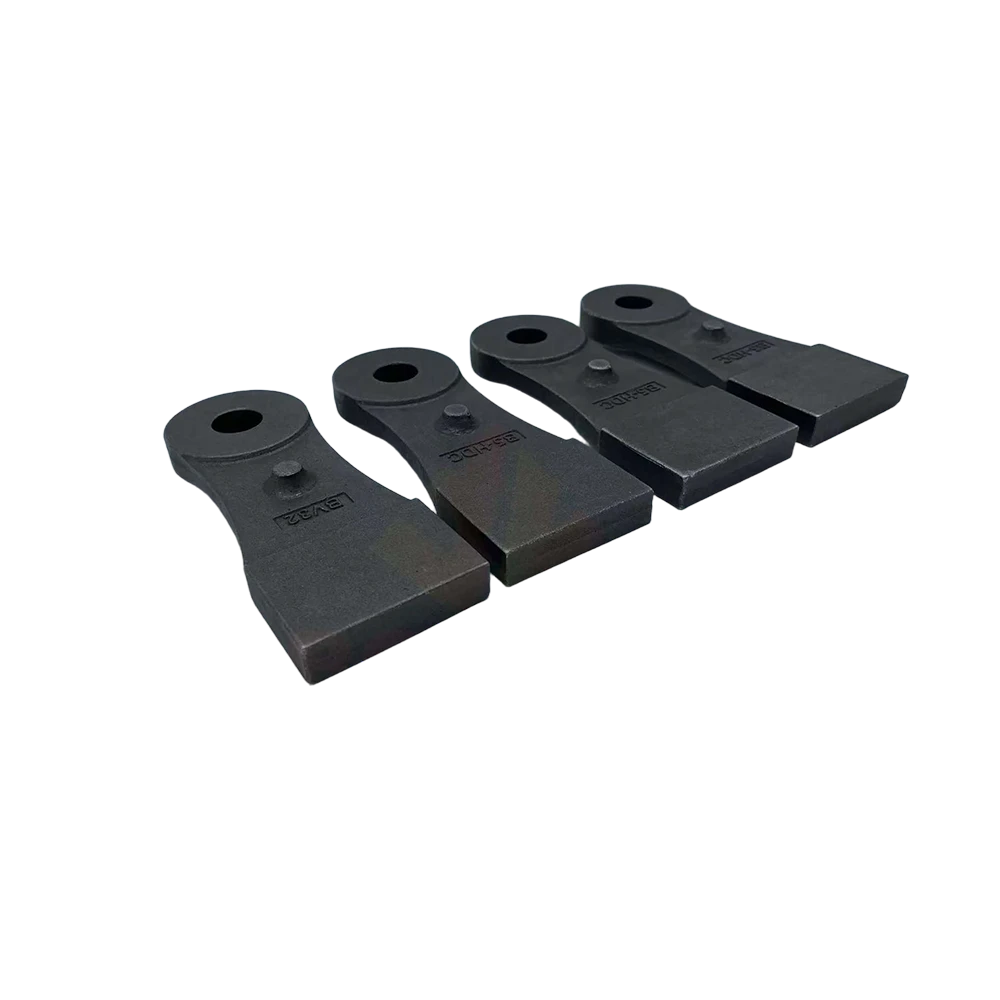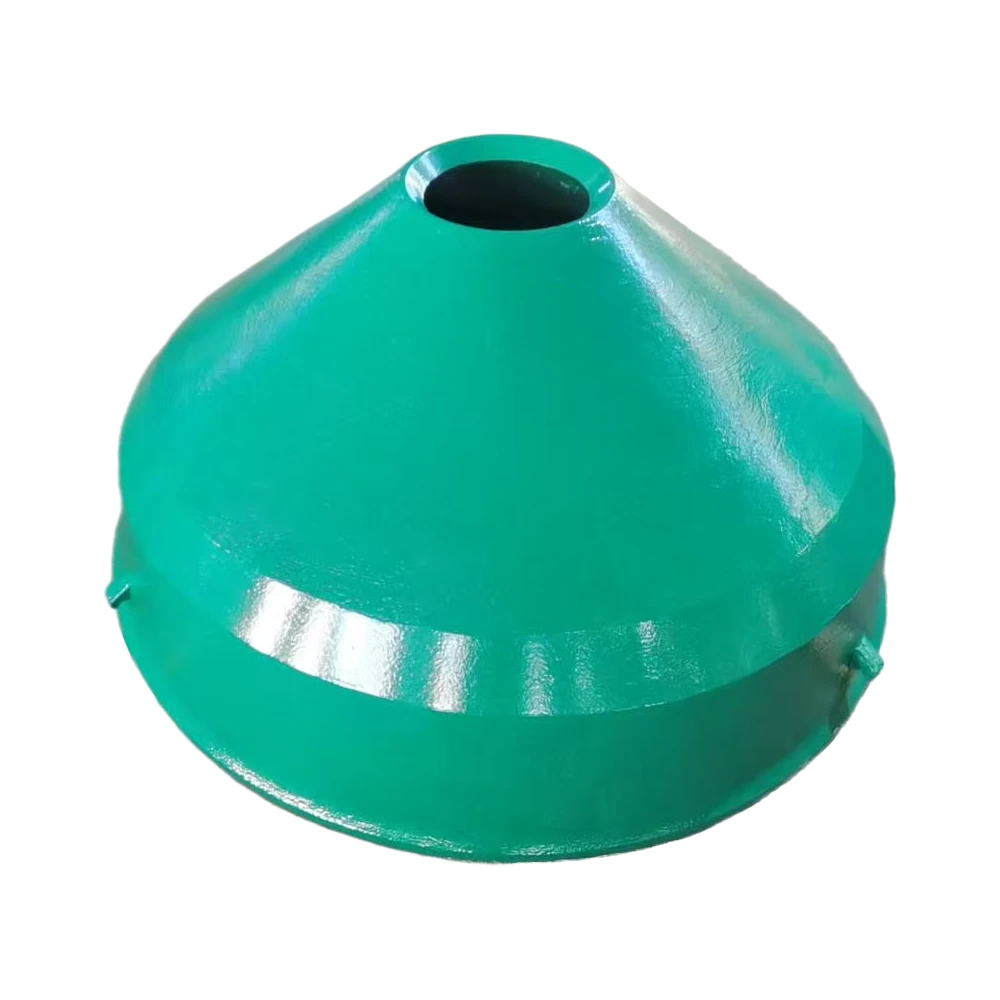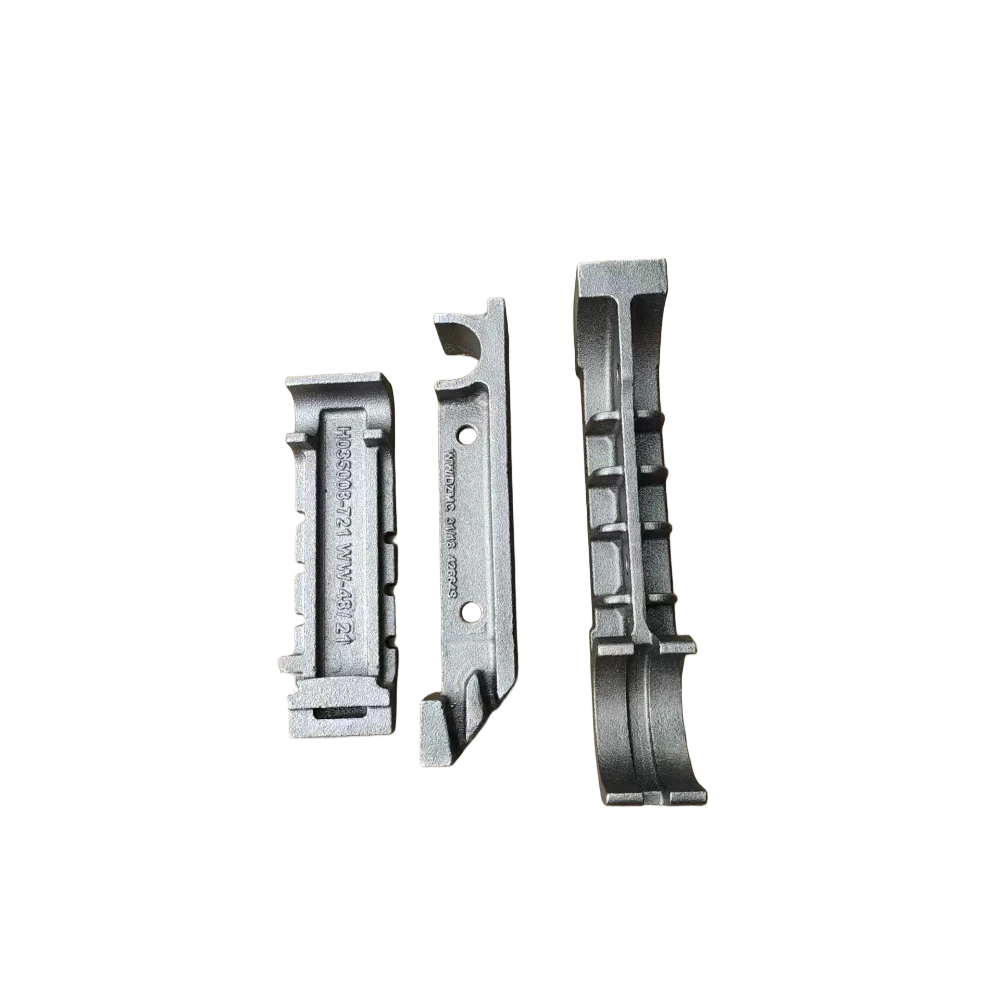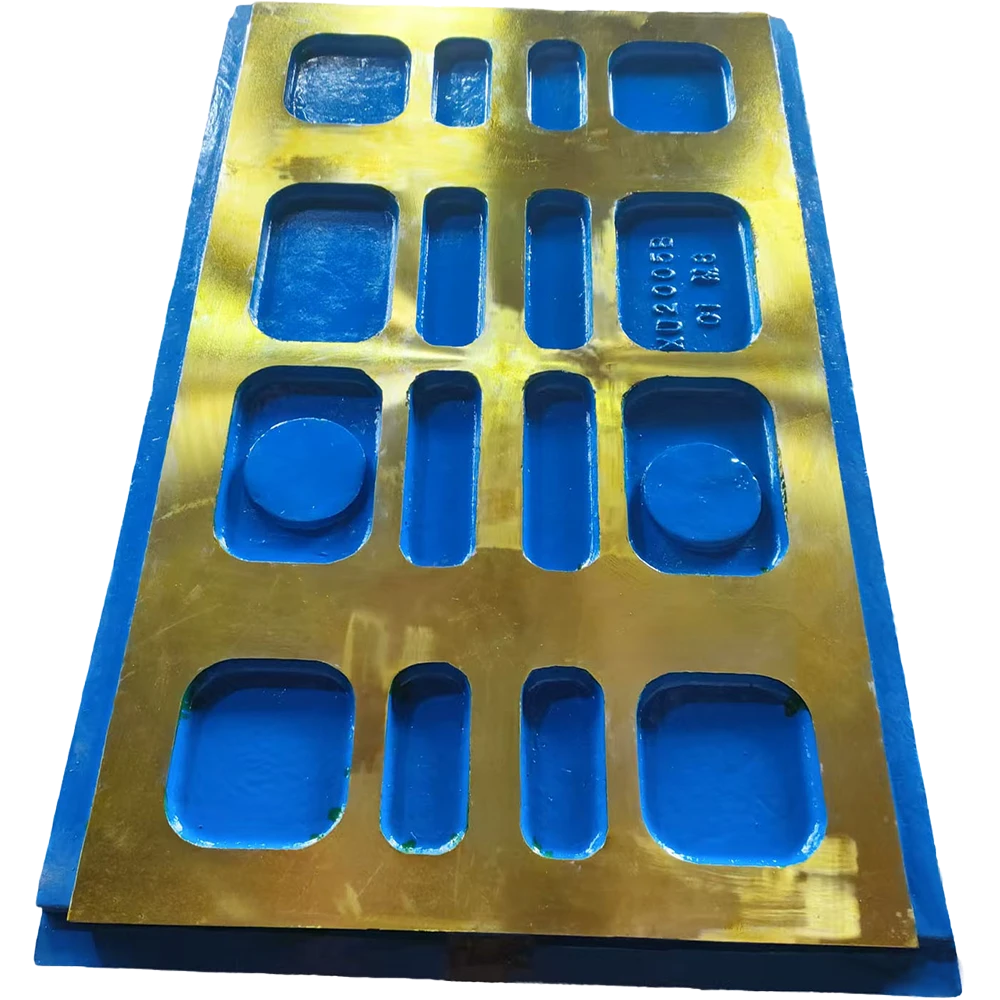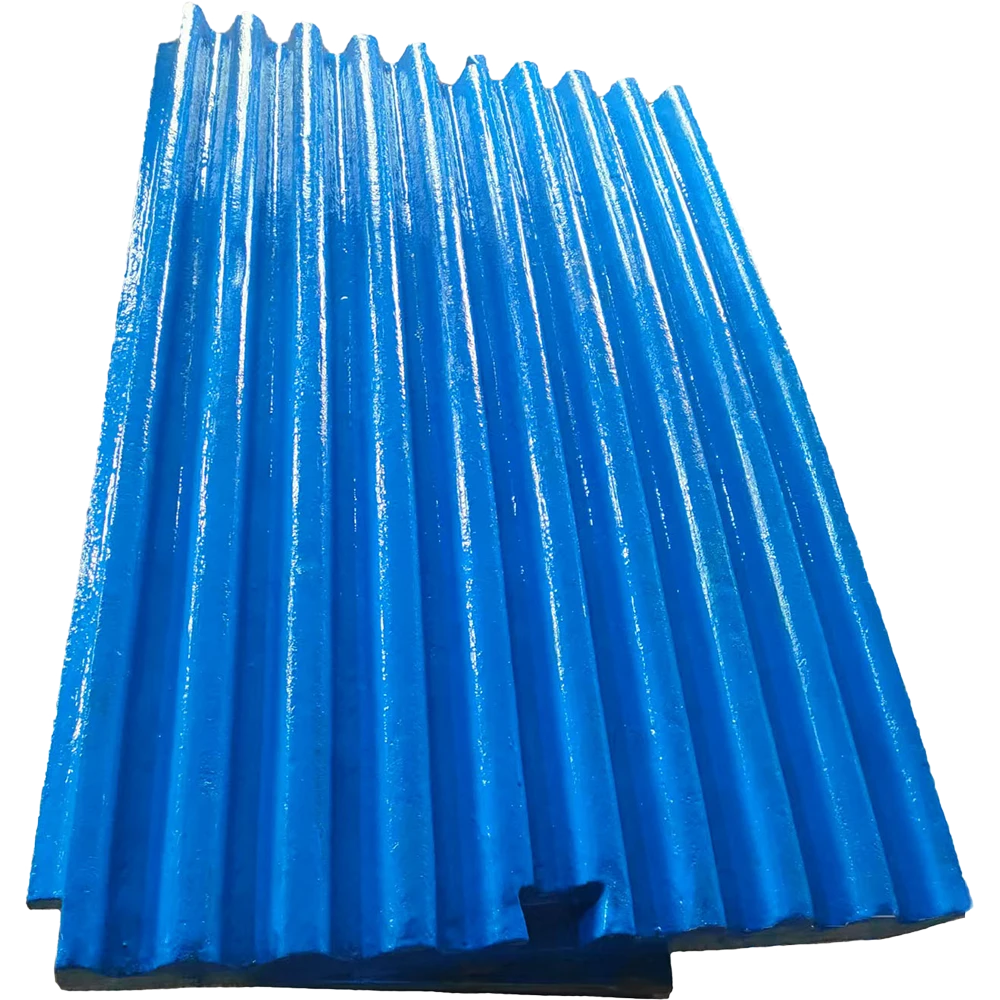
Heat Resistant Steel Products: Durable Solutions for High-Temperature Industries
Understanding Heat Resistant Steel Products: Why They Matter Worldwide
Heat resistant steel products might sound like something only heavy industry geeks care about, but the reality is quite different. These specialized materials have quietly become critical in sectors from energy and transport to construction and even disaster relief. As global industries push the boundaries of temperature and pressure, understanding heat resistant steels is no longer niche knowledge—it’s a competitive advantage. With rising energy demands and sustainability challenges, knowing what sets these steels apart can help engineers, procurement teams, and policy makers make smarter decisions worldwide.
Global Relevance: Facing Heat and Safety Challenges Head-On
According to the International Organization for Standardization (ISO), over 70% of industrial processes expose materials to extreme heat at some stage—think power plants, aerospace engines, or even advanced manufacturing hubs. The World Bank reports that expanding energy infrastructure in Asia and Africa depends heavily on materials that withstand intense heat without degrading or warping, and heat resistant steel products often lead the pack.
But beyond raw stats, there's a persistent challenge: balancing material costs, durability, and safety to build systems that last decades under harsh conditions. Without high-quality heat resistant steels, we’d be stuck with fragile structures prone to failure, which can mean downtime, hazardous leaks, or worse. It’s a global problem—and a critical focus area for innovation.
What Exactly Are Heat Resistant Steel Products?
At heart, a heat resistant steel product is any steel alloy formulated to maintain strength, shape, and integrity when exposed to high temperatures—typically above 500°C (932°F). Unlike regular carbon steels that soften or oxidize quickly, these steels incorporate elements like chromium, nickel, molybdenum, and silicon to fight heat-induced damage.
From furnace linings and exhaust systems to pipelines and cookware, the usage of these steels crosses industrial and consumer boundaries. They answer a basic humanitarian need, too: resilience. For example, in emergency shelters or mobile medical units located in hot, arid climates, heat resistant steel components can ensure structural stability and safety.
Core Aspects: What Makes Heat Resistant Steel Tick?
1. Durability Under Thermal Stress
Perhaps the single most important trait is the ability to withstand cyclical heating and cooling without cracking or losing strength. Many engineers say the microstructure of these steels is like the difference between brittle glass and flexible rubber.
2. Corrosion and Oxidation Resistance
Oxidation at high temperatures can degrade materials rapidly. Heat resistant steels resist this by forming protective oxide layers, effectively becoming self-defense shields against rust and scaling.
3. Cost Efficiency Over Lifespan
While often pricier upfront than mild steel options, their longer lifespan—sometimes double or triple—combined with lower maintenance, makes them far more economical over time.
4. Customizability for Different Applications
Heat resistant steel products come in various grades and can be heat treated for specific toughness levels, allowing them to be tailored for uses from aerospace turbine blades to household oven racks.
5. Scalability and Supply Chain Stability
Many manufacturers now use regional supply chains to maintain consistent availability of these specialized alloys, which is critical for industries that can’t afford downtime.
Mini takeaway: These steels aren’t just "hot stuff" literally but represent a balance of science and art—metallurgy tuned for real-world demands.
Global Applications of Heat Resistant Steel Products
Their uses span continents and industries:
- Energy Sector: Nuclear reactors, thermal power plants, and renewable energy turbines all depend on heat resistant steels for safety and efficiency. Japan and Germany lead in cutting-edge adoption.
- Automotive and Aerospace: Exhaust systems, turbochargers, and engine components baked at extreme temperatures require these alloys. The US and EU manufacturers invest heavily here.
- Industrial Manufacturing: Furnaces, boilers, and heat exchangers built with heat resistant steel extend operational uptime in regions like China, India, and Brazil.
- Disaster Relief and Construction: In countries frequently facing wildfires or extreme heat, structures and emergency shelters often use components of heat resistant steel for durability.
For example, a South African mining company working in scorching deserts recently upgraded their conveyor systems using these steels, reducing replacements by 40%. A little-known but impactful story of real-world benefit.
Key Specifications of a Typical Heat Resistant Steel Product
| Specification | Typical Values | Notes |
|---|---|---|
| Maximum Operating Temperature | 600 - 1100 °C | Varies by alloy grade |
| Tensile Strength | 500 - 900 MPa | Post heat-treatment |
| Corrosion Resistance | High (per ASTM standards) | Especially chromium content 10-25% |
| Typical Alloying Elements | Cr, Ni, Mo, Si | Balances heat and corrosion protection |
| Typical Applications | Exhaust parts, boilers, engine components | Diverse industrial uses |
Comparing Heat Resistant Steel Vendors: What to Look For
| Vendor | Product Range | Quality Certifications | Lead Time | Price Tier |
|---|---|---|---|---|
| Global Steel Co. | Wide (10+ alloys) | ISO 9001, ASTM | 4-6 weeks | Medium |
| HeatSafe Ltd. | Focused (5 alloys) | ISO 14001, ASTM | 2-3 weeks | High |
| DZM Casting | Comprehensive (8 alloys) | ISO 9001, ISO 45001 | 3-4 weeks | Competitive |
Advantages and Long-Term Value of Heat Resistant Steel Products
In real terms, investing in heat resistant steel translates to less downtime, safer operations, and a better environmental footprint. For businesses, this means fewer repairs and replacements, which ultimately decrease operating costs. For communities, using these products can mean safer infrastructures, even under harsh climate conditions — protecting lives and livelihoods.
Emotionally, there's also something reassuring about relying on materials that have been rigorously tested to withstand some of the toughest working environments. It inspires confidence and trust. I’ve noticed that engineers swear by these alloys not just because of specs but because they perform consistently—even when it counts the most.
Future Trends & Innovations in Heat Resistant Steel
The future is decidedly green and digital. As industries seek to cut carbon emissions, heat resistant steel products are becoming lighter without sacrificing strength—thanks to nano-engineered alloys and advanced metallurgy. Automation in steelmaking and AI-enhanced quality control are reducing defects and wastage.
We’re also beginning to see hybrid materials and coatings that extend the life of these steels further, a game-changer for power plants switching to renewable fuels that sometimes create unpredictable thermal cycles. So, it’s not just about heat resistance anymore, but sustainability too.
Challenges and Emerging Solutions
Heat resistant steels aren’t magic, of course. They can be costly upfront, and manufacturing defects can cause failures under stress. Supply chain disruptions have occasionally delayed projects, especially during global crises.
Experts suggest that better alloy design, localizing supply chains, and enhanced testing (like ultrasonic and radiographic inspections) are closing the gap. Innovations such as modular steel components and predictive maintenance models also help industries anticipate problems before they cause breakdowns—sort of like a health checkup for structures.
FAQ: Frequently Asked Questions About Heat Resistant Steel Products
Q1. What makes heat resistant steel products different from regular steel?
A1. Heat resistant steels include alloying elements such as chromium and nickel that enhance their ability to withstand high temperatures without deforming or corroding, unlike standard carbon steels, which weaken or oxidize quickly under heat.
Q2. How long can heat resistant steel products last in high-temperature environments?
A2. Depending on the specific alloy and application, these steels can last from 10 up to 30 years or more, significantly outlasting mild steels by resisting thermal fatigue and oxidation.
Q3. Are heat resistant steel products eco-friendly and sustainable?
A3. Yes, their durability reduces replacement frequency, which lowers resource consumption over time. Emerging innovations also focus on reducing production emissions and integrating recyclable materials.
Q4. Can heat resistant steel products be customized for specific industries?
A4. Absolutely. Manufacturers can adjust alloy composition and heat treatment processes to meet different thermal and mechanical demands, making solutions highly adaptable.
Q5. How can international buyers source heat resistant steel products easily?
A5. Many vendors now offer global shipping with certifications and support for customs procedures. Partners like DZM Casting facilitate smooth procurement and after-sales service worldwide.
Conclusion
When you boil it down, heat resistant steel products offer a blend of strength, safety, and smart economics that resonates globally—whether you’re building power infrastructure in Asia, manufacturing automotive components in Europe, or designing emergency shelters in sub-Saharan Africa. They’re a silent backbone of modern progress. If there’s one takeaway, it’s that investing time to understand these steels is investing in materials that endure—and in a future that’s better built for extremes.
For more on innovative and reliable heat resistant steel product solutions, visit our website and see how we can help your projects thrive under pressure.
References
-
High Performance oem cast heat resistant steel for Industrial UseNewsApr.16,2026
-
Guide to Selecting High Quality Cast Heat Resistant Steel AlloysNewsApr.09,2026
-
Custom Cast Heat Resistant Steel Solutions for High Temperature ApplicationsNewsApr.07,2026
-
Comprehensive Guide to Wholesale Cast Heat Resistant Steel for Industrial ApplicationsNewsApr.04,2026
-
Comprehensive Guide to High Performance Heat Resistant Metal Product SolutionsNewsMar.31,2026
-
Expert Guidance on Heat Resistant Metal Quotes and Alloy SelectionNewsMar.28,2026