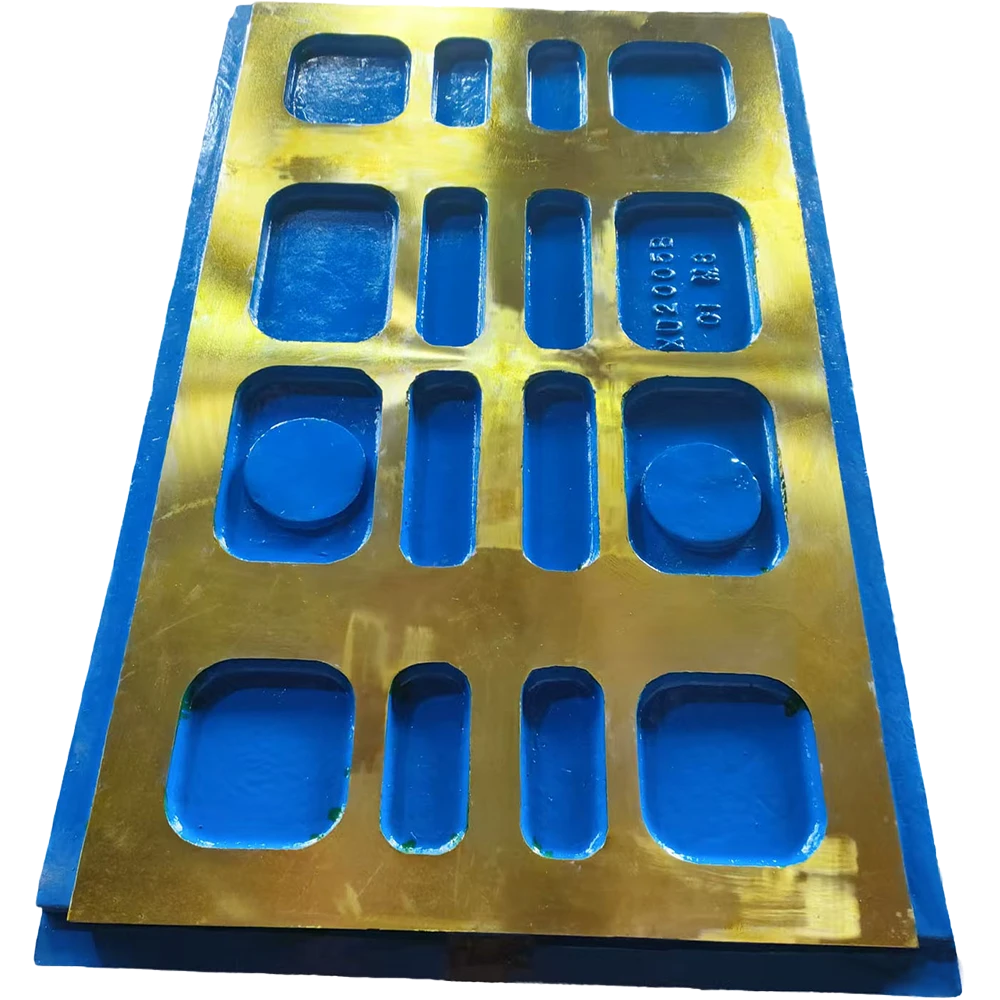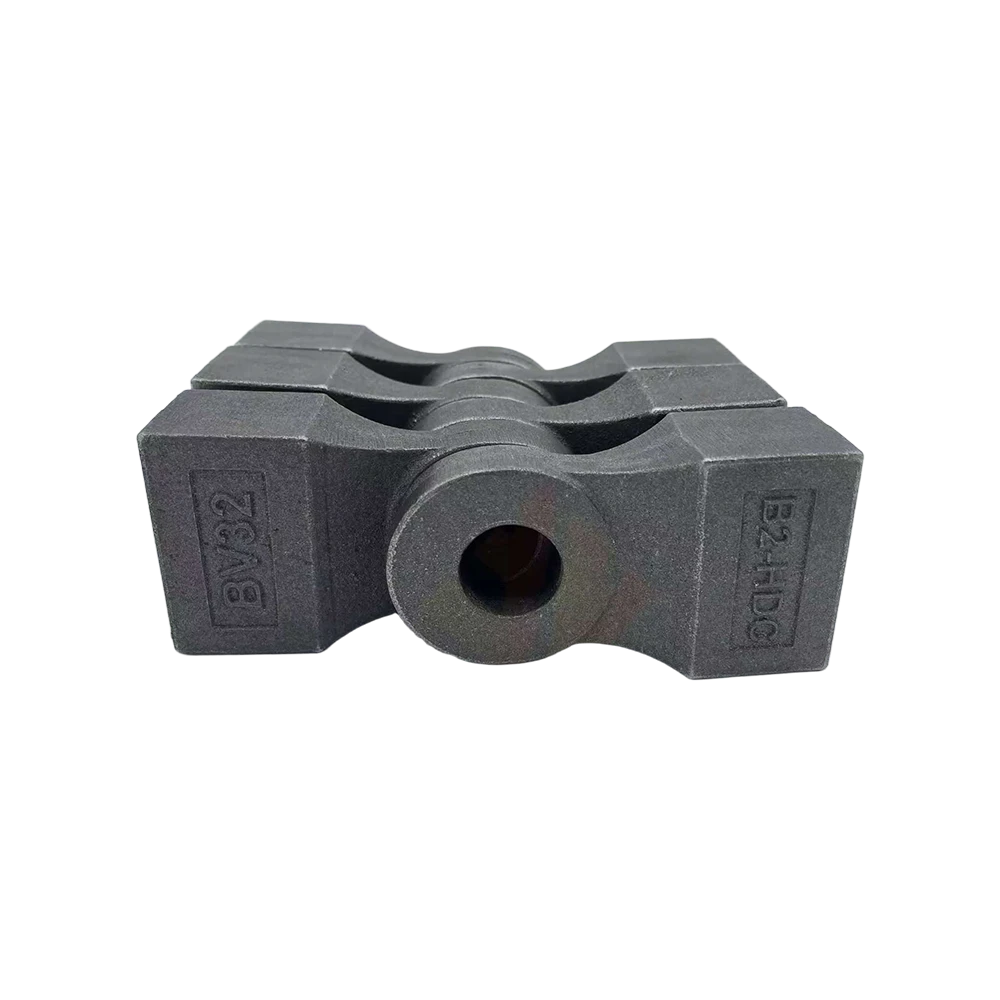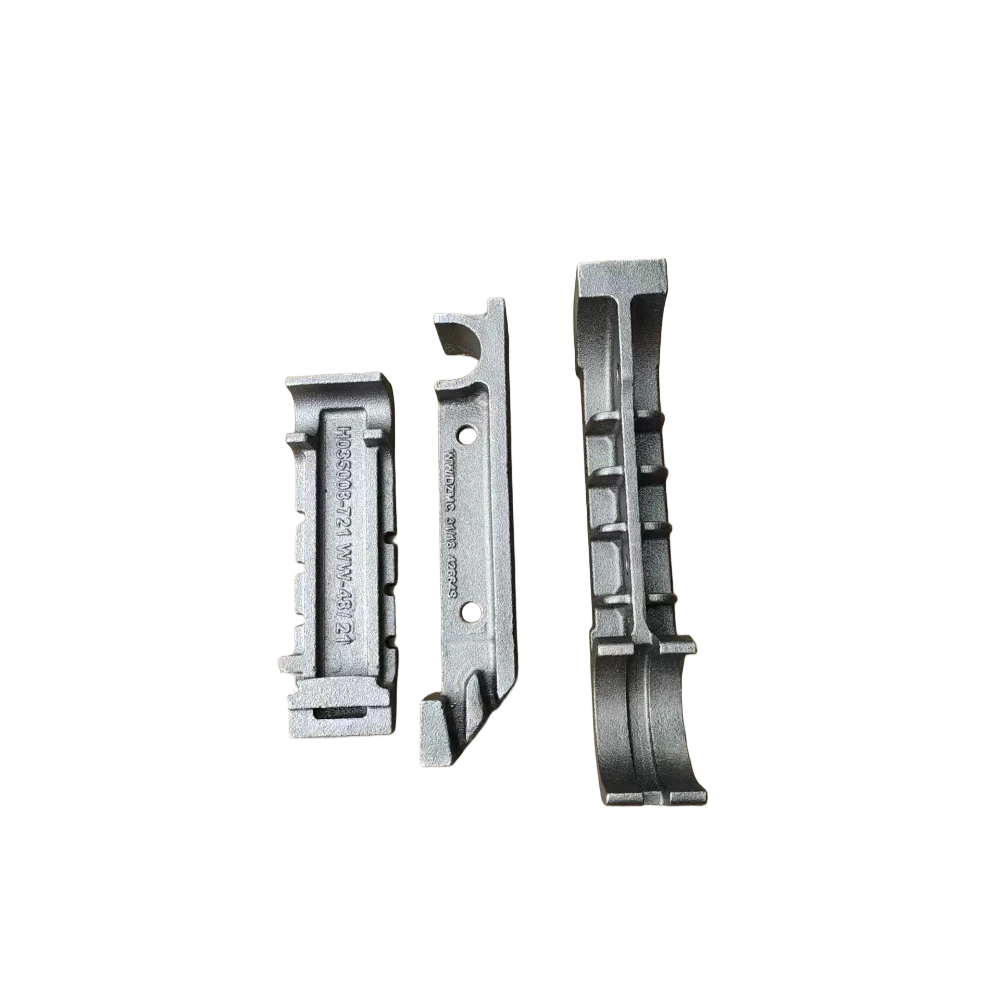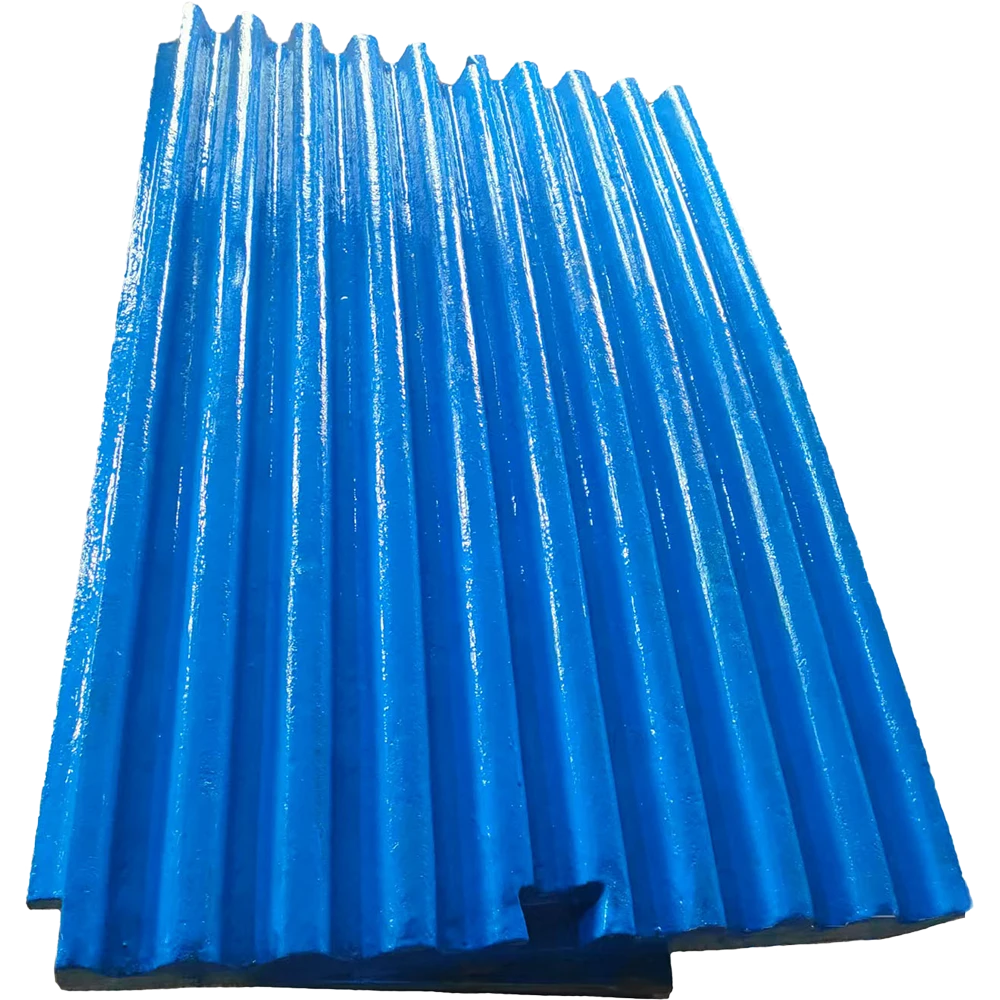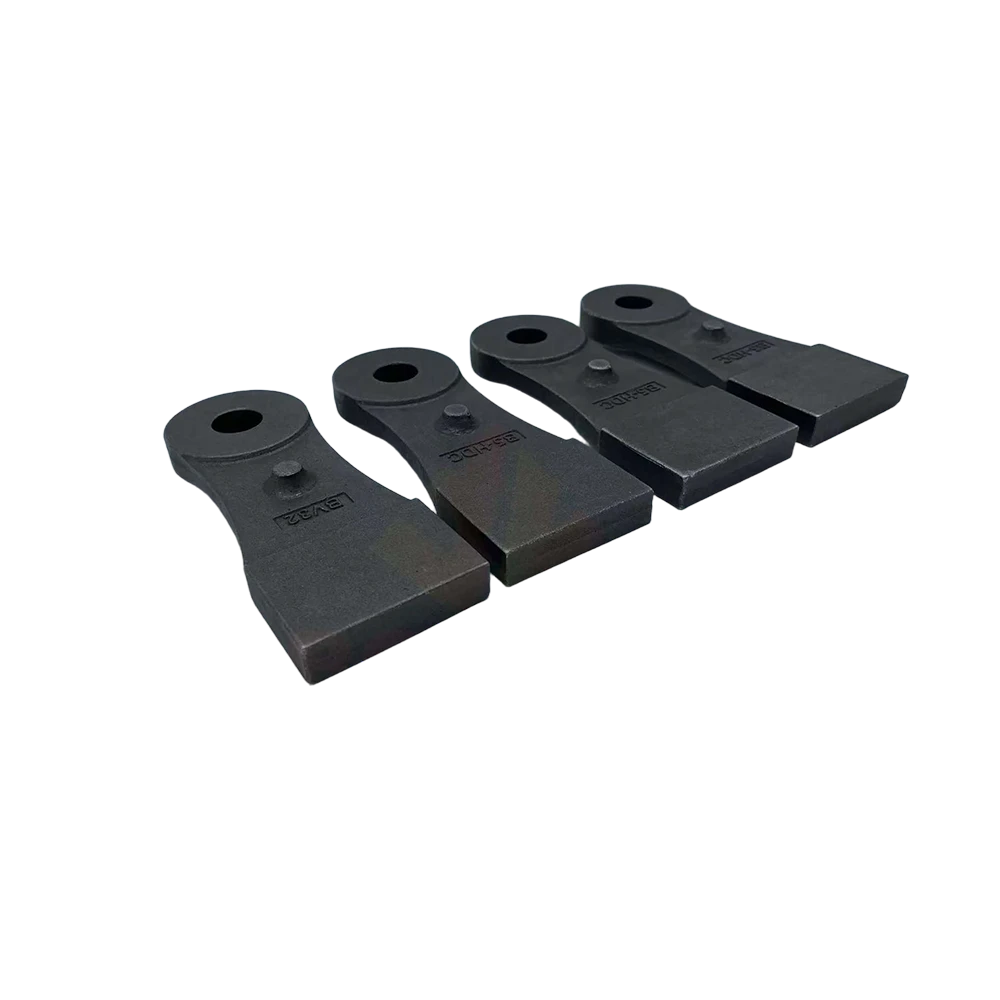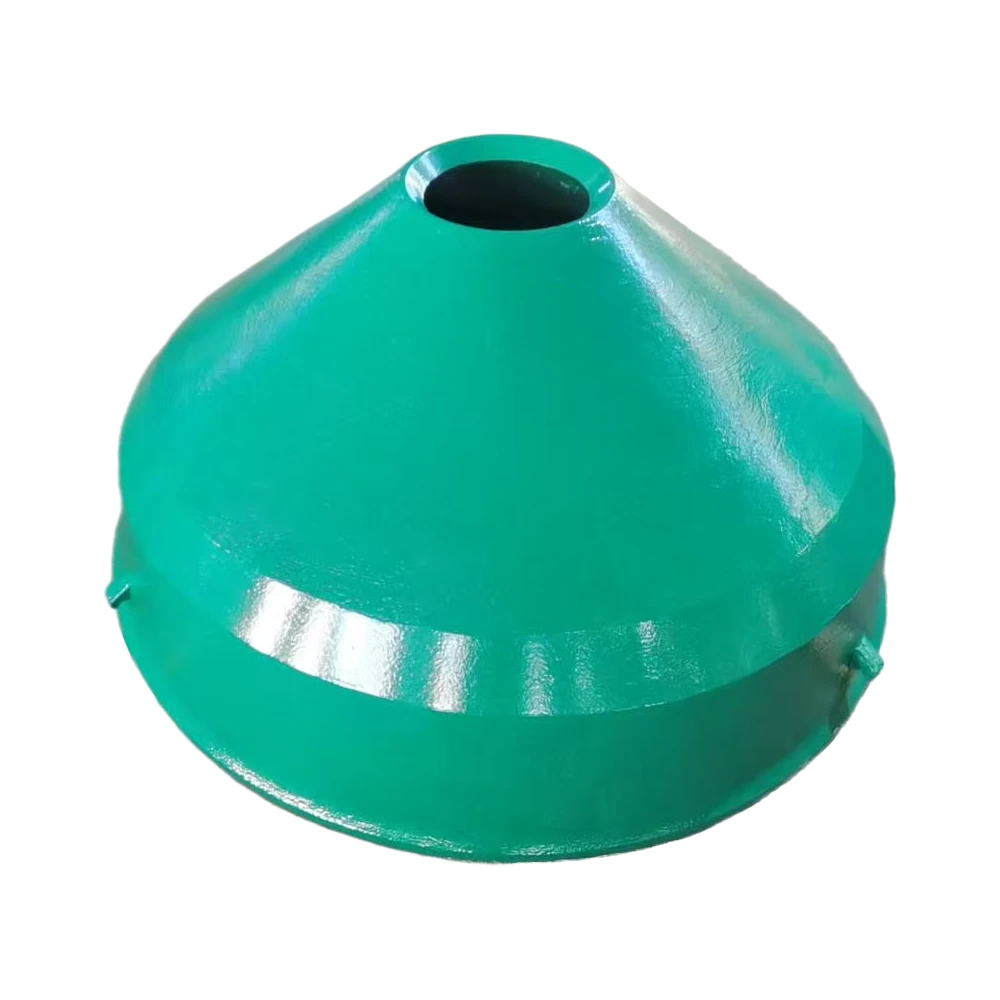
High Quality High Temperature Resistant Steel: Global Importance, Applications & Innovations
Understanding High Quality High Temperature Resistant Steel: Why It Matters Globally
If you’ve ever thought about the kind of steel that can withstand blistering heat without cracking or weakening, you’re essentially thinking about high quality high temperature resistant steel. This isn’t just some niche material; it’s a backbone in industries where extreme heat is the norm—think aerospace, power plants, petrochemical refineries, and even military applications. Mastering the use and properties of this special steel has global implications, helping to safeguard infrastructure, advance technology, and promote safety in critical conditions.
Globally, the demand for materials that endure intense thermal environments is rising. According to the International Organization for Standardization (ISO), industries facing thermal extremes have grown by nearly 20% over the past decade, emphasizing sustainable and reliable materials.^[1^] The ability to understand and apply high quality high temperature resistant steel is therefore a key competitive advantage that supports innovation, resilience, and efficiency.
Mini takeaway: As heat-related challenges multiply worldwide, this type of steel is a quiet hero enabling complex solutions.
Global Context and Industry Challenges
The global steel industry produces around 1.8 billion tons of steel annually, yet only a small fraction meets the specialized criteria for high temperature resistance. The World Steel Association, for instance, notes that specialized steels often see longer lead times and higher costs due to intricate alloy compositions and manufacturing processes.^[2^] These steels address significant challenges such as thermal fatigue, oxidation, and deformation under cyclic heat exposure.
Moreover, the push towards greener energy solutions—like concentrated solar power and advanced nuclear reactors—has increased the demand for steel that can tolerate fluctuating extreme temperatures without degrading. Frankly, the wider adoption of these steels means safer, longer-lasting equipment, which reduces downtime and maintenance costs globally.
What Is High Quality High Temperature Resistant Steel?
At its core, high quality high temperature resistant steel is steel specially engineered to retain mechanical strength, resist corrosion, and maintain dimensional stability under prolonged exposure to elevated temperatures—often ranging from 500°C (932°F) to upwards of 1100°C (2012°F).
These steels usually incorporate alloying elements like chromium, molybdenum, nickel, and sometimes rare earth metals. The blend ensures enhanced oxidation resistance and creep strength. In plain terms, it means the steel won’t sag, crack, or rust quickly even when subjected to roaring fires or intense industrial heat.
Such properties tie directly to modern industry’s need for durable, dependable materials—especially in infrastructure and humanitarian applications where safety and reliability are paramount.
Key Factors Behind High Quality High Temperature Resistant Steel
1. Durability
The steel’s microstructure and precise alloying deliver exceptional resistance to mechanical fatigue and thermal stress. This extends equipment lifespans significantly, which matters when failures could mean huge operational costs or, worse, human risk.
2. Oxidation Resistance
Chromium and other elements create a protective oxide layer, shielding the steel surface from corrosive attack when exposed to oxygen at high temps.
3. Creep Strength
This term refers to the steel’s ability to resist gradual deformation under continuous stress at high temperatures. Without it, components can warp and fail unpredictably.
4. Thermal Fatigue Resistance
Cyclic temperature changes cause materials to expand and contract. High quality steels are designed to withstand this "thermal cycling" without cracking.
5. Cost Efficiency
Although the initial cost tends to be higher, the reduced downtime, longer replacement intervals, and fewer failures often translate into real savings.
Mini takeaway: Engineering these steels is a balancing act—tuned chemistry and microstructure create lasting, reliable solutions to tough problems.
Product Specifications of Typical High Temperature Resistant Steel
| Property | Value | Unit |
|---|---|---|
| Maximum Operating Temperature | 1100 | °C |
| Creep Rupture Strength (at 1000°C) | 25 | MPa (100hr) |
| Chromium Content | 20-25 | % |
| Nickel Content | 10-20 | % |
| Typical Density | 7.9 | g/cm³ |
Global Applications & Use Cases
These steels find home in fairly crucial places. For instance, in the Middle East, large-scale petrochemical plants rely on high temperature resistant steel for reactor vessels and heat exchangers. In Europe and North America, gas turbines for electricity generation are common users.
Oddly enough, in humanitarian contexts, some fast-deploy industrial shelters designed for wildfire or volcanic ash resistance incorporate such steel to protect vital equipment and personnel. This extends even to aerospace components like jet engine turbine blades and aircraft structural parts operating in searing conditions.
High quality high temperature resistant steel is also increasingly relevant in emerging sectors like green hydrogen production plants, where extreme thermal cycles happen regularly.
Mini takeaway: From power plants to disaster shelters, the steel’s versatility reflects its strategic industrial status worldwide.
Advantages & Long-Term Value
- Cost Savings: Fewer breakdowns and less frequent replacements drive operational savings.
- Environmental Sustainability: By extending lifecycle and reducing waste, it supports circular economy principles.
- Safety & Trust: Provides reliable performance that protects workers and assets alike.
- Innovation Enablement: High-grade steels allow engineers to push technical boundaries, designing more efficient, lightweight, and resilient systems.
The emotional reassurance stemming from trustworthy materials in critical infrastructure often gets overlooked but can’t be overstated when you think of people’s livelihoods at stake.
Future Trends & Innovations
Research into nano-structured coatings and advanced heat treatment methods promises even greater longevity and performance. Digital transformation helps too: sensor integration with steel components means real-time monitoring of temperature-induced stress, enabling predictive maintenance.
Meanwhile, global efforts around lowering carbon footprints encourage development of steels with reduced nickel and cobalt content without sacrificing performance—always tricky, but progress is underway.
Challenges & Solutions
High manufacturing cost remains a hurdle, not to mention complexities in sourcing certain alloying elements sustainably. Experts suggest that improved recycling technologies and collaborative supply chains might ease these constraints over the next decade.
Plus, manufacturers face strict quality control needs to assure consistent microstructures; advanced non-destructive testing (NDT) techniques like ultrasonic or X-ray inspections are increasingly standard.
Vendor Comparison for High Temperature Resistant Steel Suppliers
| Vendor | Steel Grades Offered | Delivery Time | Price Range | Global Reach |
|---|---|---|---|---|
| SteelTech Corp | AISI 310, 316H, 347H | 4-6 weeks | $$$ | North America, Europe |
| DZM Casting | Custom alloys, ASTM A213 TP321H | 3-5 weeks | $$ | Global |
| ThermoSteel Ltd. | Inconel 625, 718; Hastelloy | 6-8 weeks | $$$$ | Europe, Asia |
FAQ: Frequently Asked Questions About High Quality High Temperature Resistant Steel
Q1: What industries benefit most from high temperature resistant steel?
A: Industries such as aerospace, power generation, petrochemical refining, and automotive manufacturing heavily rely on this steel to maintain safety and efficiency under thermal stress.
Q2: How is the cost justified when choosing high quality high temperature resistant steel?
A: While upfront costs are higher, long-term savings from less frequent maintenance, reduced downtime, and enhanced safety make it a worthy investment.
Q3: Can this steel be recycled or reused effectively?
A: Absolutely. Recycling technologies have improved, and because these steels tend to last longer, the need for replacements is reduced, indirectly minimizing waste.
Q4: How do environmental regulations impact the production of this steel?
A: Stricter environmental standards push suppliers toward cleaner manufacturing processes and the development of steels with reduced critical alloying elements.
Q5: What is the typical delivery timeframe for custom high temperature resistant steel orders?
A: It varies by supplier and specifications but typically ranges from 3 to 8 weeks depending on complexity and availability.
Conclusion
In the end, the value of high quality high temperature resistant steel lies not just in its technical specs but in the reliability, innovation, and safety it guarantees across global industries. It stands as a testament to human ingenuity under the toughest conditions. Whether you’re building next-gen turbines or safeguarding vital infrastructure, investing in this steel is investing in long-term resilience.
If this article sparked your interest, I suggest diving deeper into trusted suppliers and resources—such as DZM Casting, a notable vendor specializing in tailored solutions for demanding industrial requirements.
Mini takeaway: Choosing the right steel today can shape a safer, more efficient tomorrow—literally the foundation of progress.
References
- ISO - International Organization for Standardization: https://www.iso.org/
- World Steel Association Statistics: https://worldsteel.org/steel-by-topic/statistics/
- Material Properties for High-Temperature Steels - Wikipedia: https://en.wikipedia.org/wiki/High-temperature_steel
-
High Performance oem cast heat resistant steel for Industrial UseNewsApr.16,2026
-
Guide to Selecting High Quality Cast Heat Resistant Steel AlloysNewsApr.09,2026
-
Custom Cast Heat Resistant Steel Solutions for High Temperature ApplicationsNewsApr.07,2026
-
Comprehensive Guide to Wholesale Cast Heat Resistant Steel for Industrial ApplicationsNewsApr.04,2026
-
Comprehensive Guide to High Performance Heat Resistant Metal Product SolutionsNewsMar.31,2026
-
Expert Guidance on Heat Resistant Metal Quotes and Alloy SelectionNewsMar.28,2026