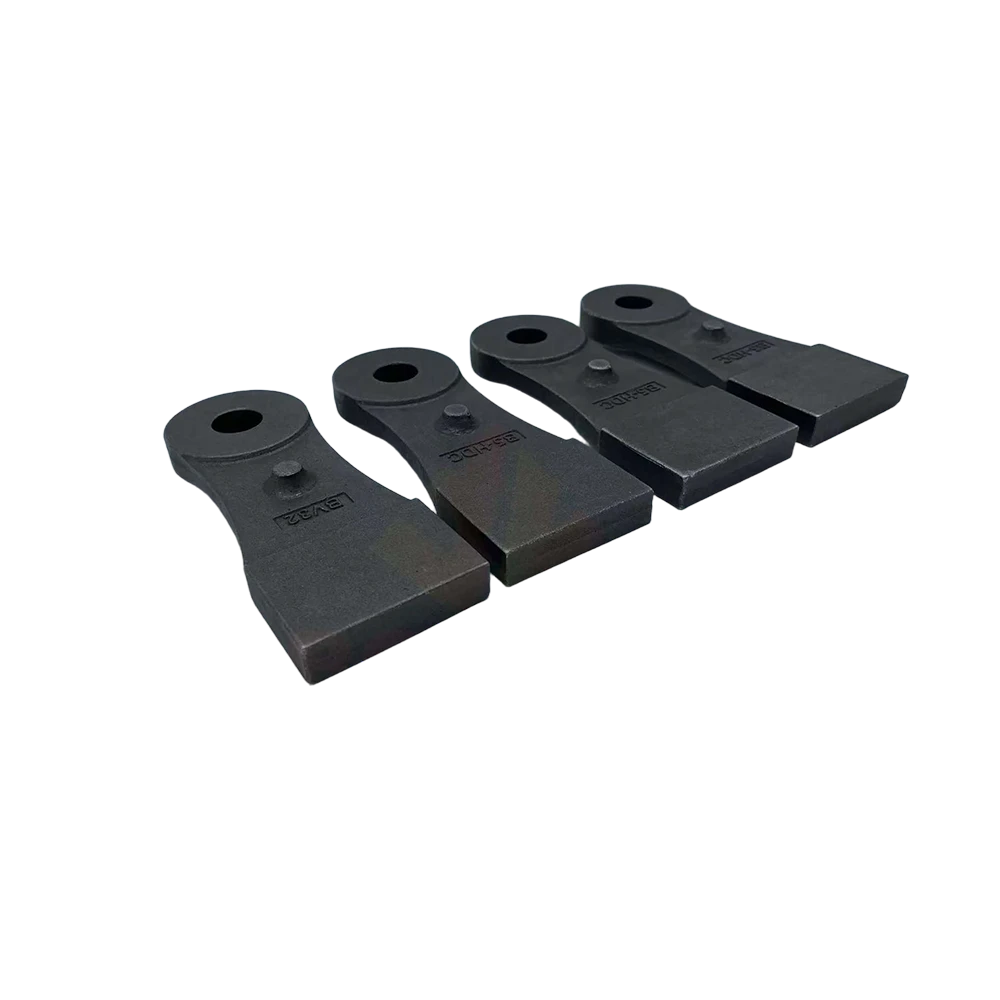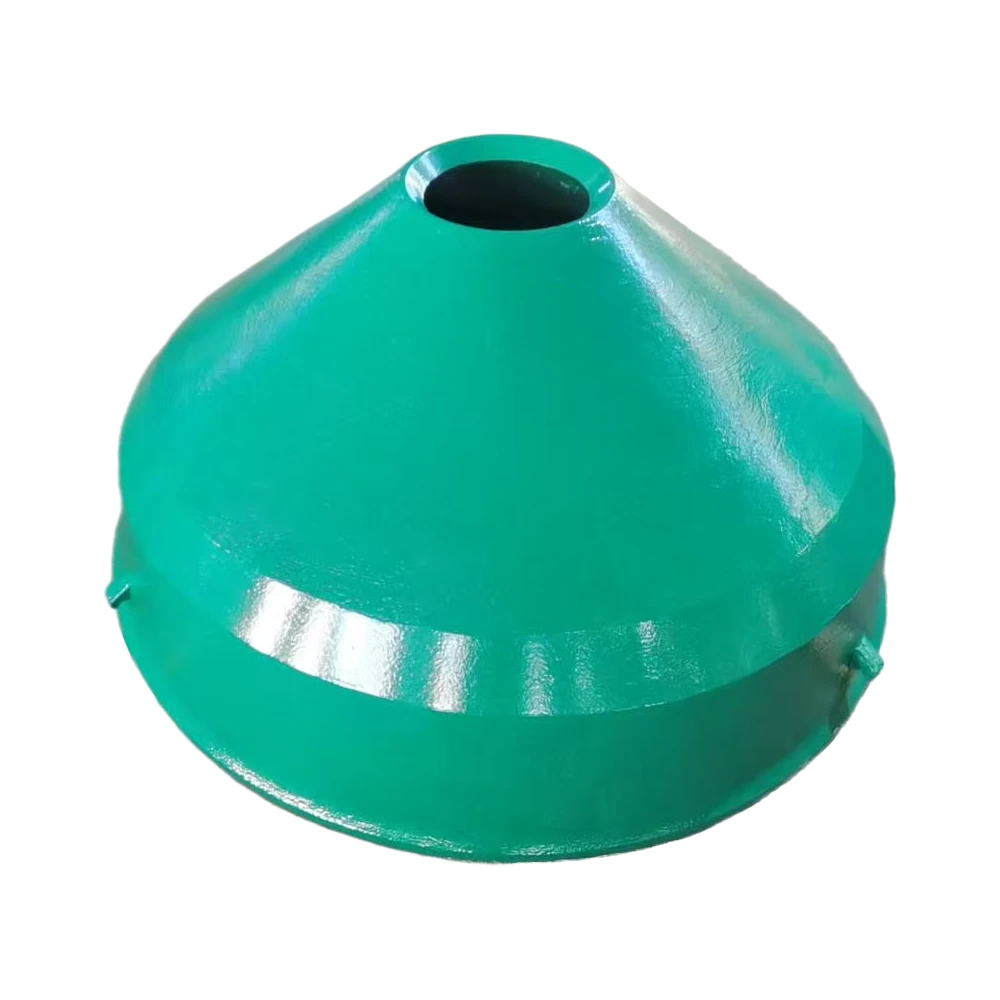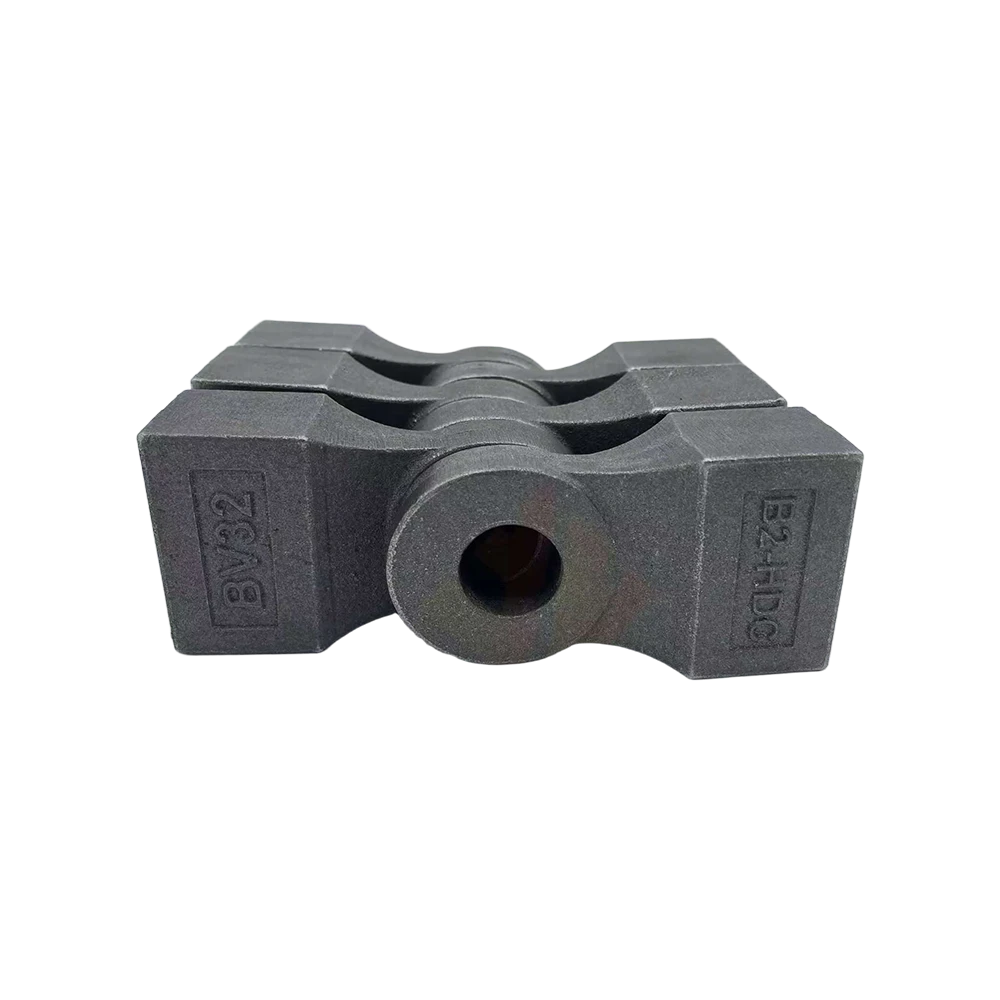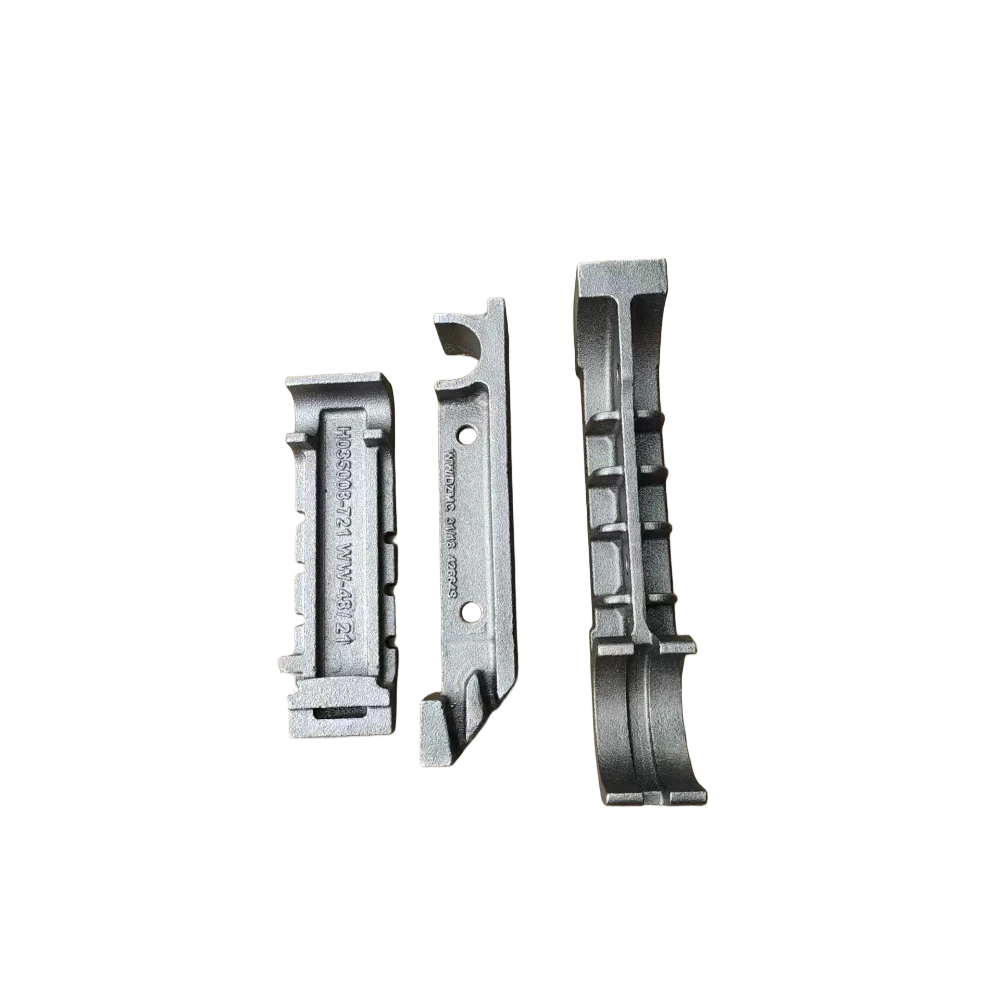
High Temperature Resistant Steel Product – Key Features, Applications & Innovations
Understanding High Temperature Resistant Steel Product: A Vital Material in Modern Industry
When you think about steel, you probably imagine something tough and unyielding. But did you realize some steel products can actually withstand blazing heat without losing their strength or shape? That's where high temperature resistant steel product comes into play. Globally, industries—from aerospace to power generation—rely on these steels for resilient parts exposed to intense temperatures. Understanding this material is not just technical jargon; it’s vital for innovations that save energy, reduce risks, and last longer. Let’s unravel what makes this steel so special, why the world needs it, and how its future looks.
Global Context: Why High Temperature Resistant Steel Matters
Worldwide industrial expansion combined with rising environmental standards has made high temperature resistant steel incredibly important. The International Organization for Standardization (ISO) notes that advanced materials must meet stringent durability and thermal requirements. For example, power plants—critical worldwide—deal with superheated steam near 600°C or more. Without specialized steels, efficiency drops, breakdowns rise, and safety issues escalate.
Statistics show the global market for high temperature resistant alloys is growing nearly 7% annually, driven by sectors like automotive, aerospace, and energy generation. The challenge? Finding steel that can resist oxidation, fatigue, and deformation at high temperatures while remaining cost-effective.
What Is a High Temperature Resistant Steel Product?
Simply put, high temperature resistant steel products are steels formulated to withstand elevated temperatures—often above 500°C—without losing mechanical strength or corroding quickly. They achieve this through alloying elements such as chromium, nickel, molybdenum, and sometimes cobalt, which help form protective oxide layers or stabilize the steel’s microstructure.
These steels are crucial not only in heavy industries but also in humanitarian sectors—think emergency shelters with heat-resistant steel frames or medical equipment sterilized at high temperatures. They link modern industrial ingenuity with real human needs.
Core Components and Key Factors
1. Durability
At high temperatures, normal steel weakens due to creep (slow deformation). But special steels maintain shape and strength, thanks to carefully balanced alloy content and grain structures.
2. Oxidation Resistance
When exposed to air and heat, steel oxidizes or “rusts” faster. High temperature steels develop stable oxide films that protect against rapid degradation.
3. Thermal Stability
Thermal stresses cause cracking or warping. High temperature steels are designed to handle expansion and contraction cycles with minimal damage.
4. Cost Efficiency
Advanced alloys can be pricey, so they’re engineered for long life to offset costs. Selecting the right grade for the application is key to balancing upfront cost versus lifetime savings.
5. Fabrication Compatibility
These steels must be weldable and workable without losing properties, ensuring practical usability in manufacturing and maintenance.
Typical High Temperature Resistant Steel Product Specification
| Property | Typical Values | Notes |
|---|---|---|
| Operating Temperature | Up to 900°C | Depends on grade (e.g., 310, 446 stainless steel) |
| Tensile Strength | 450 - 700 MPa | Maintained at elevated temps |
| Corrosion Resistance | High | Especially against oxidation |
| Common Alloying Elements | Cr (15-25%), Ni (8-20%), Mo (2-5%) | Enhance thermal properties |
Global Applications and Use Cases
- Power Industry: Boiler tubes, furnace components exposed to superheated steam.
- Aerospace: Jet engine parts requiring stable high temperature endurance.
- Automotive: Exhaust systems and turbochargers where heat is extreme.
- Chemical Plants: Reactors and piping exposed to corrosive, hot environments.
- Humanitarian Context: Structures using heat-resistant steel framing provide safer emergency shelters that can survive extreme climates.
Regions like China, the US, and the EU lead in production and innovation, while developing economies increasingly adopt these materials to build more sustainable infrastructure. For instance, in remote industrial zones of Siberia and Canada, these steels provide reliability despite the fluctuating thermal conditions.
Advantages and Long-Term Value
The tangible benefits are striking. High temperature resistant steel products extend equipment lifespan, minimize downtime, and reduce maintenance costs—translating to significant financial savings. There's also a sustainability angle: durable materials mean less scrap and waste over time and support energy-efficient systems (like heat recovery). From a safety perspective, they prevent catastrophic failures caused by thermal fatigue, reassuring both engineers and end users.
Frankly, knowing you’re working with materials that won’t suddenly fail under pressure gives an emotional peace of mind, valuable in mission-critical industries.
Future Trends and Innovations
Green energy and digitalization are driving new frontiers. For example, steels designed specifically for concentrated solar power plants need to resist heat above 700°C and prevent degradation from cyclic stresses during day-night transitions.
Moreover, additive manufacturing (3D printing) of high temperature alloys is emerging, enabling more complex shapes and tailored heat resistance properties. Some researchers focus on nanostructured coatings or novel alloying to push temperature limits even higher.
Challenges & Solutions
The biggest hurdles involve balancing cost and performance. Premium steels are expensive and sometimes difficult to machine or weld. Material scientists and manufacturers are continuously refining alloy compositions and heat treatments to optimize these properties.
Another obstacle is global supply chain disruptions which affect availability and pricing. Companies investing in diverse sourcing and local manufacturing hubs help mitigate such risks.
Vendor Comparison: Leading Suppliers of High Temperature Resistant Steel Products
| Vendor | Key Products | Typical Market | Special Features | Price Range |
|---|---|---|---|---|
| DZMC Casting | Custom heat-resistant steel castings | Energy, automotive, aerospace | Advanced alloy customization, rapid prototyping | Mid-High |
| ArcelorMittal | High temperature resistant stainless steels | Global heavy industry | Mass production, reliability | Mid |
| Special Metals Corp. | Inconel, superalloys | Aerospace, energy | Ultra-high temperature | High |
FAQs About High Temperature Resistant Steel Product
- What makes high temperature resistant steel different from regular steel?
- High temperature resistant steel is specially alloyed to maintain strength, resist oxidation, and avoid deformation even at elevated temperatures—unlike regular steel that weakens or corrodes faster.
- How long can these steels last in harsh industrial environments?
- When properly selected and maintained, these steels often last decades, significantly reducing downtime and replacement costs compared to conventional materials.
- Are high temperature resistant steels environmentally friendly?
- Yes. Their longevity means less frequent replacements and waste. Plus, they enable more energy-efficient systems like better heat exchangers, indirectly reducing carbon footprints.
- Can these steels be welded or machined on-site?
- Many grades are designed to be weldable and machinable with proper procedures, though certain alloys might require specialized techniques.
- How can I find reliable suppliers for custom heat resistant steel components?
- Look for vendors with documented experience, customized alloy options, and client references—such as high temperature resistant steel product specialists like DZMC Casting.
Conclusion
To wrap up, high temperature resistant steel products aren’t just another material—they’re the backbone of safer, more efficient, and longer-lasting industrial structures worldwide. Their benefits ripple through cost savings, environmental stewardship, and enhanced safety. If you’re searching for quality and innovation in this domain, I highly recommend exploring what DZMC Casting offers. Getting the right steel product can turn a good project into a great one.
That said, as industries evolve with green tech and automation, staying informed about high temperature resistant steels ensures you’re not left behind. It feels like embracing these materials is embracing the future.
Mini Takeaway: When you choose the right high temperature resistant steel, you’re investing in performance and peace of mind across industries that push materials to their limits.
References
-
High Performance oem cast heat resistant steel for Industrial UseNewsApr.16,2026
-
Guide to Selecting High Quality Cast Heat Resistant Steel AlloysNewsApr.09,2026
-
Custom Cast Heat Resistant Steel Solutions for High Temperature ApplicationsNewsApr.07,2026
-
Comprehensive Guide to Wholesale Cast Heat Resistant Steel for Industrial ApplicationsNewsApr.04,2026
-
Comprehensive Guide to High Performance Heat Resistant Metal Product SolutionsNewsMar.31,2026
-
Expert Guidance on Heat Resistant Metal Quotes and Alloy SelectionNewsMar.28,2026