Jaw Plate For Crusher - Durable, High-Performance Solutions | DZMC Casting
Jaw Plate For Crusher is a key solution in the industry, specifically within heavy machinery and material processing sectors. This article explores how https://www.dzmccasting.com supports professionals with durable, high-performance products, and explains why this product is an ideal choice for businesses in these sectors.
Table of Contents
- Jaw Plate For Crusher Overview
- Benefits & Use Cases of Jaw Plate For Crusher
- Cost, Maintenance & User Experience
- Sustainability & Market Trends
- Frequently Asked Questions
- Conclusion on Jaw Plate For Crusher from China
Jaw Plate For Crusher Overview
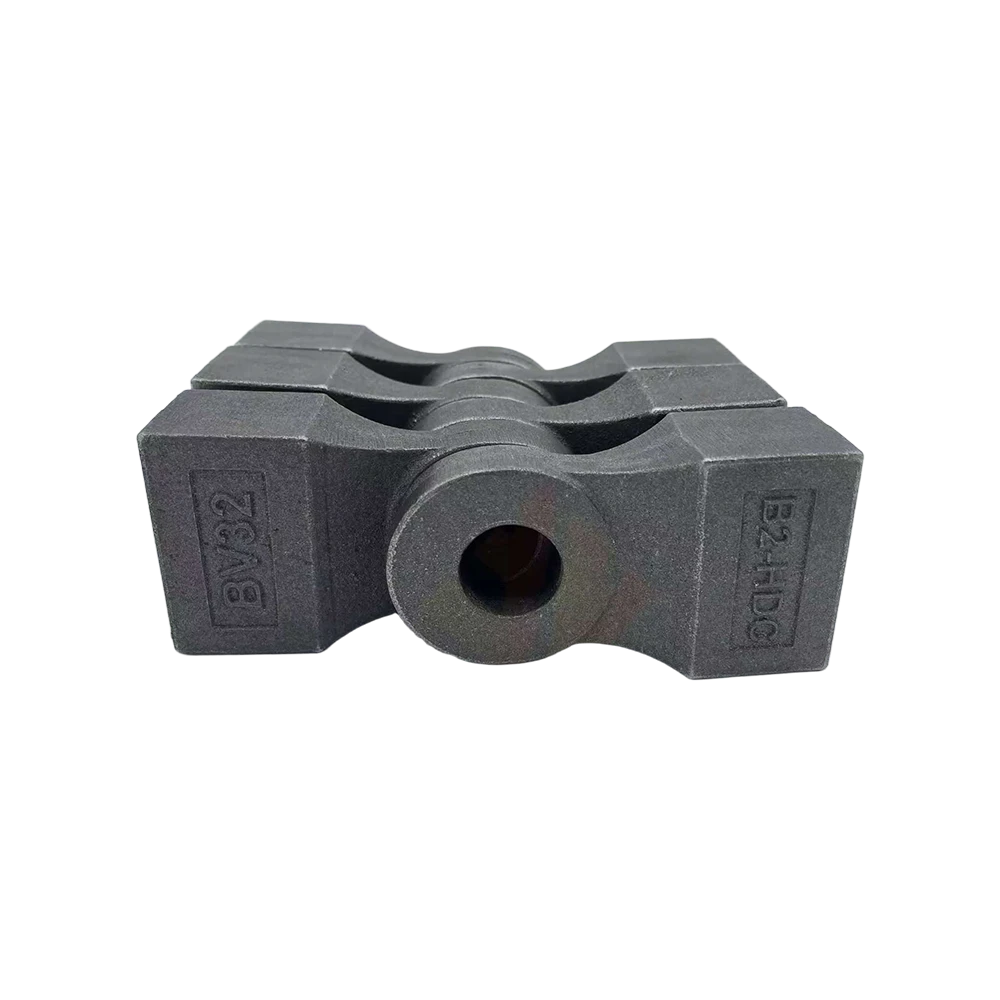
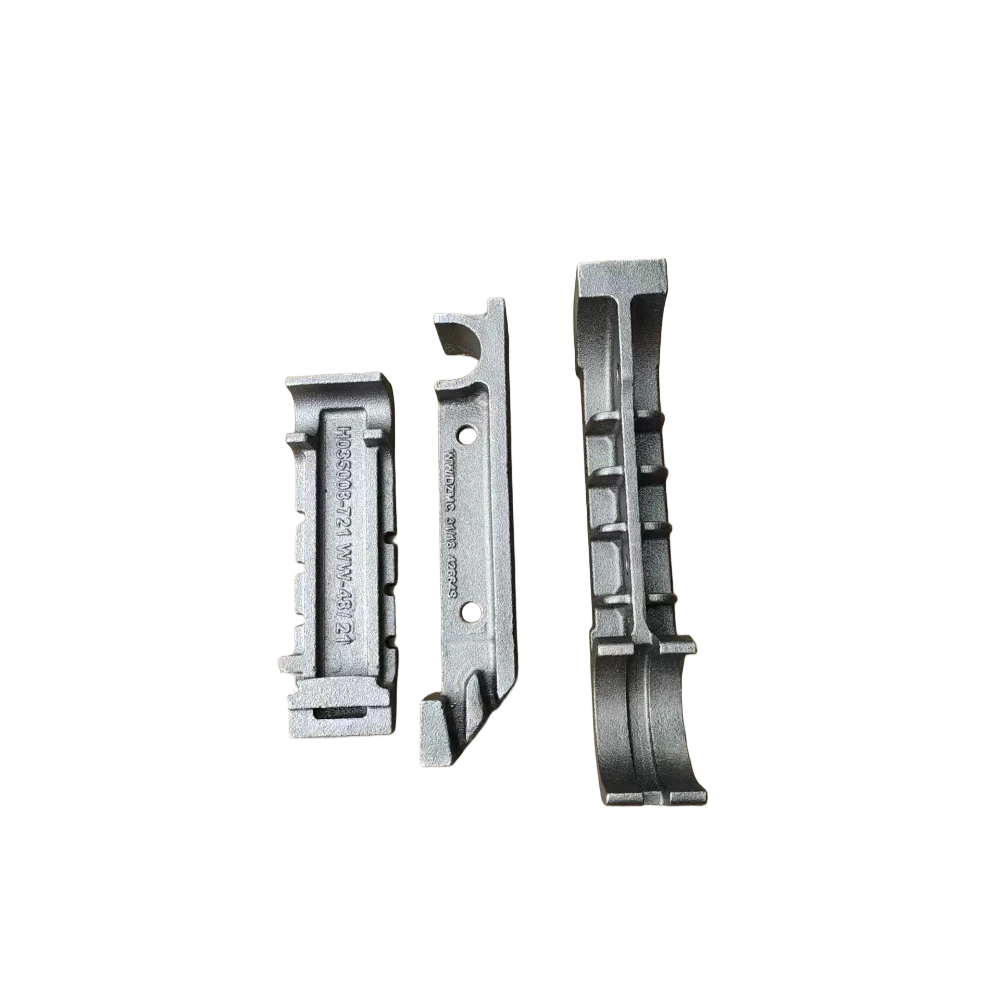
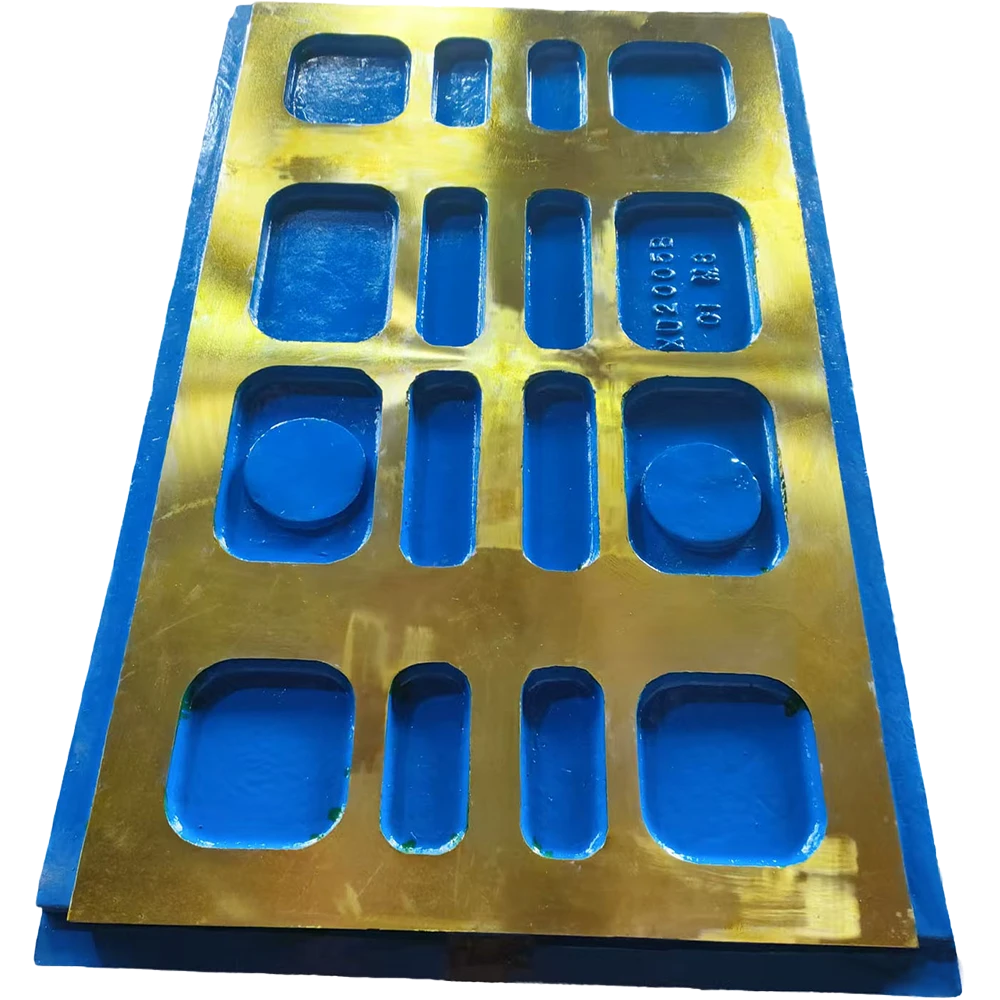
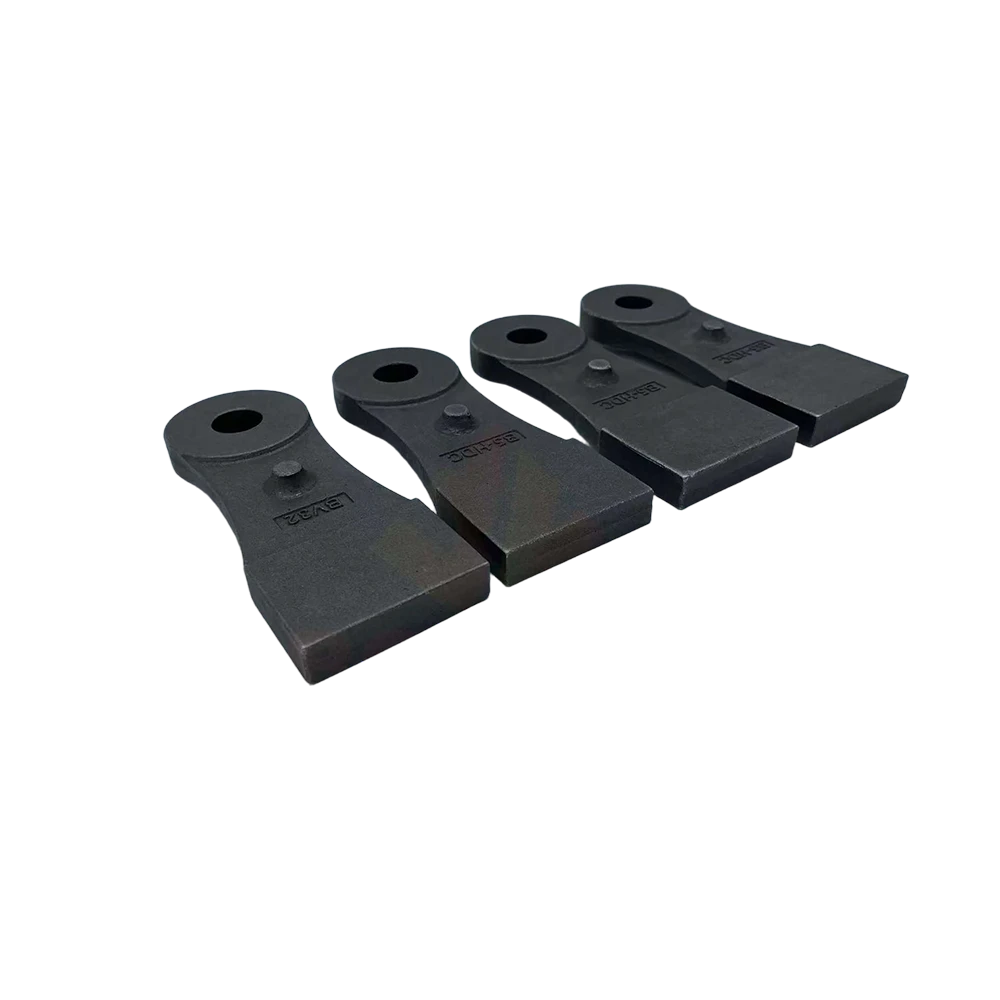
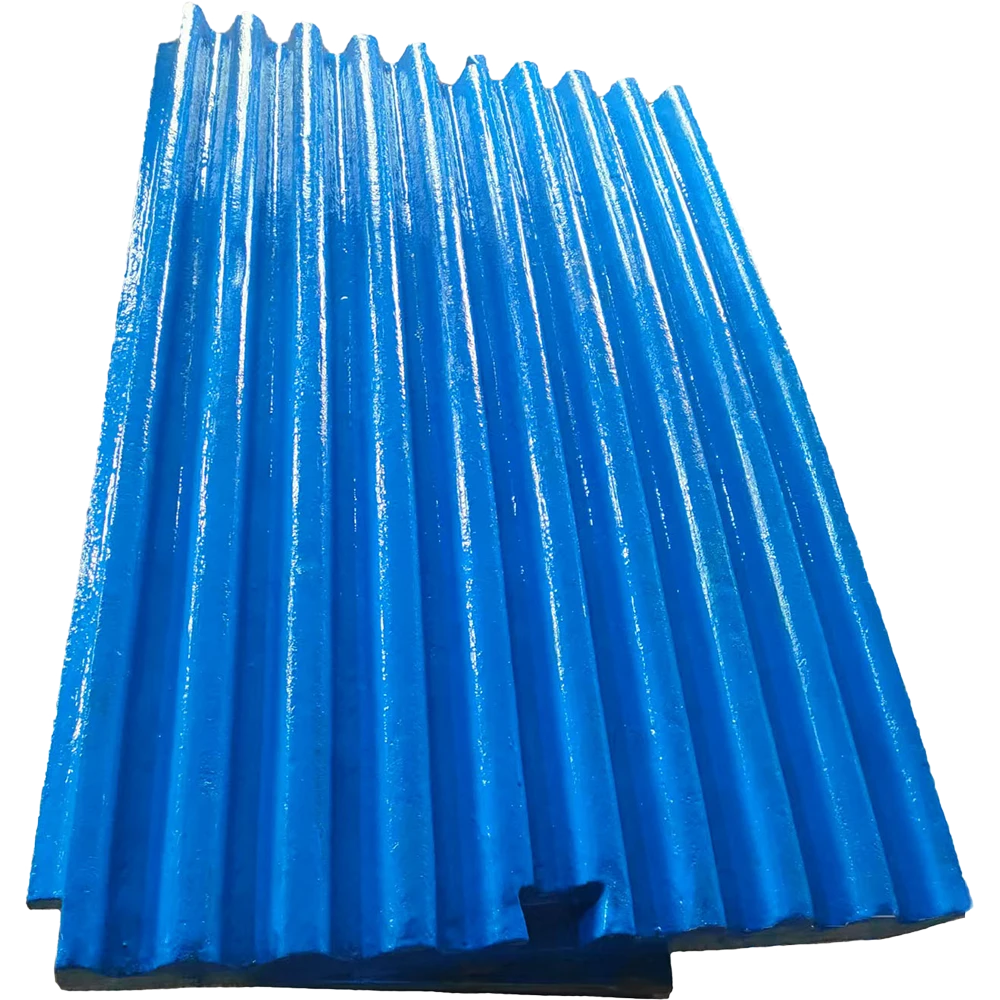
In simple terms, a Jaw Plate For Crusher is the working face of a jaw crusher — that’s the part that actually crushes materials like rocks or ores by exerting compressive force. It’s a rugged wear component essential for the performance and longevity of the crusher. Without reliable jaw plates, operations risk frequent downtime and costly replacements.
Technically, these plates are made from specialized manganese steel alloys designed to resist abrasion and impact. Oddly enough, manganese’s unique property of work-hardening under strain makes these plates last longer than you'd expect. For example, a common jaw plate might be about 20–30 mm thick, with variations depending on the crusher model. Some well-documented case studies show that higher manganese content and alloying elements improve both hardness and toughness — kinda a balancing act manufacturers like DZMC Casting have nailed down over years of R&D.
| Specification | Value |
|---|---|
| Material | High Manganese Steel (Mn13–Mn18) |
| Hardness (HB) | 220–270 |
| Thickness | 20–30 mm (varies by model) |
| Typical Lifespan | 3,000–5,000 operating hours |
| Compatibility | Jaw crushers of various brands/models |
Benefits & Use Cases of Jaw Plate For Crusher
You'd usually find jaw plates serving in industries like mining, quarrying, and recycling. They handle pretty rough stuff — think granite, basalt, limestone, even recycled concrete. Because they're the heavy hitters in crushing, their durability makes a world of difference in productivity. Many engineers I spoke with pointed out that a well-designed jaw plate lowers operational interruptions, which frankly translates directly to better profitability.
The competitive edge of the Jaw Plate For Crusher lies in its carefully optimized tooth profile and alloy composition. Special tooth designs improve the grip on raw materials, reducing slippage and ensuring efficient crushing cycles. Plus, DZMC Casting has advanced casting and heat treatment processes that give their jaws a fine-grained structure and high wear resistance. You might find their plates preferable for operators looking to cut downtime and maintenance costs.
Cost, Maintenance & User Experience
Let’s face it, cost isn’t just the initial price tag — it’s the total cost of ownership over months or years. Jaw plates from reputable suppliers like DZMC often cost more upfront but pay for themselves with longer durability and less frequent replacements. Anecdotally, users report up to 20% longer lifespan compared to low-grade alternatives, which in real terms means fewer shutdowns and labor hours spent on swapping parts.
Maintenance is pretty straightforward if you stick to manufacturer guidelines. Regular inspections for cracks, wear patterns, and secure bolts keep crushers humming. Feedback from industry professionals suggests that plates from DZMC Casting have lower incidences of premature failures, which — frankly — can alleviate a lot of headaches. So from an operational standpoint, user experience edges toward convenience and reliability over the product life.
| Vendor | Material Quality | Price Range | Average Lifespan | Customer Feedback |
|---|---|---|---|---|
| DZMC Casting | High manganese steel, advanced heat treatment | Moderate to Premium | 4,000–5,000 hours | Very positive, reliable performance |
| Generic OEM | Standard manganese steel | Low to Moderate | 2,000–3,000 hours | Mixed reviews, variable quality |
| Premium European | High-grade manganese alloy | High | 5,000+ hours | Excellent but expensive |
Sustainability & Market Trends
Industry-wide, there's growing pressure to improve sustainability, not only in operations but in the lifecycle of components like jaw plates. Manufacturers, including DZMC Casting, are actively working on optimizing alloy formulas and casting processes to reduce energy use and raw material waste. It’s a slow but steady trend toward ‘greener’ components that last longer and perform better.
Regulations on waste reduction and carbon footprint monitoring mean suppliers who innovate in wear resistance provide a double benefit: extended product life reduces scrap, while optimized manufacturing minimizes environmental impact. Market research points toward increasing demand for jaw plates from markets focusing on mining rehabilitation and recycled aggregates, where efficient crushers powered by reliable plates become vital.
Frequently Asked Questions about Jaw Plate For Crusher
- What is Jaw Plate For Crusher and how does it work?
- The jaw plate is a wear-resistant component attached to jaw crushers that crush material by pressing it between a fixed and a moving plate. As the movable jaw moves, it crushes materials into smaller pieces suitable for processing.
- What are the main benefits of using Jaw Plate For Crusher in industrial applications?
- Durability, high impact resistance, and work-hardening properties make these plates cost-effective by extending crusher uptime, reducing maintenance, and enhancing crushing efficiency.
- How does Jaw Plate For Crusher compare to traditional alternatives?
- Compared to traditional cast iron or lower grade steels, manganese jaw plates offer superior resistance to wear and impact, reducing the frequency of replacements and overall operational interruptions.
- What industries can benefit most from Jaw Plate For Crusher implementation?
- Mining, quarrying, construction recycling, and aggregate production industries particularly benefit due to their high volume material crushing demands.
Conclusion on Jaw Plate For Crusher from china
The Jaw Plate For Crusher is undeniably a linchpin in crusher performance and operational efficiency across various industries. Robust manufacturing, superior materials, and thoughtful design really make a difference in the field. For decision-makers aiming to balance cost, durability, and sustainability, opting for a high-quality jaw plate supplier such as DZMC Casting is a smart move.
Visit our website: https://www.dzmccasting.com
It’s interesting how such a seemingly simple component carries so much weight in keeping massive operations running smoothly. Sometimes, it’s the small parts that hold up the whole show…
- Mining Technology Journal, "Wear Resistance of Crusher Components," 2023.
- Industry Case Study: DZMC Casting Jaw Plates in Limestone Quarry.
- Global Crusher Parts Market Analysis, 2024.
-
High Performance oem cast heat resistant steel for Industrial UseNewsApr.16,2026
-
Guide to Selecting High Quality Cast Heat Resistant Steel AlloysNewsApr.09,2026
-
Custom Cast Heat Resistant Steel Solutions for High Temperature ApplicationsNewsApr.07,2026
-
Comprehensive Guide to Wholesale Cast Heat Resistant Steel for Industrial ApplicationsNewsApr.04,2026
-
Comprehensive Guide to High Performance Heat Resistant Metal Product SolutionsNewsMar.31,2026
-
Expert Guidance on Heat Resistant Metal Quotes and Alloy SelectionNewsMar.28,2026