Reliable Crusher Plates for Industrial Crushers | Quality Wear Parts
Crusher Plate: The Unsung Hero in Heavy Industry
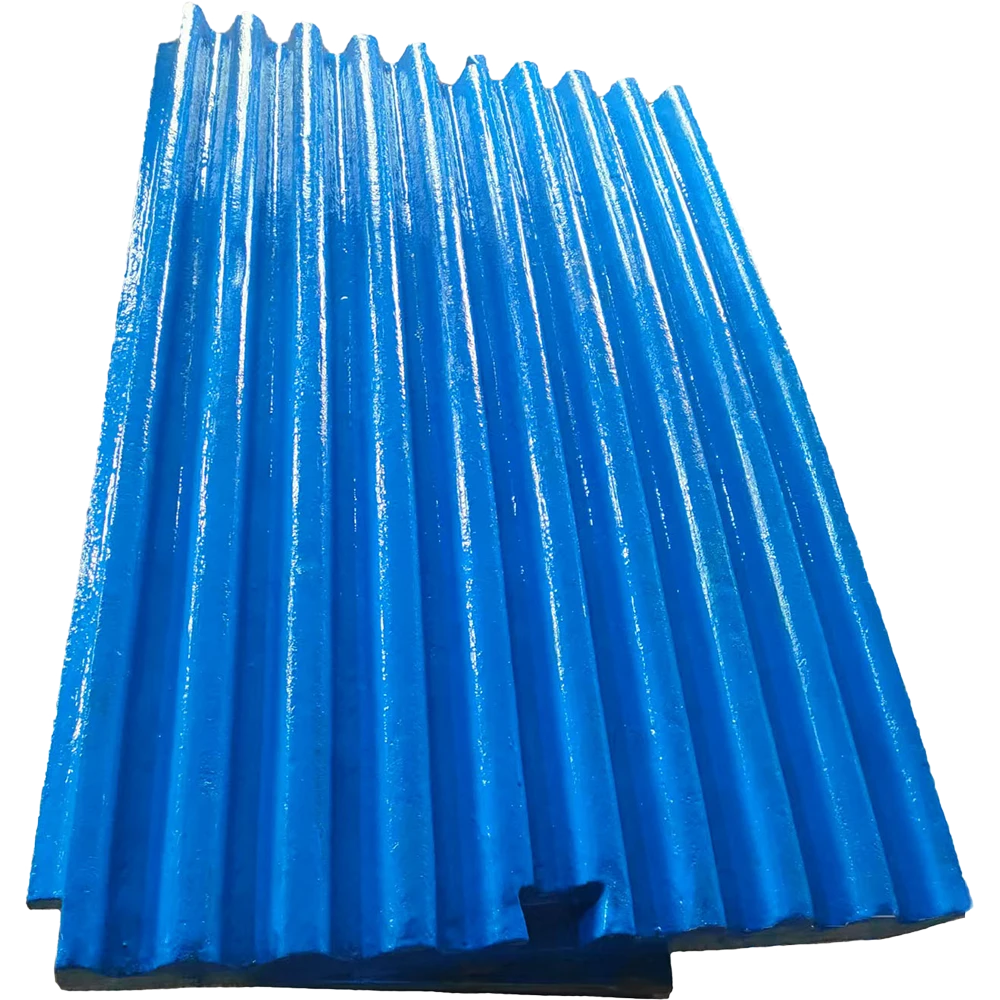
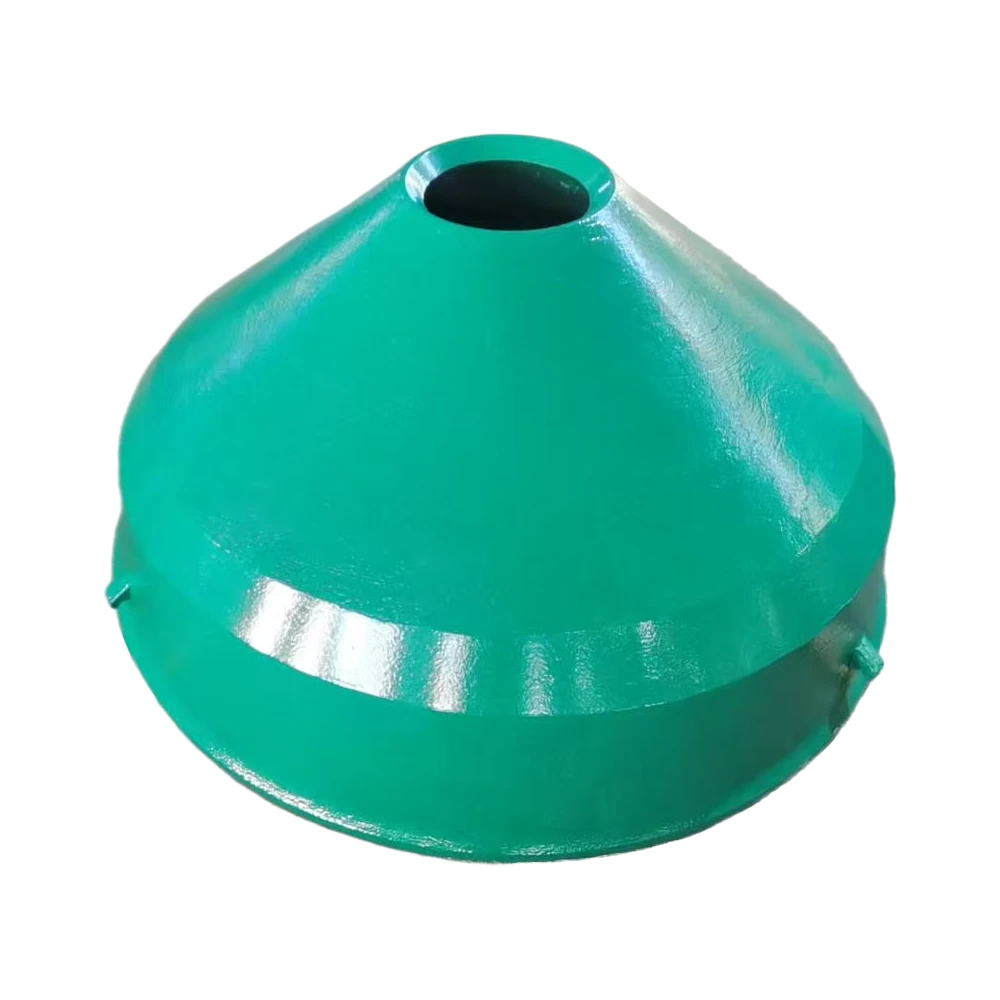
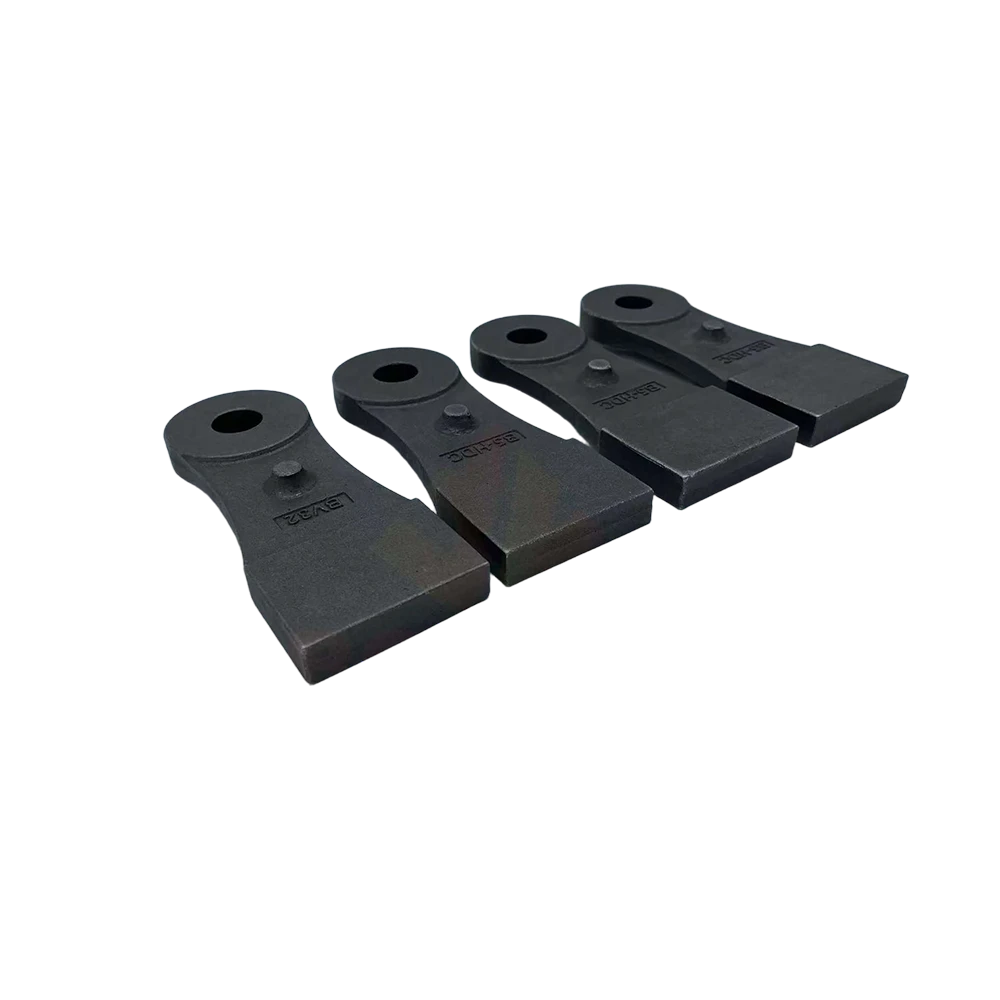
Having spent well over a decade around industrial equipment—and a good chunk of that time in crushing operations—I can honestly say crusher plates are one of those parts you rarely think about until they cause a headache. But oddly enough, they're absolutely critical. If you’ve ever looked inside a jaw crusher or a cone crusher, you’ll see these plates working relentlessly to break down stone, ore, or scrap metal, often under punishing conditions.
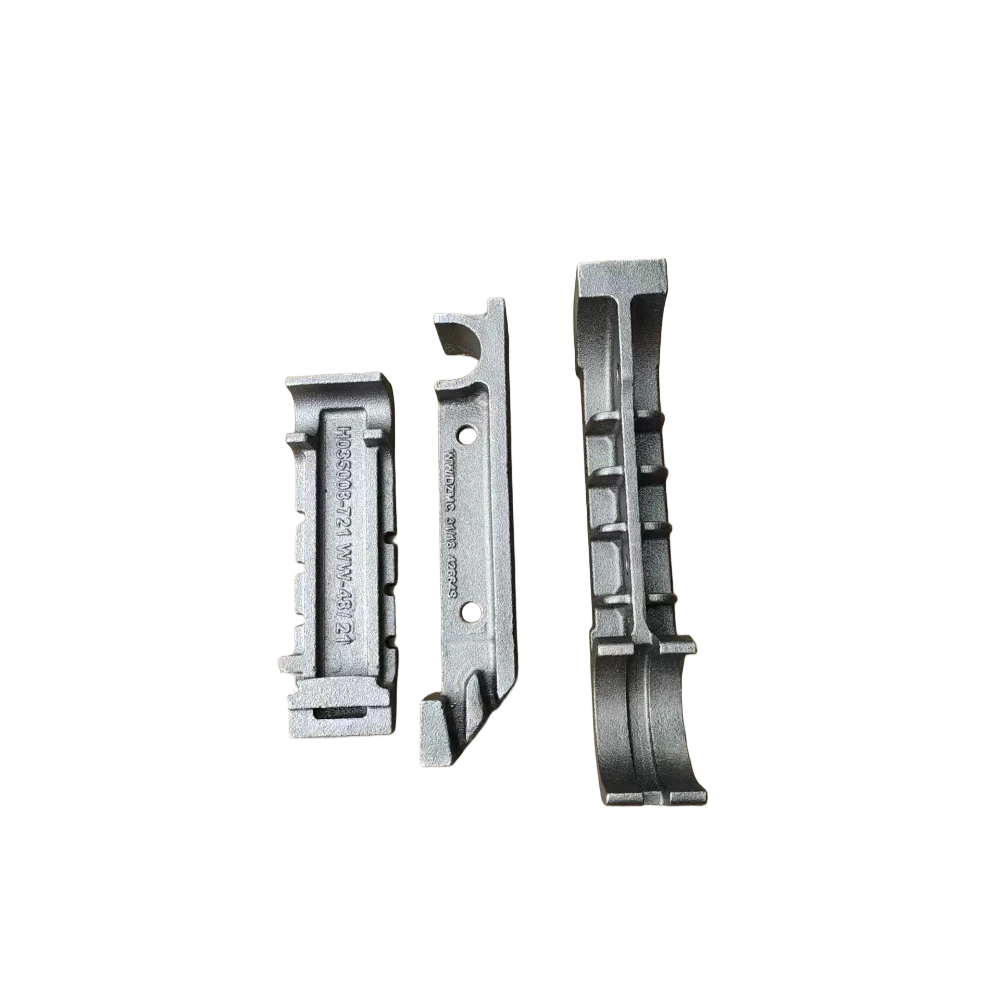
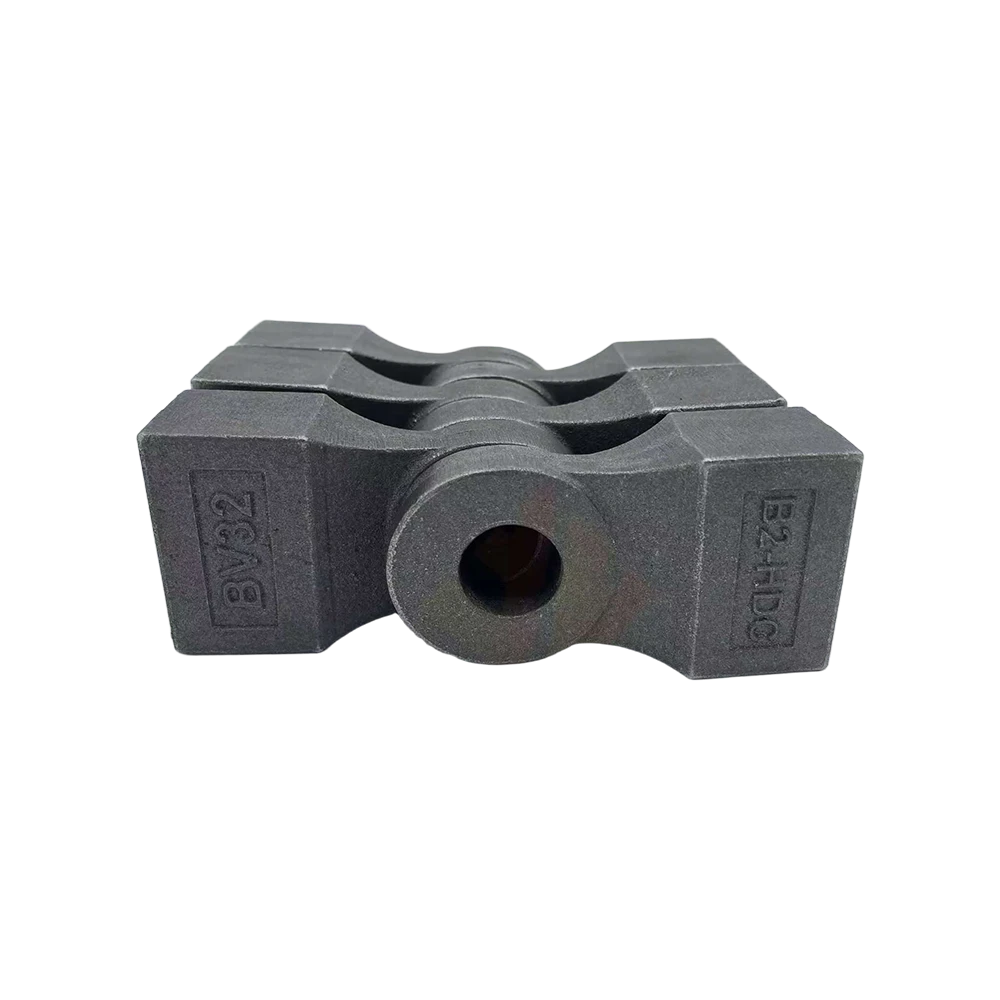
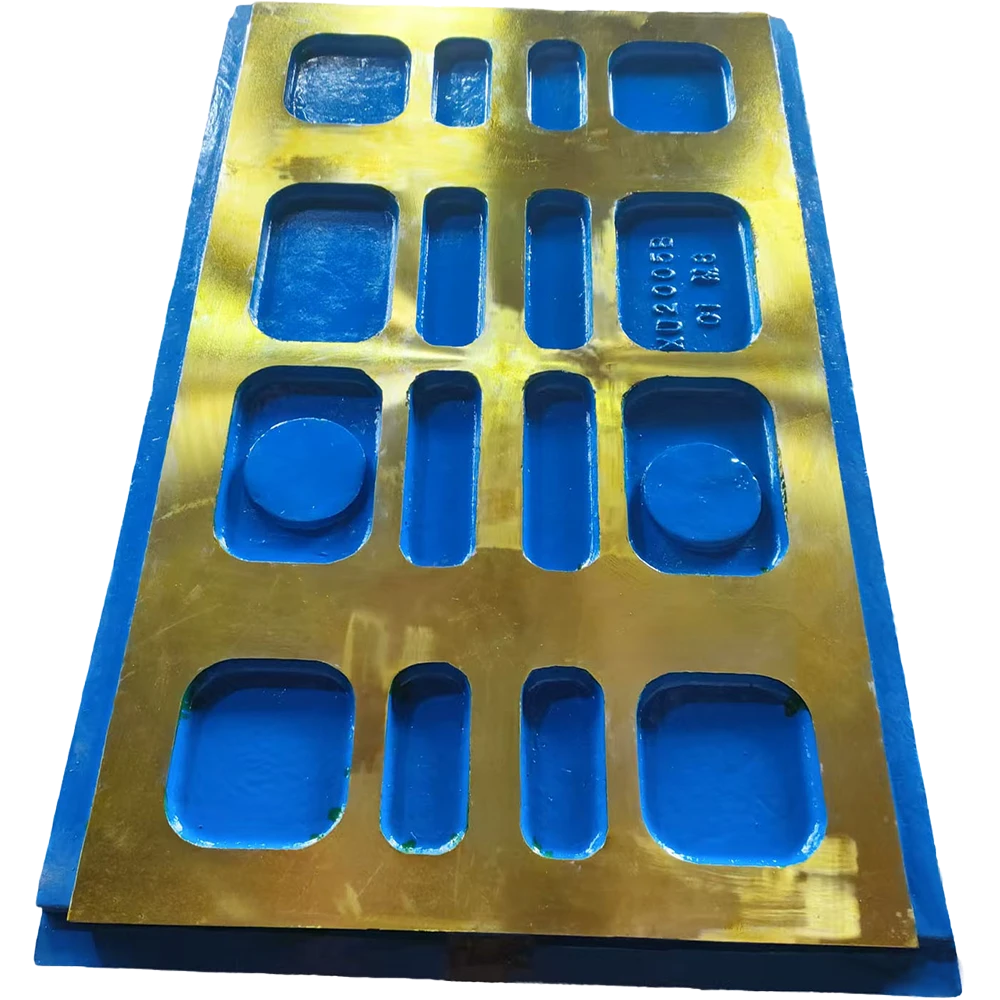
In real terms, a crusher plate is a wear part, made to protect the crusher’s frame and increase the life of the machine. What caught my attention over the years is just how much engineering goes into the metallurgy and design of these plates. It’s not just “steel,” as some might assume, but a very specific alloy chosen for both toughness and the ability to resist abrasion.
Nowadays, leading manufacturers commonly use manganese steel—sometimes called Hadfield steel—for its remarkable work hardening properties. Basically, the harder it gets beaten, the tougher it becomes. That’s a neat trick and it’s why these plates don’t just fail after a few months. Still, you’ll see significant variation in quality that can impact uptime and maintenance costs.
Speaking of maintenance, I once worked alongside a plant engineer who swore by customizing crusher plates to better suit their material feed. Instead of a standard thickness and curvature, they requested a slightly thicker plate with deeper grooves—claiming it reduced jamming by 15%. I’ve heard similar anecdotes from others, which goes to show these parts aren’t always “one size fits all.” If you’re sourcing these, don’t be shy about asking vendors about customization options.
| Specification | Details |
|---|---|
| Material | Manganese Steel (Hadfield) or Chromium-Manganese Alloy |
| Hardness | 200–260 HB (scale varies with heat treatment) |
| Thickness | 12 mm to 60 mm (customizable) |
| Design | Grooved, Smooth, or Corrugated |
| Heat Treatment | Quenching and Tempering usually applied |
| Common Uses | Mining, Quarrying, Recycling, Construction |
When I first studied crusher plates, I underestimated their complexity. For example: the way they are cast versus forged can influence fracture resistance. Casting allows for intricate shapes but can have porosity risks, while forging tends to create denser, tougher plates but at a higher price. Depending on your application, sometimes going for the forged variety markedly pays off in long-term reliability.
Another factor that’s often overlooked—besides metallurgy—is the quality control testing. Most reputable suppliers run impact and abrasion resistance tests conforming to ASTM or ISO standards. Honestly, it feels reassuring when you get a test report with your order, though not all vendors provide them. In my experience, this transparency often correlates with better product performance.
| Feature | DZMC Casting | Generic Supplier A | Generic Supplier B |
|---|---|---|---|
| Material Quality | High-grade Manganese Steel with heat treatment | Standard manganese cast steel | Chromium alloy, no heat treatment |
| Customization | Custom sizes & designs on request | Limited options | None |
| Quality Testing | Full test reports (ASTM standards) | Spot checks only | No test reports |
| Lead Time | 2–4 weeks | 1–3 weeks | 4–6 weeks |
| Price Point | Mid to high (reflects quality) | Low | Mid-range |
To sum up, crusher plates are humble but ultimately vital components that deserve more attention when you’re specifying parts or troubleshooting wear issues. Ordering from a trusted vendor who understands the nuances of material science and manufacturing often saves you time, money, and hassle. If you’re serious about uptime, it pays to get plates that fit your crusher’s exact demands—tailored wear solutions work wonders.
Oh, and if you want to dive deeper or need reliable parts, this site is where I often find quality crusher plates with decent customization options.
In the end, equipment doesn’t just run on steel but on thoughtful engineering and respect for wear challenges.
References:
- “Wear Resistant Materials for Crushing Applications,” Industrial Metallurgy Journal, 2021.
- ASTM International Standards on Abrasion and Impact Testing, ASTM A532.
- Interview notes with plant engineer, Quarry Operations, 2019.
-
High Performance oem cast heat resistant steel for Industrial UseNewsApr.16,2026
-
Guide to Selecting High Quality Cast Heat Resistant Steel AlloysNewsApr.09,2026
-
Custom Cast Heat Resistant Steel Solutions for High Temperature ApplicationsNewsApr.07,2026
-
Comprehensive Guide to Wholesale Cast Heat Resistant Steel for Industrial ApplicationsNewsApr.04,2026
-
Comprehensive Guide to High Performance Heat Resistant Metal Product SolutionsNewsMar.31,2026
-
Expert Guidance on Heat Resistant Metal Quotes and Alloy SelectionNewsMar.28,2026