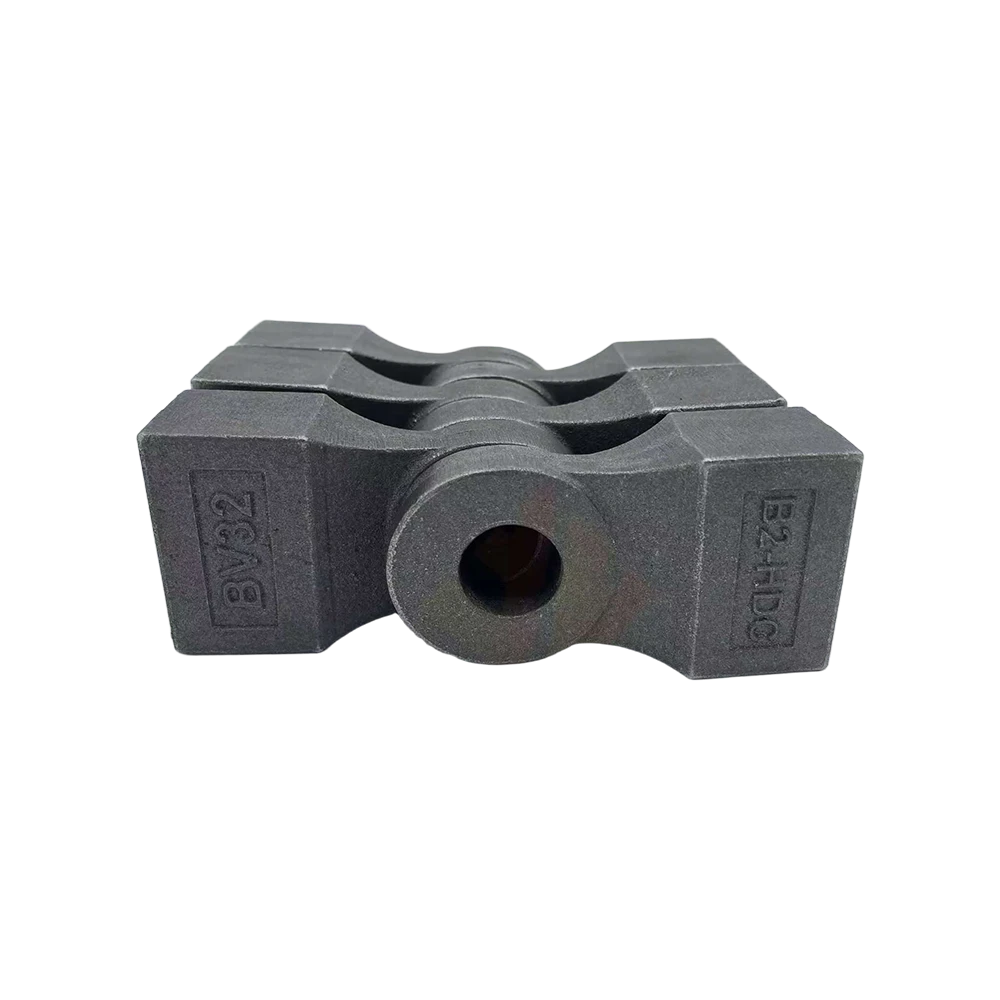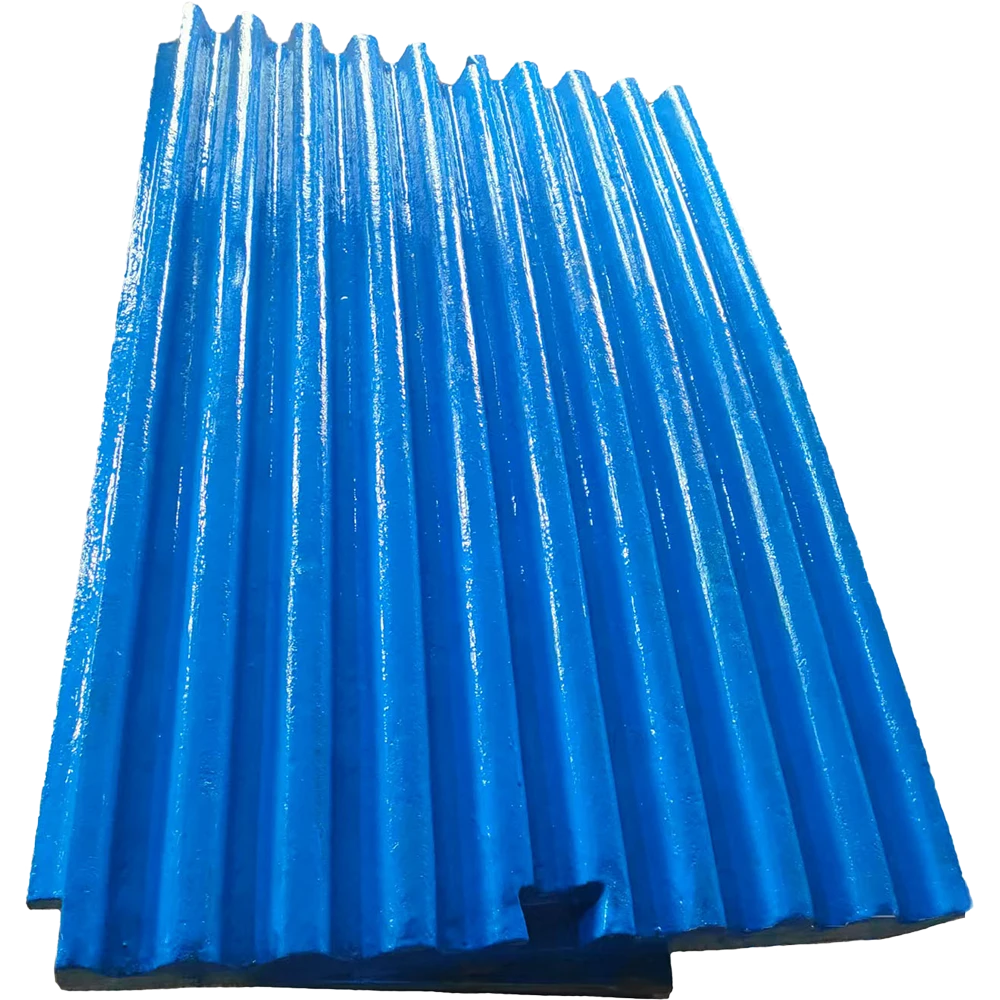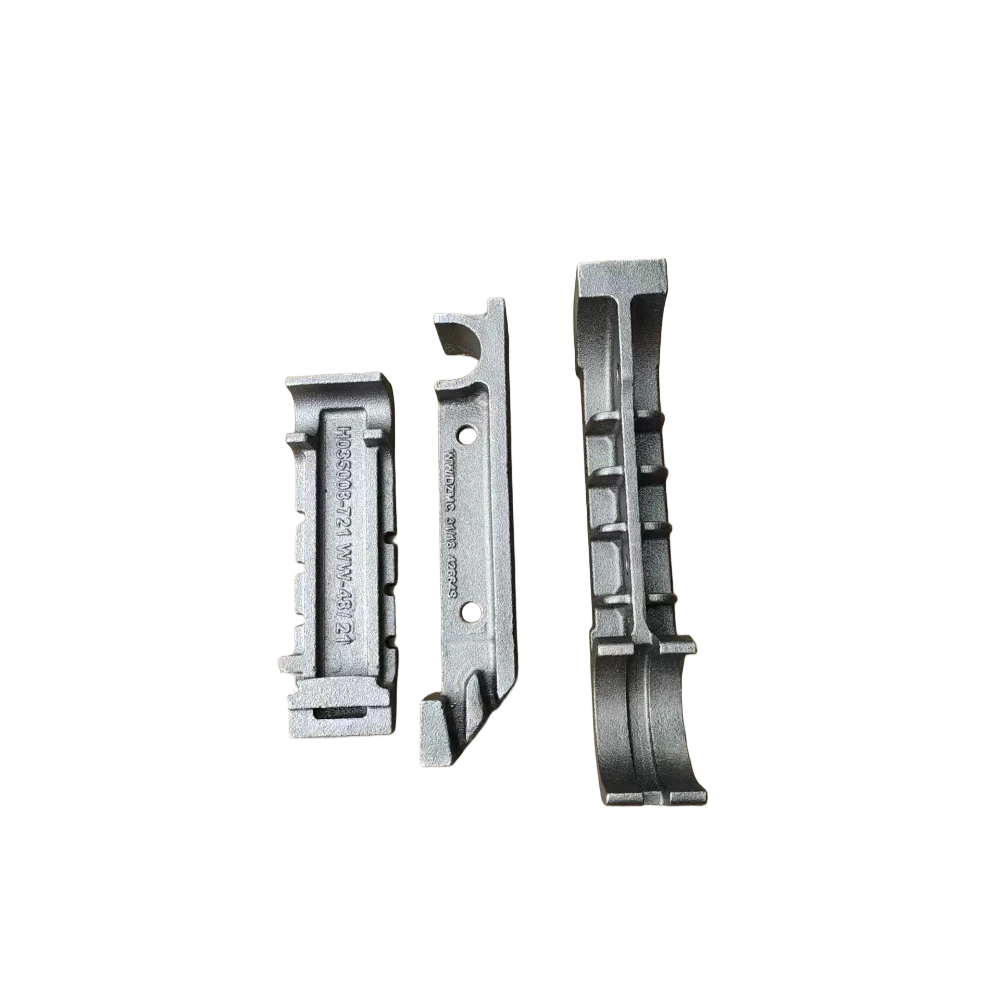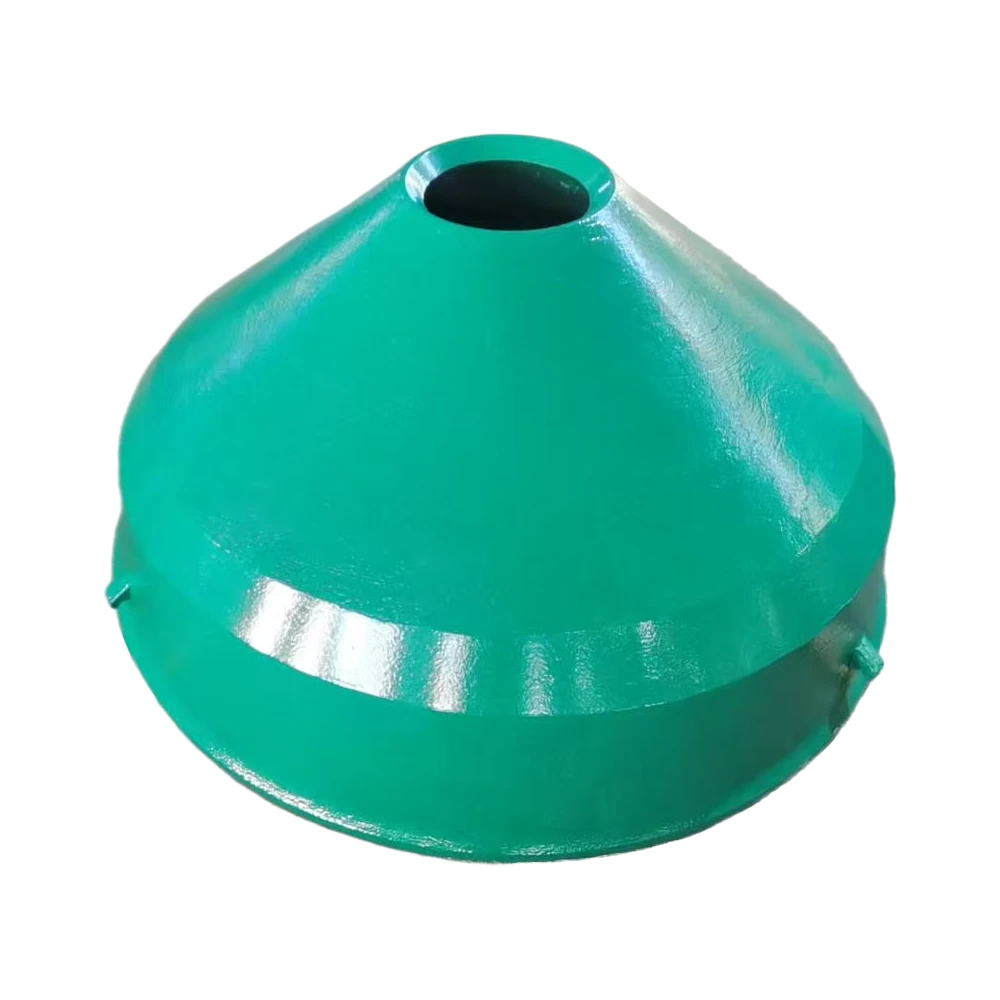
Leading Heat Resistant Steel Products Manufacturer | Durable & Custom Steel Solutions
The Growing Importance of Heat Resistant Steel Products Manufacturer in a Changing World
At first glance, the phrase heat resistant steel products manufacturer might sound like industry jargon reserved for engineers and material scientists. But, in reality, these manufacturers quietly anchor some of the most critical sectors worldwide. Think about it: from power plants pushing the boundaries of energy efficiency to aerospace engines enduring unimaginable heat, the demand for advanced heat resistant steel products affects the global economy and human well-being in tangible ways.
Why does this matter? For starters, the International Organization for Standardization (ISO) estimates that industries using heat resistant steel components contribute trillions of dollars annually to global GDP, supporting innovation from renewable energy to infrastructure resilience. Yet, the challenge lies in developing steels that not only resist extreme temperatures but also hold up under corrosive environments and mechanical stress. That’s exactly where top-tier heat resistant steel products manufacturer come in — they solve problems that yearn for technical finesse and an eye on sustainability.
What Does a Heat Resistant Steel Products Manufacturer Really Do?
In simple terms, a heat resistant steel products manufacturer designs and fabricates steel materials and components that perform reliably under high-temperature conditions. This means creating steel alloys that keep their strength, shape, and corrosion resistance when the heat dial cranks up—sometimes above 1,000°C (that’s roughly 1,800°F!).
These manufacturers aren’t just tossing metals in ovens, either. They engineer specialized grades of steels—for example, stainless variations with chromium, molybdenum, or nickel additives—that meet stringent industrial criteria. This specialization is vital in sectors ranging from petrochemicals to aerospace and even energy generation, where failing materials can mean catastrophic downtime or safety hazards.
Core Attributes That Define Excellence in Heat Resistant Steel Products
1. Durability Under Extreme Conditions
Durability isn’t just a nice-to-have; it’s the sine qua non. Heat resistant steel must withstand thermal expansion, contraction, and oxidation cycles over years of service with minimal degradation.
2. Chemical and Corrosion Resistance
In many industrial environments, heat comes packaged with harsh chemicals. Outstanding manufacturers engineer steels that resist these corrosive agents, extending the life of components and decreasing downtime.
3. Scalability and Customization
Whether it’s a bespoke turbine blade or mass-produced furnace panels, the ability to scale production without sacrificing quality is fundamental. This flexibility keeps costs reasonable and projects on schedule.
4. Cost Efficiency
Even with advanced alloys, manufacturers strive to balance performance gains with production expenses. Efficient use of raw materials and innovative processing helps keep prices competitive.
5. Compliance and Certification
Adhering to ISO and ASTM standards safeguards performance expectations. Certified manufacturers build trust—and often gain advantage in global markets.
Typical Specifications of Heat Resistant Steel Products
| Parameter | Specification Range | Typical Applications |
|---|---|---|
| Operating Temperature | 600–1,200°C (1,112–2,192°F) | Power generation, furnace linings |
| Tensile Strength | 400–800 MPa | Automotive exhaust systems, pipelines |
| Corrosion Resistance | Grade 304, 316 stainless steel variants | Chemical plants, marine applications |
| Thermal Conductivity | ~15–25 W/m·K | Heat exchangers, engine parts |
Where Heat Resistant Steel Finds Real-World Impact
Globally, the reach of heat resistant steel products is vast. For example, in the Middle East’s petrochemical facilities, these steels safeguard critical infrastructure where thermal and chemical challenges collide relentlessly. Across Europe, manufacturers supply materials for high-speed trains’ braking systems that experience severe heating during operation.
Even NGOs working in disaster recovery value quick-deploy heat resistant steel shelters that survive wildfires or industrial fires, giving communities safer housing solutions that stand longer and protect better. In remote industrial zones in Canada or Australia, maintaining equipment uptime often hinges on these materials withstanding extremes year-round.
Comparing Top Heat Resistant Steel Products Manufacturers
| Manufacturer | Specialty | Global Reach | Certifications | Custom Solutions |
|---|---|---|---|---|
| DZM Casting | High-temp alloys & casting | Worldwide | ISO 9001, ASTM | Full custom grades & sizes |
| SteelTech Corp | Mass production, mid-grade steel | Primarily Asia & Europe | ISO 14001 | Limited customization |
| AlloyMasters Inc. | Specialty aerospace alloys | North America & Europe | AS9100, ISO 9001 | Highly customized |
Why Invest in Heat Resistant Steel Products? Advantages & Lasting Value
It’s not just about withstanding heat. Manufacturers offering top-notch heat resistant steel products deliver long-term cost savings through durability, meaning less equipment replacement and downtime. Add sustainability: with growing environmental regulations, these steels allow industries to design safer, more efficient plants with lower emissions.
From an emotional perspective, many engineers I know mention the "peace of mind" that comes with reliable materials. When lives or expensive assets are on the line, knowing the steel won’t fail in meltdown conditions creates trust and confidence. This combination of logical and emotional benefit often pushes companies to choose specialized manufacturers over generic suppliers.
Innovations Shaping the Future of Heat Resistant Steel Manufacturing
The future seems pretty exciting. From incorporating nanotechnology to boost heat resistance to greener production methods reducing carbon footprints, manufacturers keep pushing boundaries. Automation and digital twins help optimize production, lowering defects and speed times.
The rise of green energy projects needing corrosion- and heat-resistant steel for wind turbines and next-gen nuclear reactors means manufacturers must innovate relentlessly. Plus, increased integration of AI-driven quality control promises a sharper eye on minute flaws before steels hit the field.
Challenges and How Industry Experts are Tackling Them
Challenges abound in this space. Complex alloy formulations can rack up costs, and strict regulatory environments demand meticulous compliance. Logistically, transporting large castings without damage is no joke, especially with customized specs.
Leading manufacturers approach these with agile R&D—partnering with global institutes to develop cost-effective alloys—and employ robust supply chain monitoring. Some even offer on-site testing and certification consultation, removing guesswork from client relationships. It feels a bit like each challenge sparks new creative solutions...
FAQ: Practical Questions Around heat resistant steel products manufacturer
- What materials do heat resistant steel manufacturers typically use?
- They often use chromium-nickel stainless steels, ferritic steels, and special superalloys that tolerate high temperatures and corrosive environments, tailored to the application’s exact demands.
- How does heat resistant steel improve industrial safety?
- By maintaining structural integrity at extreme temperatures, these steels prevent equipment failure, reducing risk of fires, explosions, or leakages that could harm people and ecosystems.
- Can heat resistant steel products be customized for unique projects?
- Absolutely. Leading manufacturers offer bespoke grades, thicknesses, and shapes to fit specialized equipment, enabling innovation and optimized performance across industries.
- How do manufacturers ensure quality compliance?
- They adhere strictly to international standards such as ISO and ASTM, perform rigorous testing (both lab and on-site), and maintain certifications that validate their production processes and product reliability.
Final Thoughts: Why Choose a Trusted Heat Resistant Steel Products Manufacturer?
In the long run, aligning with a qualified heat resistant steel products manufacturer isn’t just about buying steel; it’s about partnering for reliability, innovation, and sustainable growth in your industry. Whether your project involves extreme heat recovery systems or protecting communities from hazardous thermal environments, these manufacturers are the backbone experts helping turn challenges into opportunity.
For those who want to dive deeper or explore tailored solutions, I highly recommend visiting heat resistant steel products manufacturer. Their expertise in casting and custom alloy development sets a high bar.
1. International Organization for Standardization - ISO Standards: iso.org
2. World Bank Data on Industrial Manufacturing: data.worldbank.org
3. Wikipedia: Heat Resistant Steel wikipedia.org
-
High Performance oem cast heat resistant steel for Industrial UseNewsApr.16,2026
-
Guide to Selecting High Quality Cast Heat Resistant Steel AlloysNewsApr.09,2026
-
Custom Cast Heat Resistant Steel Solutions for High Temperature ApplicationsNewsApr.07,2026
-
Comprehensive Guide to Wholesale Cast Heat Resistant Steel for Industrial ApplicationsNewsApr.04,2026
-
Comprehensive Guide to High Performance Heat Resistant Metal Product SolutionsNewsMar.31,2026
-
Expert Guidance on Heat Resistant Metal Quotes and Alloy SelectionNewsMar.28,2026