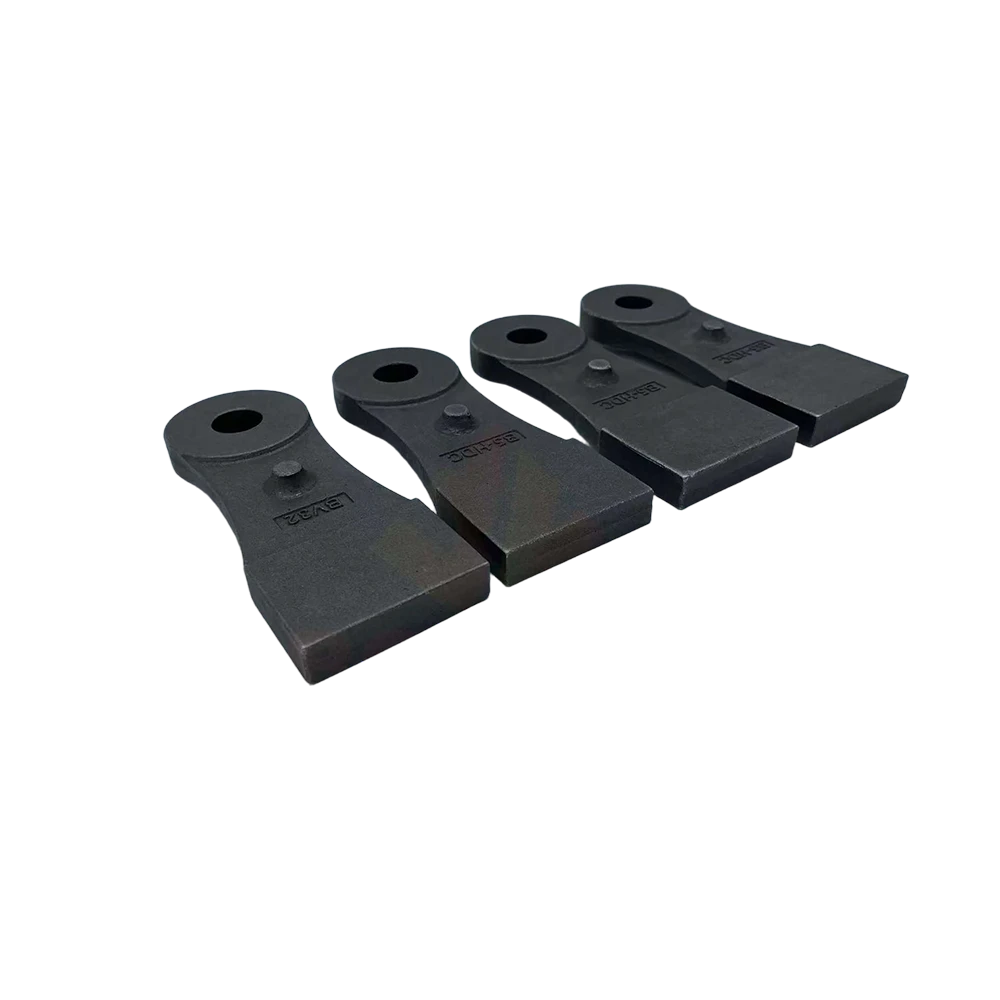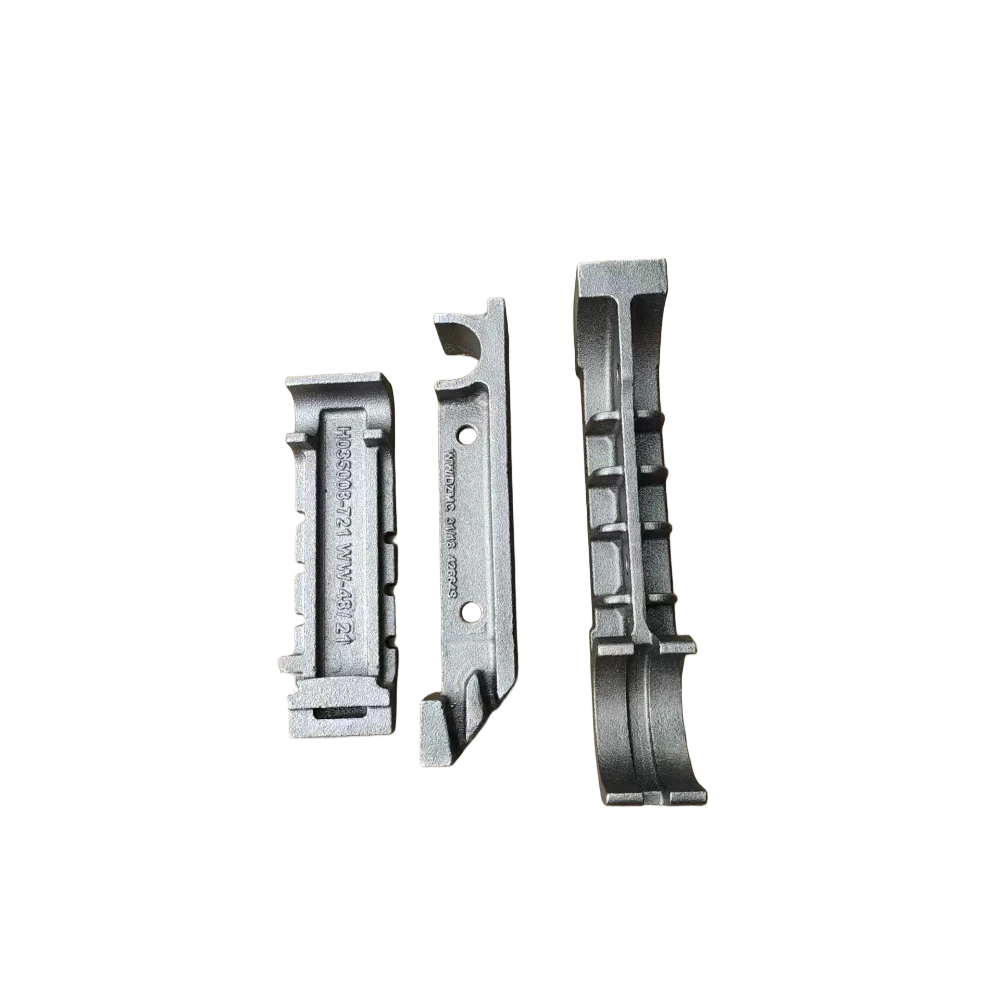
Reliable Heat Resistant Steel Products Supplier for High-Temperature Applications
Heat Resistant Steel Products Supplier: Why It Matters in Today’s World
When it comes to industries operating under extreme conditions — be it aerospace, power plants, or chemical processing — the demand for materials that withstand high temperatures is huge. That’s where a heat resistant steel products supplier steps in, providing specialized steels designed to resist deformation, oxidation, and creep at elevated temperatures. Globally, this material is critical for safety, efficiency, and innovation.
Why care about it on a global scale? Well, with industries pushing the envelope in performance—from greener energy generation to high-speed transportation—reliable heat resistant steels reduce downtime, enhance safety, and prolong equipment life. Understanding the products and sourcing them thoughtfully is an understated yet vital key to modern infrastructure and development.
The Global Context: Meeting High-Temperature Challenges Worldwide
The market for heat resistant steel products has grown steadily, especially in regions busy with industrial expansion such as Asia-Pacific and the Middle East. According to the International Organization for Standardization (ISO), steel components that tolerate extreme heat are essential to meeting stringent global standards for safety and environmental control. The World Bank reports burgeoning investments in thermal and nuclear plants, both of which rely heavily on these steels.
But here’s the rub: traditional steels can catastrophically fail under prolonged thermal stress, causing costly shutdowns or, worse, accidents. This challenge creates an urgent need for suppliers who not only provide quality products but also keep pace with evolving technical standards and eco-compliance.
Mini takeaway: As global industrial networks grow more complex, sourcing dependable heat resistant steel products isn’t just a purchase. It’s a cornerstone of operational reliability and safety in harsh environments.
What Exactly Is a Heat Resistant Steel Products Supplier?
Simply put, a heat resistant steel products supplier is a company or manufacturer specializing in forging, fabricating, and delivering steel materials designed to endure high temperatures without losing their mechanical properties. These suppliers cater to specific alloys, commonly including stainless steel grades like 304H, 310S, or specialized creep-resistant alloys such as P91.
Their role extends beyond just selling steel. They often provide technical expertise on material grades, heat treatment processes, and coatings — all critical for achieving durability in service. This is especially important for industries like energy, petrochemicals, and even humanitarian sectors where reliability can mean safety and stability in tough circumstances.
Mini takeaway: These suppliers bridge raw metallurgy and real-world industrial applications, often acting as invaluable partners in innovation and compliance.
Key Factors To Consider When Choosing Heat Resistant Steel Products
1. Durability and Temperature Resistance
The first thing you want is steel that doesn’t warp, crack, or corrode at your required operating temperature. Creep resistance—essentially, how well steel holds up under long-term stress at high heat—is a core metric. It’s not just what temperature a steel can hit, but how long it can sustain that level that counts.
2. Scalability and Supply Chain Reliability
It’s one thing to make or sell a few specialized steel parts; it’s another to serve large industrial projects consistently. A reputable heat resistant steel products supplier must have a solid, transparent supply chain, delivering timely and scale-able solutions.
3. Cost Efficiency and Lifecycle Value
Cheaper steel that fails early is a false economy. Paying a bit more upfront for high-performance steels often reduces maintenance and replacement costs in the long run.
4. Customization and Technical Support
Every application has its quirks. A great supplier offers customized grades, heat treatments, and even machining support — so the steel fits the job, not the other way around.
5. Environmental and Regulatory Compliance
Many modern projects require eco-friendly materials that meet ISO, ASTM, or regional standards. A supplier aware of these nuances will ease your certification headaches.
Where Heat Resistant Steel Products Are Making a Difference
The impact is global and diverse: from the LNG plants of Qatar to India’s thermal power stations, or aerospace manufacturing hubs in Europe. Take, for instance, post-disaster energy recovery where reliable steel pipes and components hasten infrastructure rebuilds with minimal risk. Or the chemical industry, where corrosion-resistant heat steels safeguard processes and workers alike.
Even in remote industrial zones — say a mining site in Western Australia — the ability to source dependable heat resistant steels from a trustworthy supplier drastically reduces downtime caused by equipment failure.
Mini takeaway: These steels aren't just parts; they’re silent sentinels of safety and progress in high-stakes environments worldwide.
Product Specifications: Typical Heat Resistant Steel Grades
| Grade | Max Service Temp (°C) | Key Applications | Corrosion Resistance |
|---|---|---|---|
| 304H | 870 | Heat exchangers, furnace parts | Good |
| 310S | 1100 | Boilers, chimney liners | Very Good |
| P91 | 650 | Power plant pipes, pressure vessels | Excellent |
Comparing Leading Heat Resistant Steel Products Suppliers
| Supplier | Range of Alloys | Technical Support | Delivery Timelines | Sustainability Focus |
|---|---|---|---|---|
| SteelCo Global | Wide (including custom alloys) | 24/7 technical hotline, on-site consultation | 2–4 weeks standard | ISO 14001 certified, recycling programs |
| HeatRes Supplies | Moderate, mostly key grades | Regular training webinars, project advice | 1–3 weeks with express options | Focus on energy-efficient production |
| MetalMax Solutions | Niche alloys, experimental materials | Dedicated R&D teams for customization | 4–6 weeks | Pioneer in low-carbon forging techniques |
Advantages and Long-Term Value of Reliable Steel Suppliers
Choosing the right heat resistant steel supplier isn’t just a transaction — it is a way to mitigate risk fundamentally. The benefits, in practical terms, manifest as less frequent maintenance interruptions, lower replacement expenses, and importantly, safeguarding human lives in hazardous environments.
On a sustainability front, modern suppliers implement greener production methods and recycling, aligning with global carbon neutrality targets. Emotionally, knowing your infrastructure components are dependable brings peace of mind — a priceless factor in industries where failure isn’t an option.
Looking Forward: Trends in Heat Resistant Steel Supply
Industry insiders often talk about “smart” steel — alloys embedded with sensors that monitor heat fatigue in real-time, making predictive maintenance smarter. Digital fabrication, automation in heat treatment, and advancements in material science continue to evolve the supplier landscape.
There’s also a marked push toward eco-friendly steels, driven by policy, consumer pressure, and market demand. Suppliers who couple performance with sustainable credentials will have a major edge.
Common Challenges and How Top Suppliers Overcome Them
Many clients worry about inconsistent quality and poor after-sales support. Heat resistant steel requires precise manufacturing and proper certification to deliver as promised. Leading suppliers counter this through rigorous testing, traceability, and pro-active client engagement.
Another snag is sometimes the lead time — specialized steel doesn't pop out of a machine overnight. Working with suppliers who manage stock intelligently or offer expedited options helps bridge that gap.
FAQs About Heat Resistant Steel Products Supplier
- What makes heat resistant steel products superior to normal steel?
- Heat resistant steels are specially alloyed and treated to endure high temperatures without losing strength or becoming brittle, unlike regular steels which can deform or corrode quickly under heat stress.
- How can I ensure timely delivery of heat resistant steel for a critical project?
- Choose suppliers known for reliable supply chains, verify their stock availability early, and opt for those offering express manufacturing or logistics options.
- Is customizing heat resistant steel grades common, and why is it needed?
- Yes, because every industrial application has unique temperature, chemical, and stress conditions. Customization ensures optimal performance rather than a one-size-fits-all approach.
- Do these steels comply with international environmental standards?
- Top suppliers produce steel that meets ISO and ASTM standards and are increasingly adopting eco-friendly manufacturing practices to reduce carbon footprints.
- How do I find a qualified heat resistant steel products supplier near my region?
- Leverage industry networks, trade shows, reliable online directories, and don’t hesitate to ask for client references and certifications to verify credibility.
Wrapping Up: Why Your Choice of Heat Resistant Steel Supplier Matters
At the end of the day, the importance of sourcing from a reputable heat resistant steel products supplier boils down to assurance — assurance that your operations, your people, and your investments all gain maximum protection and efficiency. If you’re navigating these needs, it’s worth exploring well-established suppliers who can back their promises with certifications, technical support, and a proven track record.
For those interested in exploring further, you might want to visit our website at heat resistant steel products supplier for a solid place to start.
References and Further Reading
- Wikipedia: Heat Resistant Steel
- ISO Standards on Heat Resistant Materials
- World Bank – Energy Sector Overview
-
High Performance oem cast heat resistant steel for Industrial UseNewsApr.16,2026
-
Guide to Selecting High Quality Cast Heat Resistant Steel AlloysNewsApr.09,2026
-
Custom Cast Heat Resistant Steel Solutions for High Temperature ApplicationsNewsApr.07,2026
-
Comprehensive Guide to Wholesale Cast Heat Resistant Steel for Industrial ApplicationsNewsApr.04,2026
-
Comprehensive Guide to High Performance Heat Resistant Metal Product SolutionsNewsMar.31,2026
-
Expert Guidance on Heat Resistant Metal Quotes and Alloy SelectionNewsMar.28,2026