Leading Jaw Plate Manufacturers | Durable Jaw Plates for Crushers
Understanding Jaw Plate Manufacturers: Why They Matter Globally
If you’ve ever paused by a large rock crusher or a mining facility, you might have glanced at heavy steel plates grinding rocks down to size. Those are jaw plates — and behind them, the world’s jaw plate manufacturers who forge the backbone of crushing machinery. But this isn’t just about rocks or metal. It’s about global infrastructure, economic growth, and even humanitarian engineering.
Industries ranging from mining to construction rely heavily on durable, precision-engineered jaw plates to keep their equipment operational and efficient. And with the surge in demand for raw materials globally — think: the World Bank estimating a 4% uptick in mineral extraction year over year — the role of quality jaw plate manufacturing is more vital than ever.
Understanding this niche doesn’t just help industry professionals pick suppliers; it unveils a world where engineering meets sustainability, innovation, and economic challenge.
Jaw Plate Manufacturers: An Industry Snapshot with Real Challenges
Globally, the crushing machinery market hits nearly $11 billion annually (ISO reports). An essential part of this is jaw plates, often custom-made by specialized manufacturers who understand metallurgy and wear-resistant technology inside out. Regions like Australia, China, and Europe dominate production, yet the demand spreads worldwide.
One classic problem? Wear and tear. Jaw plates face constant abrasive forces and impacts. If manufacturers don’t keep pace with material advances, downtime and repair costs skyrocket — a challenge that ripples down the supply chain.
For instance, the UN’s Industrial Development Organization highlights that improving manufacturing efficiency in critical components like jaw plates can boost mining productivity while reducing waste and environmental impact.
What Exactly Are Jaw Plate Manufacturers?
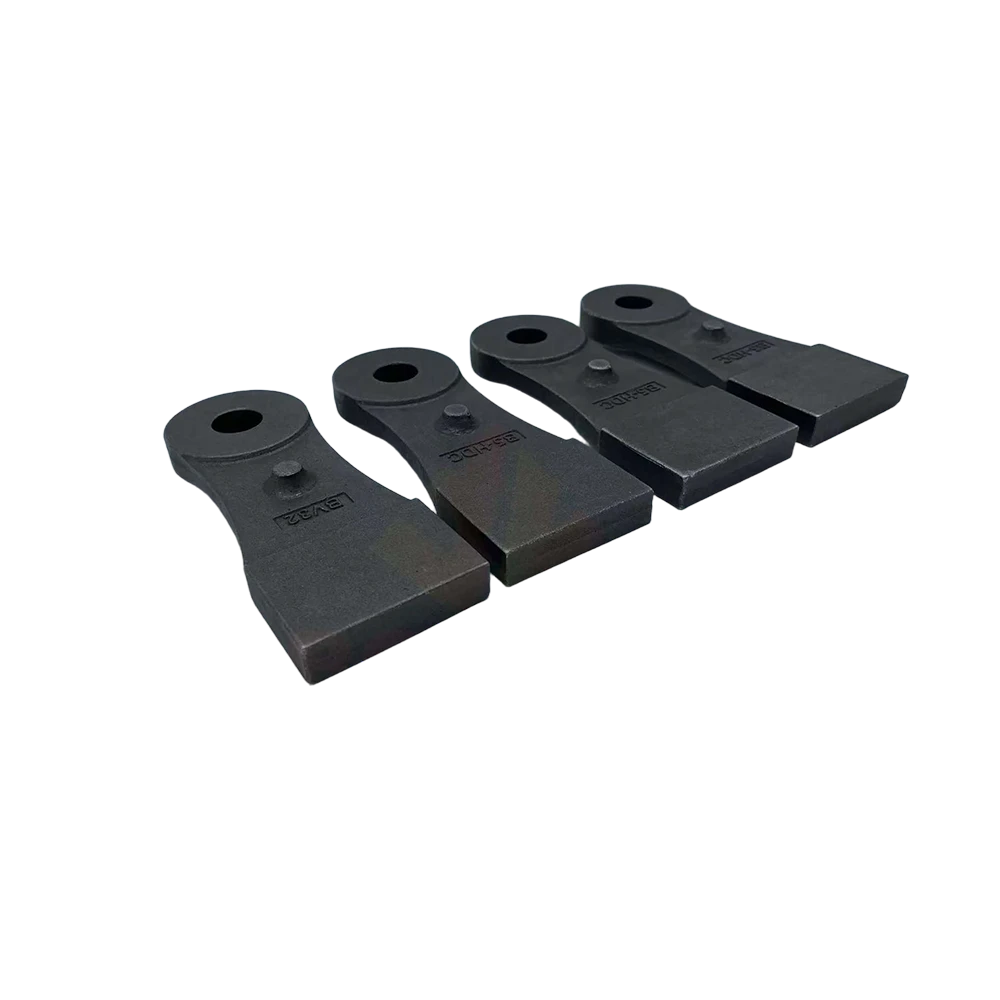
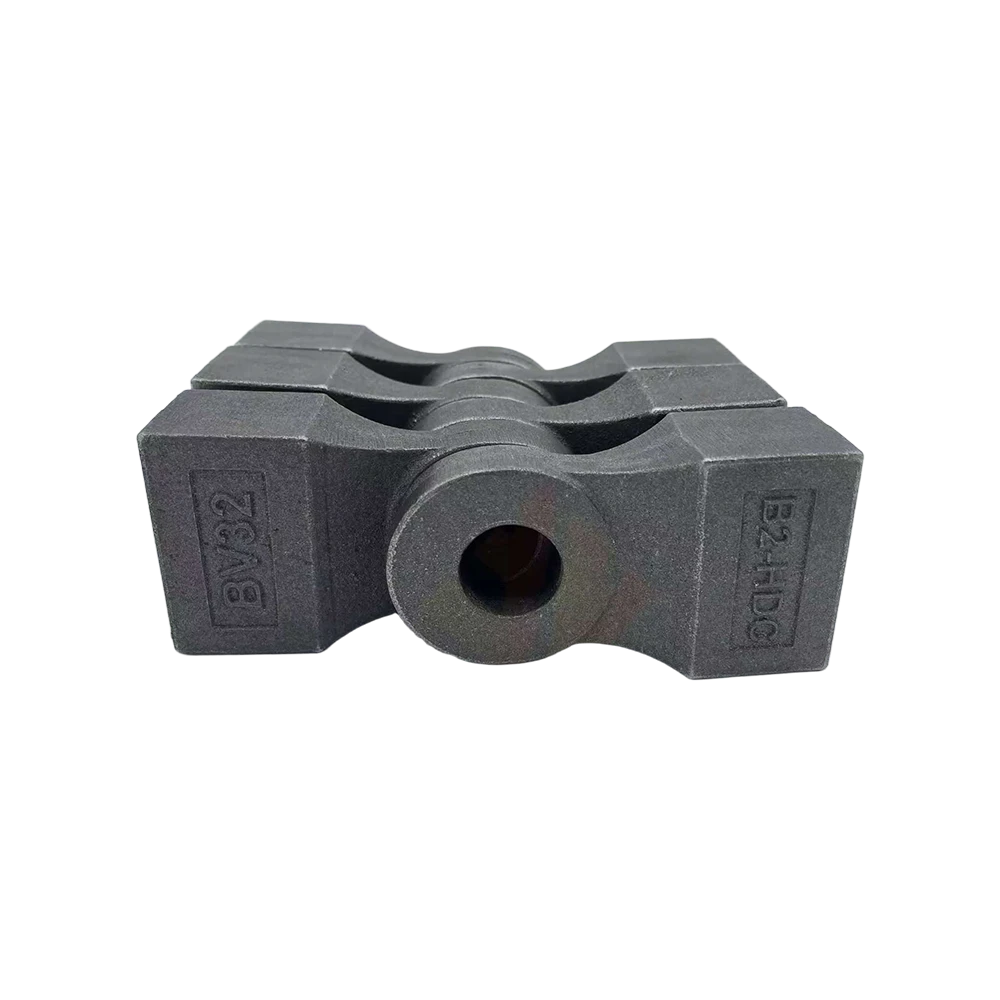
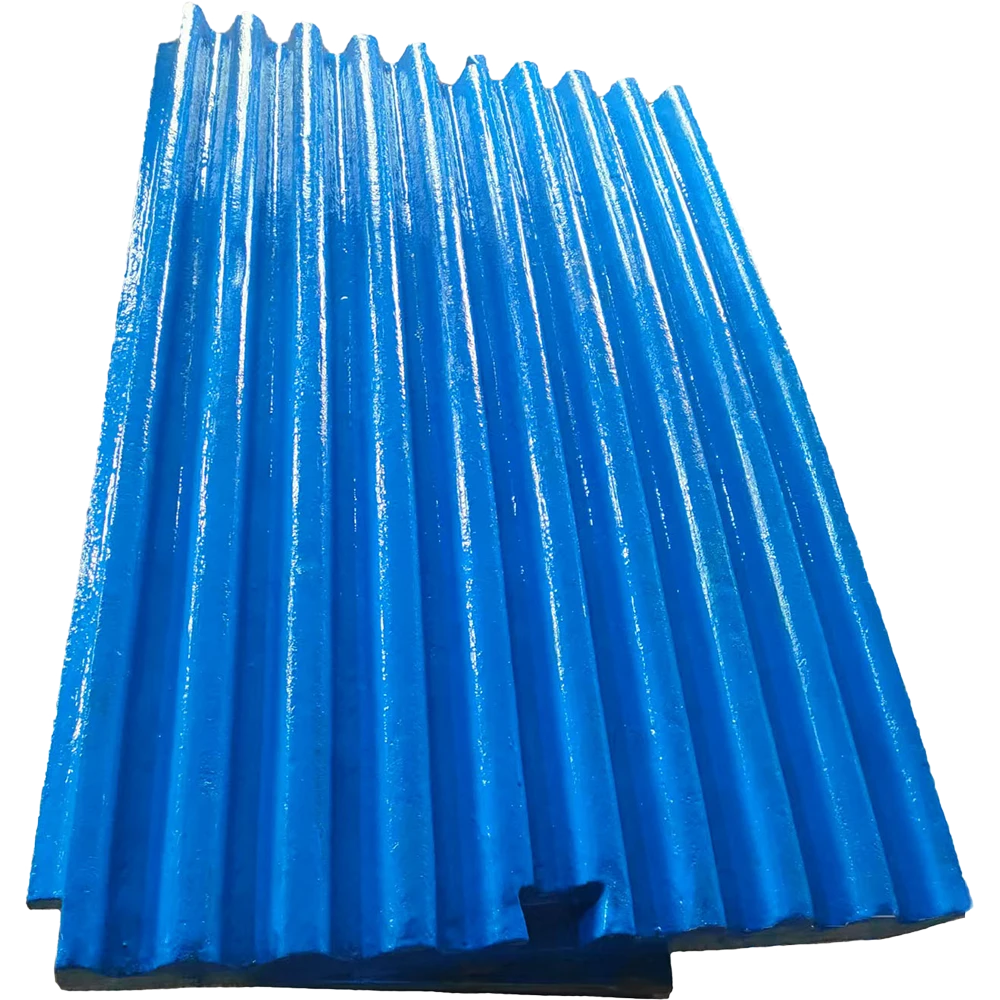
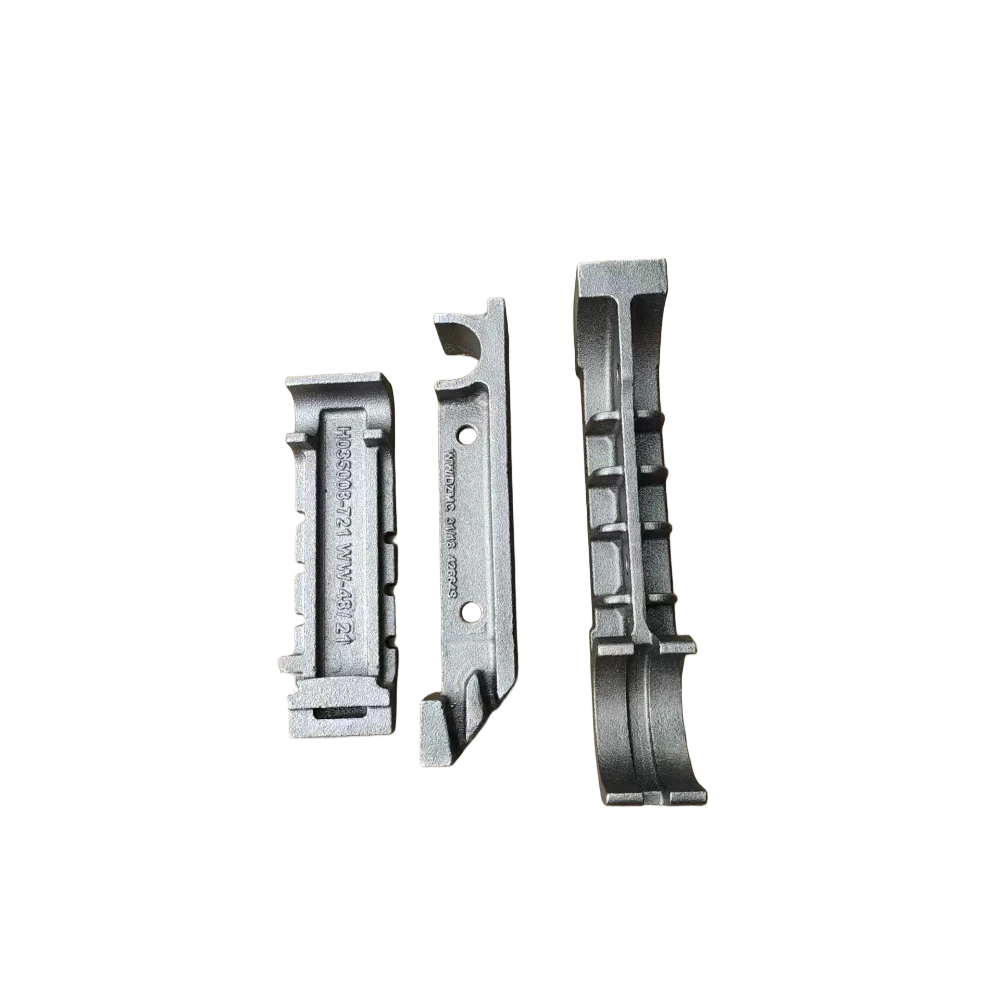
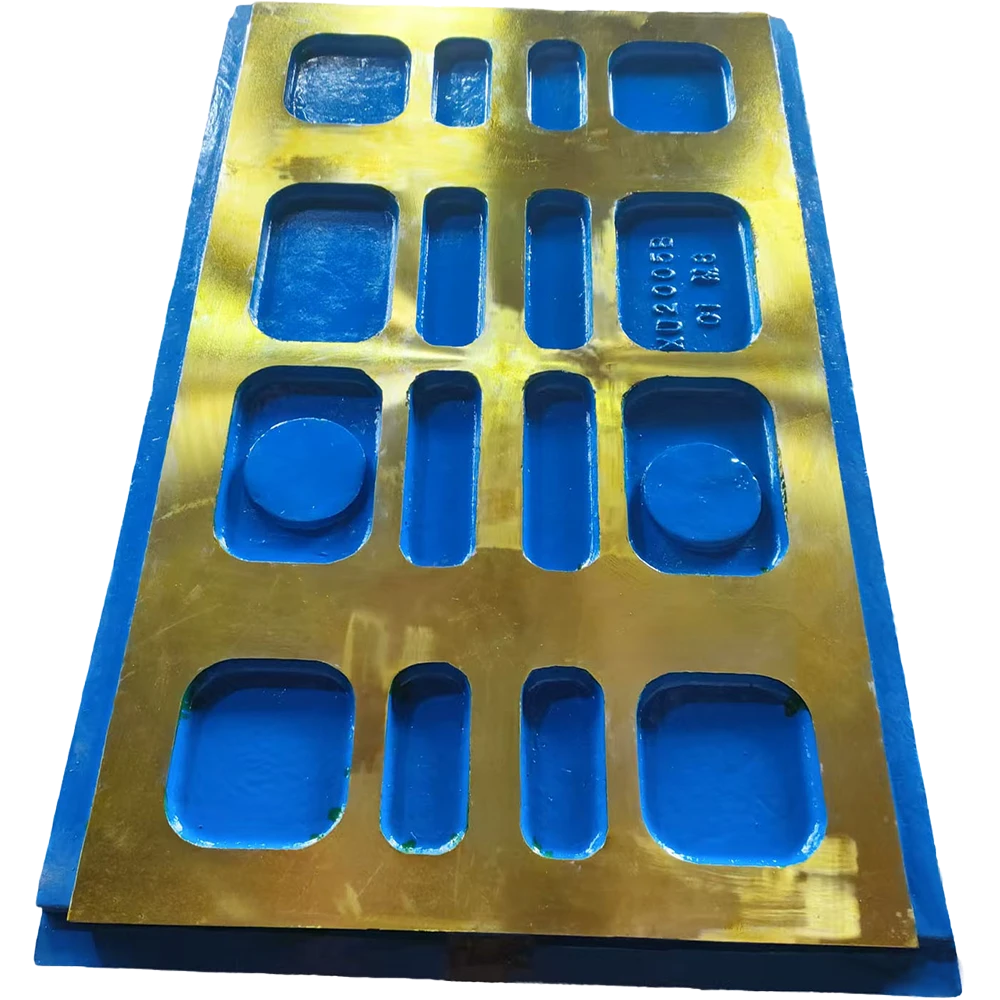
Simply put, jaw plate manufacturers specialize in producing steel plates — the tough “jaws” inside crushers that grip and break down rock, ore, or demolition debris. These plates undergo hardening, shaping, and quality checks to ensure they withstand extreme pressures.
The better the manufacturer understands materials science and mechanical design, the longer the plates last — directly impacting operations in mining, quarrying, or recycling sectors. Beyond industry, even humanitarian projects in disaster-hit areas depend on durable construction machinery fitted with reliable jaw plates.
Key Aspects of Jaw Plate Manufacturing
1. Durability and Material Science
Jaw plates need more than just toughness — they must resist abrasion, fatigue, and heat generated during crushing. Many manufacturers utilize manganese steel or alloyed steel with precise heat treatments to improve lifespan.
2. Precision Engineering & Fit
A jaw plate’s shape and fit affect crushing efficiency. Manufacturers use computer-aided design (CAD) and precise casting or forging methods to optimize plate geometry, reducing unnecessary wear.
3. Scalability and Customization
From small-scale crushers to heavy-duty machines, manufacturers must meet varied size demands and sometimes customize plates for specific feed materials or industry needs.
4. Cost Efficiency
Industry managers focus on “cost per ton” — the price of operation versus output — so manufacturers that combine performance with affordable pricing win the day.
5. Testing & Quality Assurance
Reputable jaw plate manufacturers implement strict testing protocols including hardness tests, wear simulations, and dimensional inspections.
How Jaw Plate Manufacturers Impact Global Industries
Mining in Canada, quarry operations in India, and recycling plants in Germany — all rely on jaw plates to grind down raw or waste materials efficiently. For instance, in remote industrial zones of Australia, durable jaw plates reduce downtime, which can save millions annually.
Moreover, in post-disaster reconstruction efforts, construction machinery equipped with high-quality jaw plates ensures rubble is recycled swiftly, supporting quicker rebuilding.
Here’s a quick rundown of where these manufacturers really shine:
- Mining and mineral extraction worldwide
- Construction and demolition
- Recycling and waste management
- Infrastructure projects in developing countries
- Disaster relief equipment providers
Common Specifications for Jaw Plates
| Specification | Detail |
|---|---|
| Material | High manganese steel (Mn13-Mn18) |
| Hardness | Typically 55-65 HRC |
| Heat Treatment | Quenching and tempering |
| Sizes | Customized, fits most crushers (e.g., PE, C-type crushers) |
| Expected Lifespan | Up to 8,000 operating hours (varies by use) |
Comparing Leading Jaw Plate Manufacturers
| Manufacturer | Material Quality | Customization | Delivery Time | Price Range |
|---|---|---|---|---|
| DZMC Casting | High manganese; strict QA | Full customization | 4–6 weeks | Mid to premium |
| SteelCast Ltd. | Alloyed steel | Standard sizes mostly | 3–5 weeks | Budget-friendly |
| HardJaw Inc. | Manganese steel with wear-resistant coating | Custom and rapid prototyping | 5–7 weeks | Premium |
Advantages & Long-Term Value Offered by Reliable Jaw Plate Manufacturers
Choosing a top-notch jaw plate manufacturer isn’t just about buying a strong part — it’s investing in trust, efficiency, and even safety. Here’s what many engineers swear by:
- Reduced downtime: Longer-lasting plates mean fewer shutdowns for replacement.
- Lower total cost of ownership: Spending a bit more upfront can save heaps over the equipment’s life.
- Environmental benefits: Durable plates mean less waste and fewer raw materials consumed.
- Performance reliability: Consistent crushing size and output translate to stable supply chains.
- Worker safety: Less frequent maintenance reduces exposure to hazardous environments.
It’s oddly satisfying when a well-made jaw plate quietly powers a machine week after week with barely a hiccup.
Emerging Trends & Innovations in Jaw Plate Manufacturing
The future? We’re seeing interesting developments like:
- Advanced alloys and composites: New materials deliver even better wear resistance without weight penalties.
- 3D printing and rapid prototyping: Shortening design cycles and enabling intricate geometries.
- Automation and robotics: Improving casting precision and consistency.
- Eco-conscious processes: Reduced emissions and energy-efficient heat treatments.
- Smart wear sensors: Embedding IoT devices to monitor jaw plate condition in real-time.
These innovations hint at a future where jaw plates don’t just survive crushing — they “adapt” and communicate their health directly to operators.
Overcoming Challenges Faced by Jaw Plate Manufacturers
Of course, not every day is smooth for jaw plate makers. Common issues include:
- High raw material costs causing price fluctuations
- Balancing hardness and toughness without brittle failures
- Meeting fast turnaround times for emergency replacements
- Adapting designs to novel crusher types or novel feedstocks
Many leading manufacturers tackle this by investing in R&D, flexible manufacturing lines, and improved client communication. Some even provide trial sets or on-site testing.
FAQ: Common Questions About Jaw Plate Manufacturers
Q1: How do jaw plate manufacturers ensure quality consistency?
A1: Reputable manufacturers apply strict quality control techniques, including chemical analysis of alloys, hardness testing, and wear simulation. Certifications such as ISO 9001 often back their processes to maintain consistent product performance.
Q2: Can jaw plates be custom-designed for specialized crusher models?
A2: Absolutely. Many manufacturers offer bespoke services using CAD models and client specifications. Custom plates optimize crushing efficiency and extend service life tailored to specific operation needs.
Q3: How long does a typical jaw plate last in heavy mining use?
A3: Lifespan varies depending on material hardness and feedstock abrasiveness but generally ranges between 5,000 to 8,000 operational hours before replacement is necessary.
Q4: Are eco-friendly manufacturing options available?
A4: Yes. More manufacturers adopt green practices like energy-efficient heat treatments, recycling scrap metal, and optimized casting processes that reduce emissions.
Q5: How can companies source jaw plates internationally?
A5: By partnering with experienced manufacturers who handle export logistics and adhere to international standards. Many offer support on customs documentation and supply chain coordination.
Wrapping Up: The Long-Term Impact of Choosing the Right Jaw Plate Manufacturer
When you think about it, jaw plate manufacturers may not be front-page news, but they’re quietly vital to everything from building roads to powering mining economies. Their work touches sustainability, workplace safety, and economic efficiency simultaneously — a rare combination.
If you want to explore high-quality options or custom solutions yourself, jaw plate manufacturers like DZMC Casting offer expertise blending tradition with innovation.
So next time you hear the rumble of a crusher, take a moment to appreciate the steel jaws holding everything in place.
References
-
High Performance oem cast heat resistant steel for Industrial UseNewsApr.16,2026
-
Guide to Selecting High Quality Cast Heat Resistant Steel AlloysNewsApr.09,2026
-
Custom Cast Heat Resistant Steel Solutions for High Temperature ApplicationsNewsApr.07,2026
-
Comprehensive Guide to Wholesale Cast Heat Resistant Steel for Industrial ApplicationsNewsApr.04,2026
-
Comprehensive Guide to High Performance Heat Resistant Metal Product SolutionsNewsMar.31,2026
-
Expert Guidance on Heat Resistant Metal Quotes and Alloy SelectionNewsMar.28,2026