OEM Cast Heat Resistant Steel: Durable Solutions for Extreme Industrial Applications
Understanding OEM Cast Heat Resistant Steel: A Global Industrial Asset
OEM cast heat resistant steel has quietly become an essential backbone in industries that demand strength under extreme environments. From energy sectors to aerospace, its ability to maintain integrity under high temperatures is invaluable. But beyond its tough exterior, understanding this material unlocks benefits ranging from improved safety to cost-efficiency in industrial processes worldwide. Oddly enough, despite its critical role, many outside engineering circles aren’t quite familiar with what makes oem cast heat resistant steel so special—and why it matters globally.
Introduction: A Worldwide Industrial Challenge
The global industrial landscape hinges increasingly on materials that deliver exceptional performance under stress and heat. According to the International Organization for Standardization (ISO), high-temperature tolerant materials like heat-resistant steels are expected to play a key role in sustainable manufacturing practices by 2030.[1] Industries such as power generation, petrochemicals, and automotive face consistent challenges: traditional steels fail prematurely, causing downtime and costly repairs. This is where oem cast heat resistant steel steps in — engineered to combat heat-induced wear and extend equipment lifespan.
What Is OEM Cast Heat Resistant Steel?
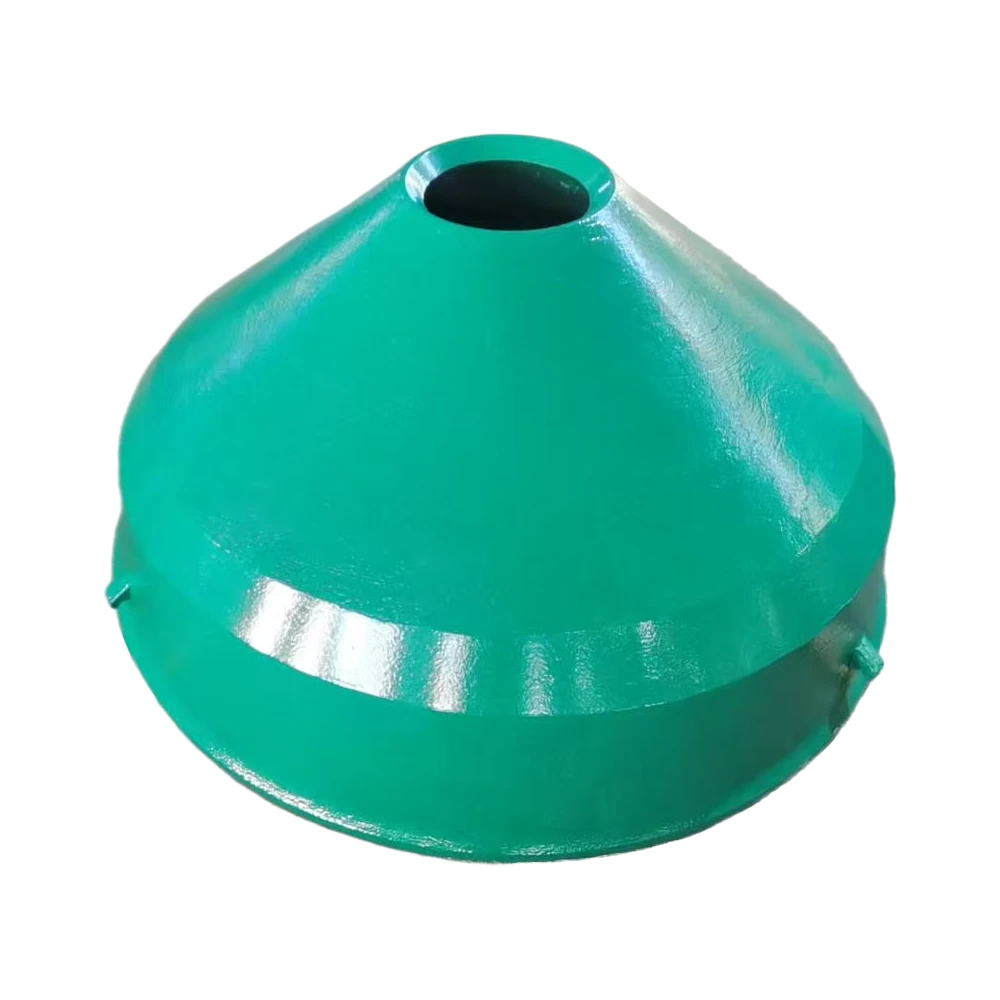
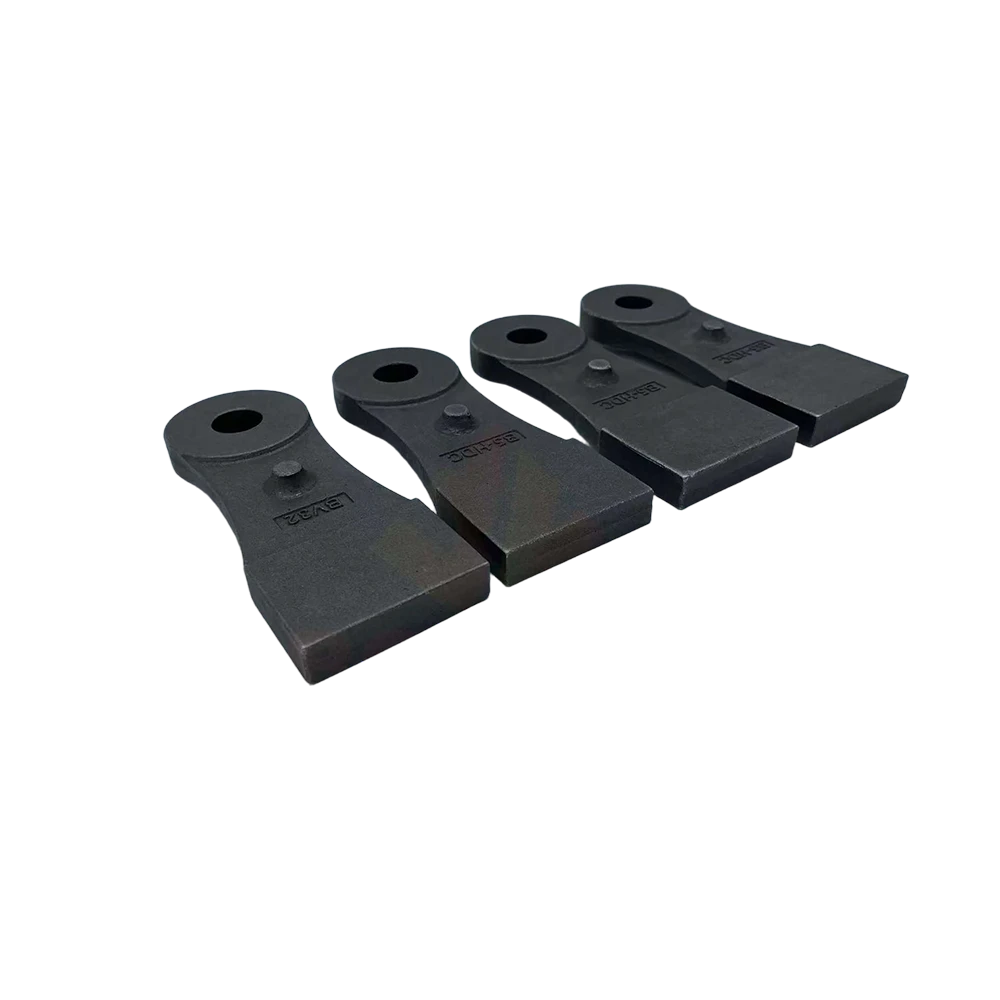
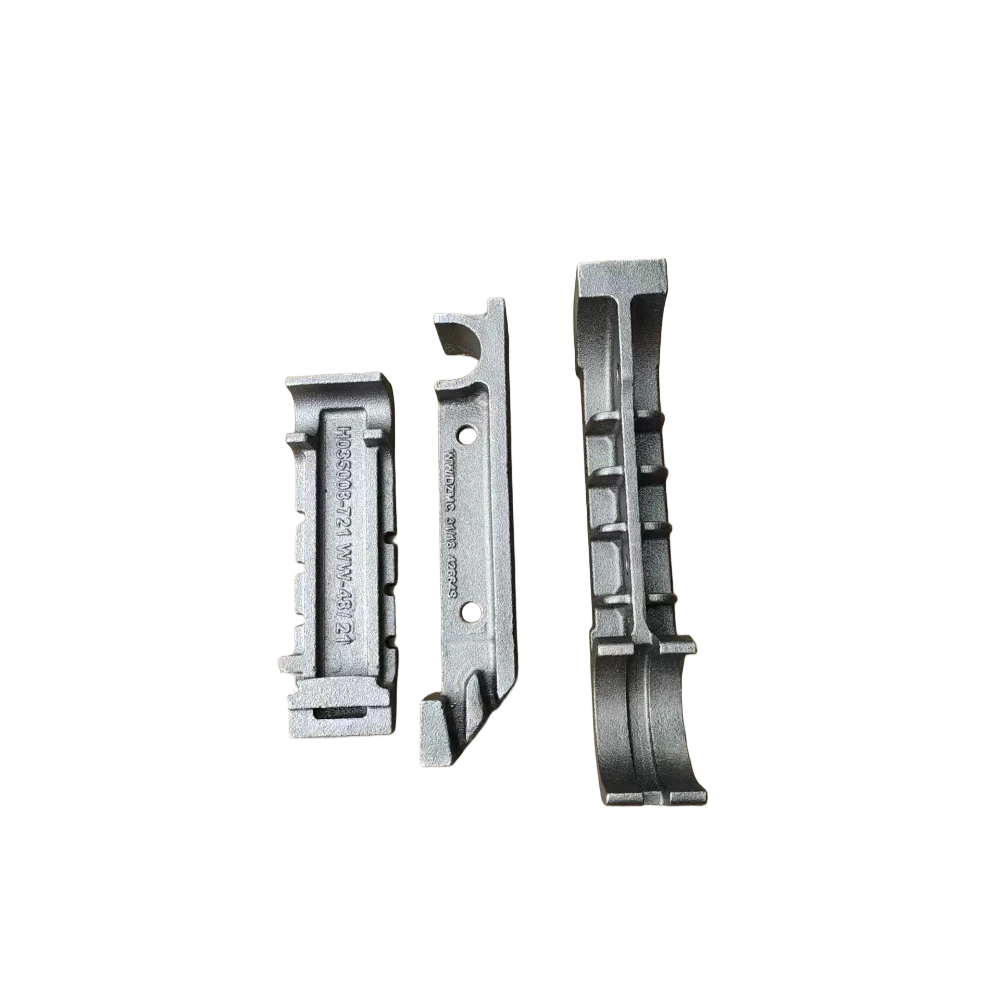
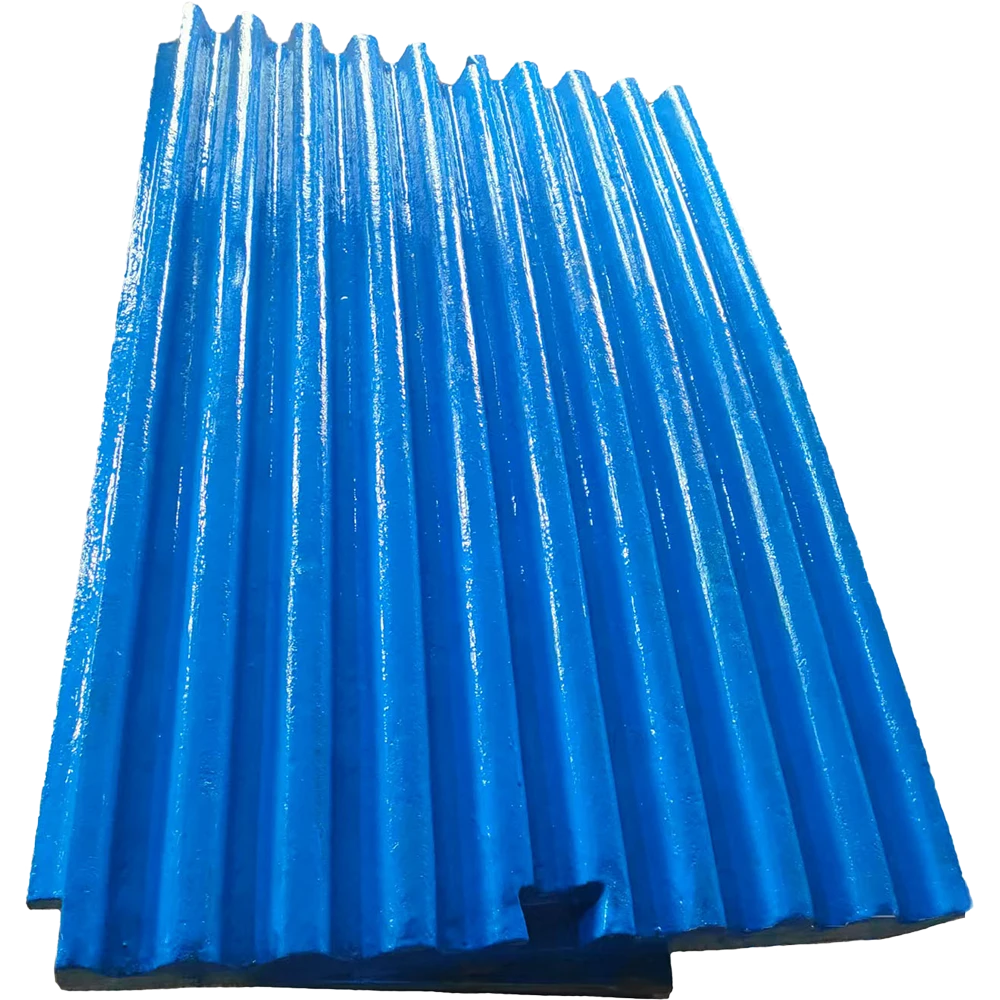
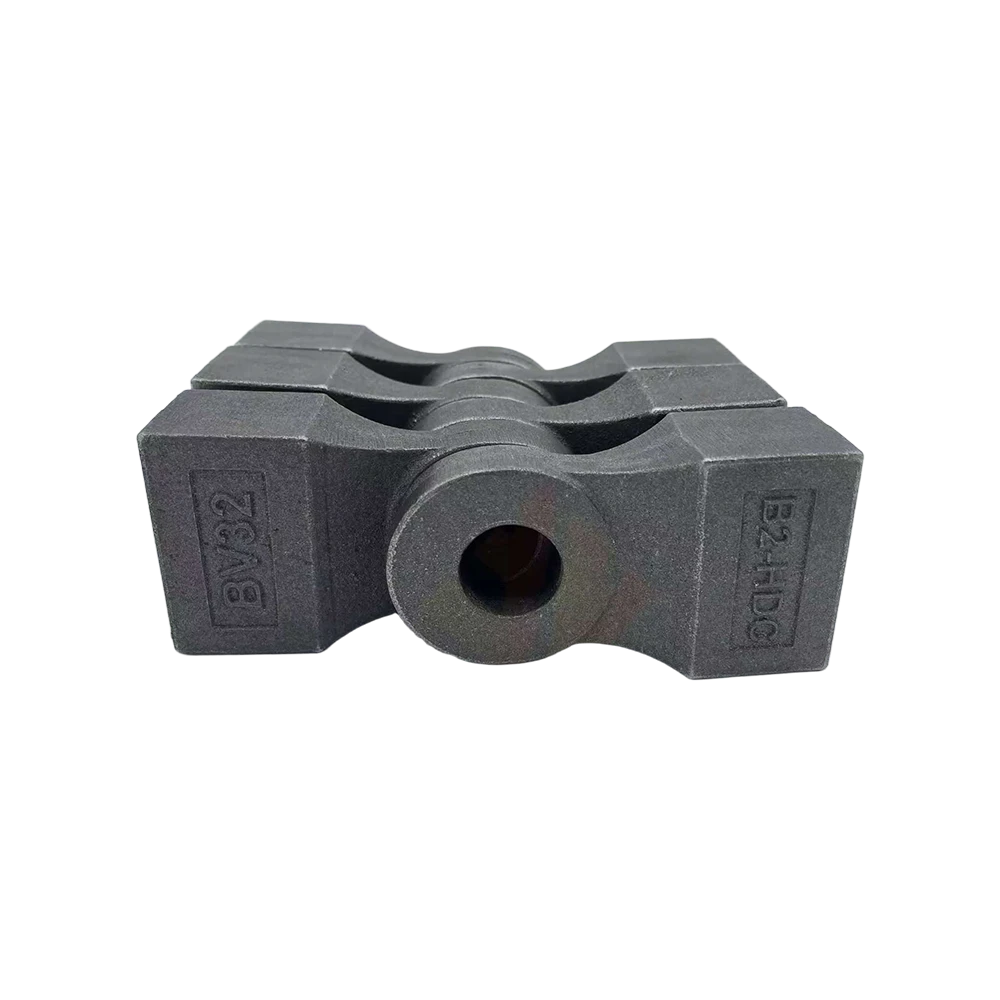
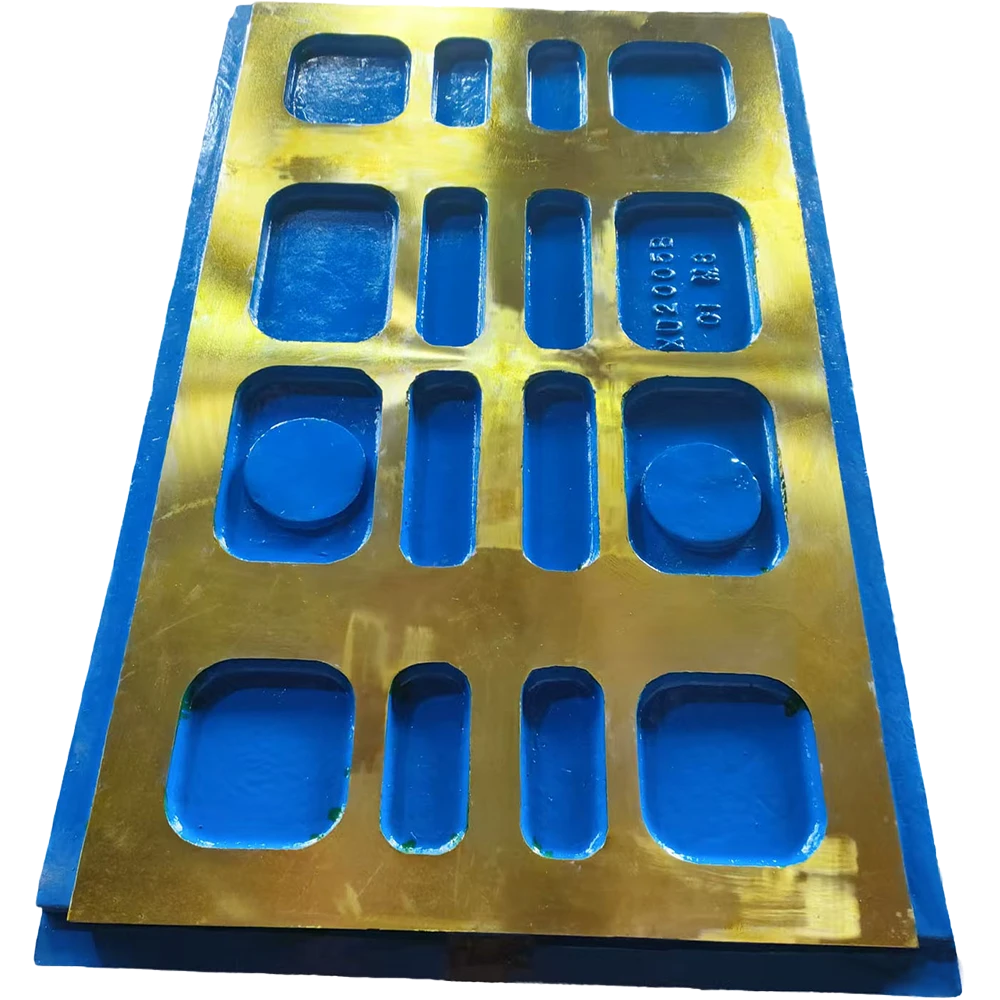
At its core, OEM cast heat resistant steel is a specialized alloy designed for parts exposed to elevated temperatures—think furnace components, turbines, or exhaust systems. The 'OEM' (Original Equipment Manufacturer) aspect means such steels are often tailored to meet precise specifications for quality and performance demanded by equipment builders. It’s not just steel; it's a cast, metallurgically optimized product ready-made for tough industrial roles.
Its connection to modern industry is critical: as manufacturing and energy systems push for higher efficiency, working components must withstand harsher conditions without degradation. In humanitarian contexts too—like in emergency power plants or resilient machinery setups—these steels ensure reliability and safety, directly impacting lives.
Core Components & Key Factors
1. Heat Resistance and Thermal Stability
This is the defining trait: the ability to maintain mechanical properties at temperatures often exceeding 600°C. Alloying elements like chromium, molybdenum, and nickel form protective oxides on the steel surface, preventing scaling and oxidation.
2. Durability and Wear Resistance
Aside from thermal stability, resistance to mechanical wear matters. Cast heat resistant steels are typically toughened by carefully controlled microstructures that resist erosion and deformation.
3. Corrosion Resistance
High-temperature environments often involve harsh chemical exposure. These steels are alloyed to prevent corrosion from gases and liquids encountered in industrial atmospheres.
4. Machinability & Scalability
OEM designs require steels that can be precisely cast or machined into complex shapes without compromising quality—a balance between hardness and workability.
5. Cost Efficiency
Many argue that upfront cost is high, but the longevity and reduced maintenance offset expenses long-term. Smart investment, frankly.
Typical Specifications of Exemplary OEM Cast Heat Resistant Steel
| Property | Value | Notes |
|---|---|---|
| Max Service Temperature | 650°C (1202°F) | Depends on grade |
| Tensile Strength | ≥ 550 MPa | Varies by alloying |
| Chromium (Cr) | 12-25% | Enhances oxidation resistance |
| Molybdenum (Mo) | 1-3% | Improves creep strength |
| Nickel (Ni) | 3-10% | Toughness at high temps |
Global Applications & Real-World Use Cases
OEM cast heat resistant steels aren’t niche-only materials. They're critical across many sectors worldwide. For instance:
- Energy production: Turbine blades and heat exchangers in gas power plants globally rely on these steels to endure thermal cycling.
- Automotive industries: Exhaust systems in trucks utilize cast heat resistant steels to withstand prolonged heat and corrosive gases.
- Petrochemical facilities: Reactors and pressure vessels employ these alloys, especially in the Middle East and Asia where petrochemicals are booming.
- Emergency and disaster relief: In remote or disaster-affected zones, resilient machinery powered by OEM cast elements ensures continued operations and safety—offering dignity and reliability where it matters most.
Oddly enough, some NGOs working in areas with extreme environmental conditions prioritize sourcing equipment with OEM heat resistant cast steel parts to build long-lasting infrastructure for communities.
Vendor Comparison: Top Players in OEM Cast Heat Resistant Steel
| Vendor | Customization Options | Lead Time | Price Range | Certification |
|---|---|---|---|---|
| DZMCCasting | Full OEM specs, rapid prototyping | 4-6 weeks | Mid-range, volume discounts | ISO 9001, CE |
| Global Steelworks | Limited alloy variations | 6-8 weeks | Higher-end pricing | ISO 14001 |
| Titan Alloys Ltd. | Standard catalog parts only | 3-5 weeks | Low to mid range | None specified |
Advantages & Long-Term Value
The practical upsides of OEM cast heat resistant steel are clear. Here’s why engineers, project managers, and manufacturers keep coming back to it:
- Reliability: Equipment uptime improves because components resist thermal fatigue and wear.
- Cost savings: Reduced repairs and replacements mean lower lifecycle costs—a fact that CFOs love.
- Sustainability: Hardier products lessen waste, supporting circular economy principles.
- Safety and dignity: In humanitarian applications, reliable machinery means safer environments for workers and communities.
Looking Ahead: Future Trends & Innovations
Technological advances are pushing the envelope. Researchers explore nanostructuring to enhance heat resistance further, while manufacturers are integrating smart sensors within cast parts to monitor performance in real time. Moreover, with sustainability at the forefront, “green” steel-making methods (low-carbon or hydrogen-based reduction processes) are expected to revolutionize how OEM cast heat resistant steel is produced. It’s an exciting space where metallurgy meets digital transformation.
Challenges & How to Overcome Them
Of course, no material is perfect. Leading constraints include higher costs relative to standard steels and longer lead times due to complex casting processes. But innovative foundries like DZMCCasting are adopting additive manufacturing and advanced heat treatments to reduce delays and enhance quality. Sourcing from certified vendors also ensures consistency, which frankly is half the battle.
FAQ: Your Questions About OEM Cast Heat Resistant Steel
- How does OEM cast heat resistant steel compare to forged alternatives?
- Cast steels allow more complex shapes and can be produced at scale with precise alloy control. Forged steels often provide higher mechanical strength but with shape limitations. Choosing depends on the application’s needs.
- Can these steels be used in corrosive marine environments?
- Yes, many OEM cast heat resistant steels include chromium and nickel to improve corrosion resistance, but for aggressive marine conditions, additional coatings or specialized grades might be necessary.
- What is the typical lifespan of parts made from this steel?
- With proper maintenance, parts can last 10-20 years depending on operating temperatures and mechanical stresses—a considerable improvement over untreated steels.
- Is custom OEM casting feasible for small batch orders?
- Thanks to modern prototyping and flexible foundry processes, many vendors, including DZMCCasting, accommodate small batches without large minimum orders.
- How to verify vendor certifications for quality assurance?
- Always check for recognized certifications like ISO 9001, CE, or industry-specific quality stamps. Trustworthy vendors like DZMCCasting make this information readily available.
Conclusion
OEM cast heat resistant steel stands as a cornerstone material affecting diverse industries and critical infrastructures worldwide. Its unique blend of heat tolerance, durability, and adaptability delivers both immediate and long-term value—helping industries tackle challenges from operational reliability to sustainability. If you’re considering integrating these materials into your projects or need expertly crafted OEM cast parts, I encourage you to visit our website to explore options tailored to your needs.
Mini takeaway: Investing in high-quality, OEM cast heat resistant steel not only extends equipment life but plays a vital role in sustainable and safe industry practices globally.
References:
-
High Performance oem cast heat resistant steel for Industrial UseNewsApr.16,2026
-
Guide to Selecting High Quality Cast Heat Resistant Steel AlloysNewsApr.09,2026
-
Custom Cast Heat Resistant Steel Solutions for High Temperature ApplicationsNewsApr.07,2026
-
Comprehensive Guide to Wholesale Cast Heat Resistant Steel for Industrial ApplicationsNewsApr.04,2026
-
Comprehensive Guide to High Performance Heat Resistant Metal Product SolutionsNewsMar.31,2026
-
Expert Guidance on Heat Resistant Metal Quotes and Alloy SelectionNewsMar.28,2026