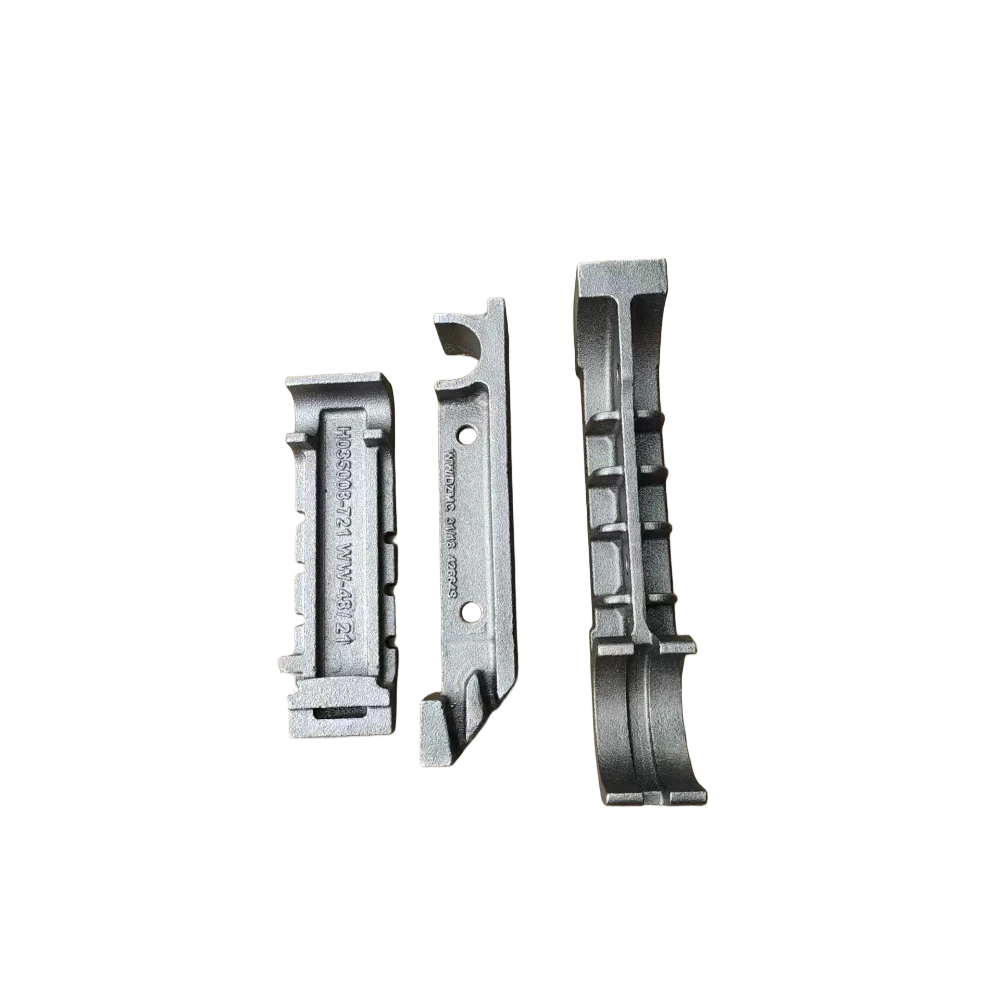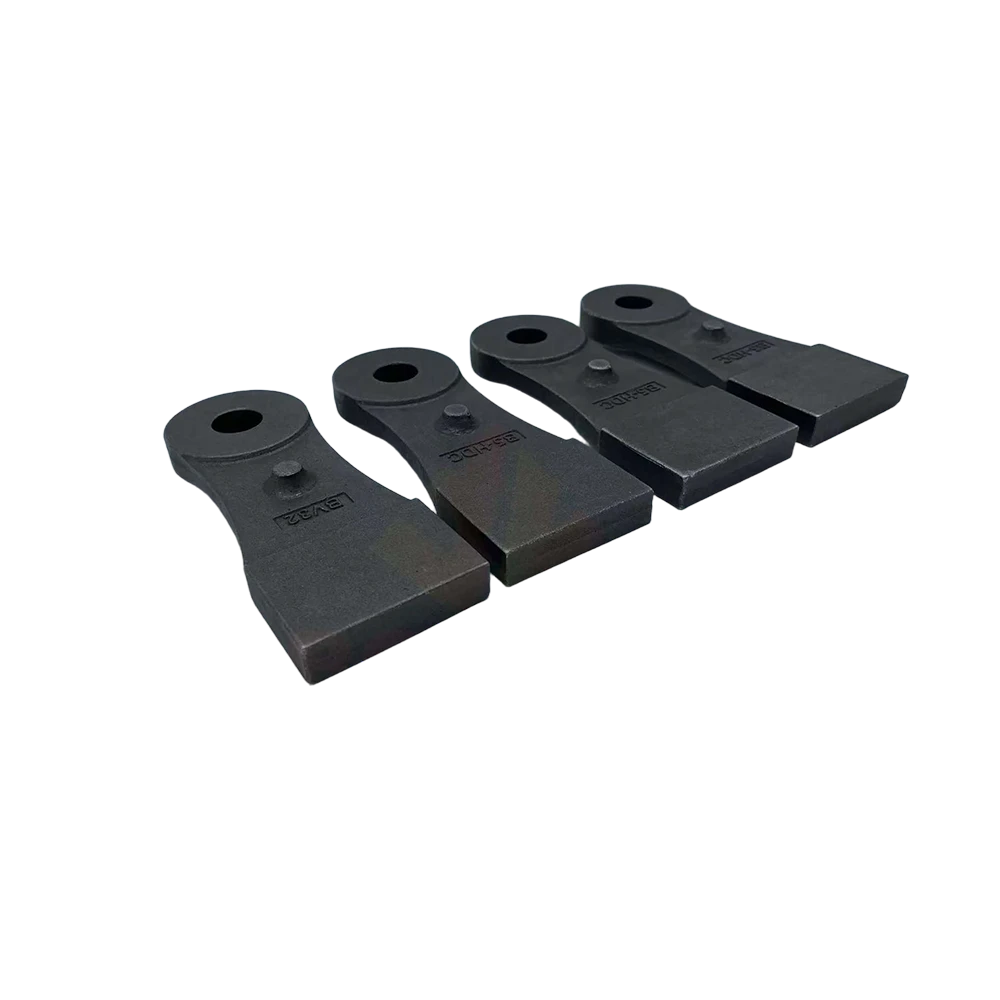
OEM Heat Resistant Steel: Durable Solutions for High-Temperature Industries
Understanding OEM Heat Resistant Steel: Why It Matters Today and Tomorrow
Heat resistant steel, especially OEM heat resistant steel, isn’t just some technical jargon reserved for a niche audience anymore. In a world rushing towards industrial innovation and sustainability, knowing what it is and where it applies could be surprisingly important — whether you're an engineer, procurement specialist, or just a curious professional. Simply put, this specialized steel withstands extreme temperatures, making it indispensable in sectors where failure due to heat isn't an option.
Globally, industries from power generation to automotive and aerospace rely heavily on these materials for safety and efficiency. But beyond the obvious, it’s a subtle backbone supporting infrastructure resilience and green energy solutions.
Global Perspective: Why OEM Heat Resistant Steel Holds Strategic Value
Think of the world’s biggest industries — steel manufacturing itself, aerospace manufacturing, even oil and gas — all place a premium on heat resistant steel. The International Organization for Standardization (ISO) has reported a steady rise in demand for heat-resistant alloys, especially where safety regulations tighten year after year. Meanwhile, the United Nations’ push for sustainable industrial development highlights the critical role robust materials play in lowering environmental impact by extending equipment lifespan.
The problem? With global energy consumption expected to increase by nearly 50% over the next 30 years (source: IEA World Energy Outlook), components need to endure higher stresses and temperatures — which is exactly what OEM heat resistant steel addresses.
Mini takeaway: The intersection of global energy trends, sustainability goals, and industrial safety makes the development and deployment of OEM heat resistant steel a timely challenge with huge opportunity.
What Exactly is OEM Heat Resistant Steel?
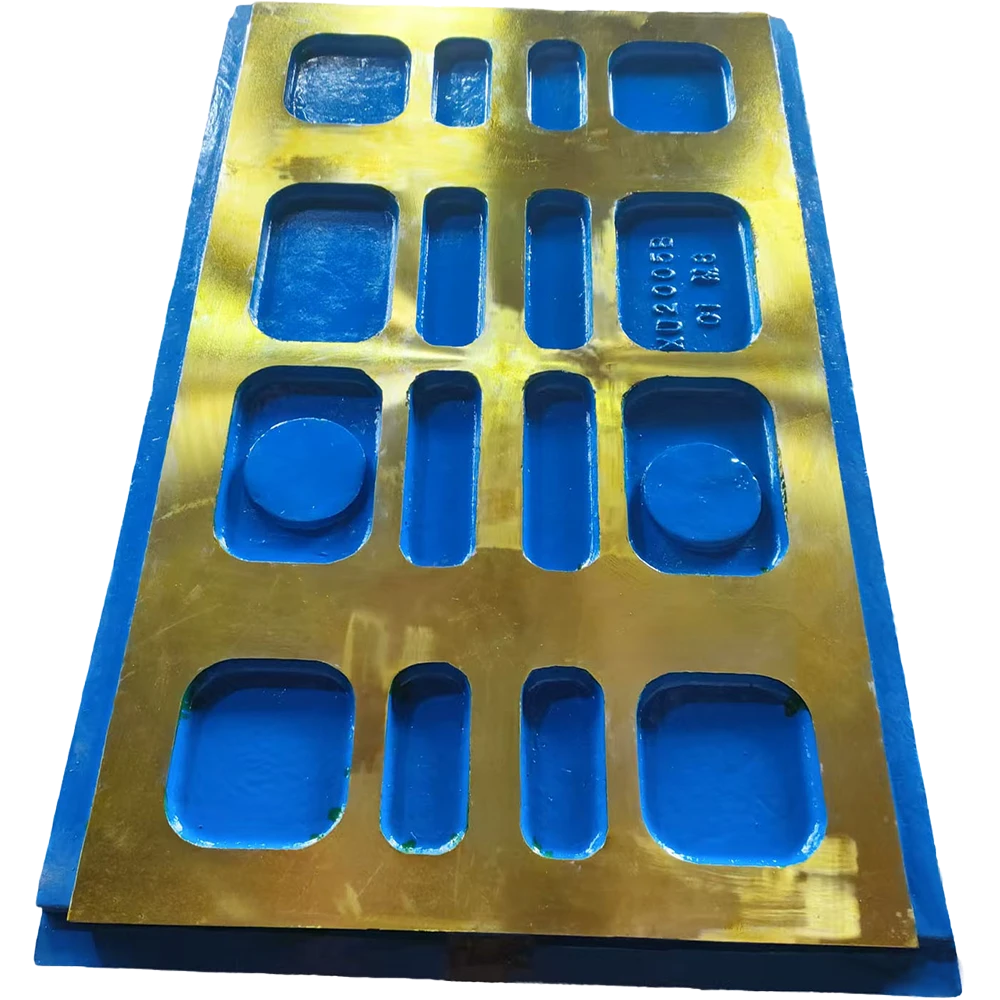
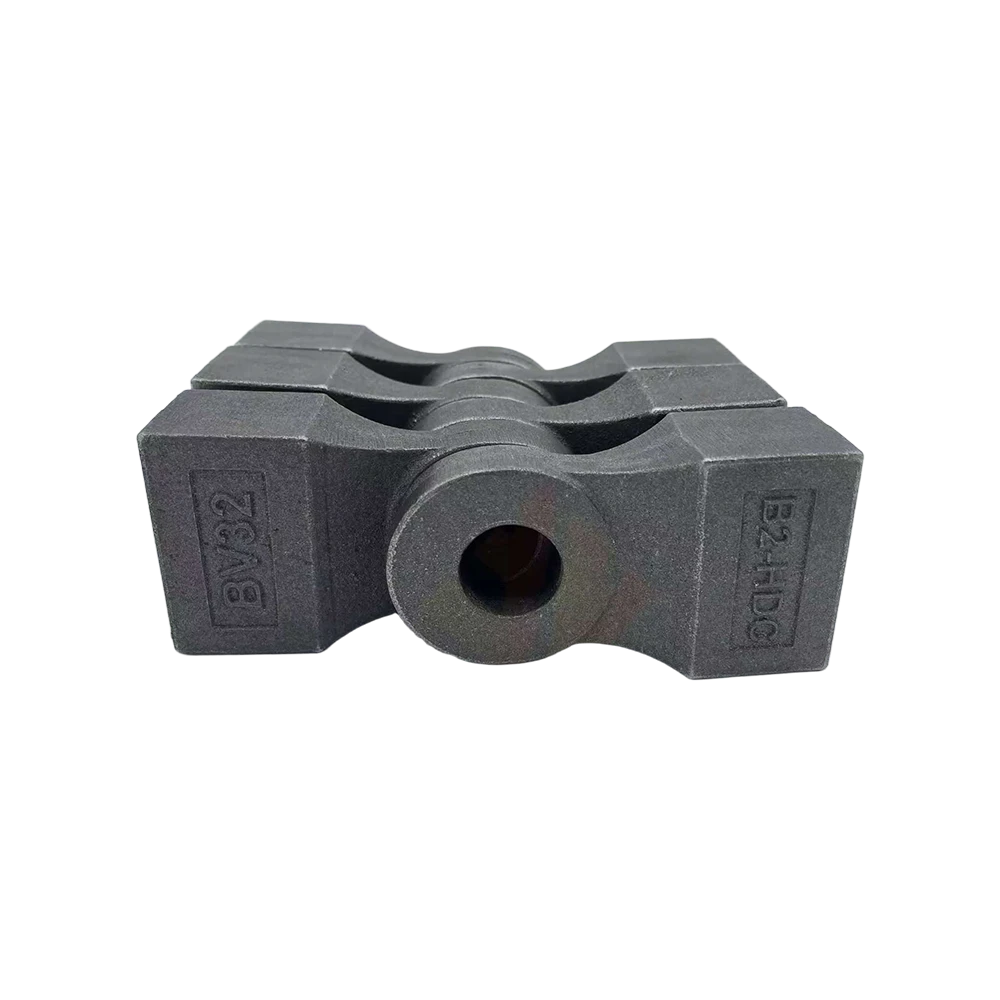
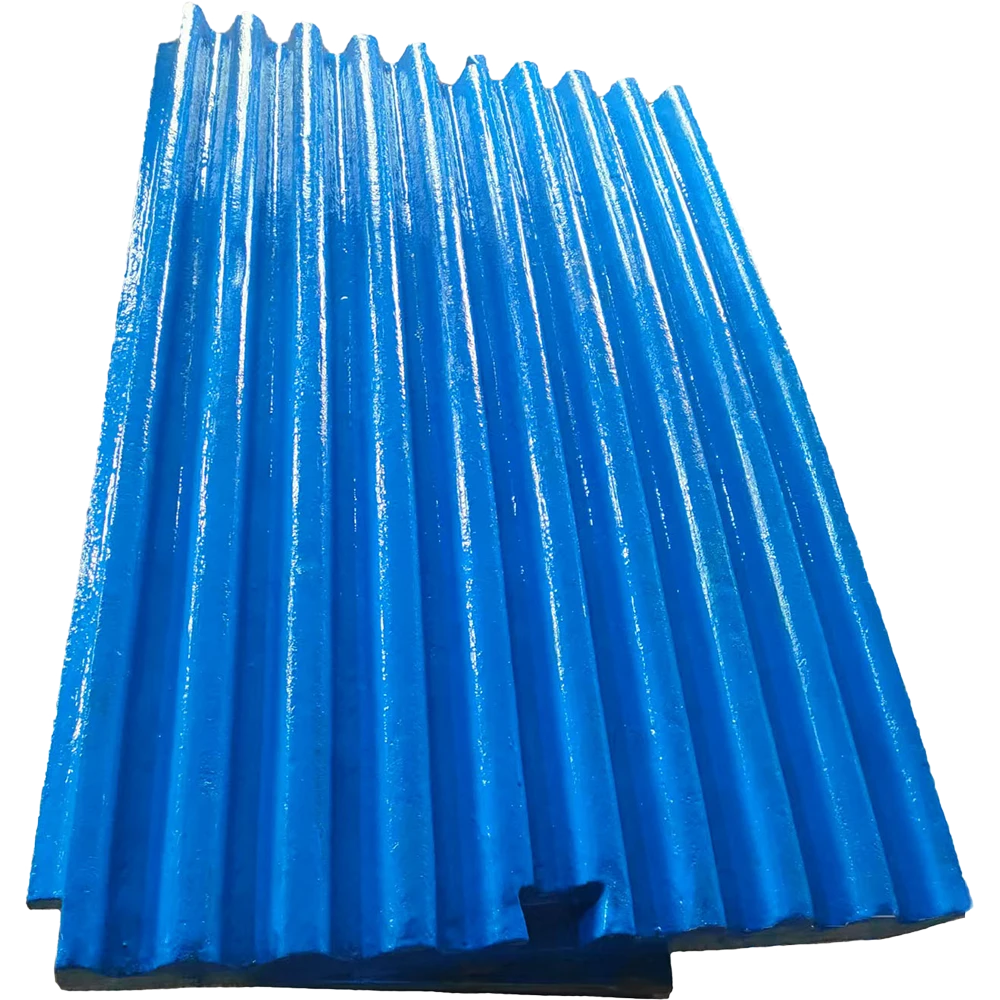
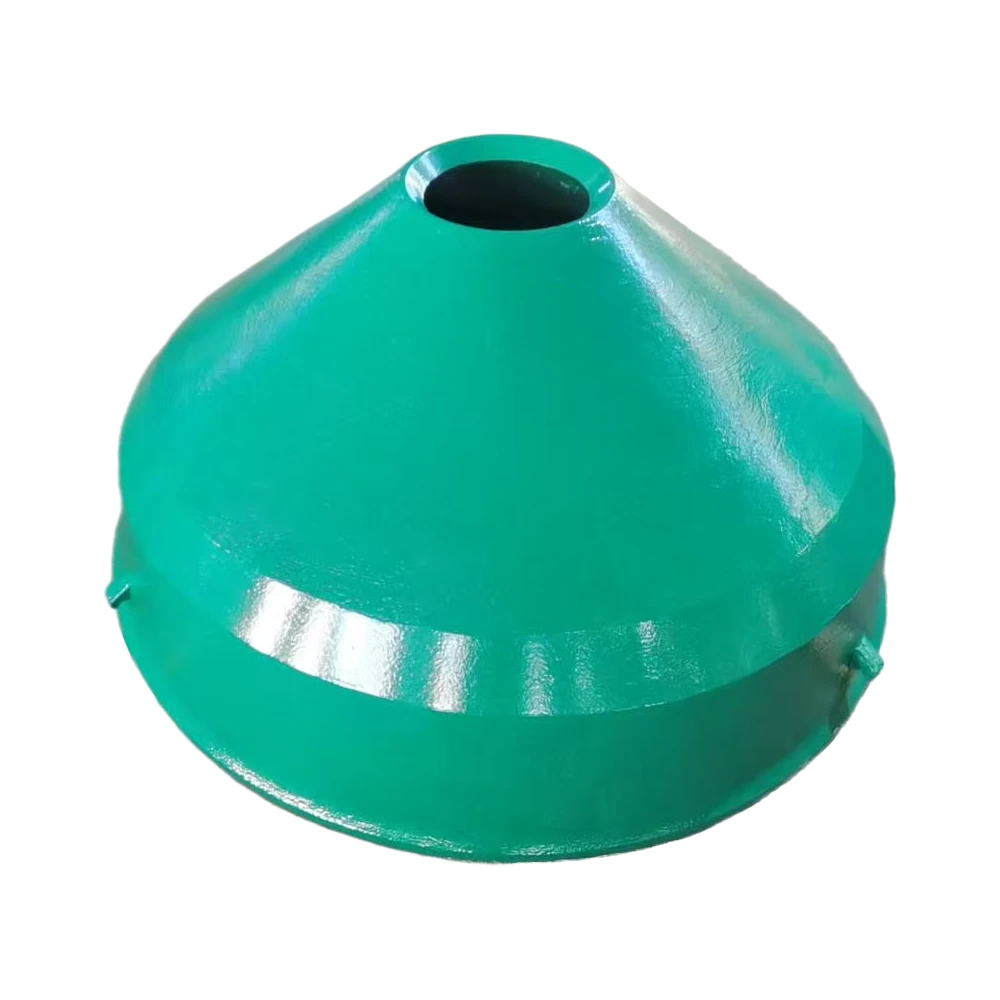
At its simplest, OEM heat resistant steel refers to high-grade steel alloys specially formulated to resist deformation, oxidation, and deterioration at elevated temperatures. "OEM" here hints at the original equipment manufacturing context — meaning these steels are tailored precisely for manufacturers who embed them into critical components, like turbine blades, exhaust systems, or furnace parts.
To connect with modern industry needs, imagine a jet engine or a power plant steam boiler, each facing temperatures soaring past 600°C for hours, days, or even years. Without heat resistant steel from trusted OEM suppliers, these vital machines would be unsafe, inefficient, or just short-lived.
Mini takeaway: OEM heat resistant steel isn’t just metal; it’s the unsung hero of modern machinery, blending chemistry and metallurgy to meet exacting heat endurance demands.
Key Characteristics That Make OEM Heat Resistant Steel Stand Out
1. Durability Under High Temperatures
The core trait is its ability to maintain strength without warping or cracking when exposed to heat exceeding 600°C — some special grades go well past 1,000°C. This durability ensures long equipment life cycles, avoiding costly shutdowns.
2. Oxidation and Corrosion Resistance
Heat often speeds up corrosion rates, but these steels typically include chromium, silicon, and other alloying elements that form protective oxide layers, preserving material integrity even in harsh environments.
3. Thermal Fatigue Resistance
Industries often deal with cyclical heating and cooling, and materials must resist cracking from repeated expansions and contractions — OEM heat resistant steels are specifically designed to combat this fatigue.
4. Precision and Scalability in OEM Manufacturing
Because these steels are for original manufacturers, formulation consistency and supplier trust are critical. Scalability here isn’t just about volume, but maintaining exact metallurgical properties batch-to-batch.
5. Cost-Effectiveness Over Lifecycle
While initially more expensive compared to regular carbon steels, the longevity and reliability translate to cost savings by reducing maintenance and downtime.
Mini takeaway: These factors combined make OEM heat resistant steel not just another material choice but a strategic investment for industrial success.
Real-World Applications of OEM Heat Resistant Steel
This steel touches industries across the globe:
- Power Generation: Turbine blades in thermal power stations use these steels to survive intense heat cycles.
- Automotive & Aerospace: Exhaust systems and engine parts demand heat resistant components for safety and efficiency.
- Chemical Processing: Reactors and furnace tubes withstand corrosive and high-temperature environments.
- Post-Disaster Relief Infrastructure: Rapidly deployable heat-intensive manufacturing units rely on these materials to rebuild efficiently.
- Remote Industrial Zones: Where quick equipment failure is catastrophic, rugged OEM steel ensures operation continuity.
Mini takeaway: From the deserts of the Middle East to Europe's aerospace corridors, OEM heat resistant steel quietly supports vital industries.
Advantages & Long-Term Value of Choosing OEM Heat Resistant Steel
Aside from standing up to heat and stress, these steels offer:
- Sustainability: Longer equipment lifespans reduce waste and resource consumption.
- Innovation: New steel grades enable higher efficiency power turbines and engines, indirectly reducing emissions.
- Safety & Trust: Operators and customers benefit from reliable machinery, fostering better working conditions and operational peace of mind.
- Cost Savings: Though upfront costs are higher, reduced downtime and less frequent replacements balance budgets over years.
Frankly, in an industrial world riddled with unpredictable variables, trust in your materials can’t be overstated.
OEM Heat Resistant Steel: Product Specification Snapshot
| Parameter | Typical Values | Remarks |
|---|---|---|
| Max Operating Temperature | 600°C - 1200°C | Varies by alloy composition |
| Tensile Strength | 500 - 850 MPa | Maintained at elevated temps |
| Chromium Content | 10% - 30% | Critical for oxidation resistance |
| Thermal Fatigue Limit | ≥ 10,000 cycles | Depends on part geometry |
| Corrosion Resistance | High in acidic and oxidative atmospheres | Enables chemical plant applications |
Top OEM Heat Resistant Steel Vendors Compared
| Vendor | Product Range | Quality Certifications | Lead Time | Custom OEM Orders |
|---|---|---|---|---|
| SteelPro Solutions | Wide (including Superalloys) | ISO 9001, AS9100 | 4-6 weeks | Yes |
| IronHeat Inc. | Focused on industrial grades | ISO 14001, ISO 45001 | 3-5 weeks | Limited |
| DZM Casting Co. | Specialized OEM heat resistant steel | ISO, CE Certified | 2-4 weeks | Fully customizable |
Innovations and What the Future Holds
OEM heat resistant steel doesn’t stand still; it’s evolving. I noticed a steady shift toward alloys optimized for green energy, including materials suited for hydrogen fuel cells and next-gen nuclear reactors. Add digital transformation to the mix — automated quality control, AI-driven alloy design — and you get a glimpse of how suppliers like oem heat resistant steel specialists are staying ahead. Sustainability drives innovations too; heat resistant steels now focus on recyclability and reducing carbon footprints right from production.
Common Challenges — And How the Industry is Tackling Them
One recurring issue? Balancing cost with performance. High-performing alloys often come with a steep price tag, straining budgets for some operators. Another relates to supply chain disruptions — OEM manufacturers crave quick deliveries for just-in-time assembly... but global events sometimes delay supplies.
Solutions are emerging: Alloy optimization to reduce scarce element usage, digital platforms for precise order forecasting, and strategic partnerships ensure smoother sourcing. Experts also recommend robust supplier vetting and leveraging trusted vendors like DZM Casting Co., known for consistent quality and customization.
FAQ: Quick Answers About OEM Heat Resistant Steel
- Q: How is OEM heat resistant steel different from regular steel?
- A: It’s specially alloyed to tolerate extreme heat without losing strength or corroding, unlike standard steels that soften or oxidize quickly under such conditions.
- Q: Can OEM heat resistant steel be recycled after its service life?
- A: Yes, many grades are recyclable, supporting sustainability goals by reducing waste in heavy industries.
- Q: What industries most commonly require OEM heat resistant steel?
- A: Power generation, aerospace, automotive, chemical processing, and even defense sectors rely on these materials.
- Q: Is customization possible with OEM heat resistant steel orders?
- A: Absolutely. Many manufacturers, including oem heat resistant steel providers, offer tailored metallurgy, shapes, and sizes to match exact application needs.
- Q: How can NGOs or international buyers import OEM heat resistant steel?
- Typically, through established suppliers who handle export documentation and logistics, ensuring compliance with international standards.
Wrapping Up: Why OEM Heat Resistant Steel Should Be on Your Radar
Seeing beyond the technical specs, it's clear that OEM heat resistant steel plays a vital role in shaping safer, more efficient, and sustainable industries worldwide. Whether it’s enhancing the lifespan of power plants or enabling innovative aerospace designs, the right steel matters more than ever.
If you want to explore high-quality options or need custom orders that align with your project’s strict demands, be sure to visit our website — where expertise, innovation, and reliability come standard.
Mini takeaway: In a fast-changing industrial landscape, having dependable heat resistant materials feels less like a luxury and more like a necessity.
References:
-
High Performance oem cast heat resistant steel for Industrial UseNewsApr.16,2026
-
Guide to Selecting High Quality Cast Heat Resistant Steel AlloysNewsApr.09,2026
-
Custom Cast Heat Resistant Steel Solutions for High Temperature ApplicationsNewsApr.07,2026
-
Comprehensive Guide to Wholesale Cast Heat Resistant Steel for Industrial ApplicationsNewsApr.04,2026
-
Comprehensive Guide to High Performance Heat Resistant Metal Product SolutionsNewsMar.31,2026
-
Expert Guidance on Heat Resistant Metal Quotes and Alloy SelectionNewsMar.28,2026