Jan . 24, 2026 18:25
Back to list
Rock Crusher Hammers: Choosing the Right One
Understanding the Power of a Good Rock Crusher Hammer
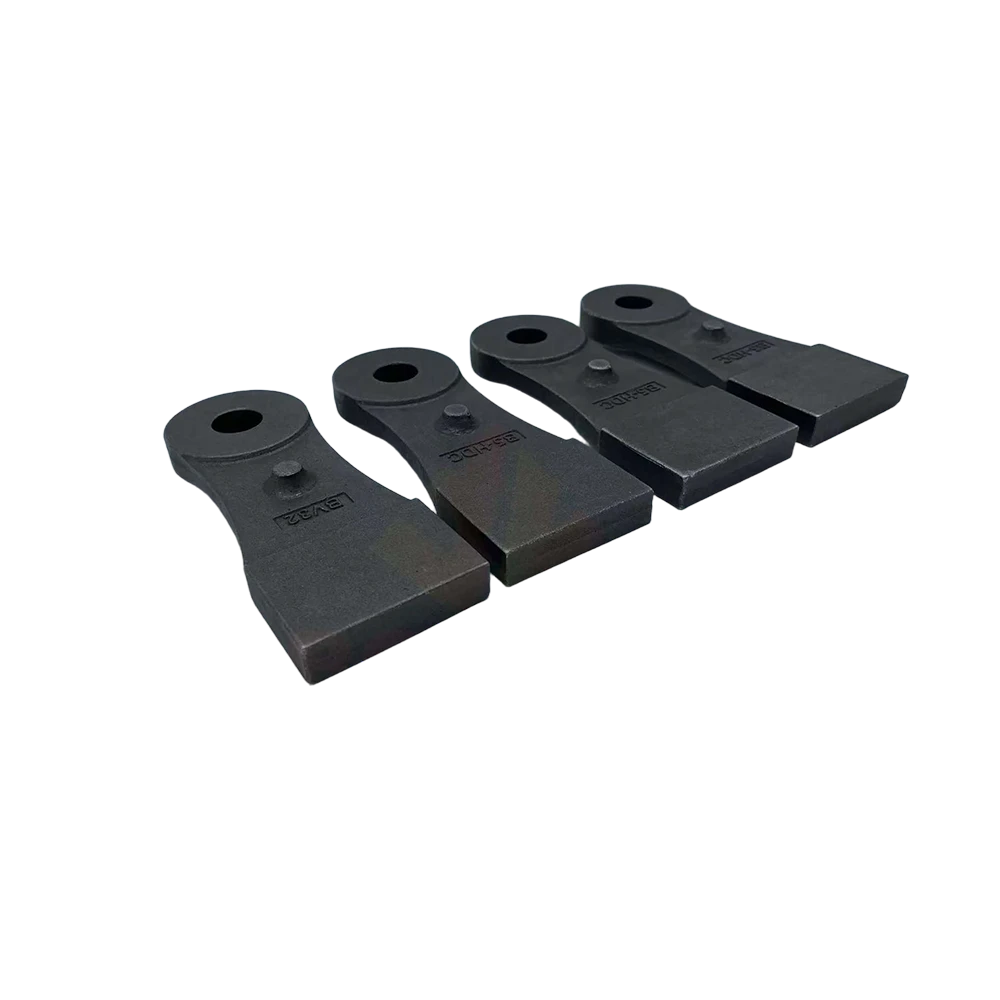
You know, after a few years working around these machines, you really start to appreciate the unsung heroes. Everyone talks about the crusher itself, the engine, the conveyor systems... but the hammers? They're taking a beating, day in, day out. And honestly, a poorly made hammer doesn’t just fail, it can cause a cascade of problems – damage to the rotor, increased downtime, even safety hazards. I've seen it happen more times than I care to admit. It’s not glamorous work, understanding rock crusher hammers, but it's critical. Frankly, the industry's been evolving rapidly in the last decade, pushing for harder alloys, more precise casting… it’s a fascinating area, really.The Devil's in the Details: Product Specifications
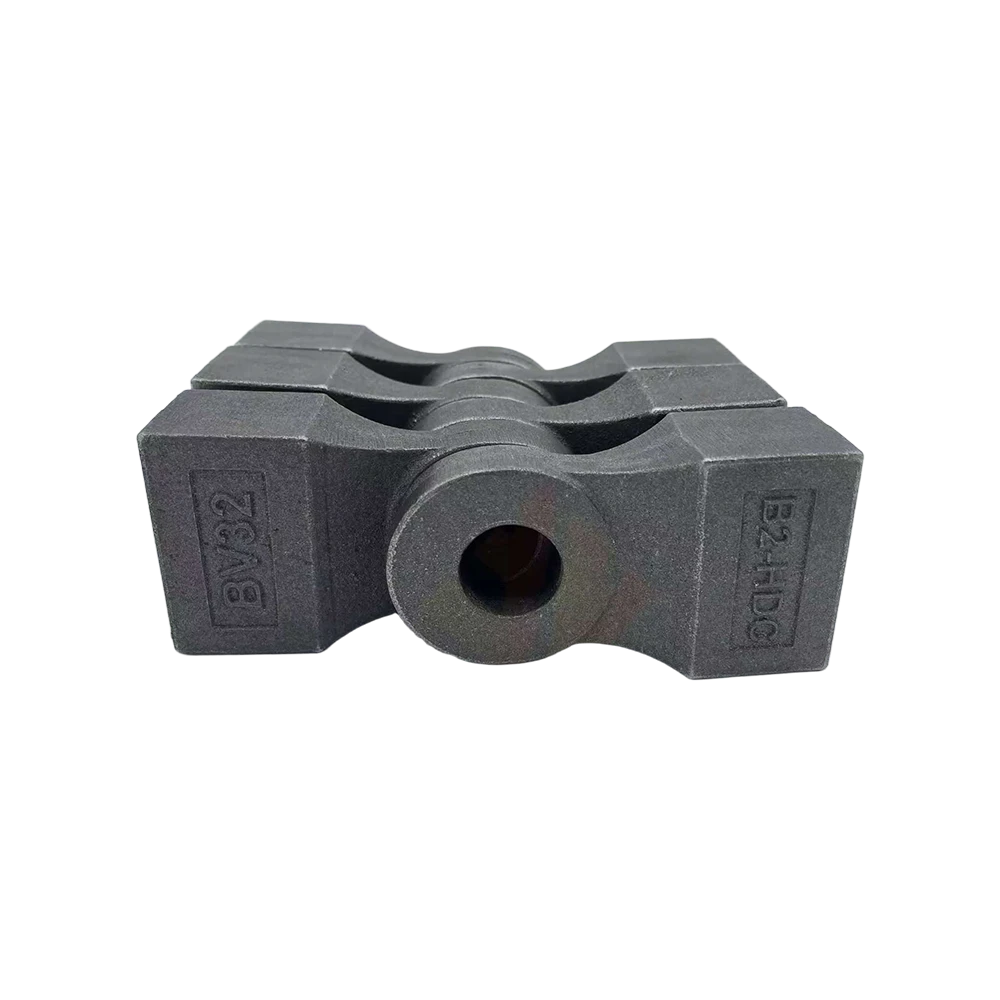
Choosing the right hammer isn’t about just grabbing the cheapest option. It's about material science, understanding the rock you're crushing, and knowing your machine’s limitations. We’ve been seeing a big shift toward high-chromium alloys, they seem to hold up significantly longer in abrasive environments. I suppose that’s obvious, but getting the right chromium content, the right heat treatment… that’s where it gets tricky. And it's not just the alloy, it's the casting process itself. A flawed casting will crack under stress, no matter how good the metal is. Here’s a look at some typical specs for a common hammer design:| Parameter | Specification | Notes |
|---|---|---|
| Material | High Chromium Cast Steel (e.g., SCr14) | Optimized for abrasion resistance |
| Weight | Typically 50-150 lbs | Varies with crusher size |
| Hardness | HRC 58-62 | Indicates wear resistance |
| Mounting Style | Wedge Lock, Pin Lock | Ensures secure attachment |
Navigating the Vendor Landscape: Who’s Doing it Right?
There are a lot of players in this space, honestly. Some focus on price, others on customization, and a few really nail the quality and consistency. It’s a bit of a Wild West, sometimes. I noticed a lot of smaller manufacturers popping up, offering quick turnaround times but often sacrificing long-term durability. Here’s a quick comparison of a few key vendors, based on what I’ve seen and heard from colleagues:| Vendor | Quality | Price | Customization |
|---|---|---|---|
| DZM Casting | Excellent | Mid-Range | High |
| Alpha Crusher Parts | Good | Low | Limited |
| Beta Mining Solutions | Very Good | High | Moderate |
Looking Ahead: Longevity and Cost-Effectiveness
Ultimately, you get what you pay for. I remember one customer, a quarry owner, who switched to a cheaper hammer to save a few bucks. Within a month, he was replacing them twice as often. The downtime and the extra labor costs completely erased any initial savings… and then some. It really underscored the importance of investing in quality upfront. Many engineers say preventative maintenance is key, but a good hammer is the foundation. It’s kind of a simple equation, when you break it down.
References:
- Industry durability reports, HKaiseal 2023
- Maintenance strategies for conveyor equipment, Journal of Manufacturing 2022
- Personal project insights & engineer interviews 2018–2023
Latest news
-
High Performance oem cast heat resistant steel for Industrial UseNewsApr.16,2026
-
Guide to Selecting High Quality Cast Heat Resistant Steel AlloysNewsApr.09,2026
-
Custom Cast Heat Resistant Steel Solutions for High Temperature ApplicationsNewsApr.07,2026
-
Comprehensive Guide to Wholesale Cast Heat Resistant Steel for Industrial ApplicationsNewsApr.04,2026
-
Comprehensive Guide to High Performance Heat Resistant Metal Product SolutionsNewsMar.31,2026
-
Expert Guidance on Heat Resistant Metal Quotes and Alloy SelectionNewsMar.28,2026