Rock Crushing Hammer: A Deep Dive for B2B Buyers
Understanding the Value of a Rock Crushing Hammer
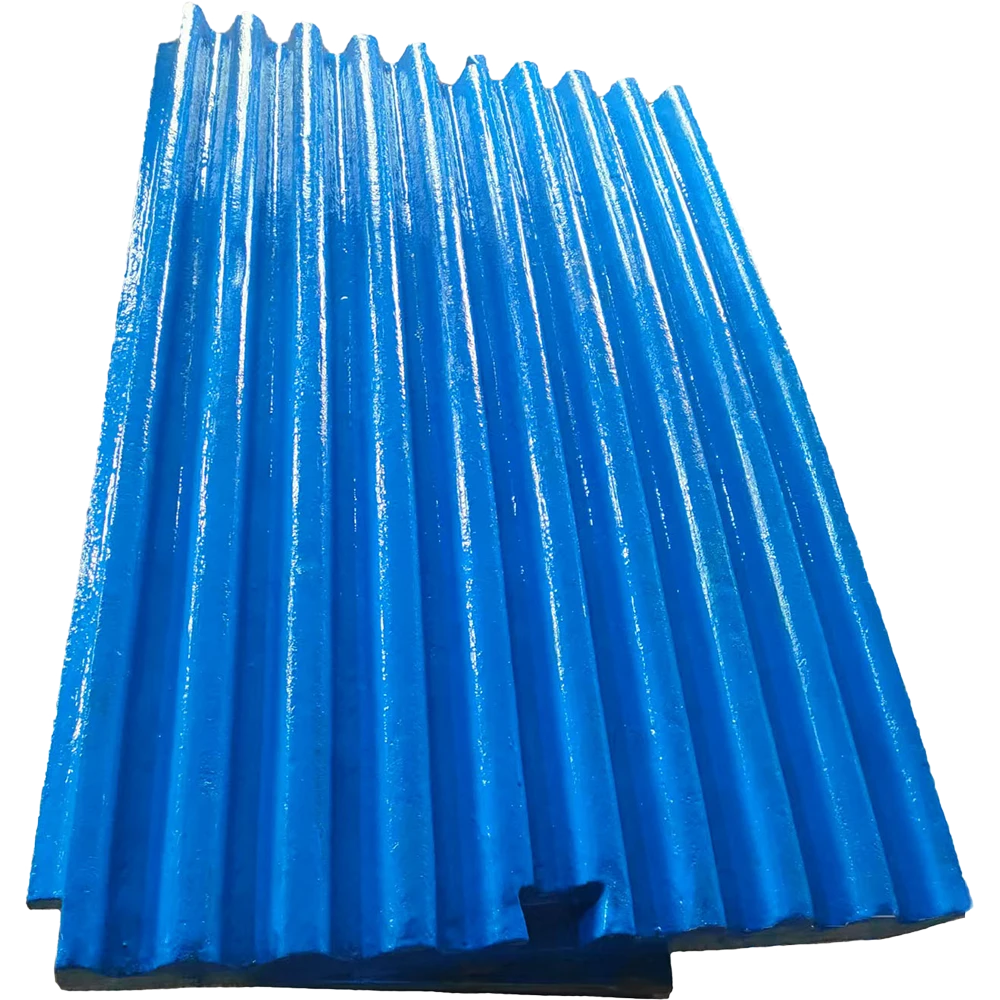
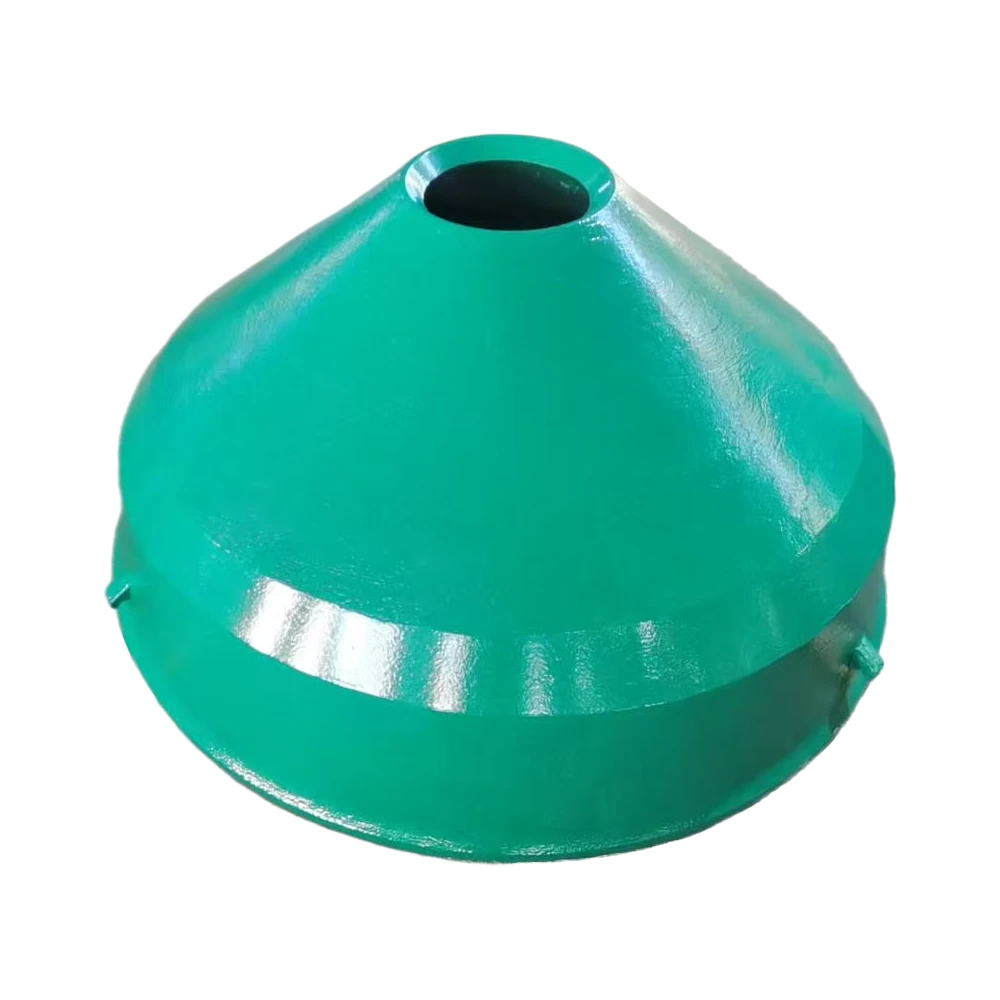
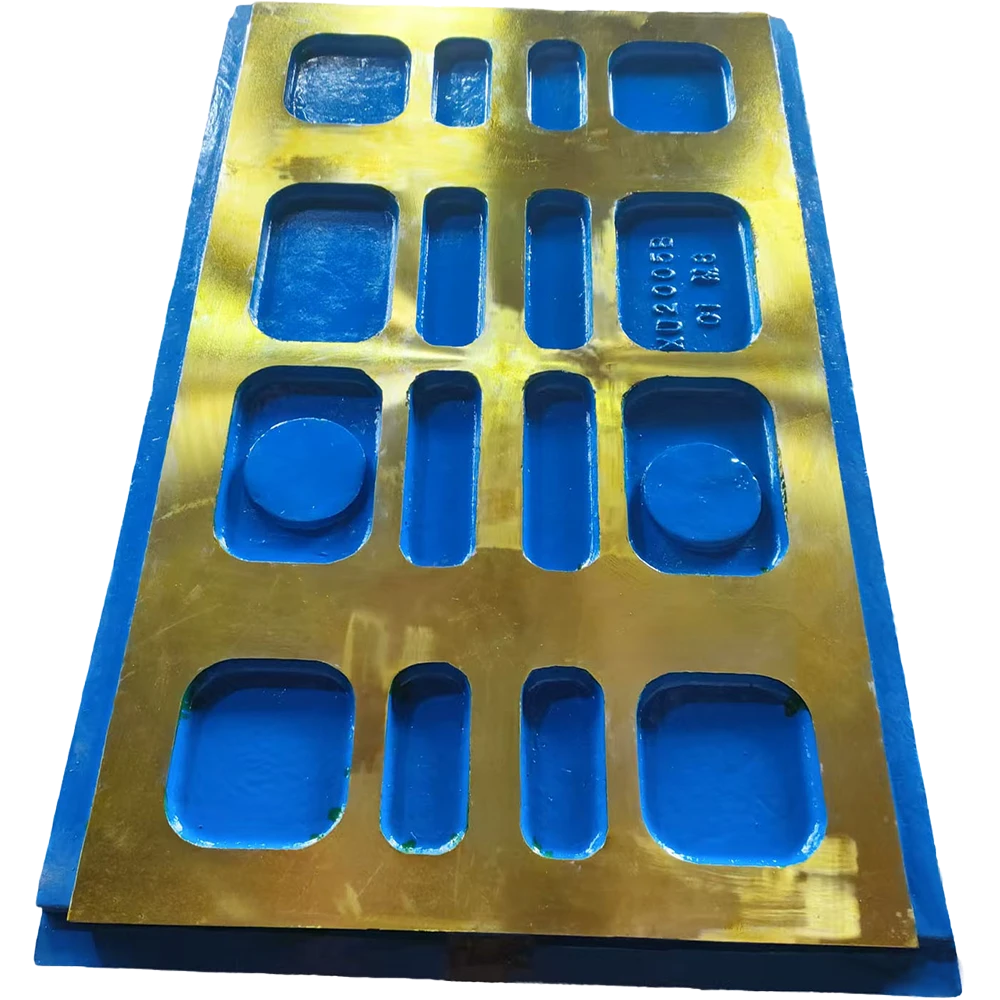
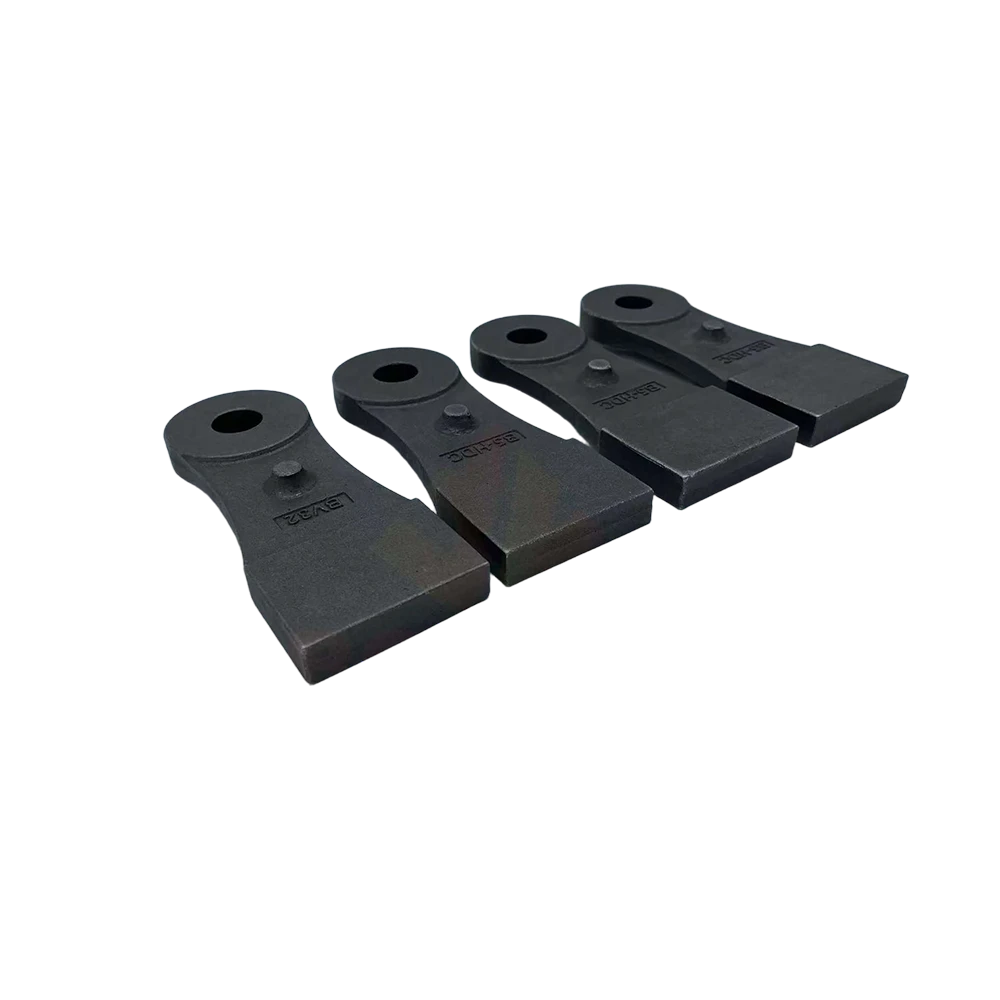
Rock Crushing Hammer is, frankly, a bit of a deceptively simple name for a rather sophisticated piece of equipment. It's a staple in a surprisingly broad range of industries—mining, quarrying, demolition, even some specialized recycling applications. We at DZM Casting focus on providing robust, high-performance hammers, because the cost of downtime when one fails is significant. I’ve seen firsthand how a poorly made hammer can bring a whole operation to a standstill… it’s not pretty. It’s also interesting to note, the demand is shifting towards more specialized tools, which is why customization is becoming so crucial.
Table of Contents
- Rock Crushing Hammer Overview
- Benefits & Use Cases
- Cost, Maintenance & User Experience
- Sustainability & Market Trends
Rock Crushing Hammer Overview
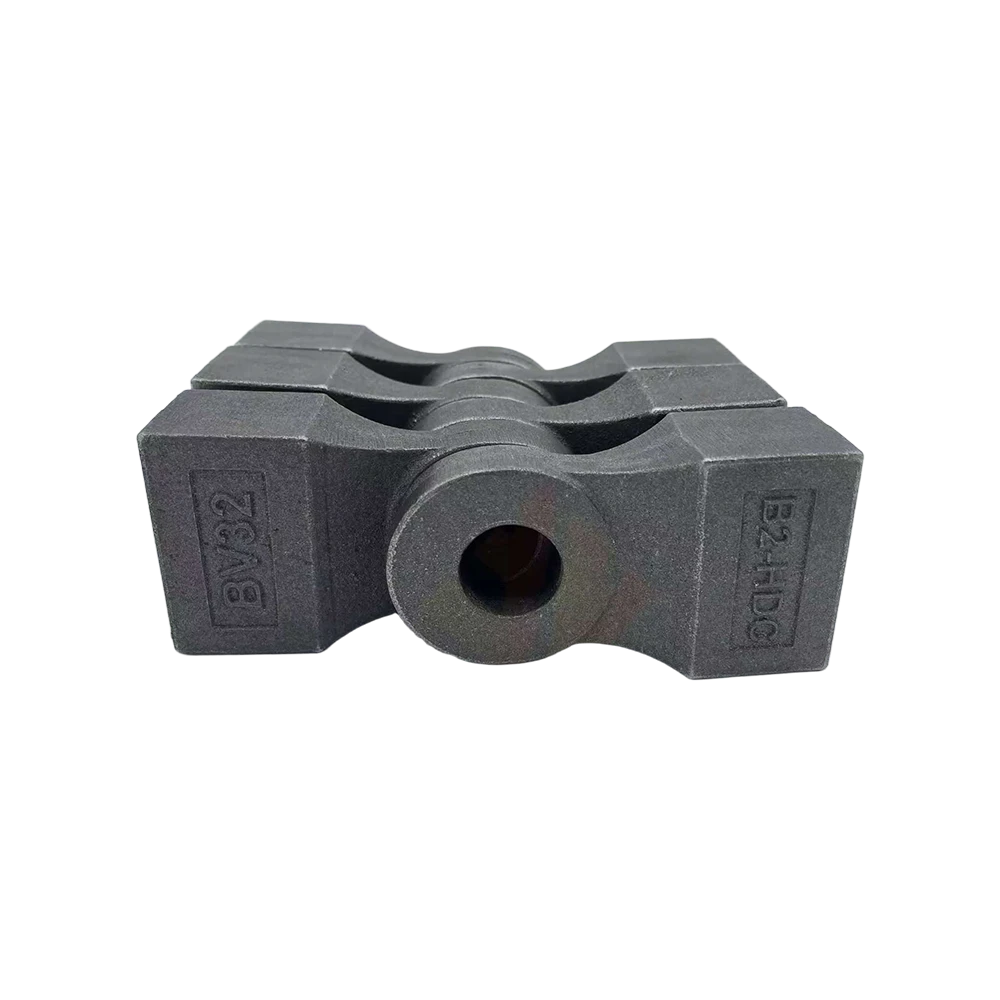
At its core, a rock crushing hammer is designed to deliver a concentrated impact force. But it's far more nuanced than just "hitting things." The materials science involved is significant. We use high-alloy steel, typically through-hardened, to withstand the immense stress. It’s about balancing hardness – for the impact face – with toughness, to prevent brittle fracture. I suppose many people don't realize the amount of engineering that goes into the internal damping systems, either. They're crucial for reducing vibration and operator fatigue. Here are some typical specs for our standard model:
| Specification | Value | Notes |
|---|---|---|
| Weight | 150-300 kg | Depending on model |
| Impact Energy | 3000-6000 J | Measured at impact face |
| Steel Hardness | HRC 50-58 | Through-hardened alloy |
Benefits & Use Cases
The applications are incredibly diverse. In mining, they’re used for breaking up ore deposits. In demolition, they’re vital for controlled structure dismantling. We’ve even had clients using them for specialized rock splitting in geothermal energy projects. You know, where access is tight and precision is key. A key advantage of a well-designed rock crushing hammer is its ability to significantly reduce secondary blasting, which saves time and minimizes environmental impact. One client, a quarry in Spain, reported a 20% reduction in overall project time after switching to our hammers.
Cost, Maintenance & User Experience
The initial cost is, naturally, a consideration. However, you need to look at the total cost of ownership. Our hammers are designed for longevity – it feels like we get consistent feedback on their durability. We use replaceable wear parts, which reduces downtime and repair costs. Many engineers say that ease of maintenance is a major factor in their purchasing decisions. Here’s how we stack up against some competitors:
| Vendor | Initial Cost | Maintenance | Durability |
|---|---|---|---|
| DZM Casting | $8,000 - $15,000 | Moderate, replaceable parts | Excellent |
| Competitor A | $6,000 - $10,000 | High, frequent repairs | Average |
| Competitor B | $10,000 - $20,000 | Low, specialized maintenance | Good |
Sustainability & Market Trends
There’s a growing emphasis on reducing environmental impact, which is driving demand for more efficient and precise rock breaking solutions. Oddly enough, this is also pushing innovation in material science – towards lighter, stronger alloys. Regulations surrounding noise pollution and vibration are also getting stricter, forcing manufacturers to invest in damping technologies. The trend is definitely towards smarter hammers… with built-in sensors for monitoring performance and predicting maintenance needs. It's a fascinating time for the industry.
Frequently Asked Questions about Rock Crushing Hammer
- What is a Rock Crushing Hammer and how does it work?
- A rock crushing hammer delivers a powerful impact force to fracture rock or concrete. It converts hydraulic or pneumatic energy into kinetic energy, focused on a hardened striking surface.
- What are the main benefits of using a Rock Crushing Hammer in industrial applications?
- Key benefits include increased efficiency, reduced secondary blasting, improved safety, and minimized environmental impact. Durability and reduced downtime are also significant advantages.
- How does a Rock Crushing Hammer compare to traditional alternatives?
- Compared to traditional methods like manual demolition or explosive blasting, rock crushing hammers offer greater control, precision, and reduced noise and vibration levels.
- What industries can benefit most from Rock Crushing Hammer implementation?
- Mining, quarrying, demolition, construction, road repair, and even some recycling applications can benefit significantly from using a Rock Crushing Hammer.
Conclusion
Choosing the right rock crushing hammer isn’t just about initial price; it’s about long-term performance, reliability, and minimizing disruption to your operations. We strive to provide tools that deliver on all fronts. Visit our website: https://www.dzmccasting.com to learn more.
- Invest in quality for lasting results.
-
High Performance oem cast heat resistant steel for Industrial UseNewsApr.16,2026
-
Guide to Selecting High Quality Cast Heat Resistant Steel AlloysNewsApr.09,2026
-
Custom Cast Heat Resistant Steel Solutions for High Temperature ApplicationsNewsApr.07,2026
-
Comprehensive Guide to Wholesale Cast Heat Resistant Steel for Industrial ApplicationsNewsApr.04,2026
-
Comprehensive Guide to High Performance Heat Resistant Metal Product SolutionsNewsMar.31,2026
-
Expert Guidance on Heat Resistant Metal Quotes and Alloy SelectionNewsMar.28,2026