Sintering Machine Parts | Heat-Resistant Steel Castings
Inside the Foundry: What’s Changing with Sintering Machine Parts
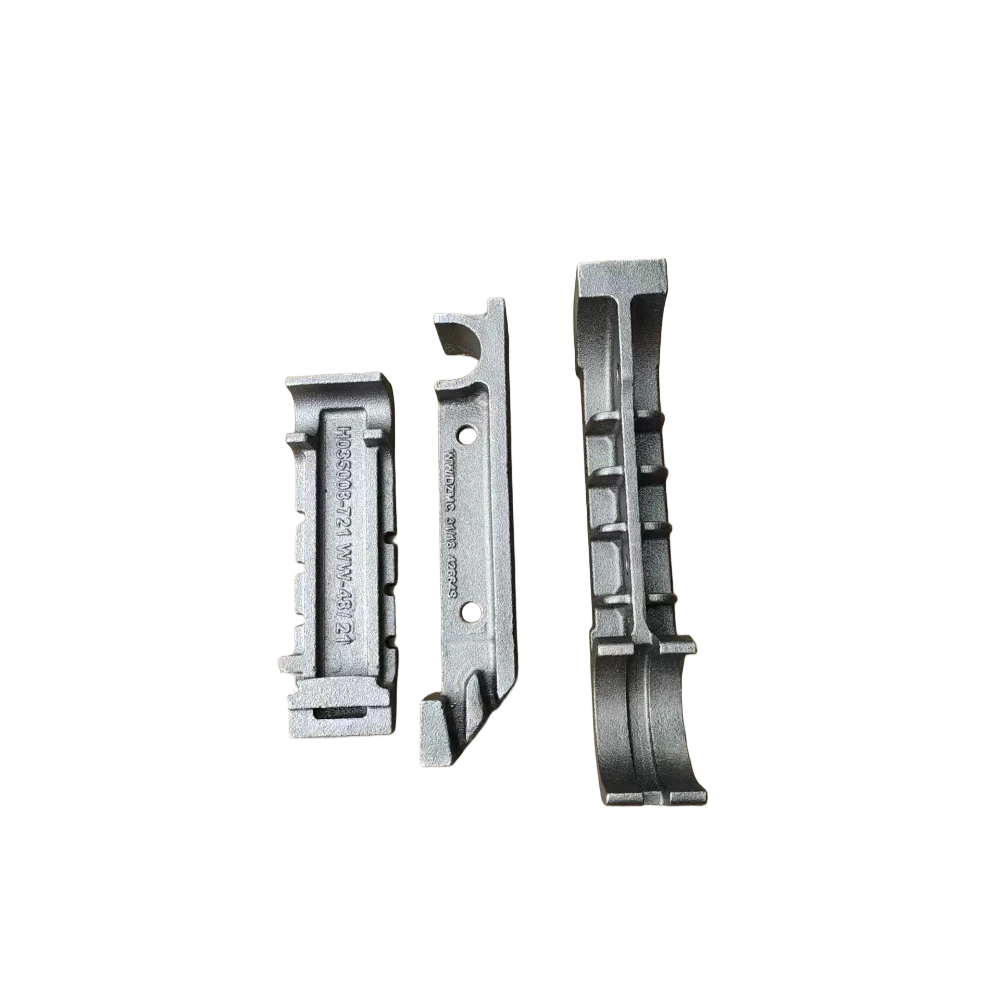
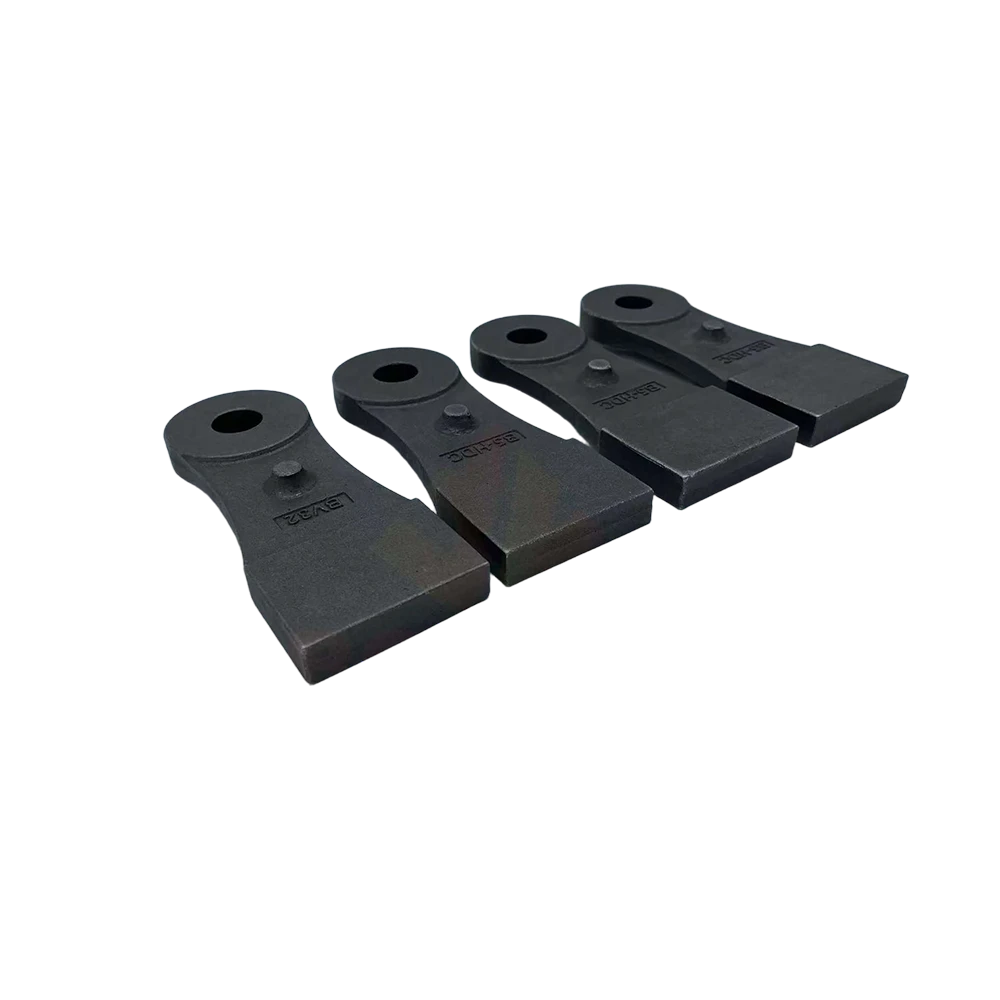
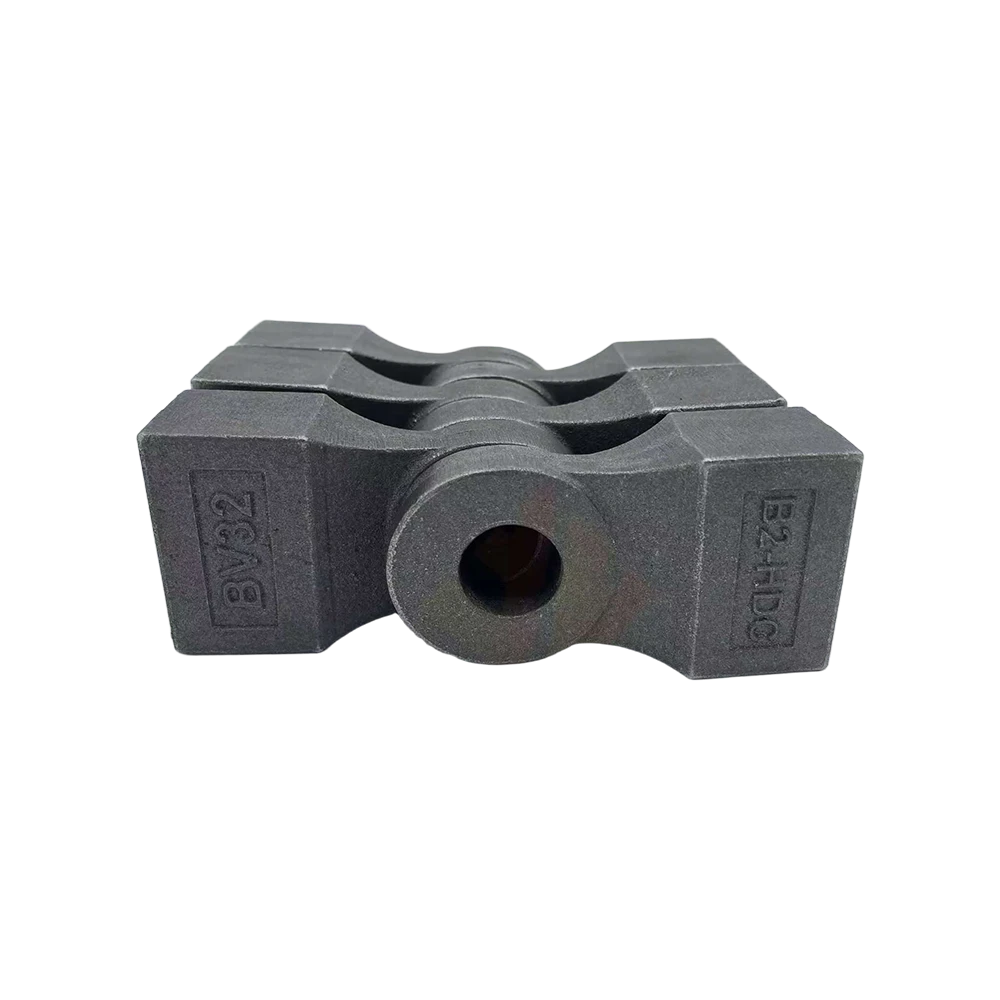
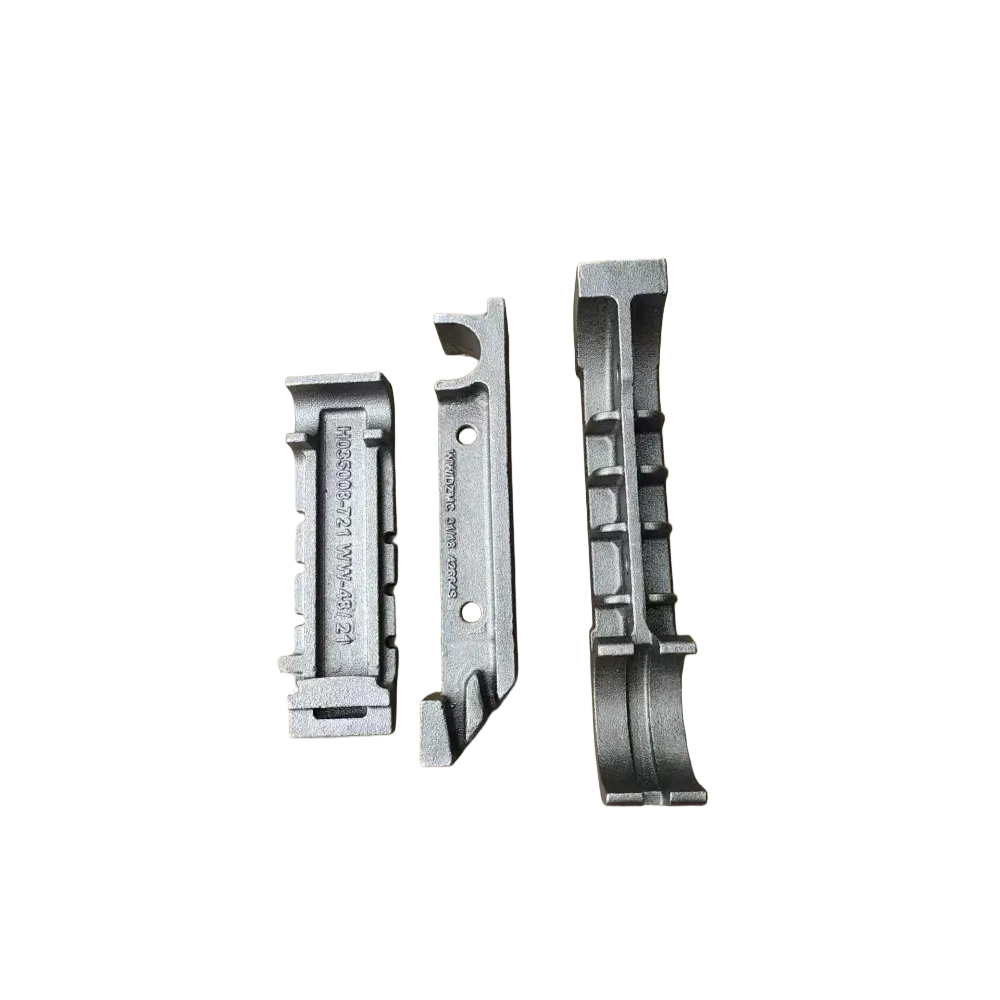
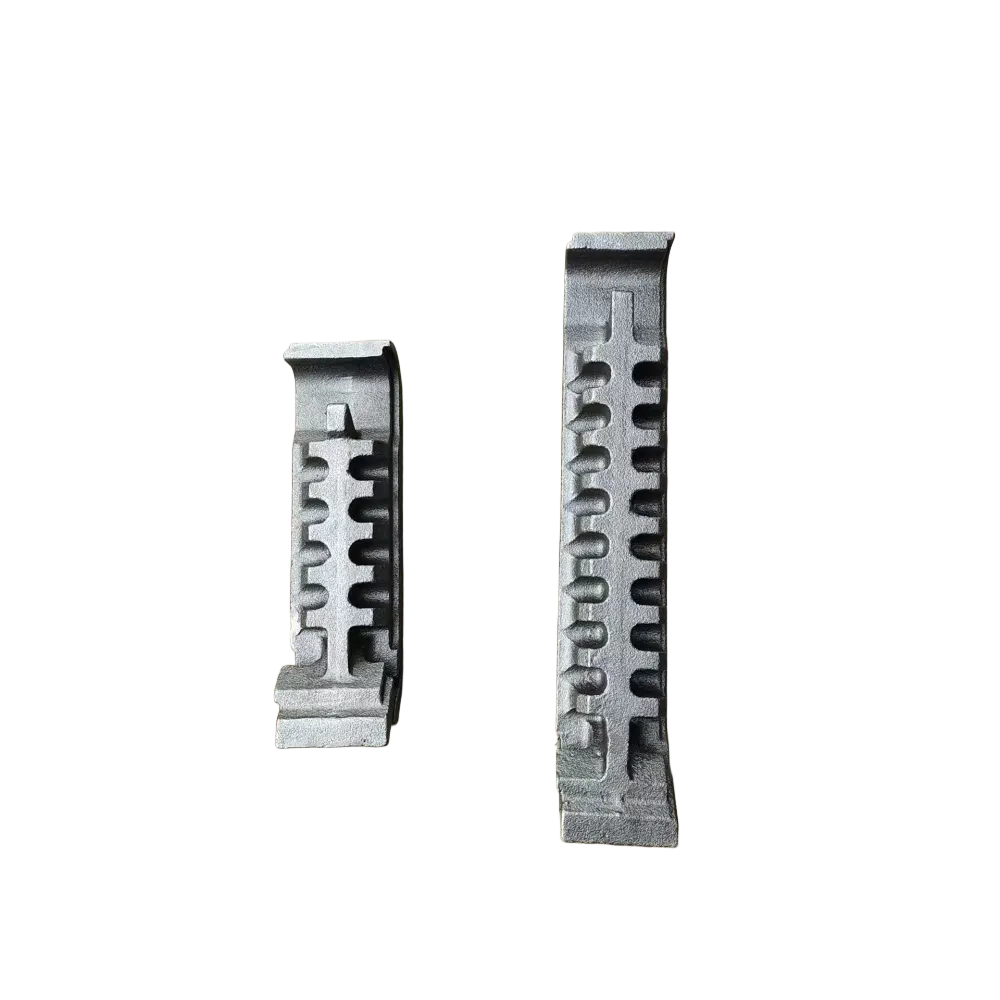
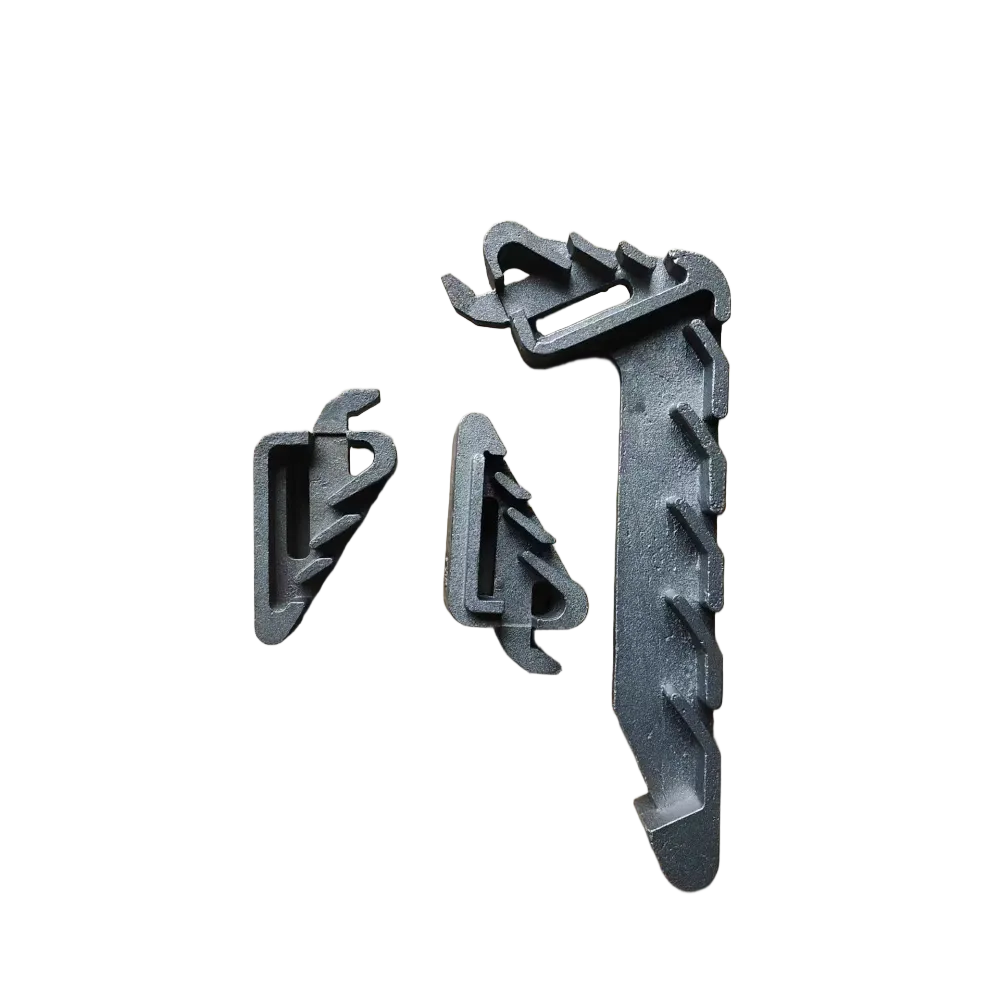
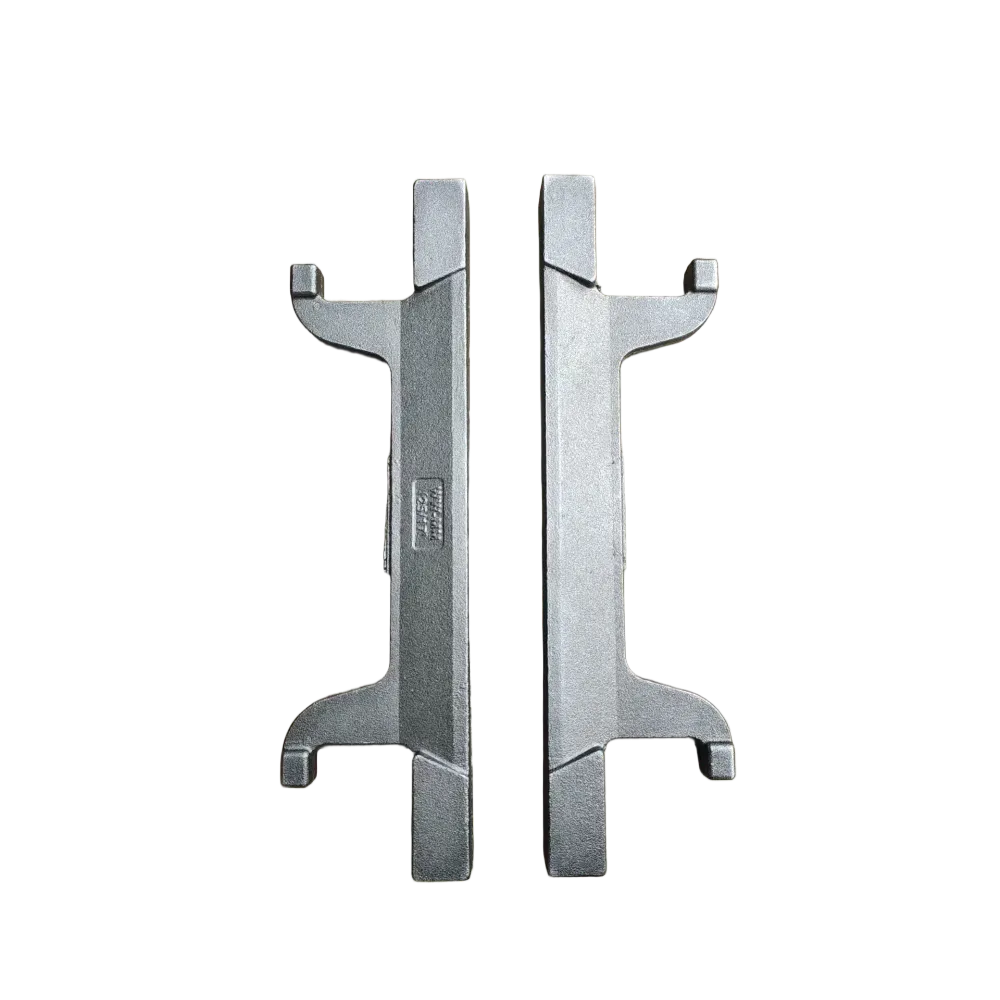
I’ve walked more than a few hot decks, and the unsung hero is the traveling grate. Specifically, the Sintering Machine Grate Bar—born in the NO.1 Industrial Area of Beitian, Baixiang County, Xingtai City, Hebei Province. It’s not flashy, but it carries the sinter bed, breathes air evenly, and shrugs off heat that would buckle ordinary steel. To be honest, once you’ve seen a grate bar survive a nasty thermal cycle without spalling, you respect it.
Industry Trends I’m Seeing
Three shifts: upgraded alloys for longer campaigns, tighter airflow uniformity to save coke breeze, and smarter lifecycle tracking (RFID tagging is starting to pop up). Many customers say they’re squeezing 10–20% more tonnage per campaign simply by pairing high-Cr/Ni bars with better sealing and bed control. Surprisingly, maintenance teams are also asking for refurbish-friendly designs—pin-and-slot geometries that swap fast.
What the Grate Bar Actually Endures
Continuous 900–1100°C exposure with peaks ≈1150°C, abrasive fines, chloride/sulfur atmospheres, and cyclic loads from strand motion. That’s why the bars are cast from heat- and wear-resistant alloys and then heat-treated for carbide stability. In fact, when you see bar tips polished by fines after a few thousand hours, that’s normal—what isn’t normal is edge cracking; that’s usually a spec or alloy mismatch.
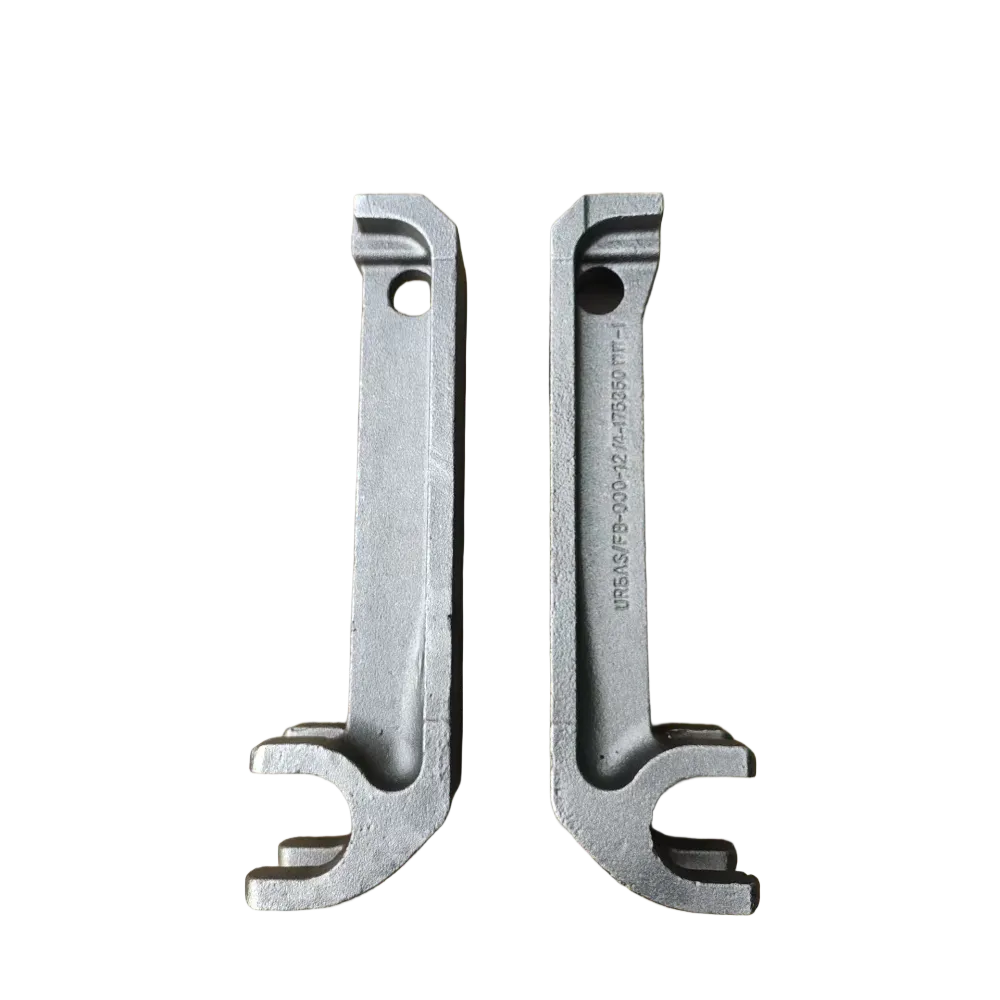
Representative Specifications (Sintering Machine Grate Bar)
| Parameter | Typical Range | Notes |
|---|---|---|
| Alloy options | High Cr iron (≥26%Cr), Ni-Resist, heat-resistant steel (e.g., 1.4848) | Selected per bed chemistry and temp profile |
| Max continuous temp | ≈ 1050–1150°C | Real-world use may vary with airflow and burden height |
| Hardness | HRC 35–50 (post heat treatment) | ISO 6508-1 |
| Length × pitch | 400–1200 mm × per design | ISO 8062-3 CT8…CT10 tolerances |
| Wear rate | ≈0.15–0.35 mm/1000 h | ASTM G65 comparative data |
| Service life | 8–18 months typical | Campaign length depends on ore mix and airflow |
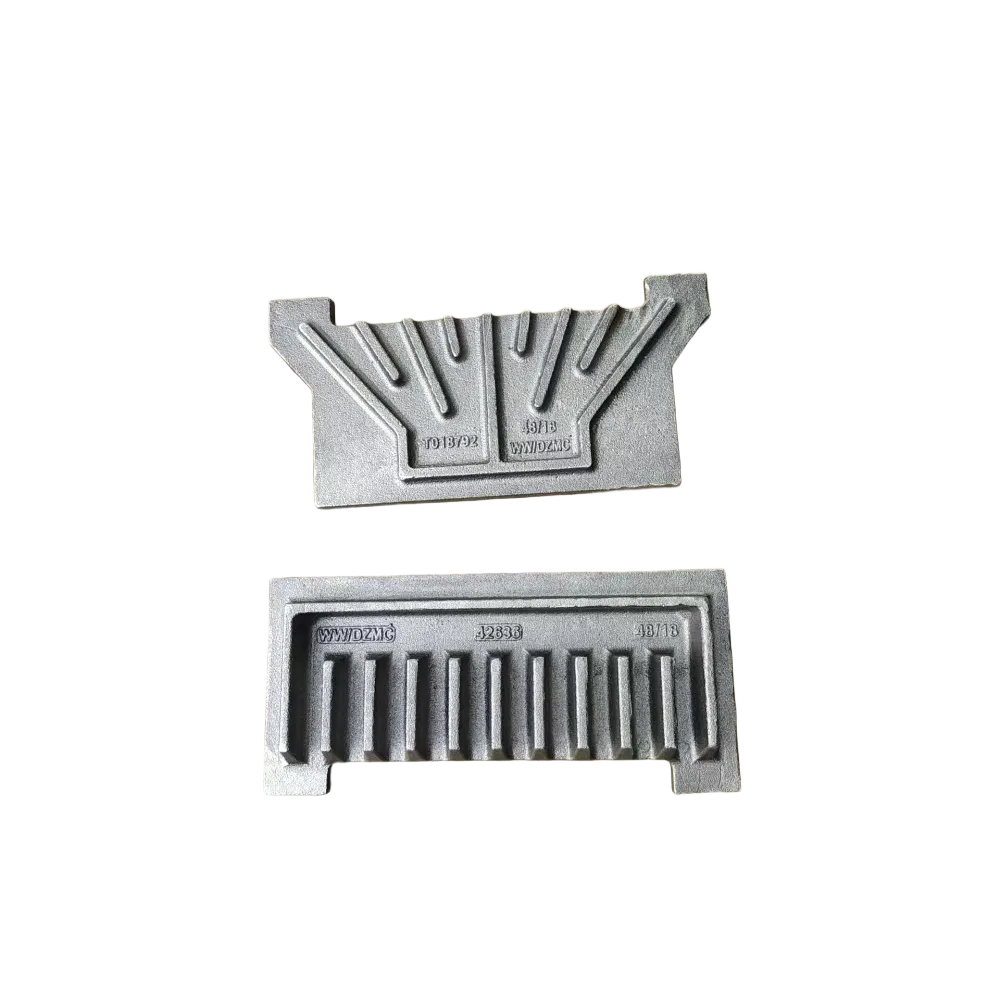
Process Flow and Quality Control
- Materials: certified charge, ferro-chrome/nickel, low-S/low-P returns.
- Melting & casting: medium-frequency induction; resin-sand molds; controlled pour temp.
- Heat treatment: normalization or stabilization for carbides; stress relief.
- Machining & fit-up: slot/pin interfaces checked to jigs.
- Testing: spectroanalysis (per ISO 4990), UT/MPI (ASTM A609 / EN 1369), hardness (ISO 6508-1), dimensional (ISO 8062-3).
One shop shared test snapshots: chemistry within ±0.15% for Cr, ultrasonic class 2, hardness HRC 44±2 after tempering. Not groundbreaking, but solid.
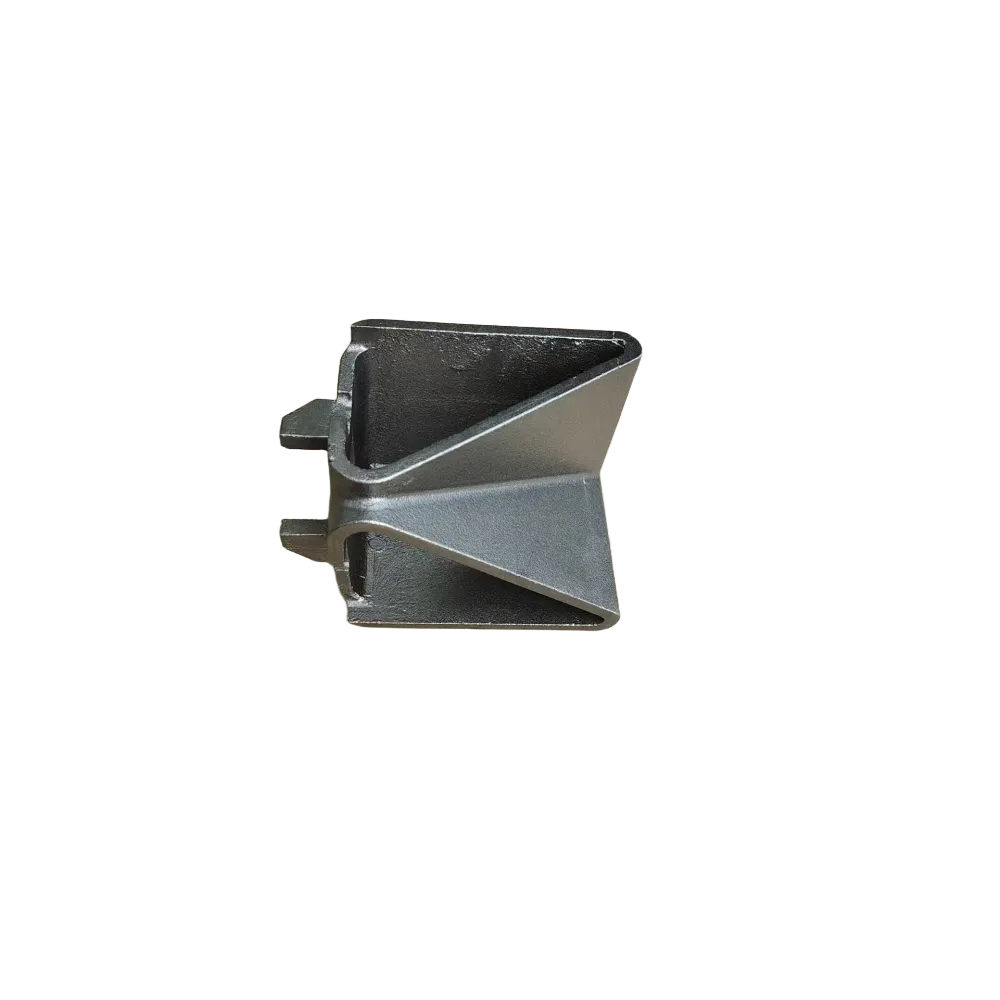
Where They Work
Steelworks sinter strands, pelletizing lines (some cross-use), and mining agglomeration pilots. In practice, Sintering Machine Parts like grate bars live or die by airflow uniformity and seal maintenance. Keep false air down and you keep heat where it matters.
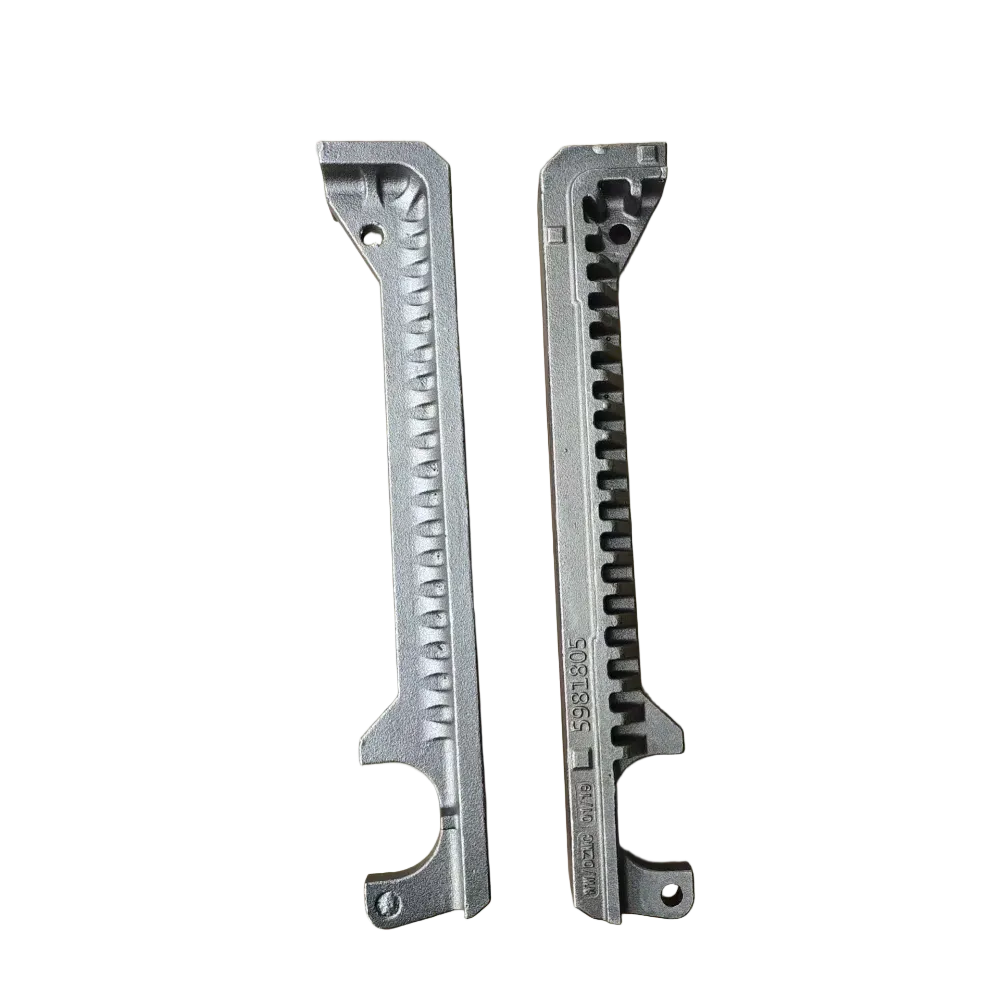
Vendor Comparison (quick, candid)
| Vendor | Alloy depth/consistency | Process | Lead time | Certs | Notes |
|---|---|---|---|---|---|
| DZMCCasting (Hebei) | Stable (±0.15% alloy chem) | Resin-sand + controlled HT | ≈4–6 weeks | ISO 9001/14001/45001 | Strong on custom geometries |
| Generic Foundry A | Mixed by batch | Green sand, limited HT | 6–10 weeks | ISO 9001 | OK for spares, less for campaigns |
| Import Brand B | Good, pricier | Investment + HT | 8–12 weeks | ISO 9001 | Long warranty, slow delivery |
Customization & Real-World Feedback
Common tweaks: tip geometry for gas distribution, web thickness for weight vs. life, and keyed couplings for faster swaps. One northern mill reported ≈14% longer life after switching to a high-Cr formulation and widening the vent window by 2 mm—small changes, big gains. Another site said, “we finally stopped chasing hot spots,” after a modest redesign of bar pitch. I guess details really do decide the campaign.
Standards, Data, and Compliance
Typical compliance calls: ISO 4990 (steel casting delivery), ISO 8062-3 (tolerances), ASTM A609 (UT), ISO 6508-1 (hardness), and ASTM G65 (abrasive wear). For safety and environment, plants increasingly ask for ISO 14001 and ISO 45001 alongside 9001. If your QA sheet can show UT class and hardness band on the same page—procurement smiles.
Citations
- ISO 4990: Steel castings — General delivery requirements.
- ISO 8062-3: Geometrical tolerancing for castings.
- ASTM A609: Standard Practice for UT of Castings.
- ISO 6508-1: Rockwell hardness test for metallic materials.
- ASTM G65: Measuring abrasion using the dry sand/rubber wheel apparatus.
-
High Performance oem cast heat resistant steel for Industrial UseNewsApr.16,2026
-
Guide to Selecting High Quality Cast Heat Resistant Steel AlloysNewsApr.09,2026
-
Custom Cast Heat Resistant Steel Solutions for High Temperature ApplicationsNewsApr.07,2026
-
Comprehensive Guide to Wholesale Cast Heat Resistant Steel for Industrial ApplicationsNewsApr.04,2026
-
Comprehensive Guide to High Performance Heat Resistant Metal Product SolutionsNewsMar.31,2026
-
Expert Guidance on Heat Resistant Metal Quotes and Alloy SelectionNewsMar.28,2026