Understanding Sintering Machine Parts Manufacturer: Global Impact & Industry Insights
Sintering Machine Parts Manufacturer: A Global Perspective
When we talk about manufacturing in the modern industrial world, sintering machine parts manufacturers play a surprisingly vital role. Oddly enough, many don’t realize how these components support a broad range of applications—from automotive to aerospace, and even environmental tech. Globally, efficient production depends heavily on the quality and precision of these parts. In a nutshell, understanding the nuances behind sintering machine parts not only clarifies a key industrial process but also highlights the benefits of durability, cost-effectiveness, and innovation in manufacturing.
You might wonder why they matter beyond just being “machine parts.” Well, sintering refers to a process of compacting and forming solid materials by heat without melting. The machines facilitating this must perform flawlessly, and that’s where specialized manufacturers step in, providing the crucial components with precision and reliability. This is especially relevant in a world increasingly focused on sustainability and manufacturing efficiency.
Introduction: The Industry and Global Context
The global manufacturing sector is estimated to be worth trillions of dollars, with metal components alone contributing massively to global GDP. According to the International Organization for Standardization (ISO), quality and rigorous standards in component manufacturing have been central to advancing industrial capabilities worldwide. Sintering machine parts manufacturers are embedded deep in this ecosystem, providing parts that withstand extreme conditions and deliver precise outputs.
Yet there’s a challenge: fluctuating raw material costs, environmental regulations, and the need for rapid innovation keep manufacturers on their toes. This is where reliable, expert sintering machine parts manufacturers become indispensable partners, helping industries adapt sustainably and effectively.
What Is a Sintering Machine Parts Manufacturer?
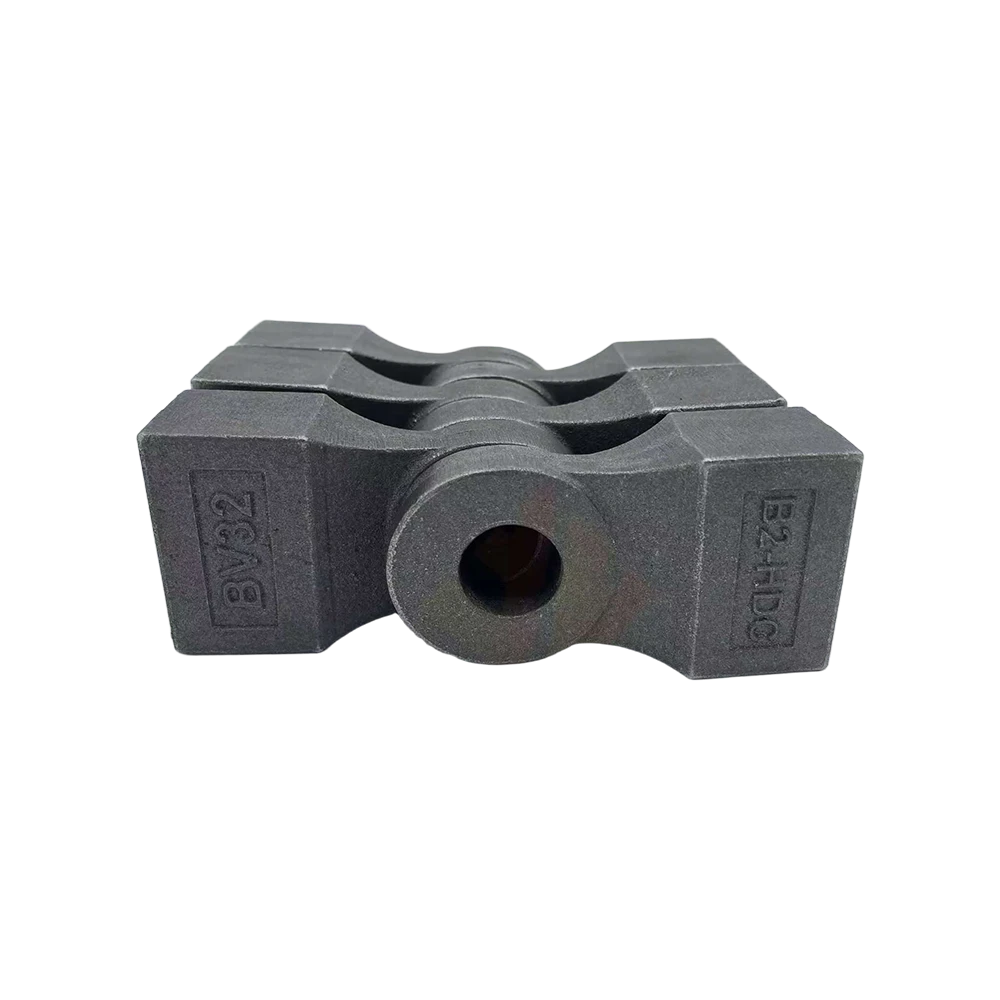
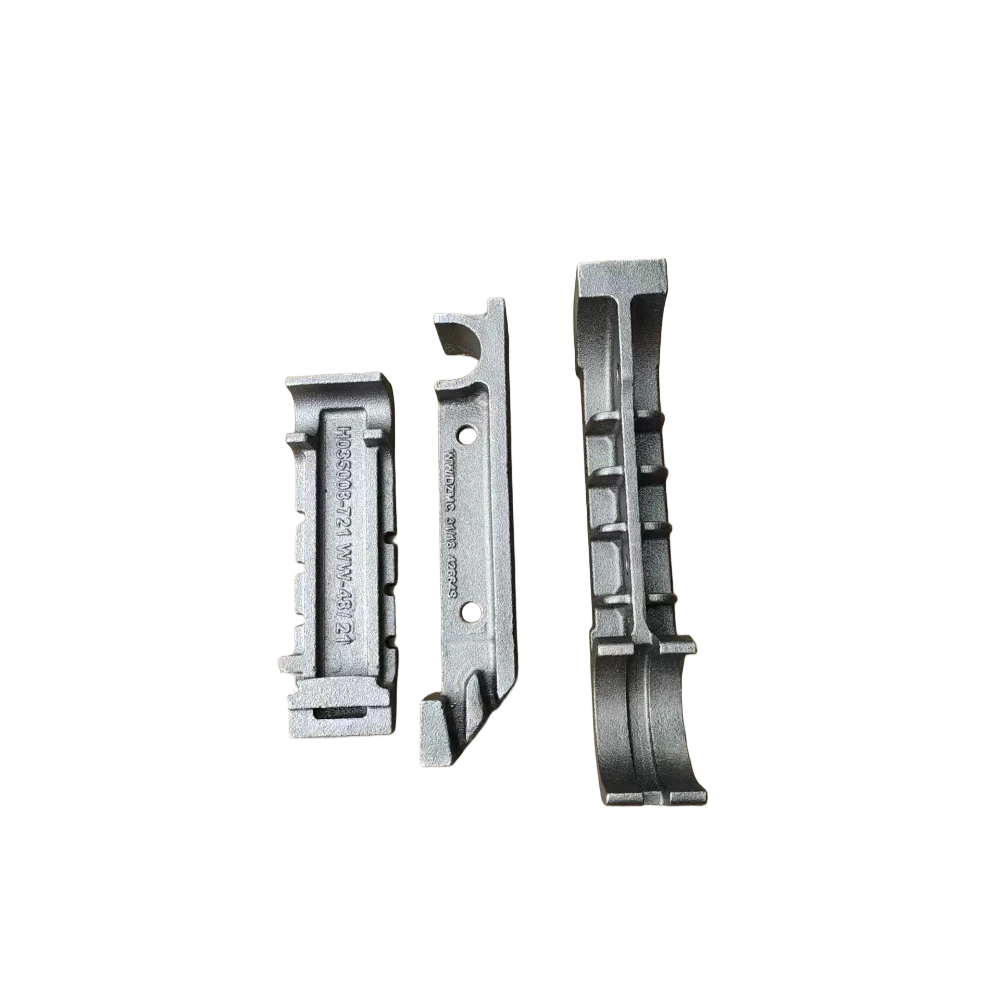
Simply put, a sintering machine parts manufacturer designs, fabricates, and supplies the components that go inside sintering equipment. These parts are crucial for heating, pressing, shaping, and cooling metal powders or ceramic materials during the sintering process.
The connection to modern industry becomes clearer when you consider sectors like automotive, aerospace, and even medical devices, where sintering offers the precision and material properties essential for end products.
Key Components and Considerations
Durability and Material Strength
Sintering machines operate at extremely high temperatures and pressures, so manufacturers focus heavily on parts made from heat-resistant alloys or ceramics. For instance, furnace belts, heating elements, and hydraulic parts must endure repeated thermal cycling to ensure consistency.
Precision Engineering
Whether it’s the mold castings or control systems, tolerances are often measured in microns. Manufacturers employ cutting-edge CNC machining and quality control to keep parts within tight specs—because even slight deviations can cause costly defects.
Cost Efficiency
It’s not just about forging tougher parts but balancing cost-effectiveness with performance. Smart manufacturers optimize raw material use, automate production lines, and sometimes source from regions where skilled labor is cost-competitive but still meets strict quality demands.
Customization & Scalability
Different industries have varied demands. Some need small-batch special parts for aerospace prototypes, while others require mass-produced standardized components for automotive assembly lines. Flexibility is key.
Product Specifications: Typical Sintering Machine Parts
| Part Name | Material | Temperature Range | Typical Use |
|---|---|---|---|
| Heating Element | Molybdenum Disilicide (MoSi2) | Up to 1800°C | Radiant heating in furnaces |
| Furnace Belt | Inconel Alloy | Up to 1200°C | Conveys parts through sintering furnace |
| Hydraulic Pump | Steel with Titanium Coating | Ambient to 150°C | Pressure control in pressing operations |
| Thermocouples | Platinum–Rhodium | Up to 1600°C | Temperature measurement and control |
Global Vendor Comparison
Choosing the right sintering machine parts manufacturer can drastically affect product quality and delivery schedules. Here's a comparison of three leading vendors:
| Vendor | Material Expertise | Custom Orders | Lead Time | Certifications |
|---|---|---|---|---|
| DZM Casting | Heat-Resistant Alloys | Yes (small to large batch) | 3–5 weeks | ISO 9001, ISO 14001 |
| GlobalSinter Corp. | Ceramics & Metals | Limited customization | 4–6 weeks | ISO 9001 |
| PrecisionParts Ltd. | Metals only | Yes (bulk orders only) | 5–7 weeks | ISO 9001, AS9100 |
Global Applications & Use Cases
Sintering machine parts impact many corners of the globe. In Japan and Germany, for instance, automotive manufacturers rely heavily on sintered components to create complex engine parts that are lighter yet stronger. Meanwhile, aerospace companies in the U.S. use sintering to produce lightweight turbine blades, reducing fuel consumption — a critical sustainability gain.
In more unexpected arenas, sintering parts manufacturers support remote industrial zones where mining companies depend on sintered tools and machinery that must survive harsh conditions. Even humanitarian aid projects have borrowed sintered modular components for durable temporary shelters or medical devices.
Sintering machine parts manufacturers serve as the backbone in these varied contexts, enabling innovation and resilience.
Advantages & Long-Term Value
- Cost Savings: Efficient parts reduce machine downtime and raw material waste.
- Sustainability: Many manufacturers now integrate recycled metals and energy-efficient production to minimize environmental impact.
- Reliability: High-quality parts extend the life span of sintering machines, fostering trust among customers.
- Innovation: Collaborative R&D between part manufacturers and end users drives continual efficiency improvements.
Frankly, it’s not just about metal parts; it’s about safety, dignity, and building products that last without harming people or planet.
Future Trends & Innovations
The future looks promising. Experts predict increasing adoption of AI-driven quality control and automation in sintering part production. Green energy use, like solar-powered manufacturing plants, is also gaining traction. Beyond environmental tech, advanced materials like graphene coatings could enhance durability further.
Digital twin technology is another buzzword — simulating machine behavior digitally before producing parts cuts costs and errors. It's a fascinating time to be following this field.
Challenges & Solutions
Of course, challenges abound. Raw material price volatility can hit budgets hard. Some parts, especially those custom-made, face longer lead times, slowing innovation. Quality consistency is another sticking point — slight defects can cascade into bigger problems downstream.
Leading manufacturers tackle these by tightening supply chains, investing in automated inspection systems, and collaborating closer with clients to tailor production runs. Sintering machine parts manufacturers who embrace these strategies are better positioned for long-term success.
FAQ: Practical Questions About Sintering Machine Parts Manufacturing
- Q1: How do sintering machine parts manufacturers ensure quality at scale?
- A1: By combining precise CNC machining with rigorous quality control protocols, including regular inspections and compliance with ISO standards, manufacturers maintain consistent quality even in large production runs.
- Q2: Can sintering machine parts be customized for specific industrial needs?
- A2: Absolutely. Many manufacturers offer customization, accommodating varying sizes, materials, and heat resistance levels based on client requirements and industry standards.
- Q3: What materials are most common for these parts?
- A3: Heat-resistant alloys like Inconel and ceramics such as molybdenum disilicide are standard, designed to withstand high temperatures and corrosive environments intrinsic to sintering.
- Q4: How long is the typical lead time for ordering sintering machine parts?
- A4: Generally, lead times range from 3 to 7 weeks depending on complexity, customization, and production volume. Planning ahead with your supplier can help reduce delays.
- Q5: Is it sustainable to source sintering parts from overseas manufacturers?
- A5: Many overseas manufacturers, especially those with ISO 14001 certification, have adopted green practices. Sourcing responsibly with clear compliance can support sustainability goals while managing costs.
Conclusion: Investing in Quality and Innovation
To sum up, partnering with a reliable sintering machine parts manufacturer means more than just buying machine components — it’s investing in efficiency, sustainability, and innovation that reverberates through countless industries. From cutting aerospace fuel use to supporting remote mining operations, these parts quietly empower modern manufacturing’s next steps.
Curious to explore top-tier options? Visit our website: https://www.dzmccasting.com to discover how quality and precision come together for your needs.
In the fast-evolving world of manufacturing, it’s fascinating how something as seemingly simple as machine parts quietly shapes the future. Just goes to remind us: sometimes the smallest details hold the greatest power.
References
-
High Performance oem cast heat resistant steel for Industrial UseNewsApr.16,2026
-
Guide to Selecting High Quality Cast Heat Resistant Steel AlloysNewsApr.09,2026
-
Custom Cast Heat Resistant Steel Solutions for High Temperature ApplicationsNewsApr.07,2026
-
Comprehensive Guide to Wholesale Cast Heat Resistant Steel for Industrial ApplicationsNewsApr.04,2026
-
Comprehensive Guide to High Performance Heat Resistant Metal Product SolutionsNewsMar.31,2026
-
Expert Guidance on Heat Resistant Metal Quotes and Alloy SelectionNewsMar.28,2026