What Is a Cast Heat Resistant Steel Manufacturer? Key Insights & Industry Guide
Understanding the Role of a Cast Heat Resistant Steel Manufacturer
In our increasingly industrialized and climate-conscious world, materials that can withstand extreme temperatures aren’t just desirable—they’re essential. This is where a cast heat resistant steel manufacturer steps in, enabling industries to produce components that endure intense heat without compromising strength or safety. Globally, as sectors from energy to transportation evolve, the demand for these specialized manufacturers grows. In fact, industries relying on high-temperature processes count on these steels to maintain operational integrity, reduce downtime, and enhance long-term value.
Why It Matters on a Global Scale
According to the International Energy Agency, industrial processes account for roughly 40% of worldwide energy use, much of which involves high-temperature environments. Heat resistant steels produced by trusted manufacturers are critical in sectors like power generation, petrochemical plants, and aerospace. Without reliable cast heat resistant steel, equipment failures, costly repairs, or even safety hazards become serious risks. In this light, understanding the capabilities and role of a quality cast heat resistant steel manufacturer is vital—not just for manufacturers but also policy makers and sustainability advocates.
What Exactly Is a Cast Heat Resistant Steel Manufacturer?
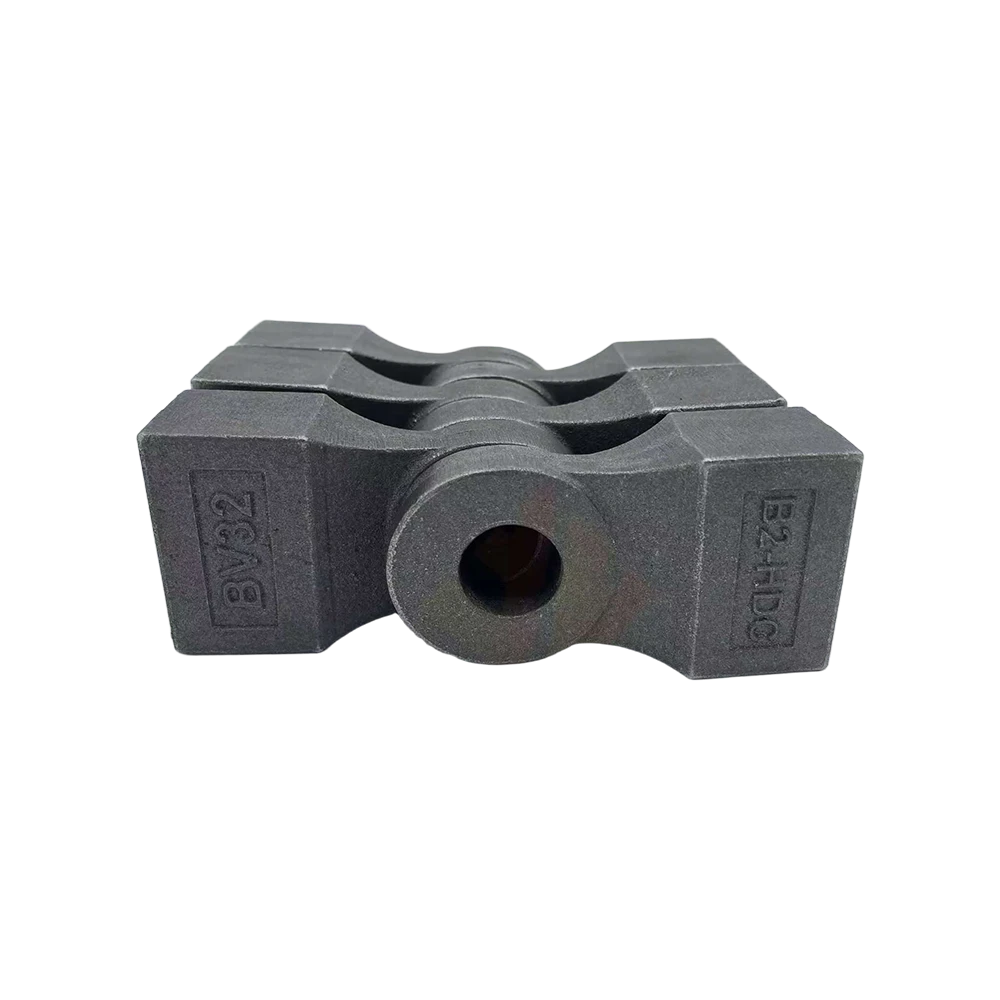
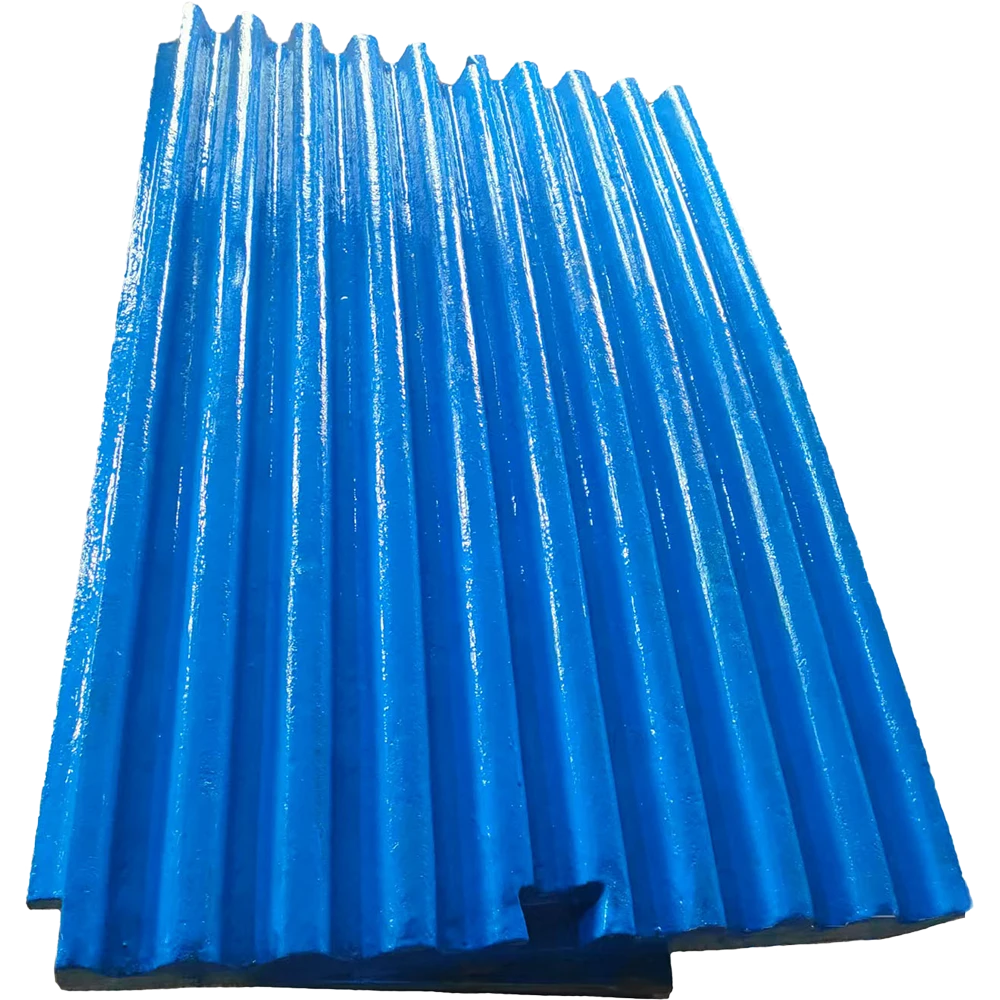
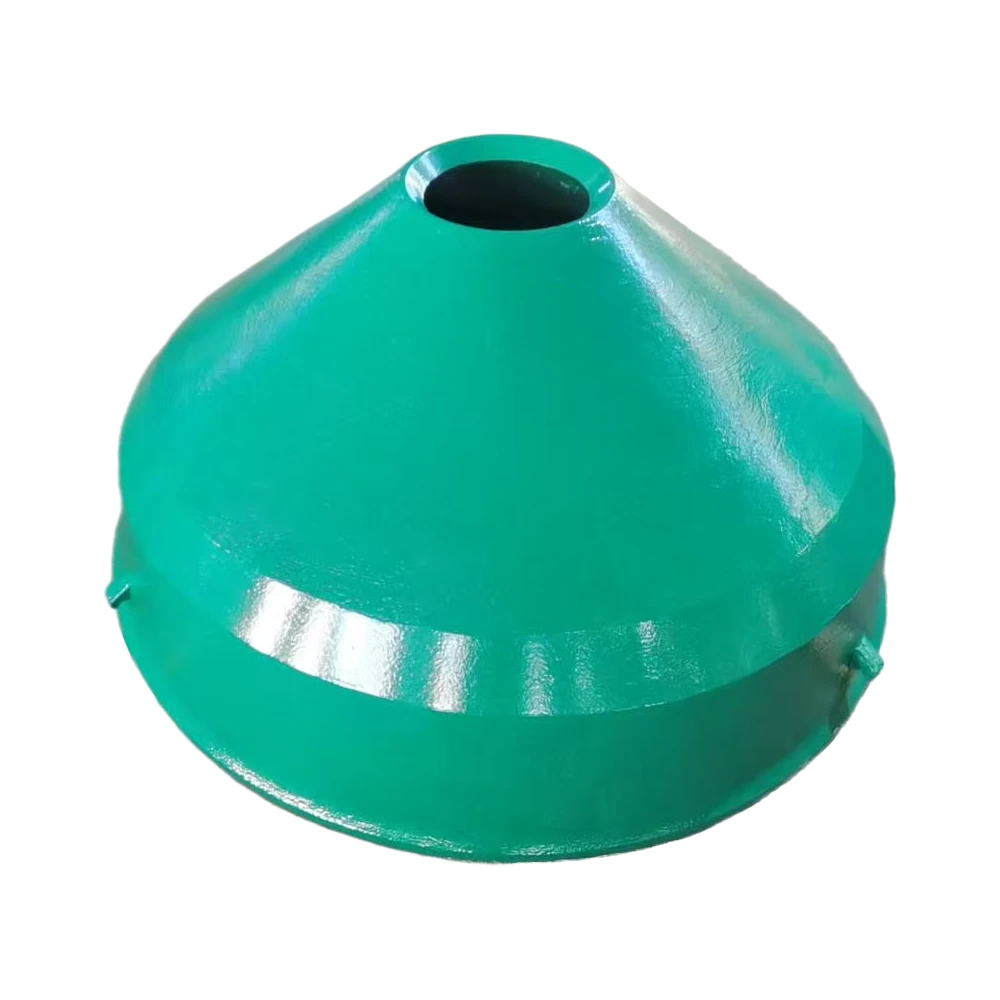
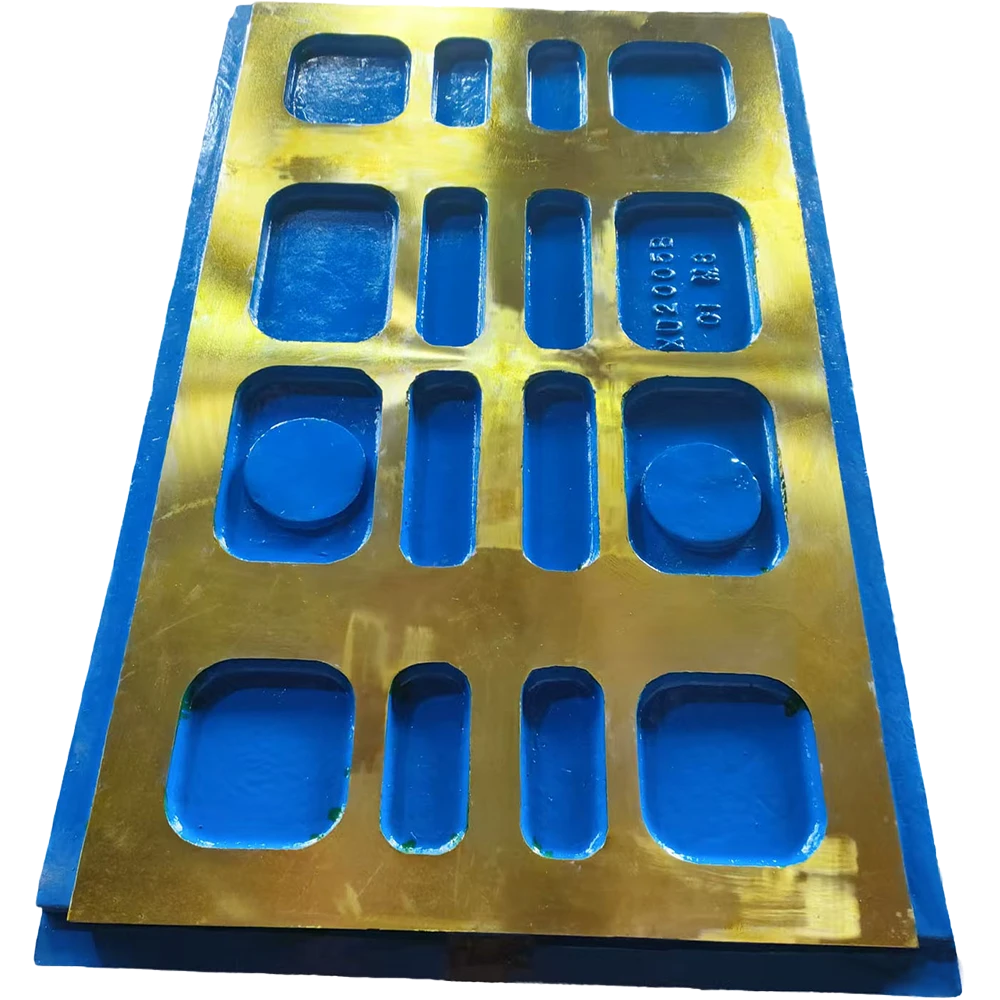
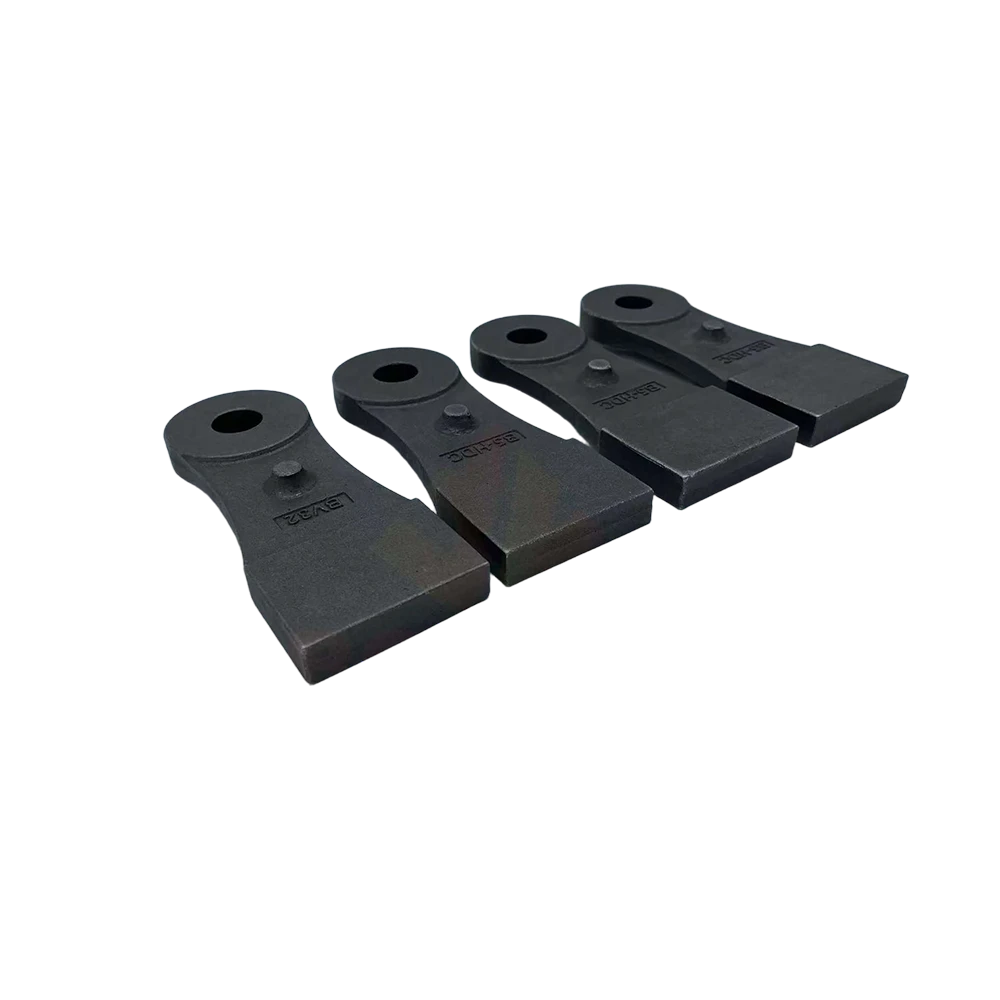
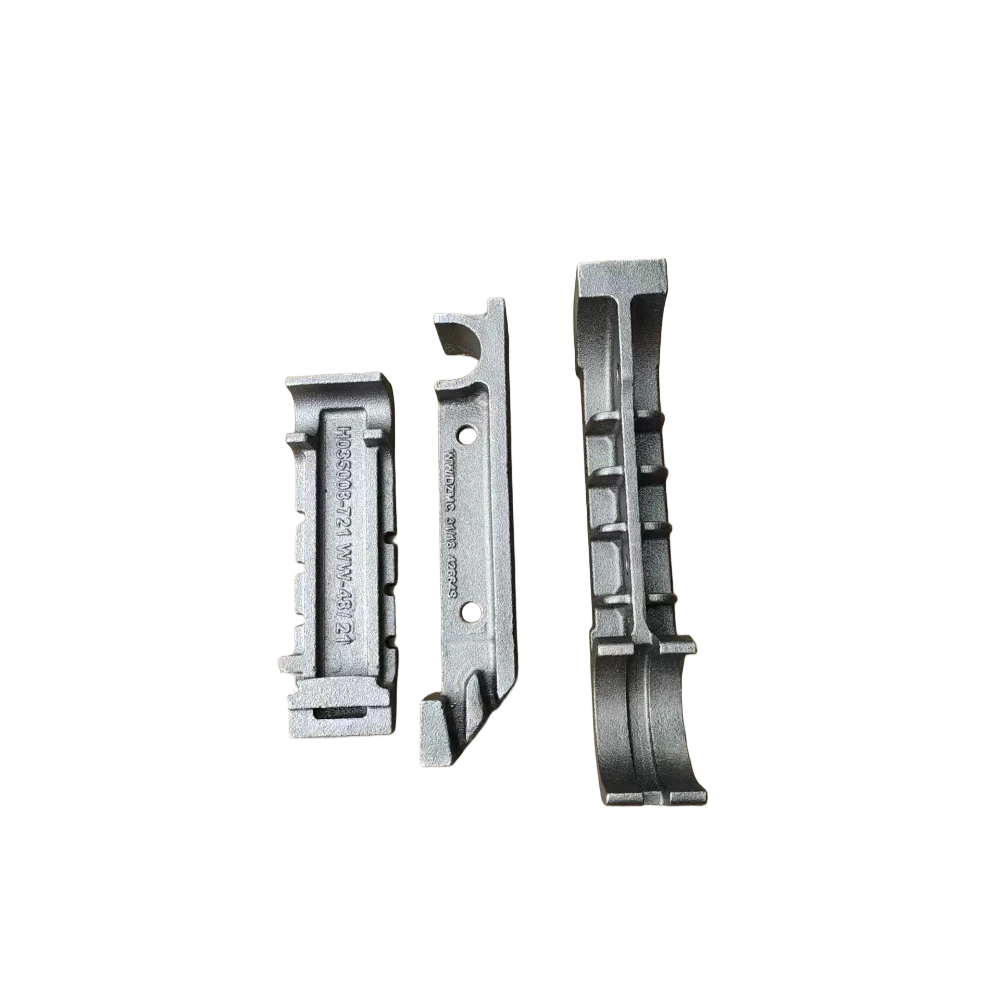
Put simply, a cast heat resistant steel manufacturer specializes in producing steel alloys that don’t lose their strength or shape when exposed to high temperatures. “Casting” involves pouring molten steel into molds to form specific shapes—be it pipes, valves, or complex machine parts—and these steels are engineered to resist thermal stress, oxidation, and scaling. Modern industries, from heavy manufacturing to humanitarian operations involving robust equipment in tough environments, rely heavily on cast heat resistant steel components because they combine durability with reliability.
Core Aspects of Cast Heat Resistant Steel
1. Durability and Thermal Stability
One of the main reasons these steels are sought after is their ability to maintain mechanical properties at elevated temperatures, often upwards of 600°C. This prevents deformation and premature wear that could interrupt industrial processes.
2. Corrosion and Oxidation Resistance
Heat alone isn’t the only enemy; oxidizing environments, especially in power plants and chemical industries, require materials that resist corrosion for longer service lives.
3. Scalability in Manufacturing
A reliable manufacturer must cater to both small custom castings and large scale productions, enabling various industries to access precisely fabricated components tailored to their needs.
4. Cost Efficiency Over Lifecycle
Though initially pricier than standard steel, these cast heat resistant steels reduce maintenance and replacement costs, making them more economical long term.
5. Compliance with Industry Standards
Vendors often meet or exceed standards like ASTM A297 or ISO 9001, ensuring the consistency and traceability critical for high-stakes applications.
Applications Around the World
Industries the world over depend on cast heat resistant steel manufacturers. In Europe, power plants upgrade turbines using these steels to improve efficiency. Asian petrochemical zones rely on cast valves and fittings made from these materials to withstand caustic environments. Moreover, organizations involved in disaster relief, for instance, use machinery components built to last through harsh conditions, ensuring fast response capabilities without equipment failure.
Advantages and the Long-Term Value
- Safety: High heat resistance reduces failure risk, securing worker and environmental safety.
- Sustainability: Durable steels mean fewer replacements, lowering mining and manufacturing impact.
- Economic Return: Longer service life lowers overall operational costs.
- Innovation: Precision casting advances allow complex geometries otherwise impossible to produce.
Emotionally, investing in a trustworthy manufacturer also fosters peace of mind—knowing your critical infrastructure rests on tested, reliable materials.
Future Trends & Innovations
The industry isn’t standing still. Emerging manufacturing techniques, like additive manufacturing combined with traditional casting, are beginning to modify how these steels are shaped and enhanced. Sustainability drives development of alloys with better recyclability and reduced carbon footprints, dovetailing with green energy initiatives. Additionally, automation and digital quality control are reducing defects, increasing precision, and ensuring supplier accountability worldwide.
Challenges and How the Industry is Overcoming Them
Heat resistant steels, while invaluable, face challenges such as high production costs and complex alloy compositions. Skilled workforce shortages and supply chain disruptions can also cause delivery delays. Some manufacturers counter this by investing in automation, localizing supply chains, and standardizing material grades without sacrificing quality—all to better serve global customer needs.
| Specification | Detail |
|---|---|
| Common Alloy Grades | ASTM A297 Grade 309, 310, 314 |
| Max Operating Temp | Up to 1150°C |
| Typical Applications | Furnace parts, valves, pump casings |
| Manufacturing Process | Investment Casting, Sand Casting |
| Standard Certifications | ISO 9001, ASTM Standards |
Comparing Cast Heat Resistant Steel Manufacturers
| Manufacturer | Production Capacity | Quality Certifications | Specialty | Lead Times |
|---|---|---|---|---|
| Company A | 500 tons/month | ISO 9001, ASTM | Custom valve casings | 4-6 weeks |
| Company B | 800 tons/month | ISO 14001, ISO 9001 | High-temp furnace parts | 3-5 weeks |
| Company C | 300 tons/month | ASTM, API | Petrochemical equipment | 6-8 weeks |
Frequently Asked Questions About Cast Heat Resistant Steel Manufacturer
- What industries benefit the most from cast heat resistant steels?
- Industries such as power generation, petrochemicals, aerospace, and heavy manufacturing rely heavily on cast heat resistant steels due to their ability to withstand extreme thermal conditions without losing strength or corroding.
- How does casting compare to other manufacturing methods for heat resistant steel?
- Casting allows complex shapes and internal geometries that are difficult to achieve with forging or machining, enabling manufacturers to produce components tailored specifically for high-temperature applications.
- Are these steels recyclable or environmentally friendly?
- Yes, many heat resistant steel alloys are recyclable, and modern manufacturers are increasingly adopting sustainable processes to reduce carbon emissions, aligning with international environmental standards.
- What certifications should I look for in a cast heat resistant steel manufacturer?
- Look for ISO 9001 for quality management, ASTM standards related to heat resistant alloys, and sometimes sector-specific standards like API for oil and gas to ensure material compliance and traceability.
- How can I assess lead times and production capacity when choosing a manufacturer?
- Discuss your project scale upfront; reputable manufacturers provide transparent timelines and can scale production accordingly, especially if they have multiple casting methods and certifications.
Conclusion
In real terms, partnering with a quality cast heat resistant steel manufacturer is an investment in reliability, safety, and sustainability. The industry will continue to innovate, blending traditional techniques with cutting-edge technologies to meet growing global demands. If durability under fire and long-lasting performance are priorities for your project, it’s worth exploring trusted manufacturers who understand both the metallurgical science and the complex needs of modern industry.
Feel free to visit https://www.dzmccasting.com to see how casting solutions can fit your exact application.
References
-
High Performance oem cast heat resistant steel for Industrial UseNewsApr.16,2026
-
Guide to Selecting High Quality Cast Heat Resistant Steel AlloysNewsApr.09,2026
-
Custom Cast Heat Resistant Steel Solutions for High Temperature ApplicationsNewsApr.07,2026
-
Comprehensive Guide to Wholesale Cast Heat Resistant Steel for Industrial ApplicationsNewsApr.04,2026
-
Comprehensive Guide to High Performance Heat Resistant Metal Product SolutionsNewsMar.31,2026
-
Expert Guidance on Heat Resistant Metal Quotes and Alloy SelectionNewsMar.28,2026