Comprehensive Guide to Crusher Machine Spare Parts: Quality, Applications & Trends
Understanding Crusher Machine Spare Parts: Essential Components for Industry Longevity
If you’ve ever been near a quarry, mining site, or large construction project, chances are you’ve seen the roaring machines that crush rock and ore into smaller, usable sizes. Now, think about the unsung heroes keeping those machines churning: crusher machine spare parts. These components might not get the spotlight, but they are crucial — on a truly global scale — for industries that rely on heavy-duty crushing equipment to keep infrastructure, mining, and aggregate production humming along.
Why does this matter? Well, according to industry studies from bodies like the International Organization for Standardization (ISO) and global infrastructure reports, downtime due to wear or failure of crusher parts can cost millions yearly. Understanding these spare parts, their quality, and global supply chain dynamics offers companies a competitive edge, improved safety, and better sustainability outcomes.
Global Context & Industry Relevance
In 2023, the global mining and construction industries collectively contributed trillions of dollars to economies worldwide. Yet the crushing machines, the backbone of mineral processing and aggregate production, face constant wear and tear. The World Bank has noted infrastructure projects in emerging economies especially suffer delays caused by equipment breakdowns.
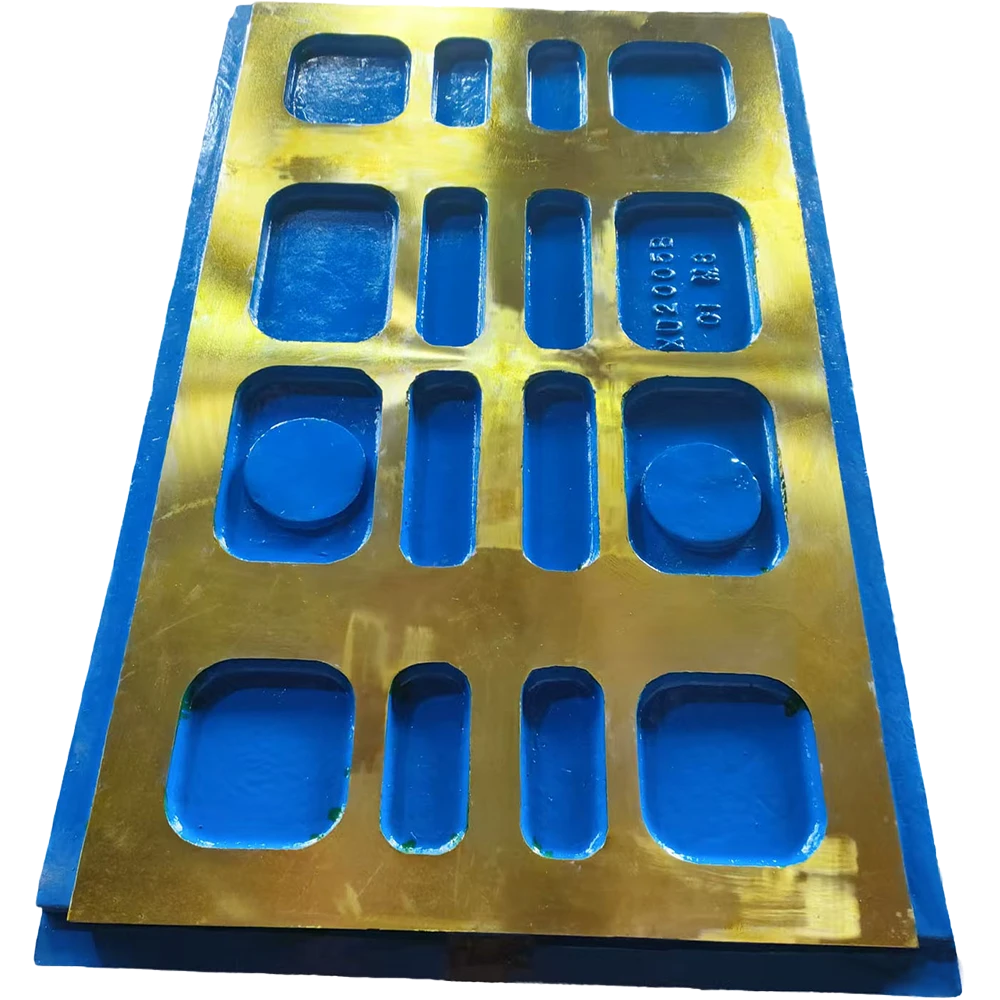
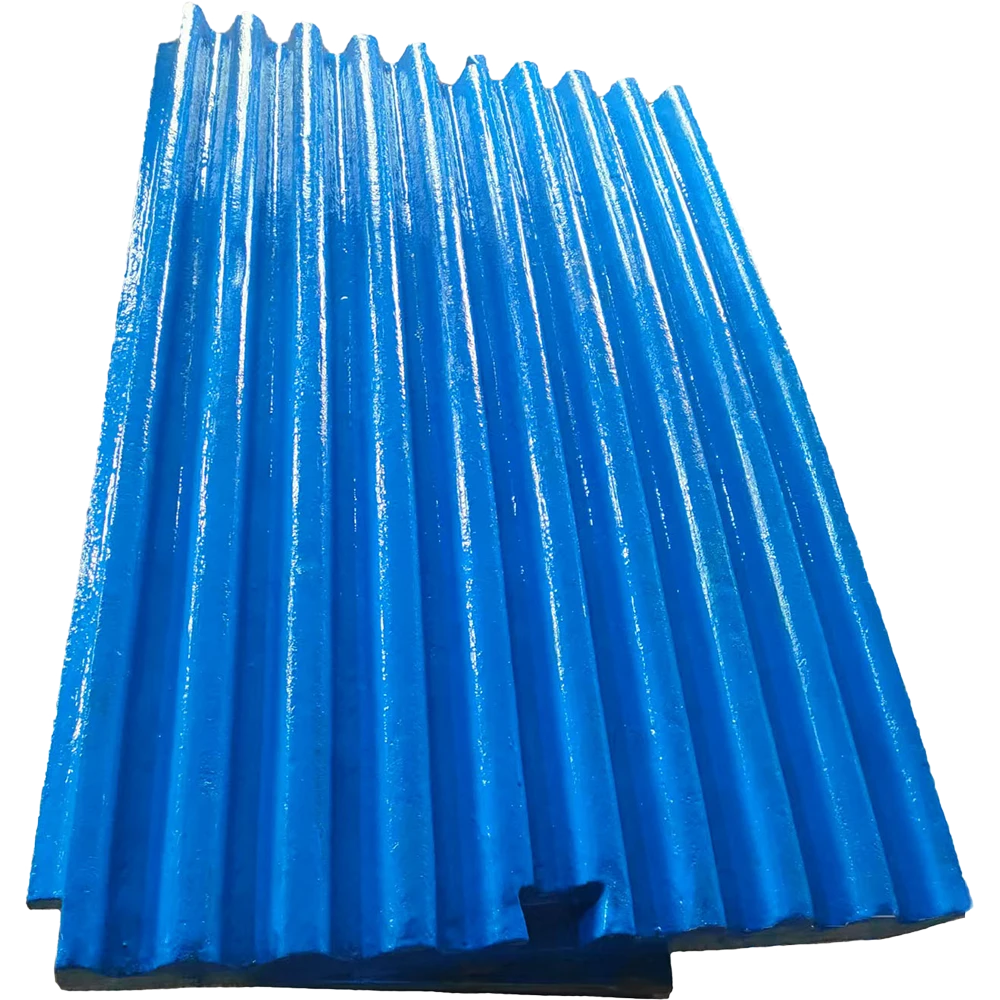
Crusher machine spare parts address these challenges directly. Whether it’s a jaw plate wearing down after months of gravel crushing or a drive shaft that needs replacing, spare parts ensure machines don’t just break down at critical times — avoiding costly delays and safety risks.
What Exactly Are Crusher Machine Spare Parts?
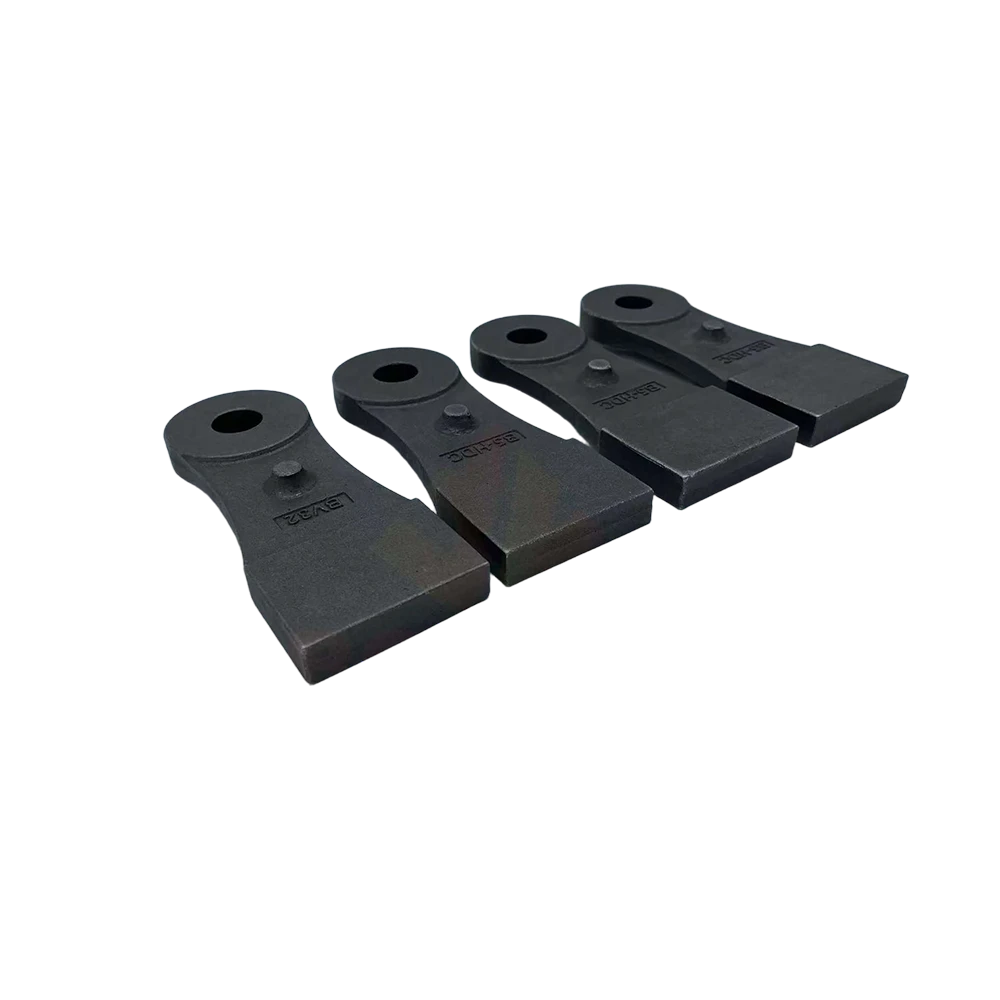
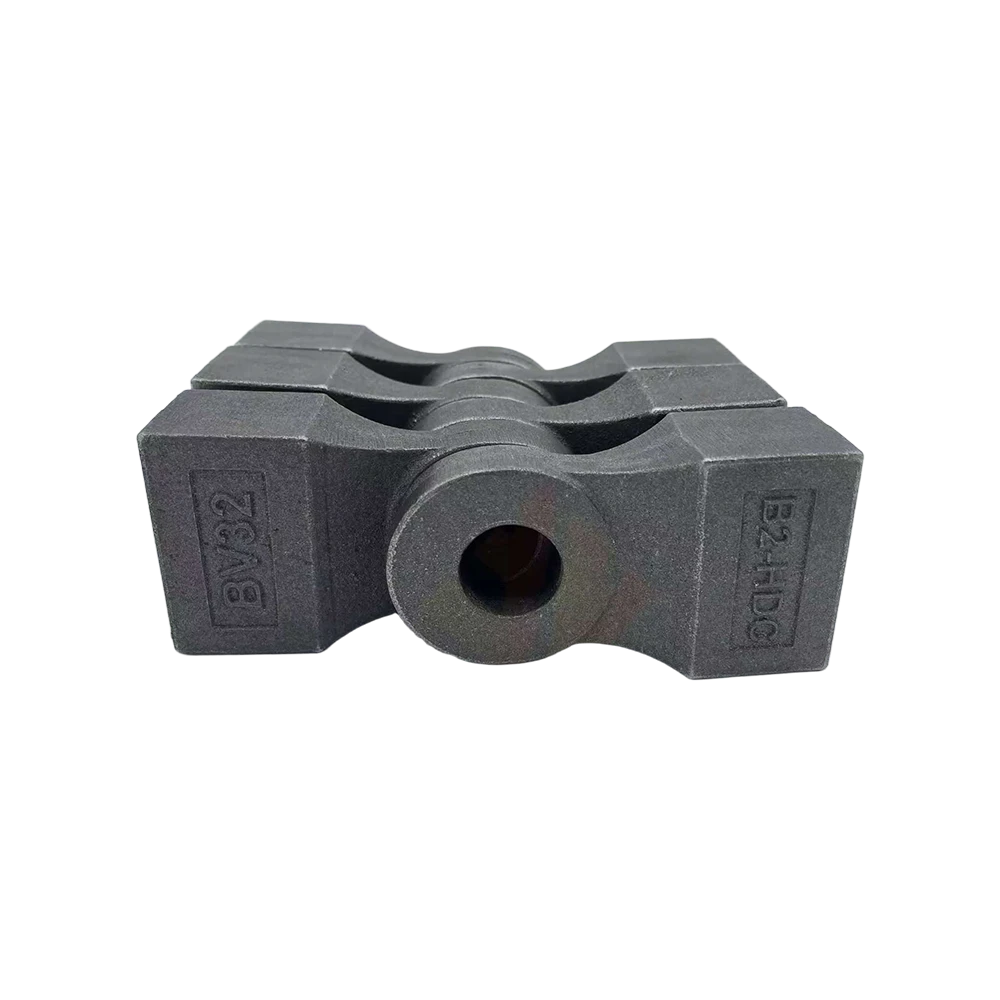
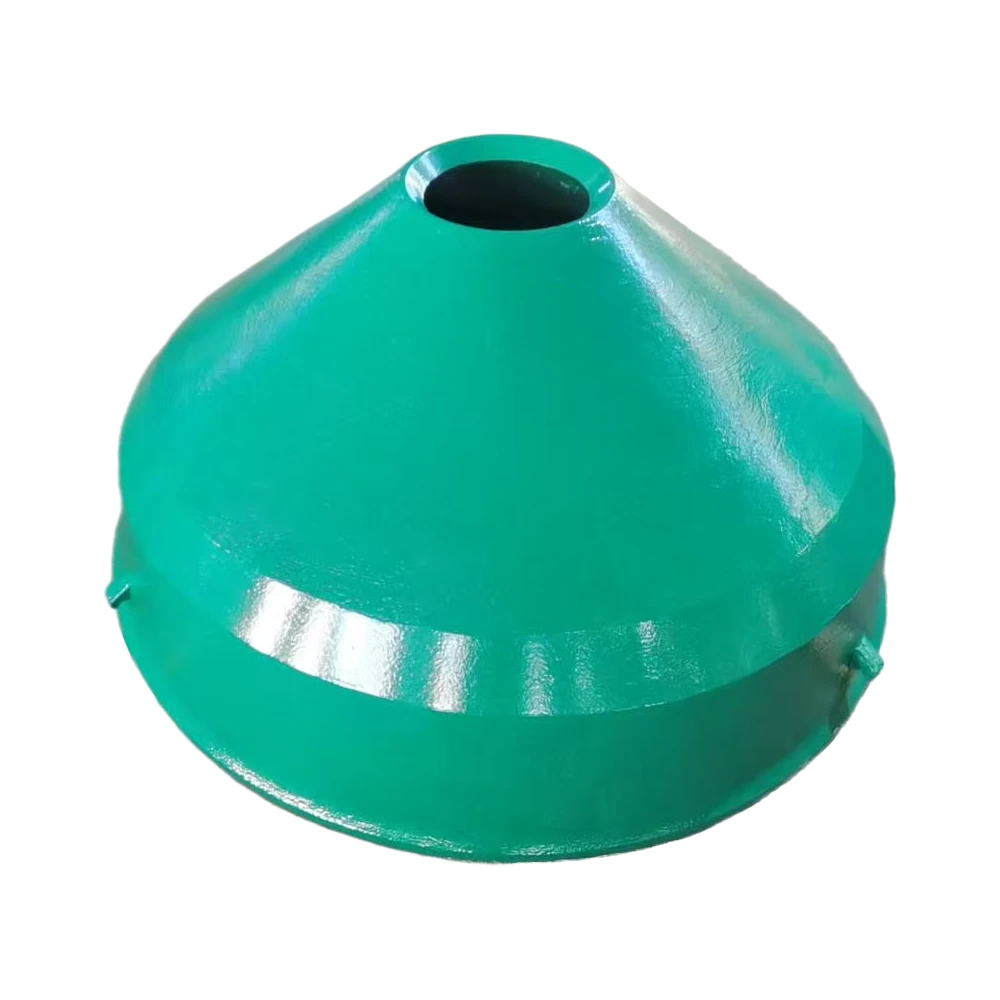
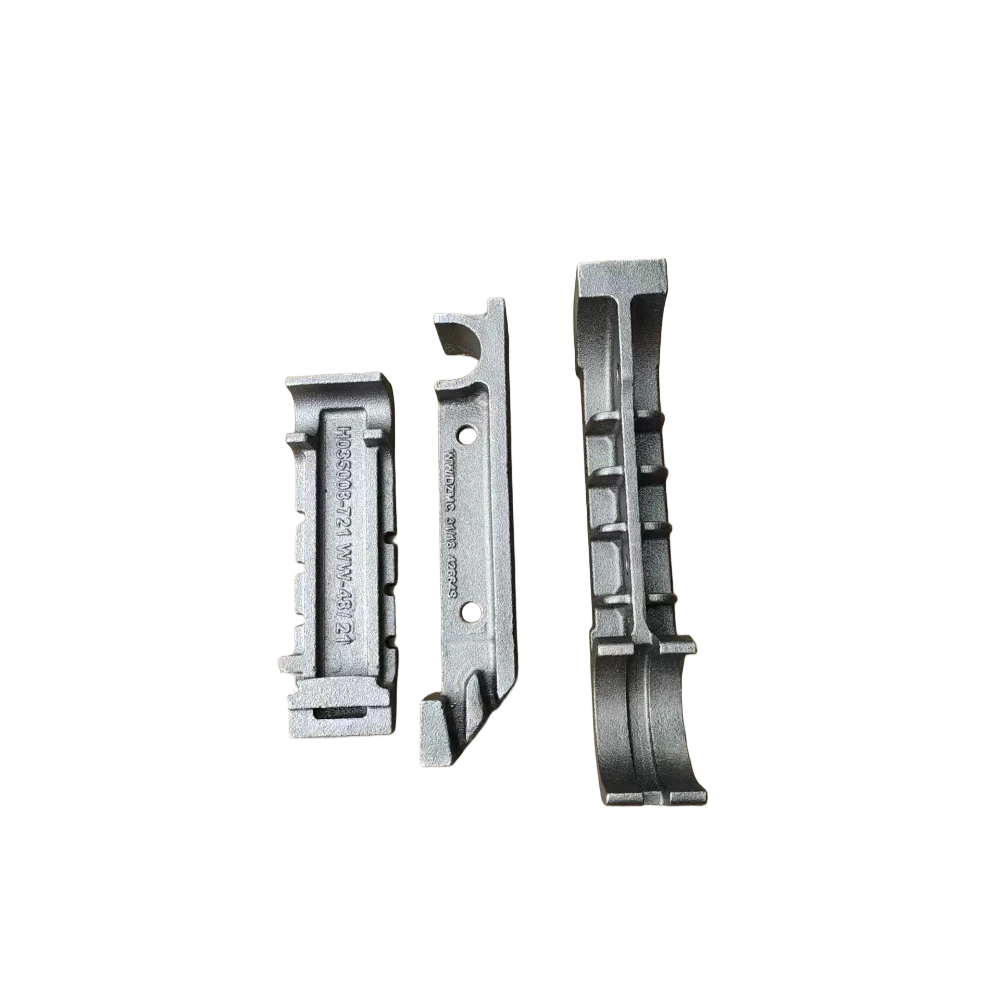
Simply put, these spare parts are the individual components that make up the crusher machinery and can be replaced when worn or damaged. They include items like jaw plates, mantles, concaves, eccentric shafts, bearings, liners, and more. Without these readily available, a stuck crusher means halted production.
In modern contexts, these parts are essential for everything from mining precious metals, building skyscrapers, to humanitarian construction projects where quick infrastructure rebuilding is needed after disasters.
Key Components & Core Factors
Durability & Material Quality
Crusher parts must withstand extreme pressure, abrasive materials, and continuous impact. Materials like manganese steel are favored because they harden under stress, extending service life.
Compatibility & Scalability
Spare parts need to fit exact machine models, but suppliers are also innovating modular designs to scale with growing project needs.
Cost Efficiency
Balancing upfront cost with lifespan is critical. Investing in premium parts may seem pricier but tends to reduce replacement frequency and unexpected downtime.
Availability & Supply Chain
Global demand means suppliers must ensure stock readiness. Delays in shipping or poor inventory can stall entire operations.
Ease of Maintenance
Designing parts allowing quick replacement—with minimal machine disassembly—helps save technicians’ time and reduces overall project downtime.
Product Specifications at a Glance
| Spare Part | Material | Typical Lifespan | Compatibility |
|---|---|---|---|
| Jaw Plate | High manganese steel | 6-12 months | Jaw Crushers (All Major Brands) |
| Mantle | Alloy steel with wear-resistant coating | 8-14 months | Cone Crushers |
| Eccentric Shaft | Forged steel | 2-3 years | Various Crusher Types |
| Concave | Manganese steel | 9-15 months | Cone Crushers |
| Bearing | Chrome steel | 1-2 years | All Crusher Types |
Mini takeaway: Quality materials and design tailored to specific crusher models ensure reliability and longevity — ultimately reducing operational costs.
Global Applications & Real-World Use Cases
- Mining Regions: In places like Australia and South Africa, spare parts for crushers enable uninterrupted extraction of minerals critical to global supply chains.
- Infrastructure Projects: Urban development in Asia depends heavily on aggregate produced by crushers, so localized spare part hubs reduce downtime.
- Disaster Relief: In post-earthquake rebuilding zones, mobile crushers with quick spare parts access hasten rubble removal and material recycling.
- Remote Industrial Zones: Arctic mining operations require durable parts that can withstand harsh temperatures and delivery delays.
Oddly enough, even as mining firms adopt automation, the reliance on physical crusher spare parts—and their timely availability—remains paramount.
Vendor Comparison: Leading Suppliers of Crusher Machine Spare Parts
| Supplier | Product Range | Global Reach | Lead Time | Customer Support |
|---|---|---|---|---|
| DZMCCasting | Complete range of crusher spare parts (jaw plates, mantles, shafts, liners) | Worldwide | 7-10 days | Technical and logistics support, 24/7 response |
| Metso Outotec | High-end OEM spare parts | Global | 10-15 days | Extensive engineering support |
| Sandvik | OEM and aftermarket parts for crushers | Worldwide | 12-18 days | Online ordering, predictive maintenance tools |
Advantages & Long-Term Value of Quality Spare Parts
Investing in premium crusher machine spare parts isn’t just about replacing old components; it’s about trust, safety, and innovation. Reliable parts mean fewer mechanical failures—protecting workers from hazards—and smoother workflows that reduce stress on staff.
Financially, maintenance costs drop over time. Spare parts designed for eco-efficiency reduce waste during manufacturing and help extend machine lifecycle, supporting sustainability goals aligned with ISO 14001 environmental standards.
Looking Ahead: Trends in Crusher Spare Parts
- Smart Materials: Researchers are testing novel alloys and composites that self-heal minor cracks, improving durability.
- IoT & Digital Tracking: Sensors embedded in parts predict wear patterns and recommend replacements proactively.
- 3D Printing: Some suppliers experiment with additive manufacturing for on-site rapid prototyping of critical parts.
- Greener Manufacturing: Carbon footprint reduction initiatives encourage the use of recycled materials and more energy-efficient processes.
Challenges & Innovative Solutions
This industry still grapples with challenges like inconsistent quality from some vendors, lead times that lag urgent demands, and the specialized knowledge required for correct part selection. But digital catalogs, robust supply chains, and partnerships like those seen at crusher machine spare parts vendors are steadily improving availability and reliability.
FAQ: Frequently Asked Questions About Crusher Machine Spare Parts
- Q: How do I know which spare parts fit my crusher model?
A: Always consult the manufacturer’s manual or a certified supplier like crusher machine spare parts experts, who can cross-reference OEM specs with aftermarket options to ensure compatibility. - Q: What causes the most wear on crusher spare parts?
A: Abrasive materials, continuous impact, and improper machine settings typically accelerate wear. High manganese steel parts are preferred to combat such conditions. - Q: Can using inferior spare parts lead to safety risks?
A: Absolutely. Low-quality parts may fail unexpectedly, causing machine breakdowns or even injuries. Investing in trusted suppliers reduces these risks. - Q: Is it possible to reduce downtime during part replacement?
A: Yes. Using modular, easy-to-install parts and scheduling maintenance during off-hours helps minimize disruption. - Q: How important is global trade for spare part availability?
A: Very important. Many regions depend on international suppliers to get quality parts quickly; reliable logistics and inventory management are vital.
Wrapping Up: Why Understanding Crusher Machine Spare Parts Pays Off
Ultimately, crusher machine spare parts might seem like the unsung cogs in a massive industrial wheel, but their impact is huge. Quality parts ensure operational continuity, improve safety, and align with sustainability efforts. Whether you’re managing a quarry in Australia or supporting a rebuilding project after a natural disaster, knowing your spare parts matters. For reliable access, and to explore the full range, do visit crusher machine spare parts.
Mini takeaway: Keeping machines in shape isn’t just maintenance. It’s a strategic investment in innovation, safety, and global industrial resilience.
References:
-
High Performance oem cast heat resistant steel for Industrial UseNewsApr.16,2026
-
Guide to Selecting High Quality Cast Heat Resistant Steel AlloysNewsApr.09,2026
-
Custom Cast Heat Resistant Steel Solutions for High Temperature ApplicationsNewsApr.07,2026
-
Comprehensive Guide to Wholesale Cast Heat Resistant Steel for Industrial ApplicationsNewsApr.04,2026
-
Comprehensive Guide to High Performance Heat Resistant Metal Product SolutionsNewsMar.31,2026
-
Expert Guidance on Heat Resistant Metal Quotes and Alloy SelectionNewsMar.28,2026