Comprehensive Guide to Hammer Crusher Spare Parts: Quality, Applications & Suppliers
Everything You Need to Know About Hammer Crusher Spare Parts
Hammer crusher spare parts might sound like a niche topic, but when you dig a little deeper, you discover their massive role in global industries and infrastructure. From mining to recycling and construction, these parts keep massive machines running smoothly, efficiently breaking down materials that build the modern world. Understanding the intricacies of these components helps companies avoid costly downtime and improve output quality, which in turn supports things like sustainable raw material use and safer industrial practices globally.
Global Context: Why Hammer Crusher Spare Parts Matter
Hammer crushers are essential in crushing operations worldwide, especially in sectors such as mining, cement, and waste recycling. According to the International Organization for Standardization (ISO), standardizing spare parts leads to better equipment longevity and resource efficiency. Globally, over 70% of mining equipment failure is traced back to inadequate maintenance or subpar spare parts — a costly challenge for manufacturers and operators alike.
In a world increasingly focused on resource sustainability, these spare parts help extend equipment lifespans and reduce waste, connecting industrial productivity with environmental goals. The problem is that many operators struggle to find quality, compatible hammer crusher parts that can withstand harsh conditions and continuous use.
What Exactly Are Hammer Crusher Spare Parts?
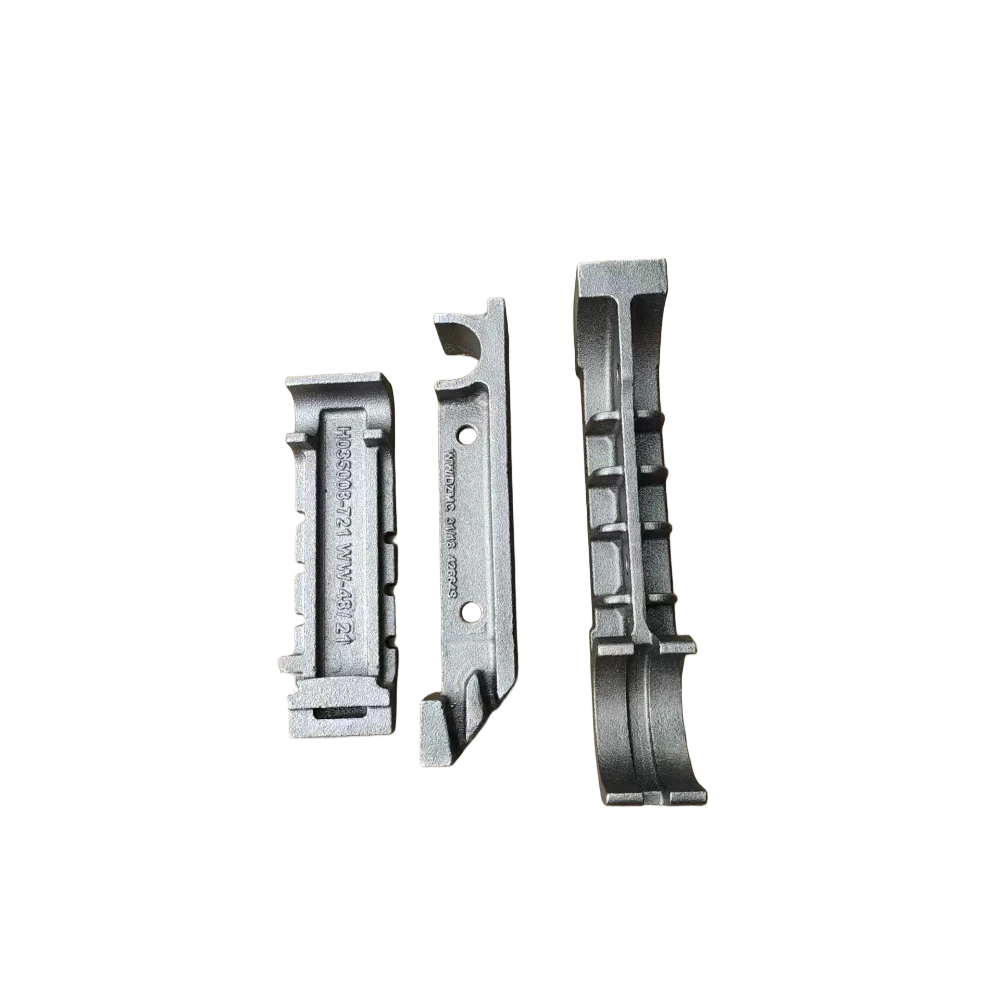
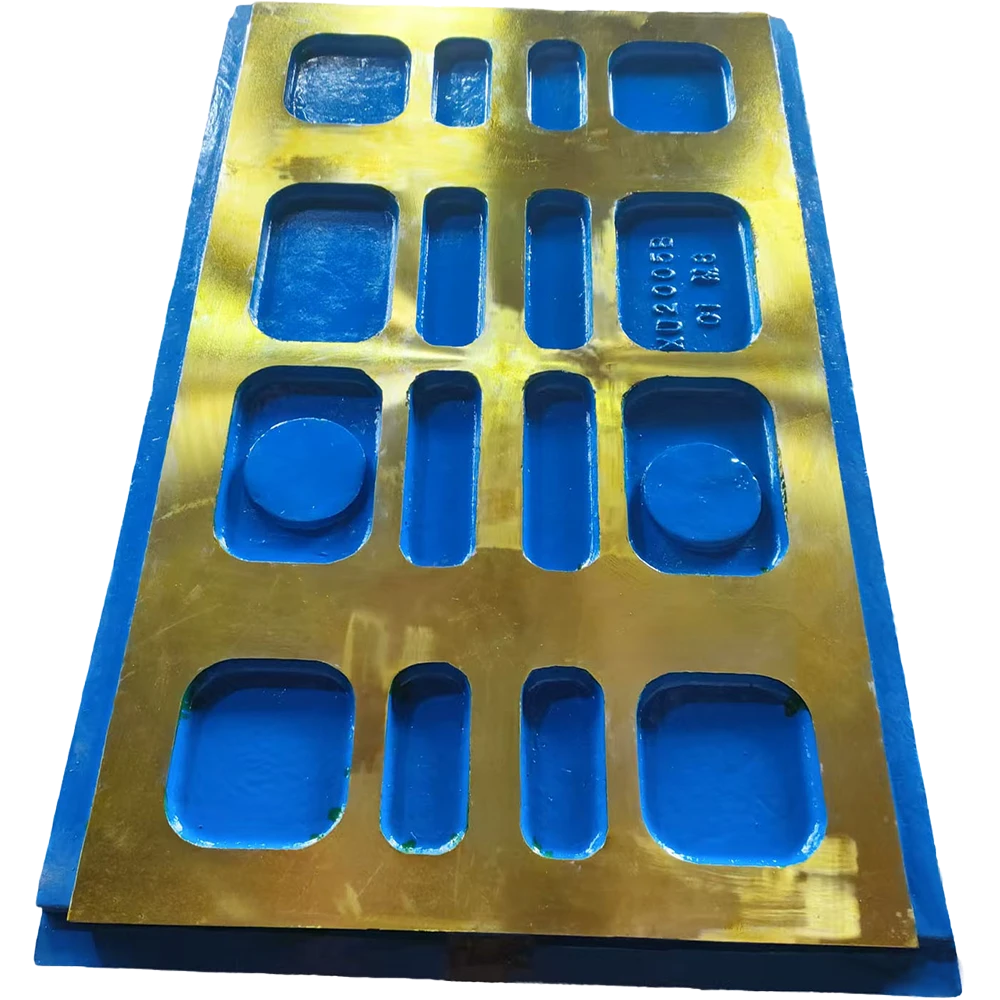
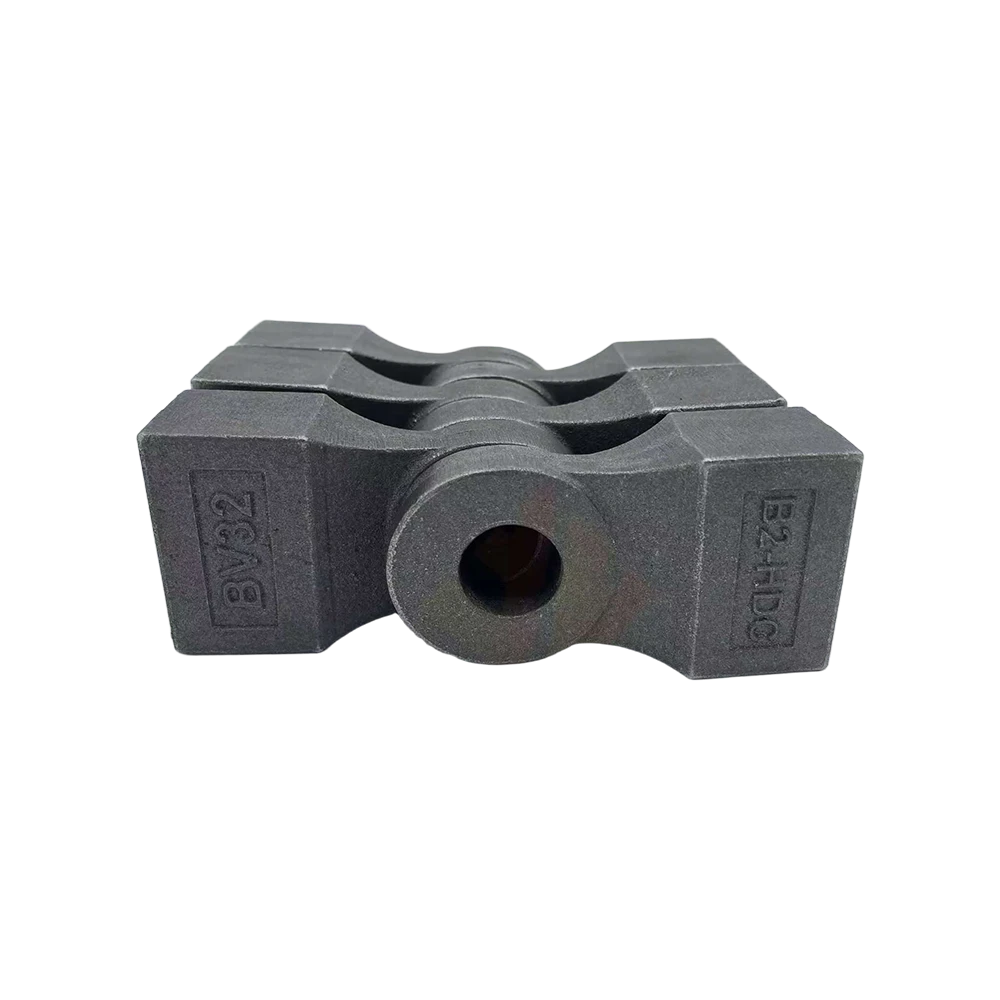
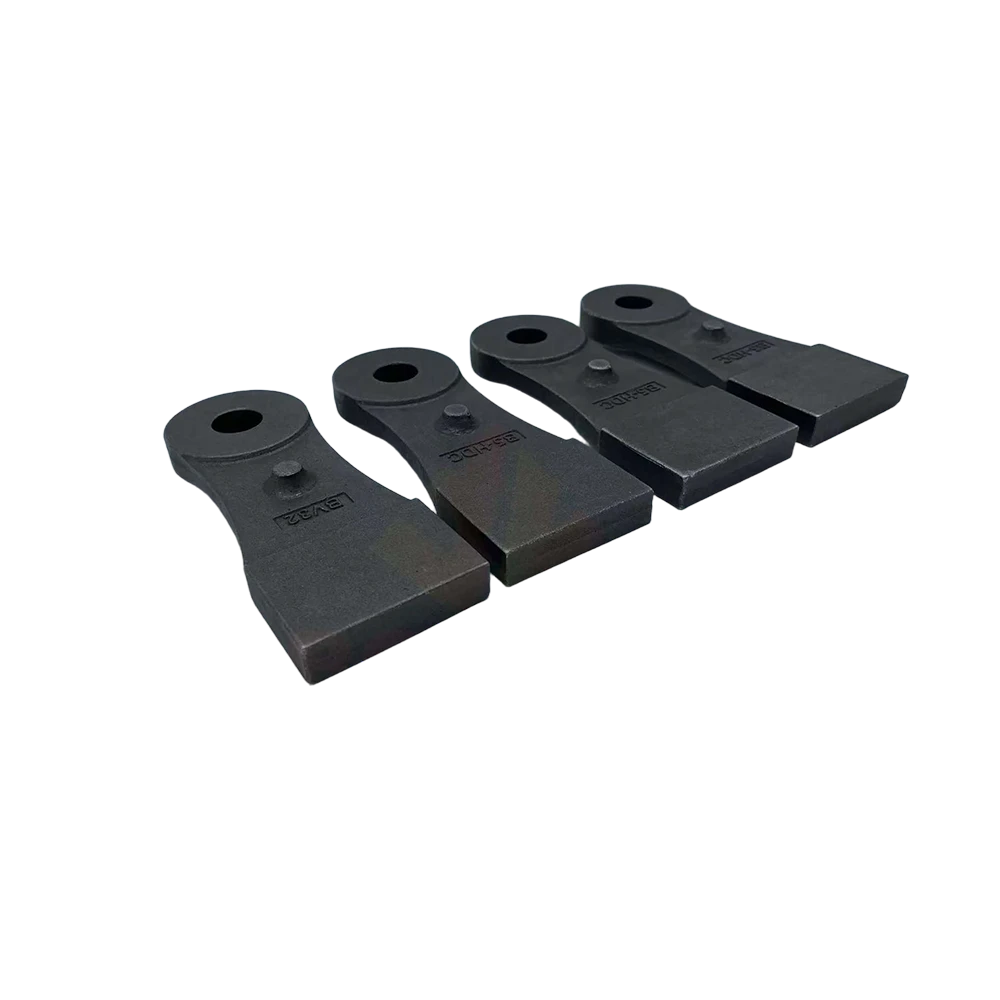
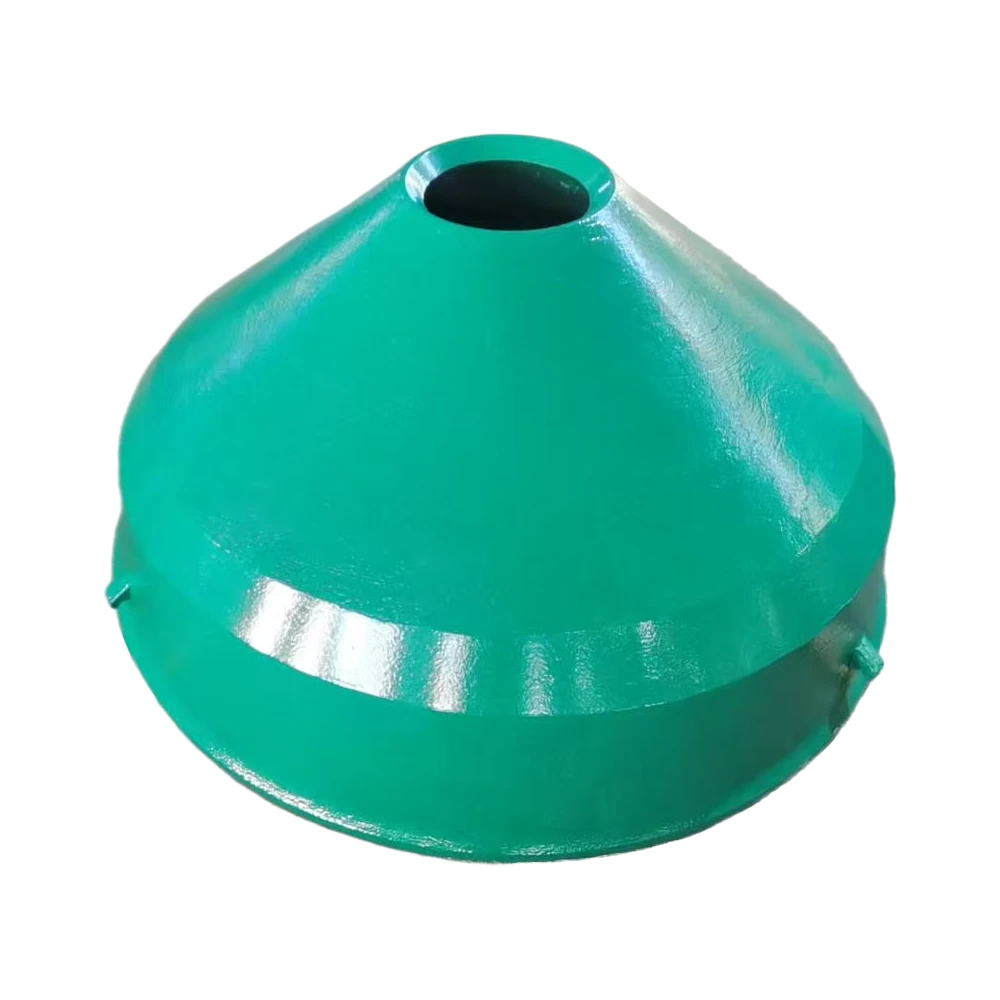
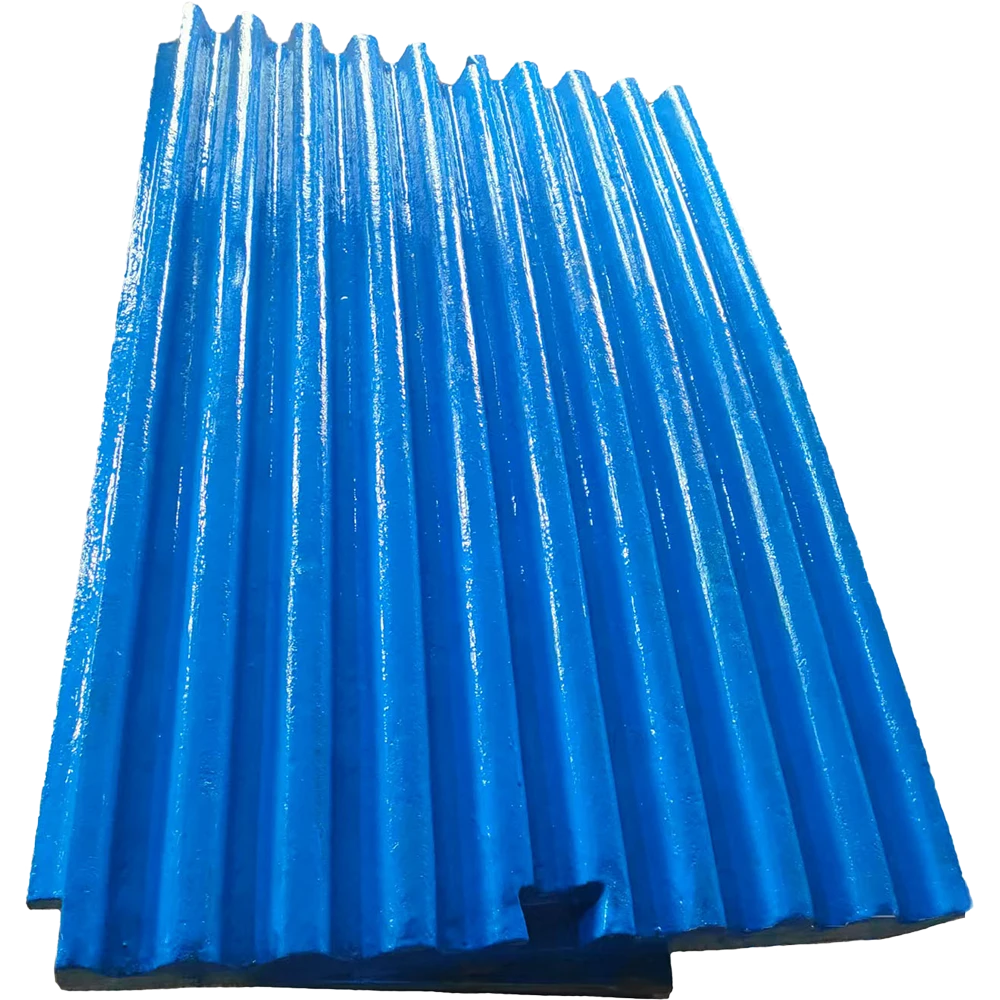
Simply put, hammer crusher spare parts consist of the replaceable components that keep a hammer crusher operational. They include hammers (the heavy-duty breaking elements), wear plates, shafts, pins, and screens—each designed to endure high-impact crushing forces. Think of them as the vital joints and muscles of a machine that pounds rocks and ores into smaller fragments.
These parts aren’t just about breaking rocks; they facilitate important humanitarian and industrial needs—from infrastructure projects in developing countries to recycling plants that reduce landfill burdens. Without reliable spare parts, these crushers would quickly fall into disrepair.
Core Components and Their Importance
Durability
Probably the most critical factor, durability ensures that spare parts resist wear and tear in abrasive environments. High-manganese steel alloys and heat treatment processes are typically used to boost longevity.
Compatibility
Spare parts need to match the exact specifications of the hammer crusher model; otherwise, the machine’s performance degrades or risks damage. This is why sourcing from trusted vendors matters.
Cost Efficiency
While premium parts might seem costly upfront, they reduce overall expenditure by minimizing downtime and frequent replacements.
Availability
Easy and timely access to these parts is key to maintaining smooth operations. Long lead times or shipping delays pose significant risks, especially in remote industrial sites.
Customization
Some operations require tailored parts to suit specific crushing needs or materials. Working with manufacturers that offer customization can make a big difference.
Typical Hammer Crusher Spare Part Specifications
| Part Name | Material | Typical Lifespan | Compatibility |
|---|---|---|---|
| Hammer Head | High Manganese Steel | 6-12 months (depending on use) | Universal & Custom-fit |
| Wear Plate | Chrome Alloy Steel | 12-18 months | Model-specific |
| Rotor Shaft | Forged Steel | 2-3 years | Model-specific |
Mini takeaway: Choosing the right materials and specs dramatically affects the lifespan and performance of hammer crusher parts.
Global Applications and Real-World Impact
Around the world—especially in mineral-rich regions like Africa, Australia, and South America—hammer crushers play a pivotal role. In mining operations, they handle hard rocks continuously, so spare parts need to be rugged and reliable. In recycled construction material plants, spare parts enable the reuse of concrete and asphalt, contributing to more sustainable building practices. Oddly enough, during disaster relief efforts, portable crushing units with dependable parts help clear debris quickly, supporting humanitarian missions.
Industries ranging from cement factories in China to aggregates suppliers in the U.S. depend on swift replacement parts delivery to avoid costly production halts.
Vendor Comparison: Hammer Crusher Spare Parts Providers
| Vendor | Material Quality | Customization Options | Delivery Time | Price Range |
|---|---|---|---|---|
| DZMC Casting | High (Manganese Alloys) | Extensive | 2-4 weeks | Moderate |
| Global Parts Co. | Medium | Limited | 4-8 weeks | Low |
| CrusherPlus Ltd. | High | Moderate | 3-5 weeks | High |
Mini takeaway: Selecting suppliers like DZMC Casting with a strong balance of quality, customization, and delivery is often the wisest investment.
Advantages & Long-Term Value of Quality Spare Parts
- Cost Savings: Fewer replacements mean lower long-term maintenance costs.
- Reliability: Reduced downtime means operations can stay on schedule.
- Environmental Benefits: Durable parts reduce waste and support recycling.
- Worker Safety: Well-maintained machines prevent catastrophic failures.
When you think about it, high-quality hammer crusher spare parts aren’t just pieces of metal. They represent innovation and trust that help industries move forward safely and sustainably.
Future Innovations in Hammer Crusher Spare Parts
Looking ahead, we see trends like digital monitoring of wear parts to predict replacements before failure — reducing unexpected downtime. Advances in metallurgy, like nano-structured alloys, promise parts that last twice as long. Sustainability also plays a larger role: manufacturers are exploring recycled steel materials and eco-friendly heat treatments to lessen environmental footprints.
Automation in crusher maintenance and 3D printing custom spare parts onsite is another promising frontier—especially in remote locations where supply chains are slow.
Challenges & Practical Solutions
No system is perfect. Challenges include inconsistency in part quality, delays in shipping, and difficulty sourcing parts for older models. The key solution? Partnering with vendors who provide transparent quality certifications, fast customization, and reliable logistics. Plus, using standardized designs where possible helps companies swap parts quickly rather than waiting weeks.
FAQ: Common Questions About Hammer Crusher Spare Parts
- How do I identify the correct hammer crusher spare part for my machine?
- Check your machine’s model and serial number, then consult your supplier’s compatibility chart. Many vendors offer technical support to help with exact matches.
- How often should hammer crusher spare parts be replaced?
- Replacement frequency depends on material hardness and usage intensity, but generally every 6-12 months is typical. Monitoring wear visually or via digital sensors can improve timing.
- Are aftermarket hammer crusher parts a good alternative to OEM parts?
- Aftermarket parts can be cost-effective but vary widely in quality. It’s best to choose reputable suppliers with certified materials to avoid machine damage or operational risks.
- Can hammer crusher spare parts be customized for unusual materials?
- Yes, many manufacturers offer customization, adjusting part shape or material to better match specific crushing needs — this enhances efficiency and reduces wear.
- What logistics challenges exist for international delivery?
- Delays often arise from customs clearance and transport times. Working with vendors experienced in global shipping or those with local warehouses can mitigate these risks.
Conclusion
To put it bluntly, hammer crusher spare parts are the unsung heroes of many industrial processes. Their quality, availability, and innovation directly influence production efficiency, safety, and environmental impact. For businesses relying on crushers, investing in trusted, well-made parts pays off both now and for the future.
If you want to safeguard your operations with high-quality hammer crusher spare parts, visit our website for detailed options, technical guidance, and fast delivery solutions.
In real terms, it feels like having the right part on hand turns the difference between downtime frustration and smooth day-to-day running—something every engineer values.
References:
1. ISO Standards on Equipment Parts Quality
2. Hammer Crusher, Wikipedia
3. International Mining Equipment Durability Reports (2022)
-
High Performance oem cast heat resistant steel for Industrial UseNewsApr.16,2026
-
Guide to Selecting High Quality Cast Heat Resistant Steel AlloysNewsApr.09,2026
-
Custom Cast Heat Resistant Steel Solutions for High Temperature ApplicationsNewsApr.07,2026
-
Comprehensive Guide to Wholesale Cast Heat Resistant Steel for Industrial ApplicationsNewsApr.04,2026
-
Comprehensive Guide to High Performance Heat Resistant Metal Product SolutionsNewsMar.31,2026
-
Expert Guidance on Heat Resistant Metal Quotes and Alloy SelectionNewsMar.28,2026