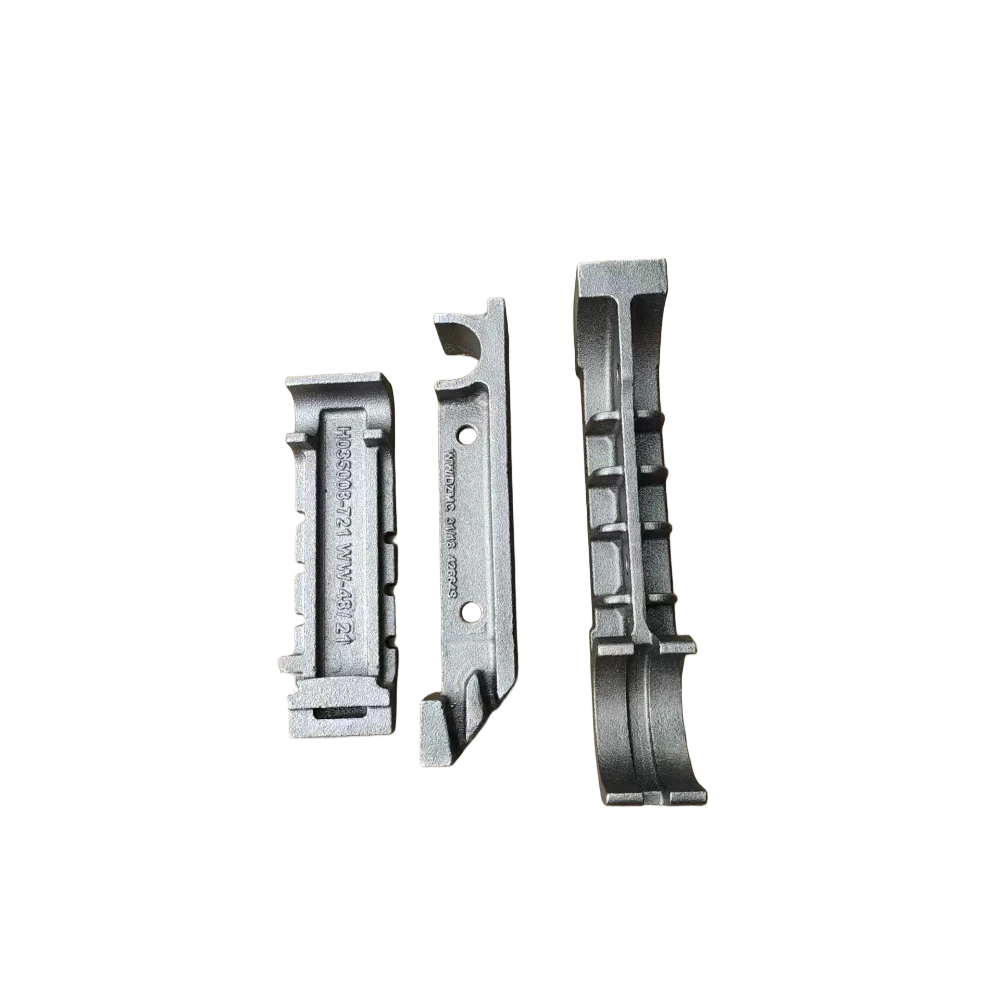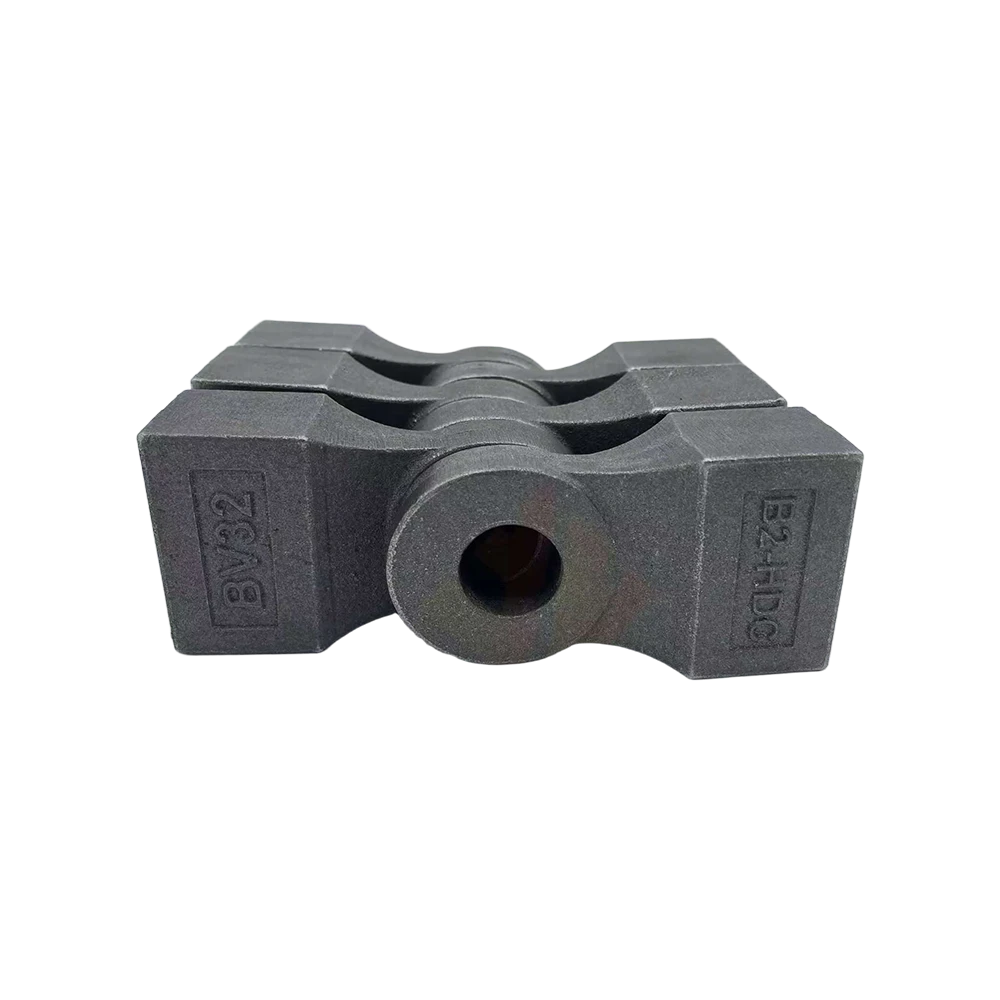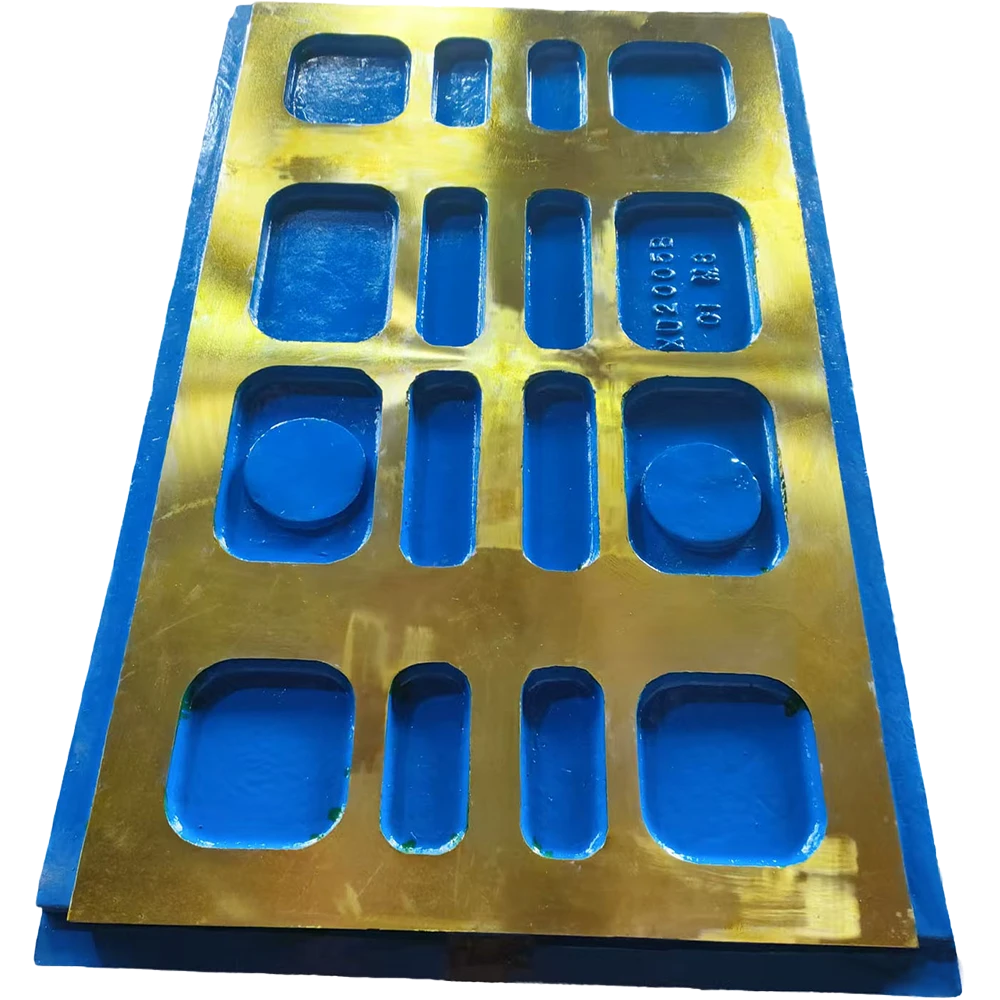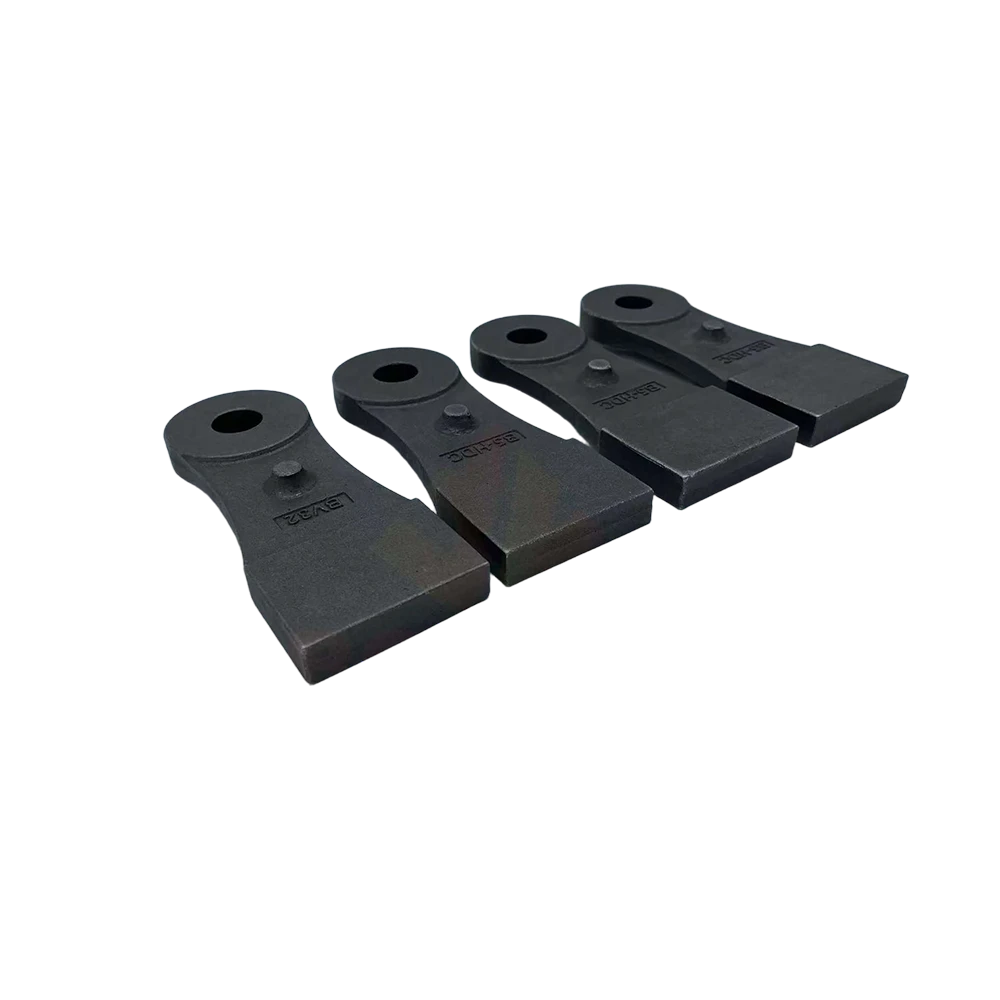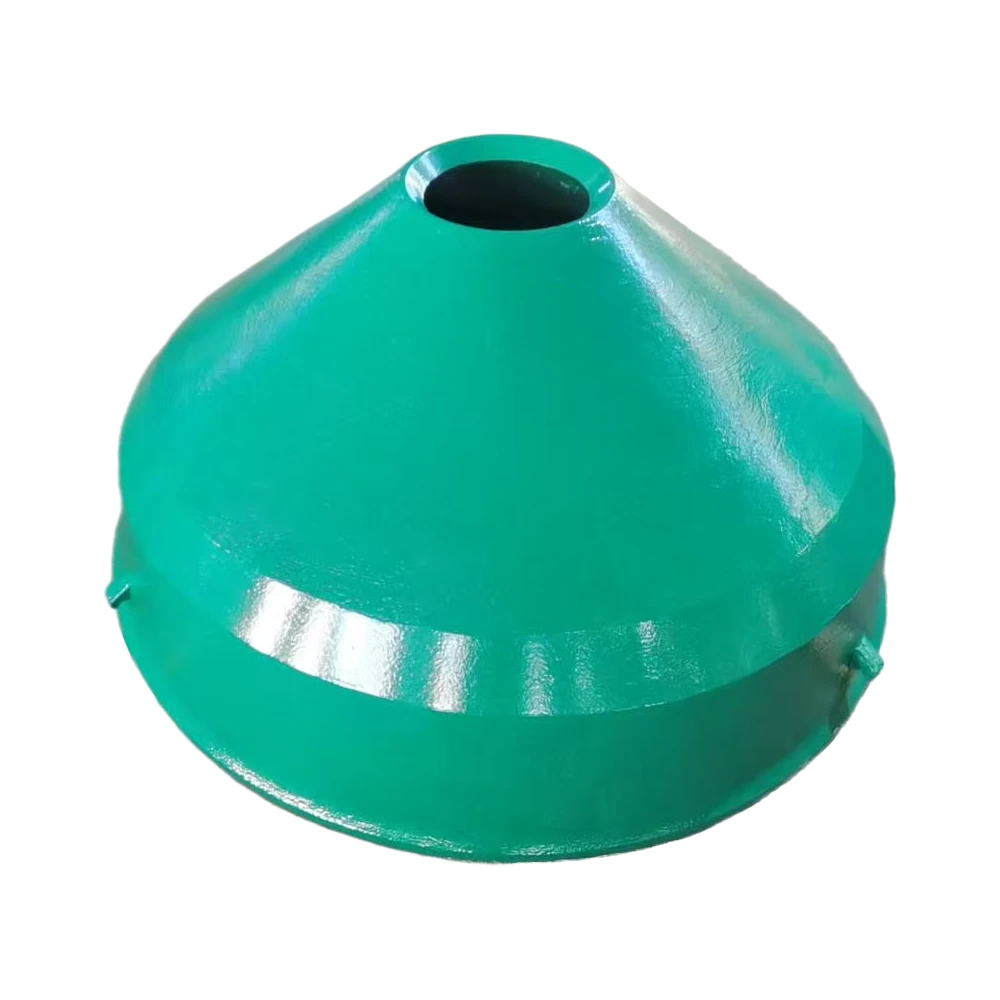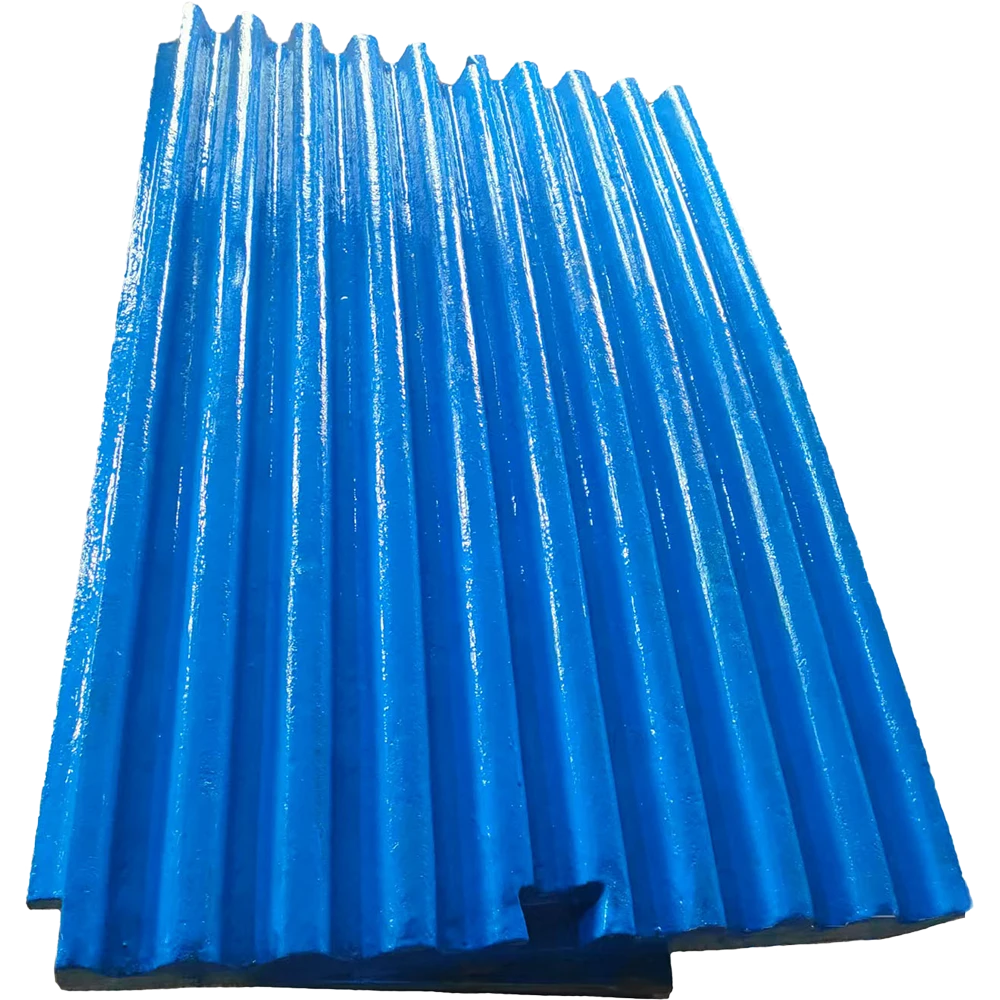
Crusher Hammer Head | Wear-Resistant Alloy, OEM & Long Life
Choosing the crusher hammer head that doesn’t quit: field notes from the pit
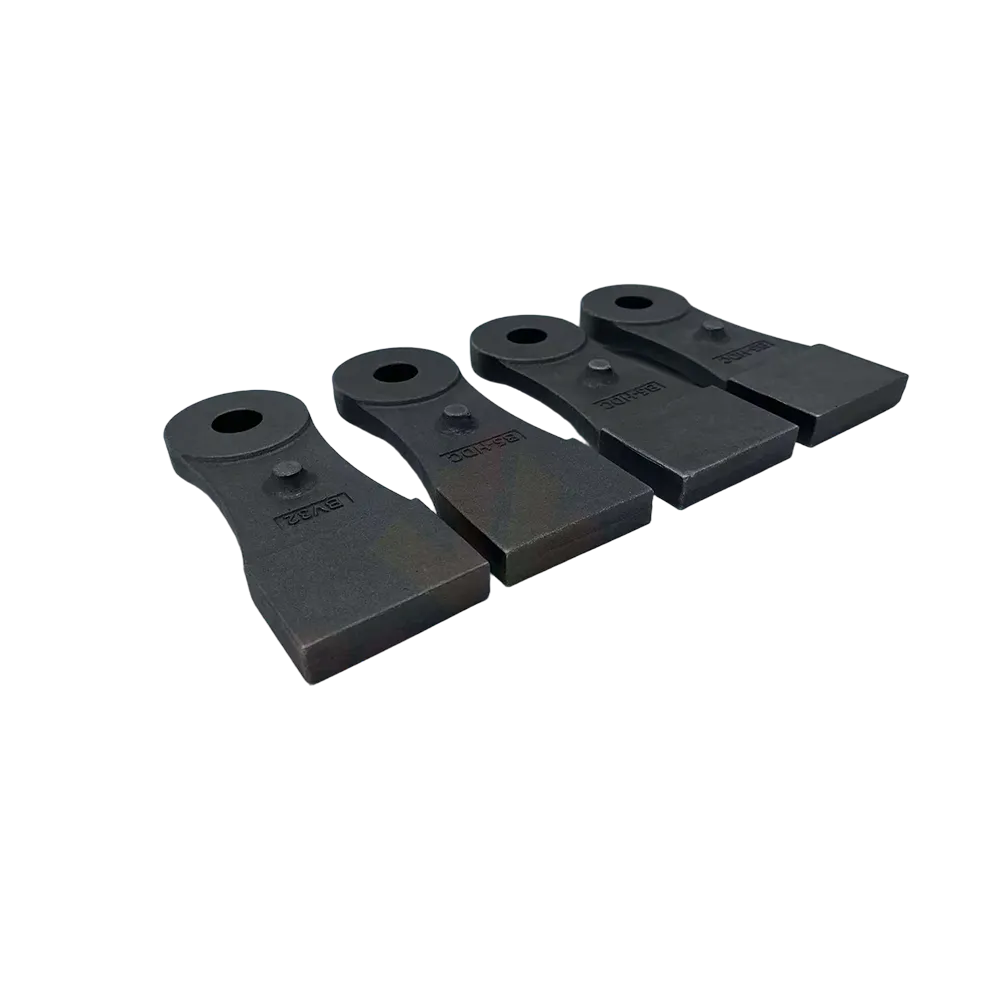
If you’ve spent time around impact and hammer crushers, you already know the wear part that makes or breaks daily output: the head that actually does the hitting. At the foundry gate in NO.1 INDUSTRIAL AREA OF BEITIAN, BAIXIANG COUNTY, XINGTAI CITY, HEBEI PROVINCE, I watched a batch of Crusher Beater Heads cool down last month, and—honestly—the metallurgy and heat treatment discipline are what separate “okay” from “keeps running.”
What’s changing in the market
Trends are clear: more bimetal composites (white iron face + Mn-steel shank), tighter casting tolerances, and digital fitment checks (3D scanning) to reduce vibration. Many customers say they’ll pay a bit more for heads that cut downtime by even 10–15%. In fact, demand for high-Cr white iron faces with tougher martensitic matrices is rising, especially in aggregates and cement where silica content chews through soft alloys.
Technical specifications (typical)
| Parameter | Spec (≈ / typical) | Notes |
|---|---|---|
| Material options | High Mn (Mn13–Mn13Cr2); High-Cr white iron (Cr20–Cr27, ASTM A532 Class III); Bimetal composite | Choice by feed abrasiveness and impact severity |
| Hardness | Mn: HBW 180–230 work-hardening to ≈ 500; High-Cr: HRC 58–64 | Measured per ISO 6506-1 / ASTM E18 |
| Impact energy (Charpy) | ≈ 6–15 J (High-Cr); ≈ 80–120 J (Mn) | ASTM A370 sample-based; real-world use may vary |
| Weight range | 5–85 kg/head | Depends on crusher model |
| Balance grade | Up to G6.3 | ISO 21940 rotor balancing where applicable |
| Service life | ≈ 1.2–2.5x baseline (material-dependent) | Feed PSD, moisture, and fines strongly affect life |
Process flow that matters (quick walk-through)
- Alloy selection by feed analysis (SiO2, compressive strength, impact frequency).
- Melting & inoculation (controlled chemistry; spectrometer verification).
- Molding & casting (risering to avoid shrinkage; chilled faces for High-Cr).
- Heat treatment: austenitize, quench, temper (for High-Cr); solution treat for Mn.
- Finish machining and pin/bore tolerance checks; rotor fit-up and trial balance.
- Testing: hardness (ISO 6506-1), UT/MPI (ASTM A609/A275), dimensional CMM, batch traceability (ISO 9001).
Where they’re used
Cement clinker lines, limestone quarries, iron ore and nickel laterite prep, power plant fuel prep, construction & demolition recycling—plus the odd foundry return scrap line. A crusher hammer head with high-Cr face excels on abrasive stone; Mn works better where impact is brutal and unpredictable.
Why customers pick these beater heads
- Wear curve is predictable, so maintenance can plan swaps.
- Lower cost per ton; several plants reported 15–35% fewer unplanned stops.
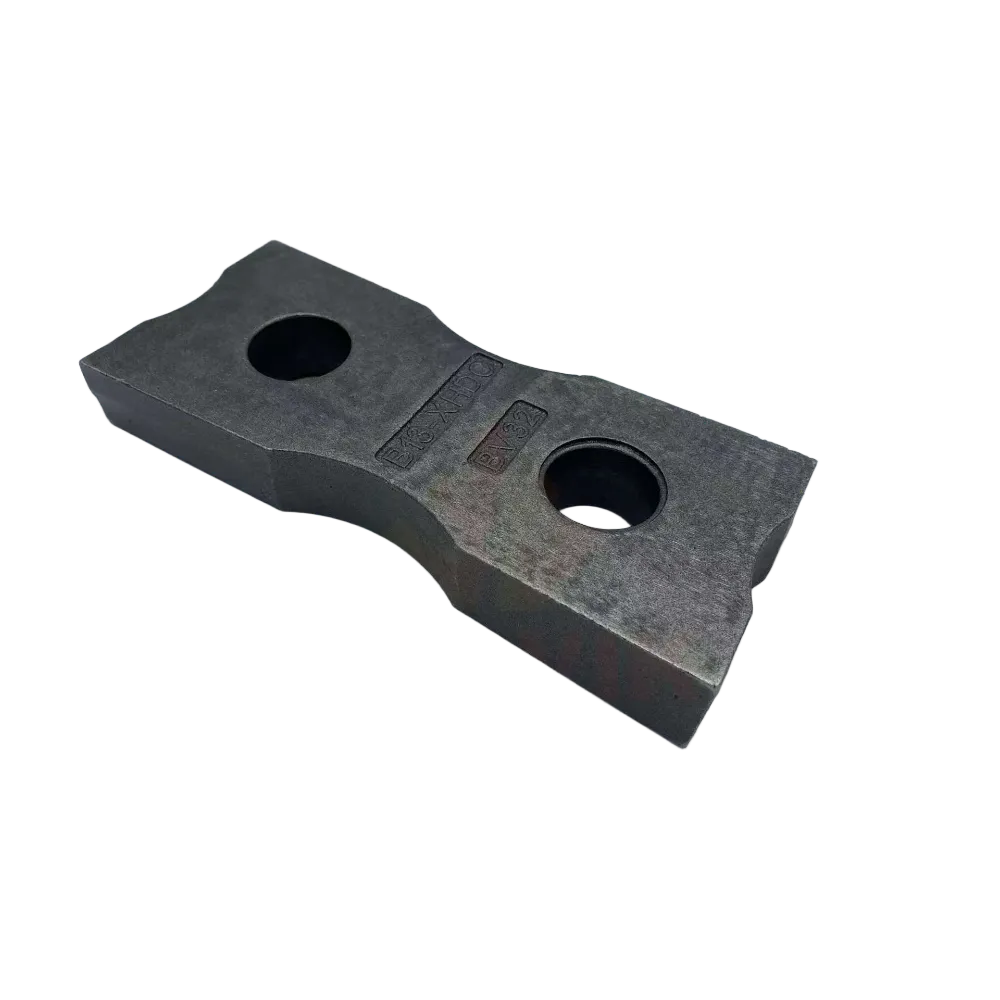
- Custom geometry to match rotor pockets—surprisingly important for vibration.
Vendor comparison (field notes)
| Vendor | Metallurgy | QA & Testing | Typical Outcome |
|---|---|---|---|
| DZMCCasting (origin: Hebei) | High-Cr, Mn, bimetal options; controlled HT | ISO 9001; UT/MPI; hardness map; balance G6.3 | Stable life; fewer vibration events |
| Generic import | Variable Cr content; mixed carbide morphology | Basic hardness only | Life varies; occasional fit-up issues |
| Local jobbing foundry | Mn-focused, limited High-Cr control | Visual + dimensional checks | Good for high-impact, less for abrasive |
Customization menu (practical stuff)
Custom bore/pin sizes, lock profiles, relief angles, and alloy tweaks (e.g., Cr26 with Mo/Ni for toughness). CAD/CAM fitment, 3D scanning of worn heads to refine wear maps, and batch labeling so you can tie performance back to heat numbers. If your crusher hammer head is chipping prematurely, consider temper cycle adjustments or a hybrid bimetal design.
Mini case notes
- Cement plant (SEA): High-Cr bimetal heads delivered ≈+35% life vs prior set; vibration trending improved after pocket re-machining.
- Basalt quarry (EU): Mn13Cr2 heads cut unplanned shutdowns by ≈28% over one quarter; operators cited cleaner breakage and fewer fines.
Customer feedback, paraphrased: “Once we balanced the rotor with the new set, amperage stabilized and tonnage went up a hair. Not dramatic, but noticeable.”
Standards and certifications referenced
Production and testing align with widely recognized frameworks below. Always verify final spec sheets for your order.
-
High Performance oem cast heat resistant steel for Industrial UseNewsApr.16,2026
-
Guide to Selecting High Quality Cast Heat Resistant Steel AlloysNewsApr.09,2026
-
Custom Cast Heat Resistant Steel Solutions for High Temperature ApplicationsNewsApr.07,2026
-
Comprehensive Guide to Wholesale Cast Heat Resistant Steel for Industrial ApplicationsNewsApr.04,2026
-
Comprehensive Guide to High Performance Heat Resistant Metal Product SolutionsNewsMar.31,2026
-
Expert Guidance on Heat Resistant Metal Quotes and Alloy SelectionNewsMar.28,2026