Crusher Wear Parts: Durable Solutions from DZMC Casting
Crusher Wear Parts: The Unsung Heroes of Industrial Equipment
Having spent a good chunk of my career around industrial machinery, I’ve learned that crusher wear parts are often overlooked until they fail dramatically. Oddly enough, these components quietly dictate how efficiently a crushing operation runs, and frankly, their quality can make or break your output — no exaggeration.
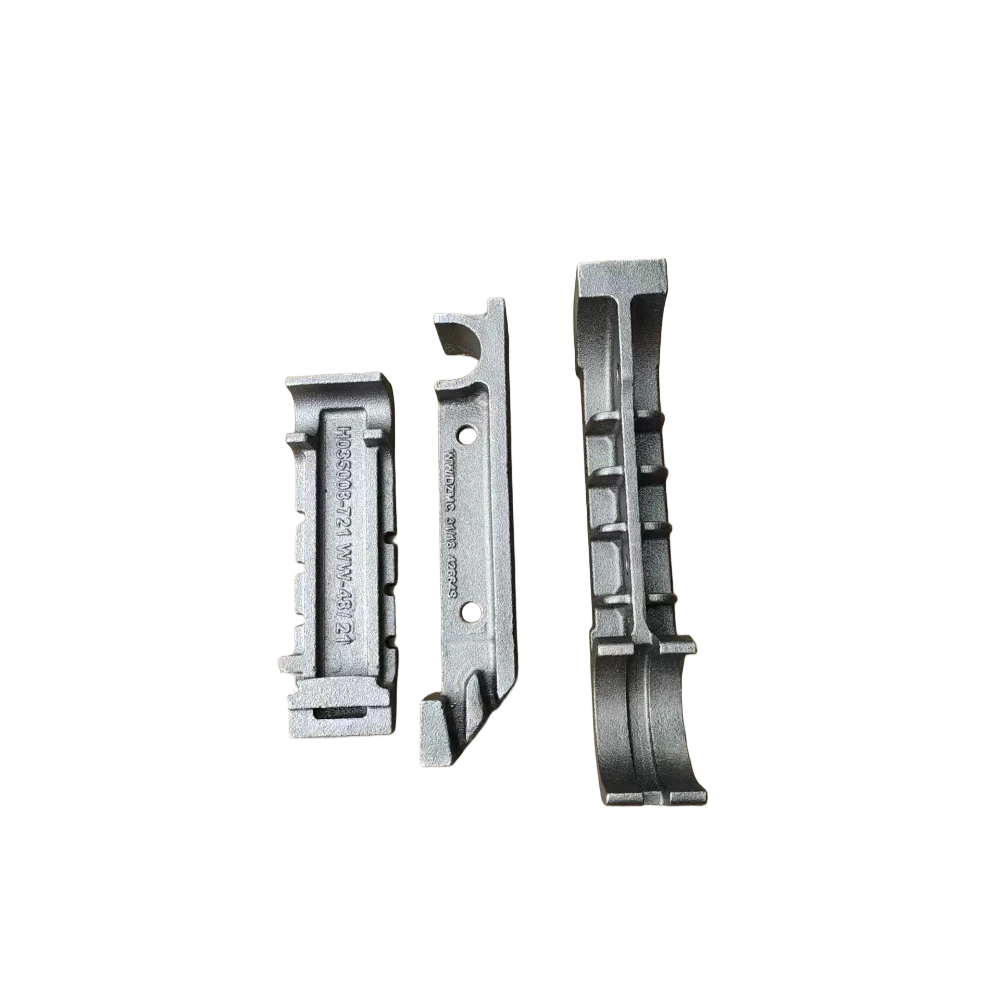
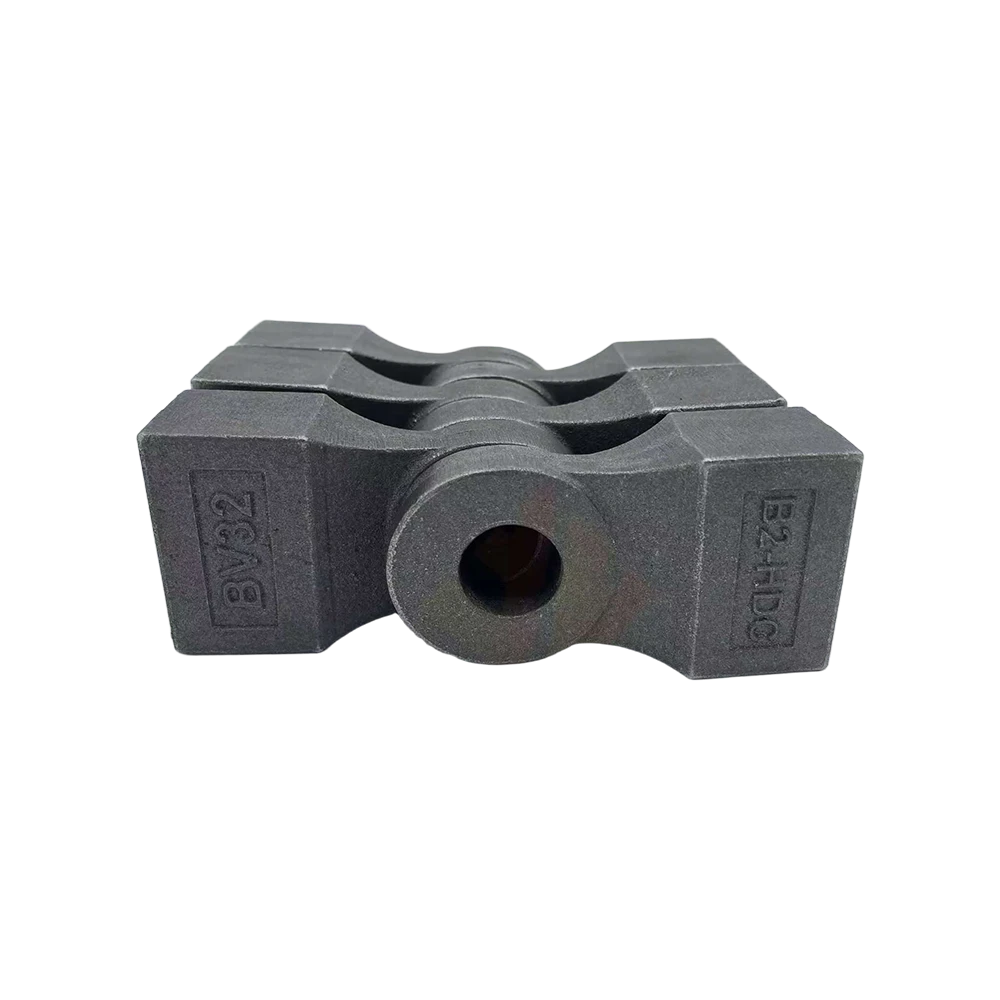
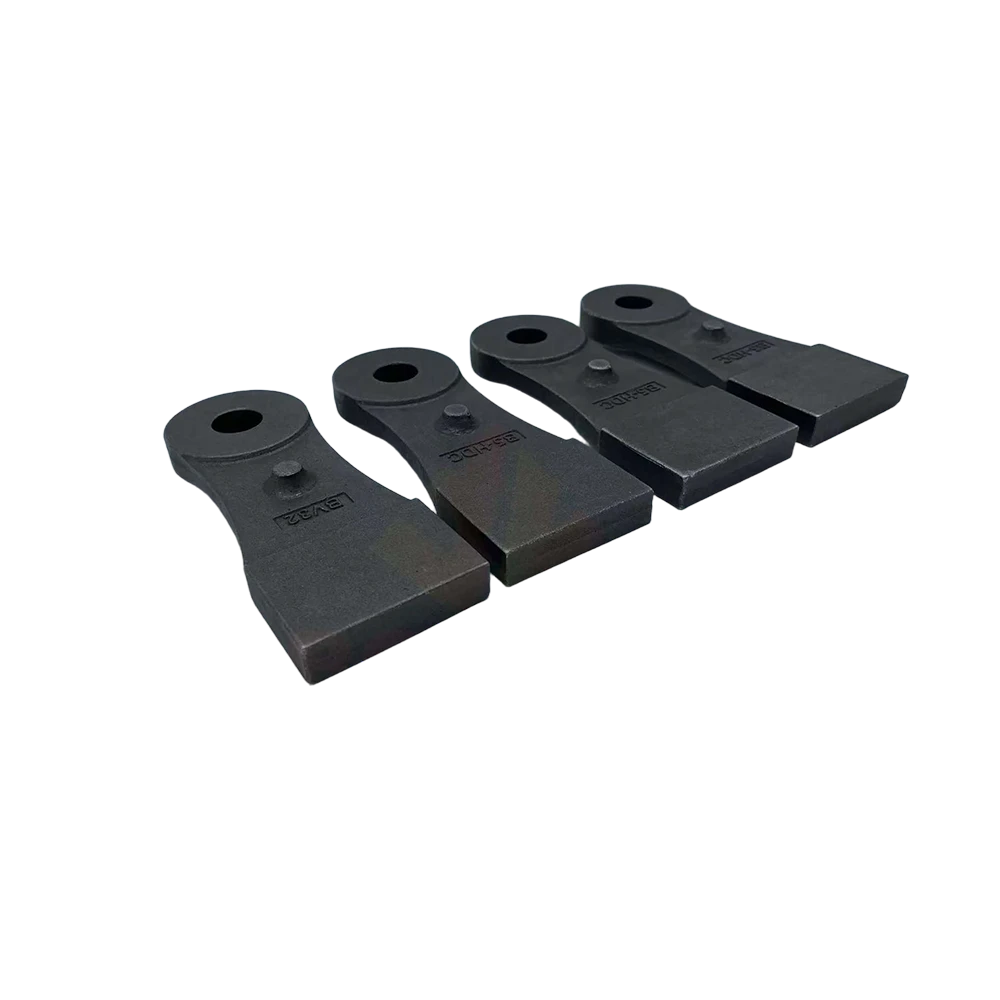
When we talk about crusher wear parts, it’s not just about replacing old metal. It’s about durability, precision manufacturing, and materials science all rolled into one.
Why Crusher Wear Parts Matter
The reality is, crushers are subjected to some seriously harsh conditions — constant abrasion, impacts, and stress. Parts wear down, and it’s inevitable, but how quickly they wear out depends on what they’re made of. High manganese steel and alloy casts are typical, but modern foundries like those at DZMC Casting use innovative casting techniques that extend service life substantially.
Many engineers I’ve worked with argue that subtle design changes in wear parts — things like lip thickness, curvature, and alloy composition — can improve lifespan by up to 30%. It feels kind of like fine-tuning an engine, just for a different kind of beast.
Typical Crusher Wear Parts Specifications
| Part Name | Material | Hardness (HRC) | Use Case | Typical Lifespan |
|---|---|---|---|---|
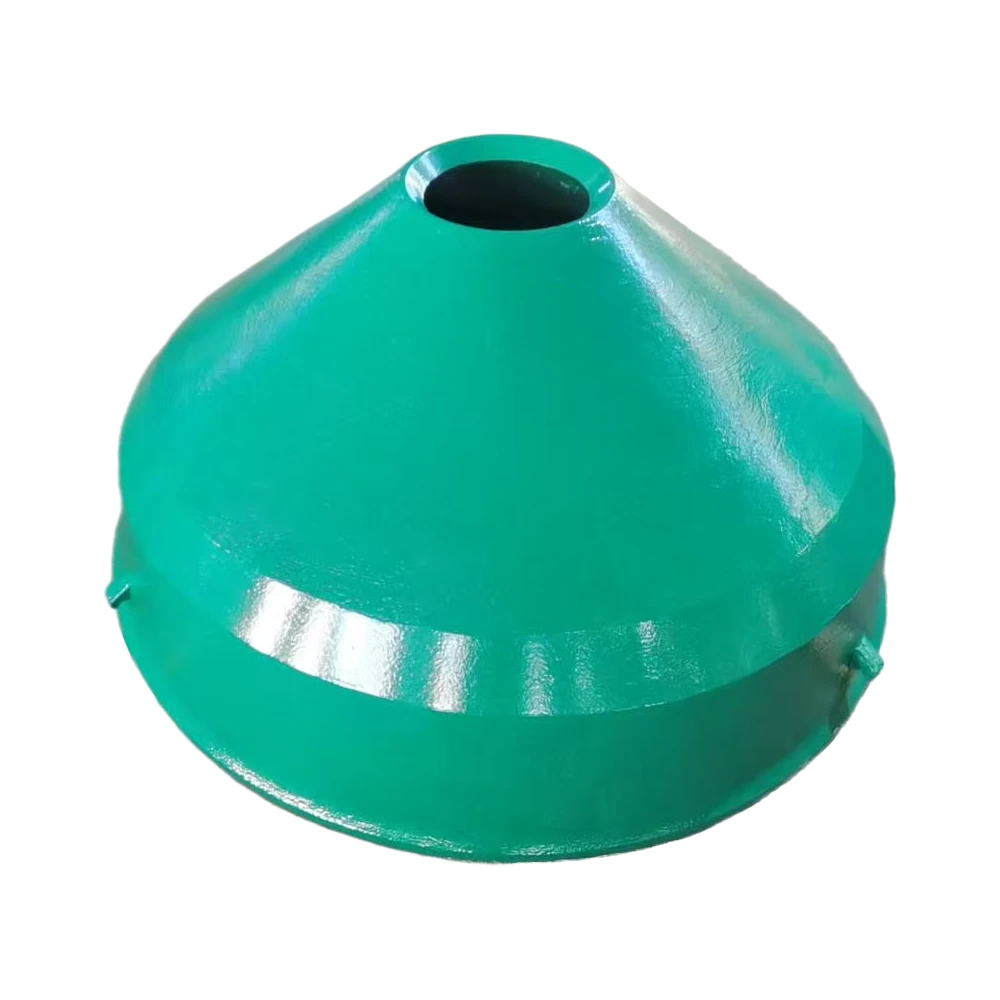
| Mantle | High Manganese Steel | 55-62 | Primary crushing | 4-6 months |
| Concave | Alloy Steel | 58-62 | Secondary crushing | 6-8 months |
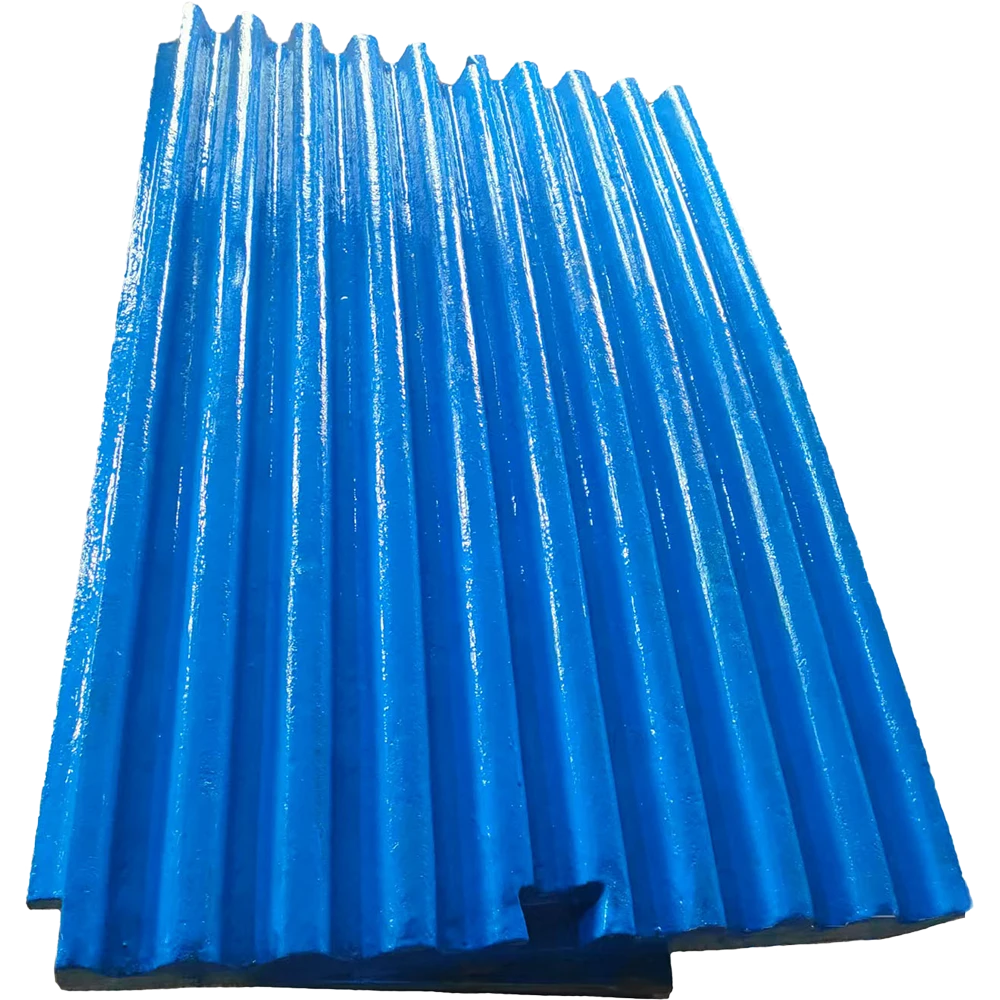
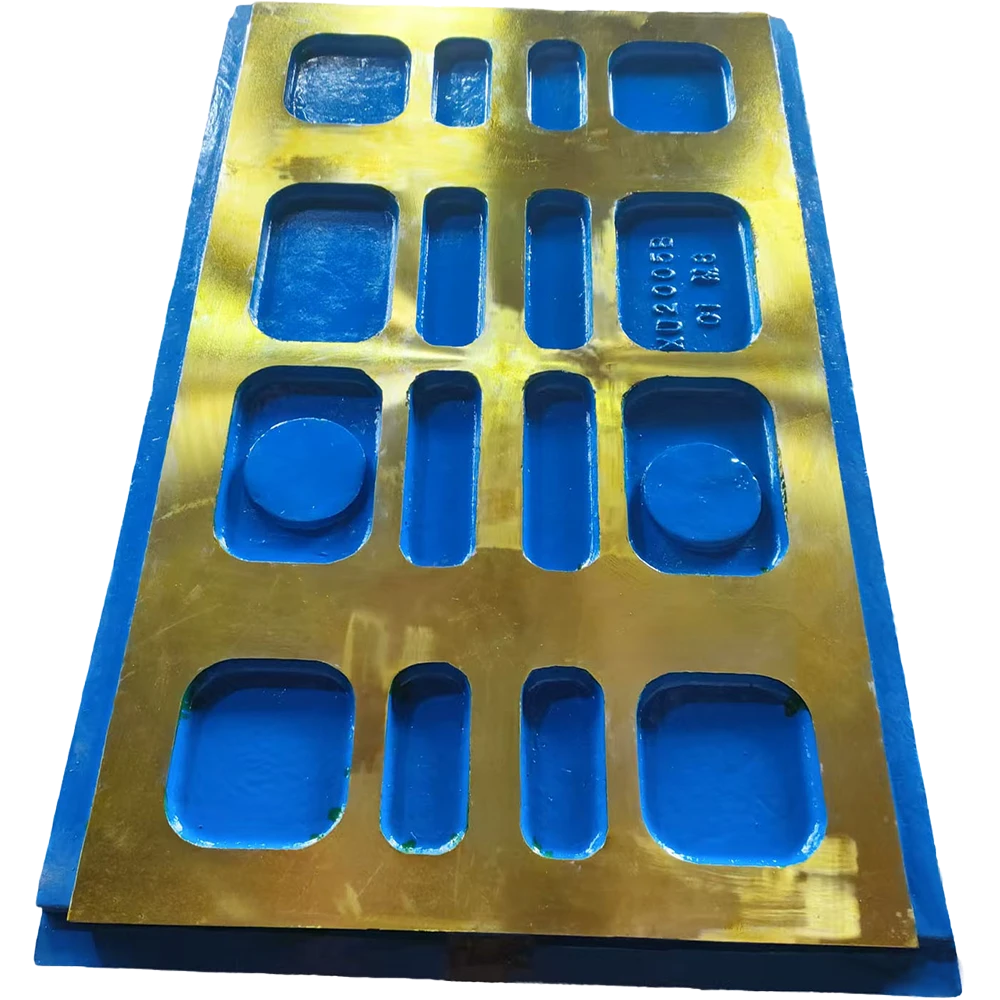
| Crusher Jaw Plate | Manganese Steel | 56-60 | Jaw crushers | 5-7 months |
Comparing Crusher Wear Parts Vendors
I’ve worked with numerous suppliers over the years and noticed that vendor choice impacts not just pricing, but also lead time, quality consistency, and customer support. Here’s a quick comparison of three well-known providers:
| Vendor | Material Quality | Customization Options | Lead Time | Warranty |
|---|---|---|---|---|
| DZMC Casting | High-grade alloy casting | Full custom molds & heat treatment | 4-6 weeks | 12 months |
| Local Foundries | Moderate steel grades | Limited customization | 2-3 weeks | 6 months |
| International Brands | Premium alloys with certifications | Custom engineering support | 8-10 weeks | 24 months |
Real-World Impact & Customization
I recall a quarry operator I worked with in the UK who reported that switching to custom heat-treated mantles from a trusted specialist reduced their downtime by nearly a third. The parts cost a bit more upfront, but the payoff in fewer replacements paid dividends.
You know, in real terms, the beauty of modern crusher wear parts lies in the customization options. Whether you need abrasion-resistant alloys for gritty materials or heat-resistant ones for specific thermal loads, suppliers like DZMC Casting are pushing boundaries with precision casting and advanced metallurgy.
Final Thoughts
In the end, crusher wear parts aren’t just "replaceables" you stock in a corner. They are a crucial investment that impacts operational continuity and cost-efficiency. I suppose the takeaway here is: don’t cut corners on these components. Quality pays off, sometimes in ways you don’t immediately notice… until it really matters.
References:
1. Industry reports from Mining Engineering Journal (2022)
2. Interviews with plant engineers in North America and Europe (2023)
3. Technical whitepapers from alloy manufacturers and casting foundries
-
High Performance oem cast heat resistant steel for Industrial UseNewsApr.16,2026
-
Guide to Selecting High Quality Cast Heat Resistant Steel AlloysNewsApr.09,2026
-
Custom Cast Heat Resistant Steel Solutions for High Temperature ApplicationsNewsApr.07,2026
-
Comprehensive Guide to Wholesale Cast Heat Resistant Steel for Industrial ApplicationsNewsApr.04,2026
-
Comprehensive Guide to High Performance Heat Resistant Metal Product SolutionsNewsMar.31,2026
-
Expert Guidance on Heat Resistant Metal Quotes and Alloy SelectionNewsMar.28,2026