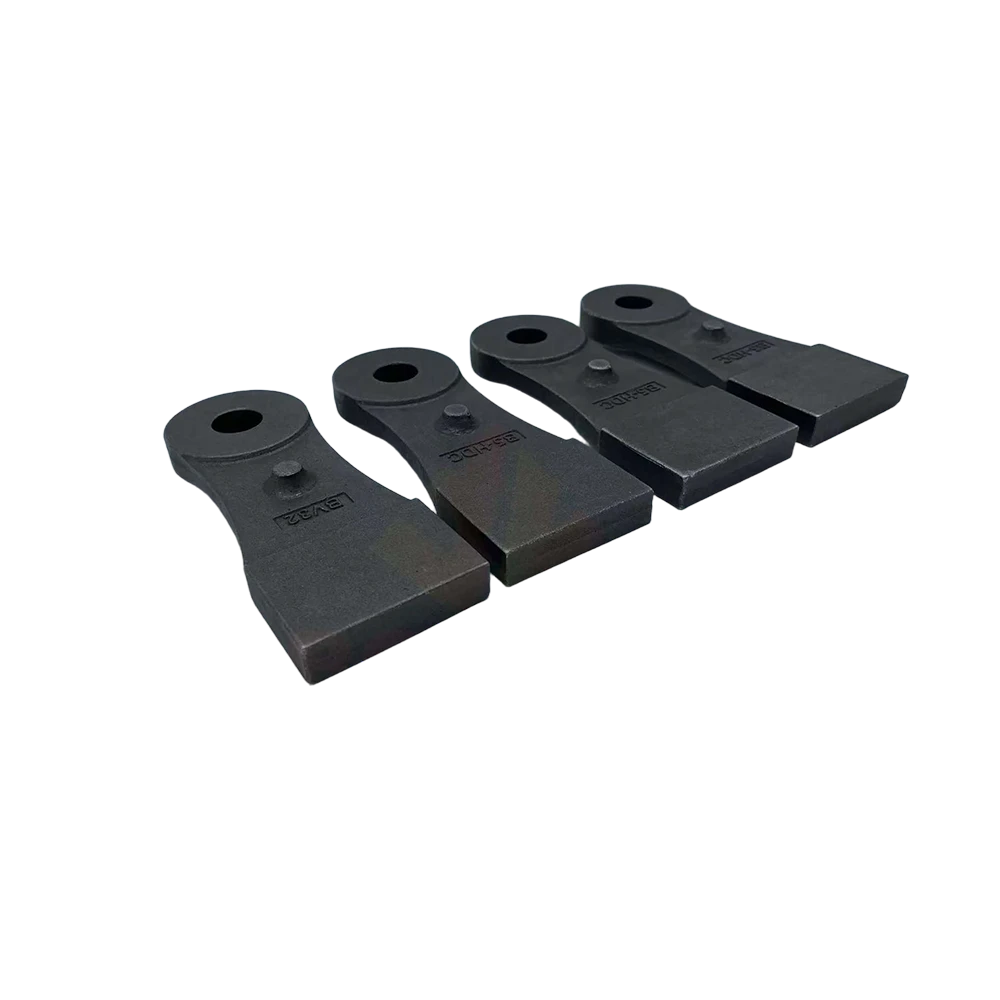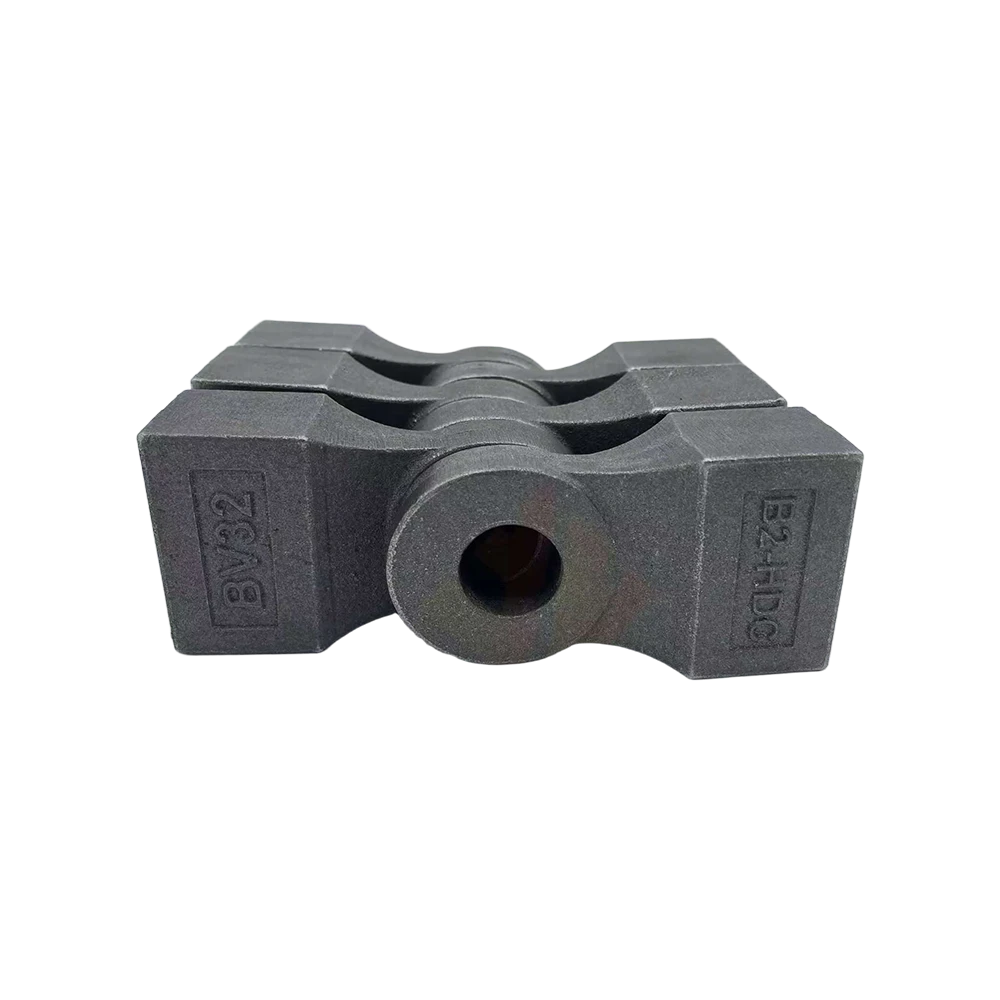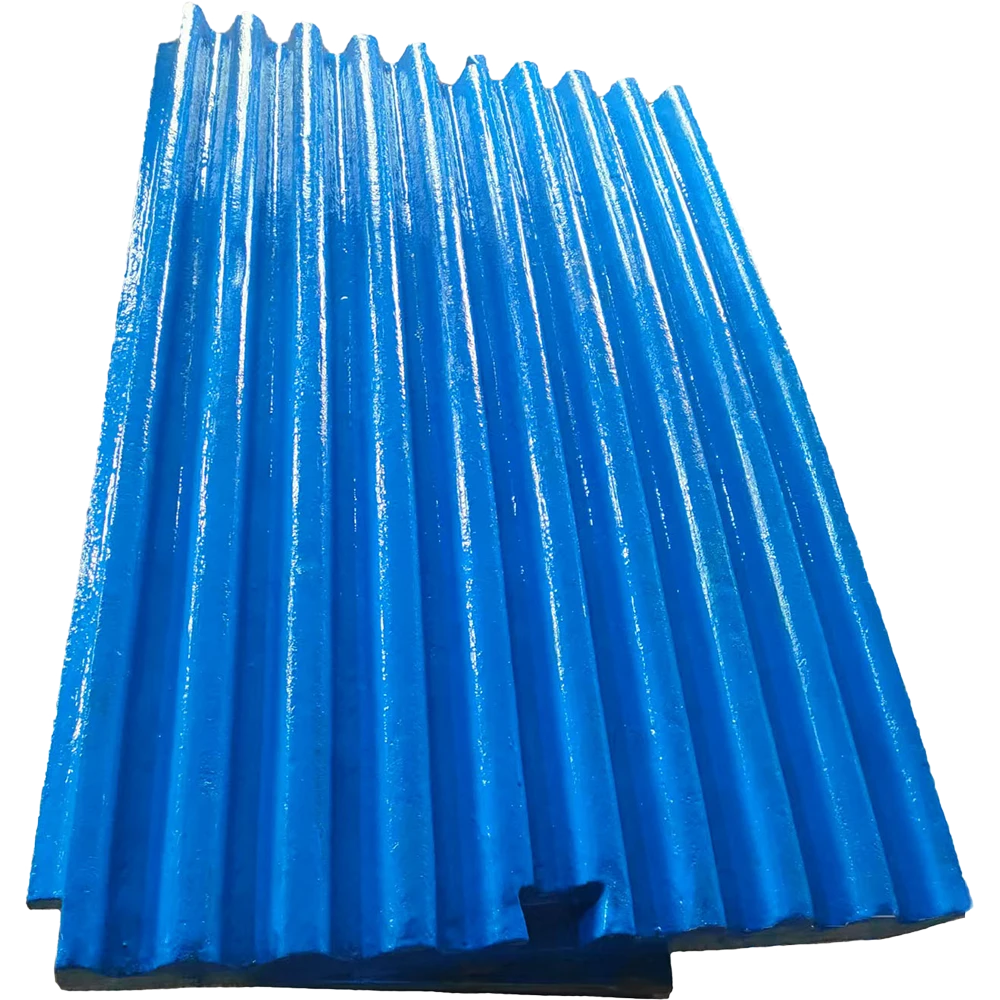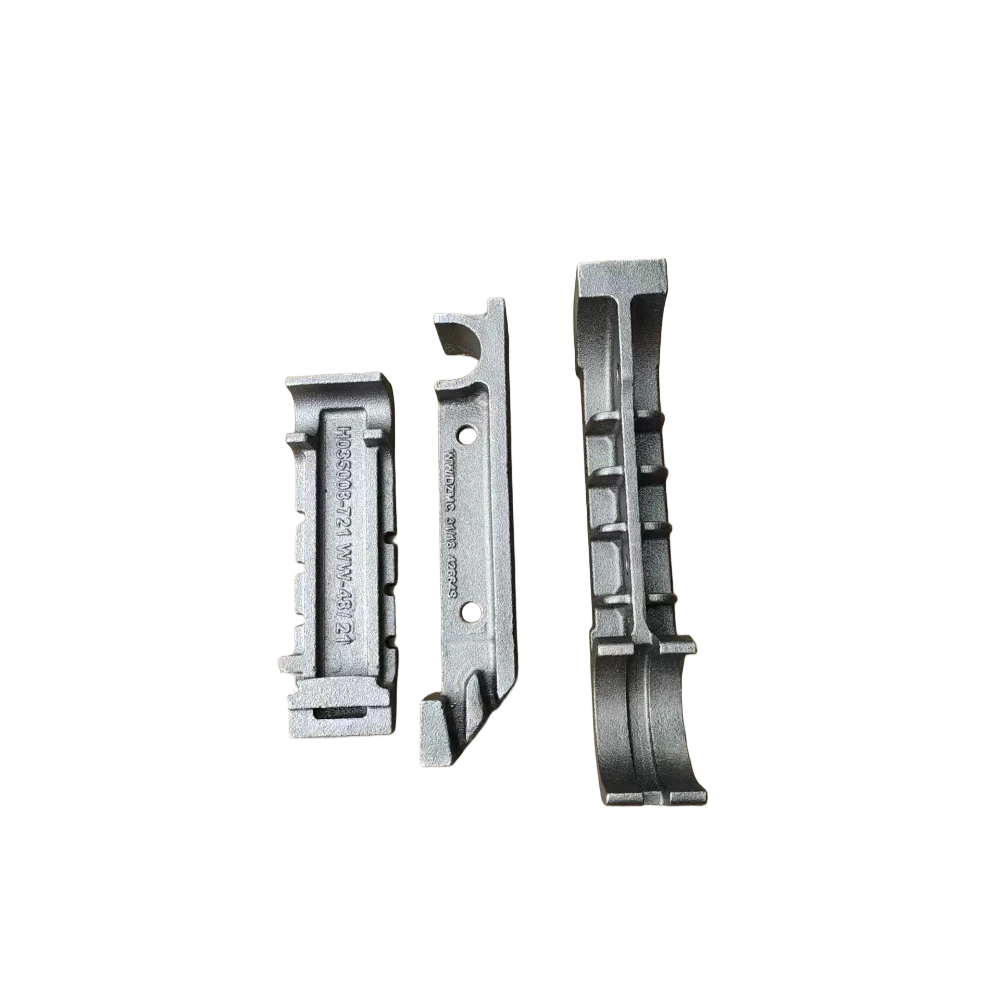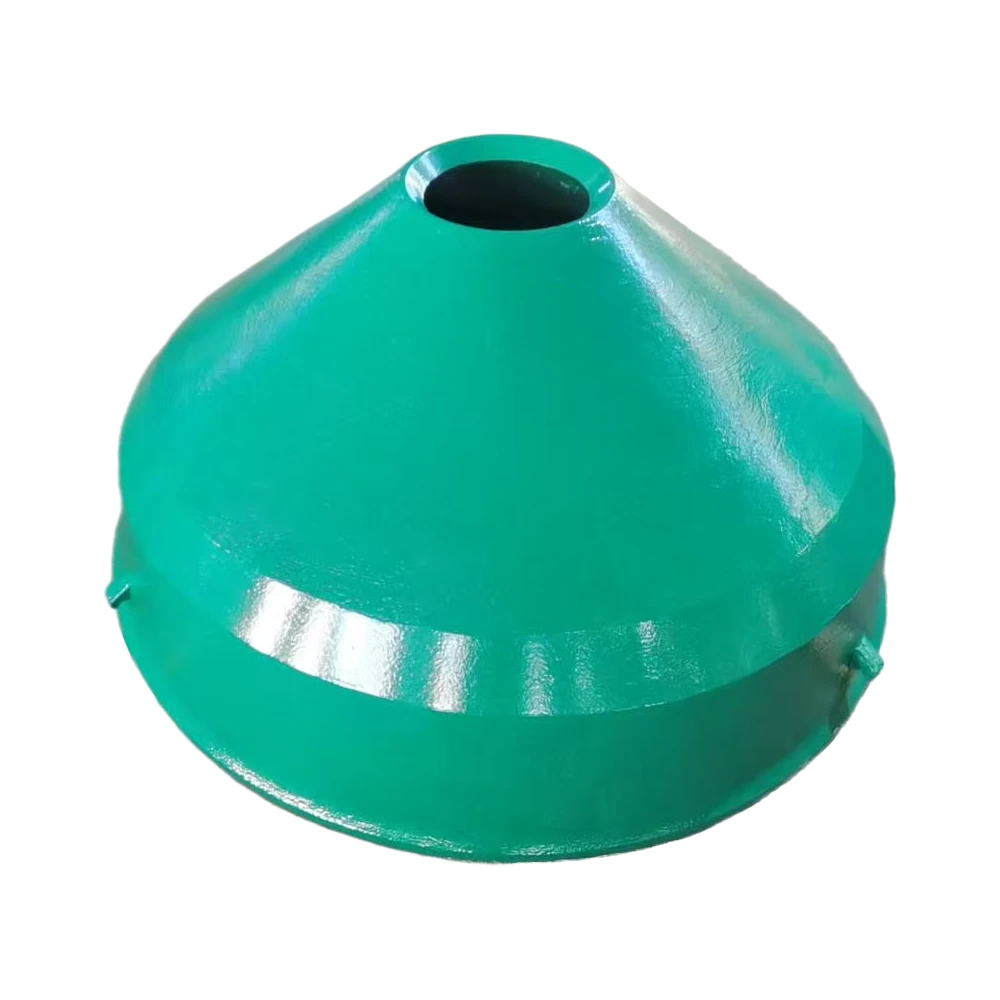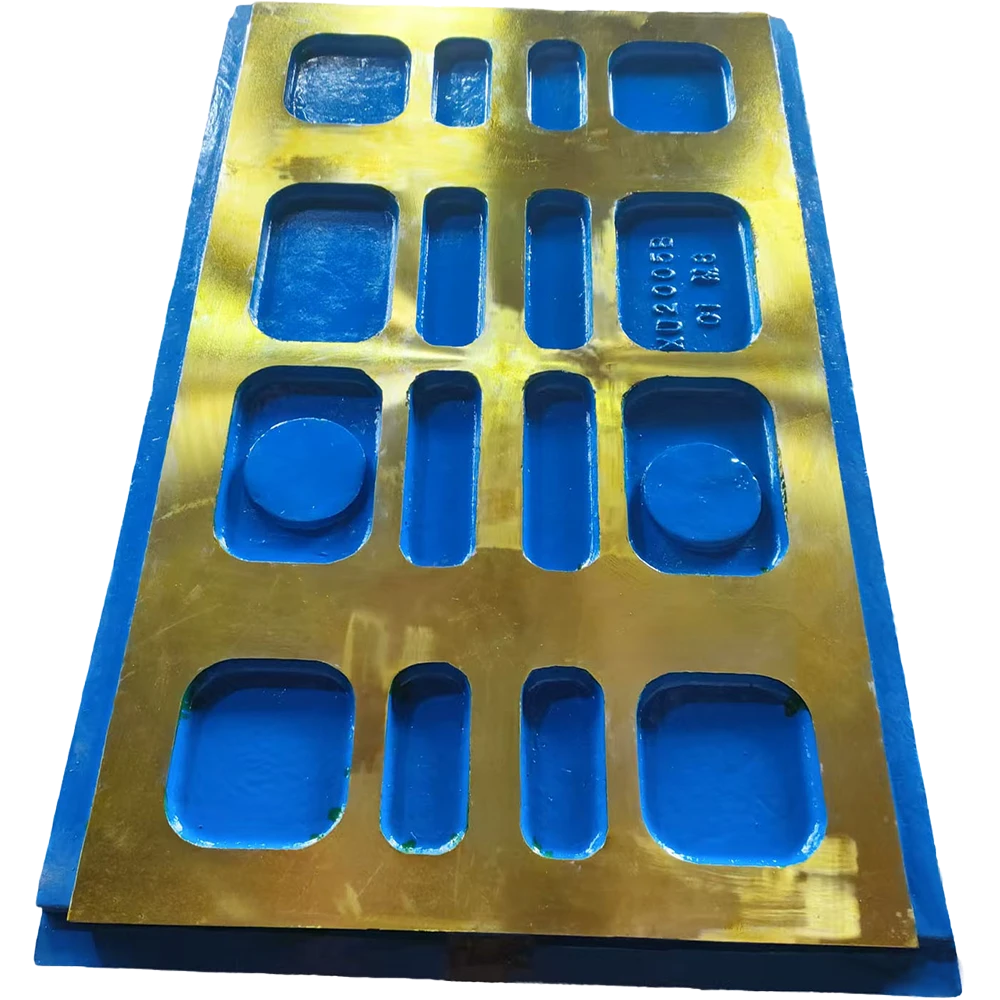
Durable Jaw Plate Crushers – Quality & Customization by DZMC Casting
Jaw Plate Crusher: The Heart of Your Crushing Operation
Having spent a good chunk of my career around heavy industrial equipment, the jaw plate crusher always stood out as one of those quintessential workhorses. If you’ve been in the business long enough, you know it’s not just about jamming rocks into a machine and calling it a day — the jaw plate crusher is a fascinating bit of engineering that balances raw power with material science.
Oddly enough, in the crush-and-grind world, the jaw plates wear down faster than you’d like. I remember one job site where we had to swap plates mid-shift because the imported ones just couldn’t take the abrasive rock. You don’t really appreciate the value of high-quality alloy until you’ve seen a jaw plate crack under pressure.
So what makes a great jaw plate crusher? It boils down to the material composition, design geometry, and manufacturing precision. Most plates are crafted from manganese steel — sometimes referred to as Hadfield steel — because that stuff works hardens under impact. This means the more it’s used, the tougher it gets, up to a point. Some newer suppliers are also experimenting with chromium or extra carbon additives for better wear resistance.
Design-wise, the tooth profile on the jaw plate can significantly affect performance. Sharp and deep teeth often facilitate better gripping and crushing but may wear quicker depending on the feedstock. Meanwhile, a stepped or corrugated pattern can reduce slipping but sometimes compromises throughput. Frankly, picking the right jaw plate profile feels like a bit of an art mixed with science.
| Specification | Details |
|---|---|
| Material | High manganese steel (12-14% Mn) |
| Hardness | 220-270 HB |
| Length Range | 200 mm to 1500 mm |
| Surface Treatment | Heat treated with wear-resistant coating |
| Profiles | Corrugated, stepped, smooth |
I’m always impressed by manufacturers who customize jaw plates to customer needs. One time, a client brought in a blend of particularly hard basalt and softer sedimentary rock, throwing off standard wear patterns. The supplier tweaked the shape, alloy balance, and even the heat treatment cycle, resulting in a set of plates that outlasted the originals by nearly 40%. You get the feeling these things aren’t just off-the-shelf; they’re made to endure very specific conditions.
But let’s not forget testing. Before jaw plates ever reach a job site, they undergo rigorous impact and wear tests. It’s the kind of assurance you want — especially when downtime can cost thousands of dollars an hour. Many engineers say that getting the jaw plate right is the first step toward maximum crusher uptime, which is kind of an industry mantra in itself.
| Feature | DZMC Casting | Competitor A | Competitor B |
|---|---|---|---|
| Material Quality | High manganese, custom alloy tweaks | Standard manganese steel | Chrome manganese blend |
| Customization | Tailored profiles & heat treatment | Limited options | Several profile types |
| Lead Time | 3-4 weeks | 5-6 weeks | 4-5 weeks |
| Price Level | Mid-range | Budget | Premium |
| Customer Support | Responsive, experienced team | Basic support | Comprehensive but slower |
In real terms, if you’re sourcing jaw plates, I’d recommend looking for a vendor who understands your feed material and can advise on alloy and design. It’s tempting to just go with the cheapest option, but I’ve seen time and again how that ends up costing more in replacements, delays, and operator headaches.
The tough environment these plates work in demands robust, well-engineered parts — and frankly, DZMC Casting stands out as a solid choice in the realm of customized, durable jaw plates. They know the nuances, and that kind of expertise shines through in final products that truly last.
So there you have it, a glimpse from someone who’s dealt with crushers and their plates more times than I can count. Choosing the right jaw plate crusher parts isn’t a trivial matter; it’s a decision that plays directly into your plant’s efficiency and long-term costs.
One last anecdote — a customer I worked with in aggregate mining reported a jaw plate life improvement from just 500 operational hours to nearly 800 after switching to a tailor-made DZMC Casting solution. Those numbers might sound small, but for continuous operations, that’s a game changer.
Anyway, I suppose the takeaway here is this: when you pick your jaw plate crusher components, look beyond the sticker price. Durability, material quality, and supplier expertise all add up to fewer headaches and better uptime.
— From years on site and plenty of close-up crushing action
References:
- DZMC Casting official website
- Industry reports on manganese steel wear resistance – Journal of Materials Engineering, 2023
- Field notes from industrial crushing plants – Private Archives, 2019–2023
-
High Performance oem cast heat resistant steel for Industrial UseNewsApr.16,2026
-
Guide to Selecting High Quality Cast Heat Resistant Steel AlloysNewsApr.09,2026
-
Custom Cast Heat Resistant Steel Solutions for High Temperature ApplicationsNewsApr.07,2026
-
Comprehensive Guide to Wholesale Cast Heat Resistant Steel for Industrial ApplicationsNewsApr.04,2026
-
Comprehensive Guide to High Performance Heat Resistant Metal Product SolutionsNewsMar.31,2026
-
Expert Guidance on Heat Resistant Metal Quotes and Alloy SelectionNewsMar.28,2026