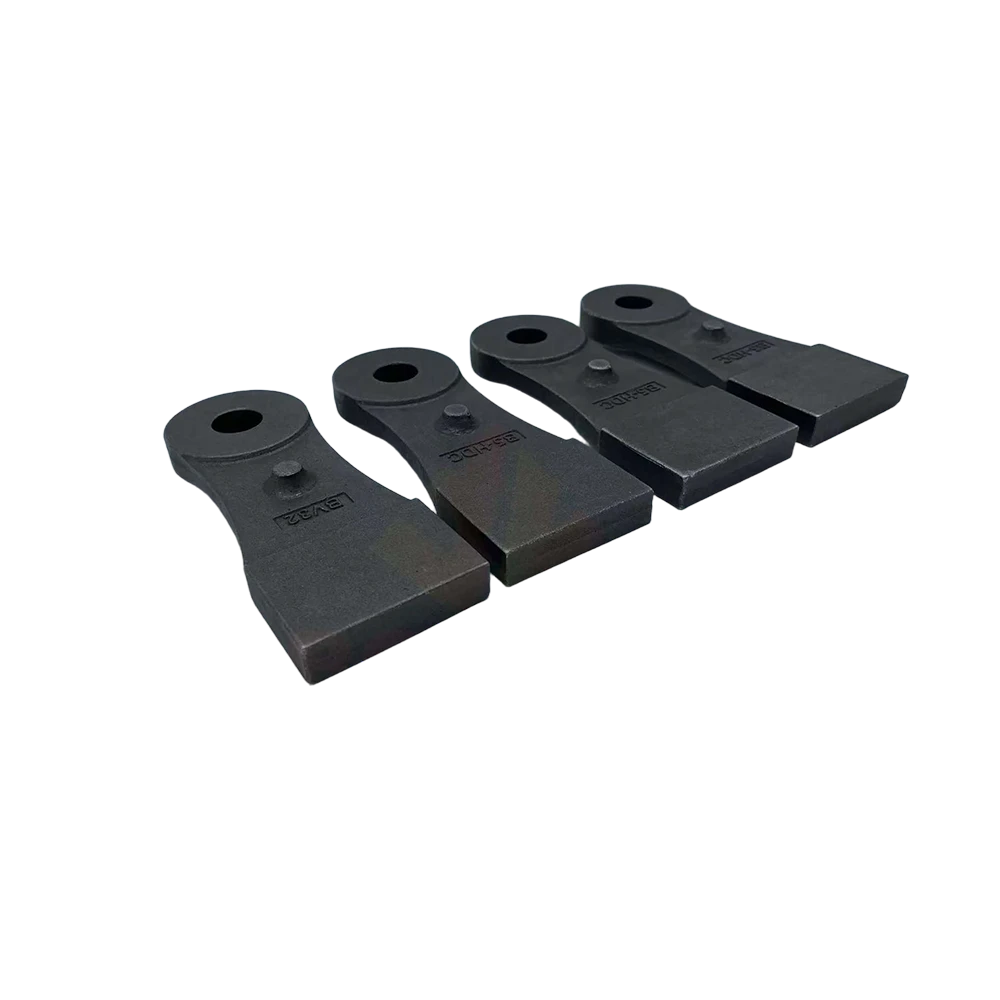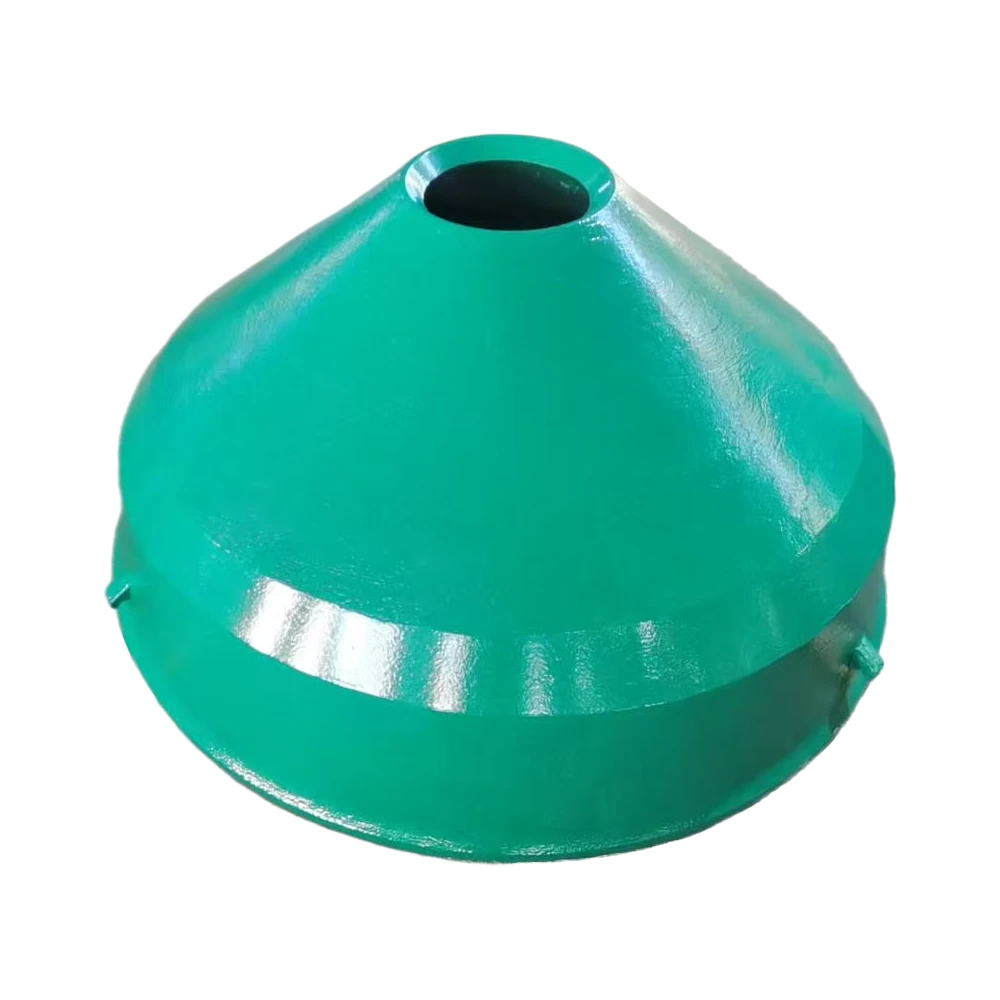
Find a Reliable Heat Resistant Steel Products Supplier for Optimal Performance
Finding the Right Heat Resistant Steel Products Supplier
When your operations demand materials that withstand extreme temperatures, selecting a reliable heat resistant steel products supplier is crucial. The right partner ensures consistent quality, timely delivery, and materials tailored to your specific needs. This article will explore the key factors to consider when choosing a supplier, the benefits of heat resistant steel, and how DZM Casting can meet your requirements. Investing in quality materials and a dependable supplier safeguards your projects and optimizes performance.
Understanding Heat Resistant Steels
Heat resistant steels, also known as high-temperature alloys, are designed to maintain their strength, toughness, and resistance to corrosion at elevated temperatures. These alloys contain significant amounts of alloying elements like chromium, nickel, molybdenum, and tungsten. The specific composition determines the steel’s performance characteristics and suitability for different applications. Common types include austenitic stainless steels, martensitic steels, and ferritic steels. A quality heat resistant steel products supplier will be able to advise on the best material for your specific application.
Key Benefits: High strength at elevated temperatures, resistance to oxidation and corrosion, creep resistance (resistance to deformation under sustained stress), and long service life.
Key Considerations When Choosing a Heat Resistant Steel Products Supplier
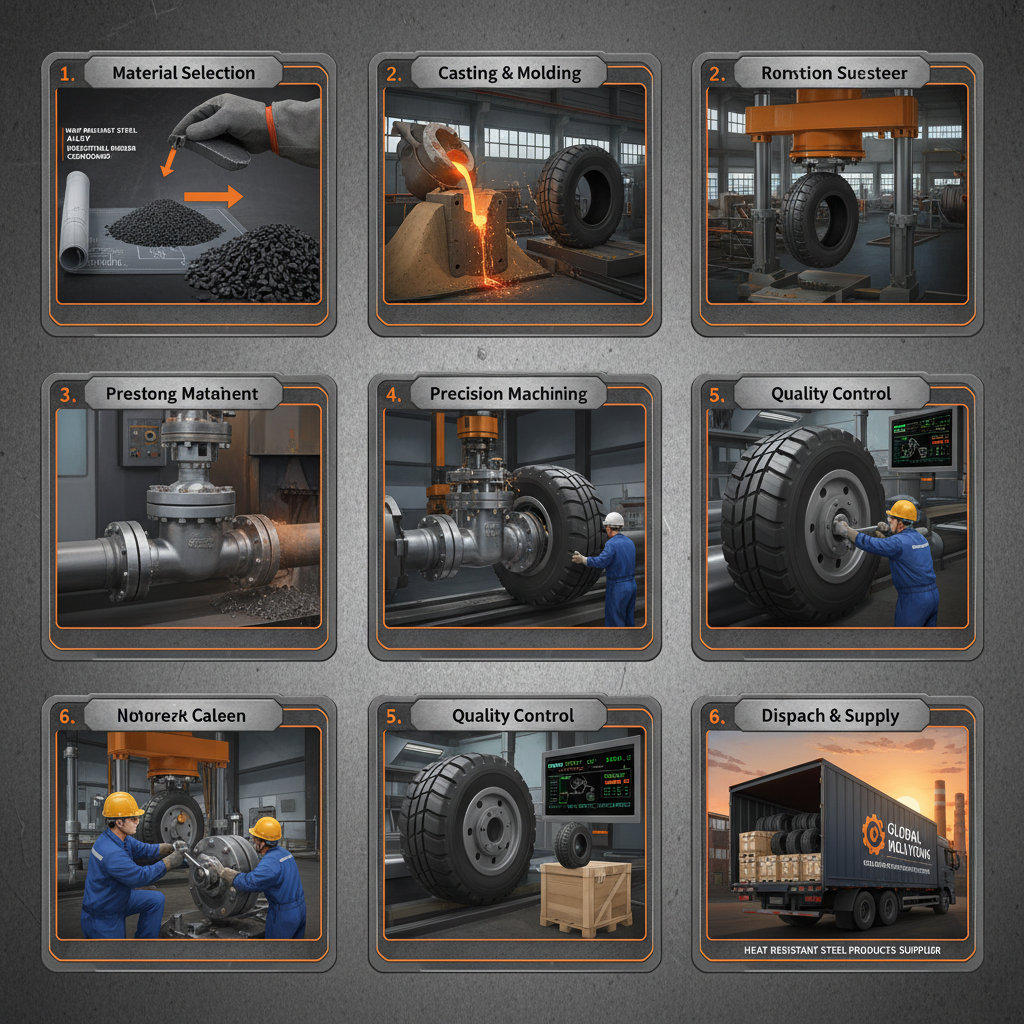
Selecting the right supplier goes beyond just price. Several factors deserve careful consideration. Quality control processes are paramount – look for suppliers with robust testing and certification procedures. Manufacturing capabilities should align with your project’s needs, including casting, forging, machining, and heat treatment. Material availability and lead times are crucial for maintaining project schedules. Finally, excellent technical support and customer service can provide invaluable assistance in material selection and troubleshooting. DZM Casting excels in all these areas, providing a comprehensive solution for your heat resistant steel needs.
Essential Supplier Attributes:
• Stringent quality control measures
• Versatile manufacturing capabilities
• Reliable material sourcing and delivery
• Expert technical support
Comparing Common Heat Resistant Steel Grades
Different heat resistant steel grades offer varying levels of performance. Understanding these differences is essential for selecting the optimal material. The table below compares some frequently used alloys:
DZM Casting: Your Trusted Heat Resistant Steel Partner
DZM Casting specializes in the production of high-quality heat resistant steel products. We offer a wide range of casting solutions, including investment casting, sand casting, and die casting, tailored to meet the precise needs of our clients. Our commitment to quality, coupled with our competitive pricing and on-time delivery, makes us a preferred supplier for industries such as aerospace, power generation, and petrochemicals. We leverage advanced manufacturing techniques and rigorous quality control to ensure our products consistently meet and exceed industry standards.
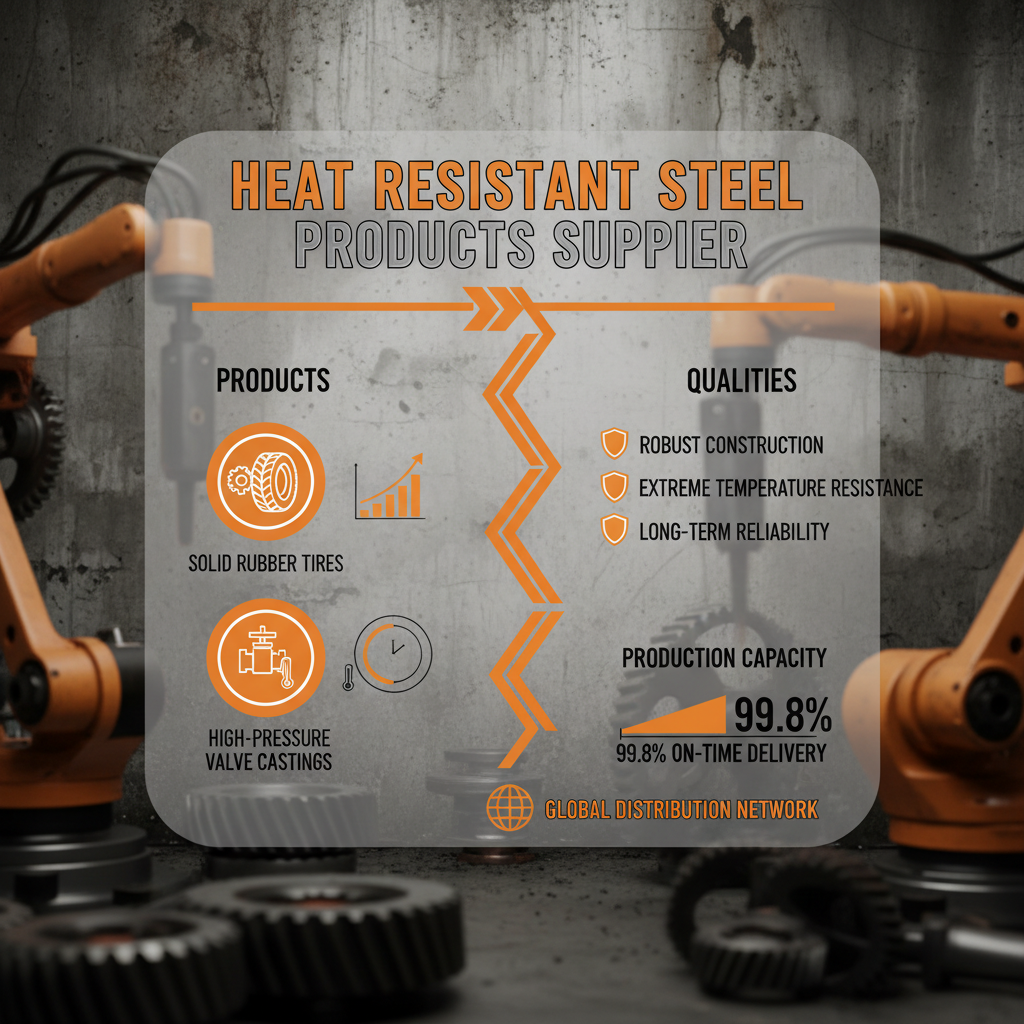
Applications of Heat Resistant Steel
Heat resistant steels are essential in numerous applications requiring materials that maintain integrity under extreme temperatures. These include furnace components, gas turbine blades, jet engine parts, exhaust systems, and heat exchangers. The aerospace industry relies heavily on these alloys for engine components and structural parts. Power generation plants utilize them in boilers and turbines. The petrochemical industry employs heat resistant steels in reactors and processing equipment. A reliable heat resistant steel supplier understands these diverse applications and can offer tailored solutions.
Conclusion: Partner with DZM Casting for Reliable Heat Resistance
For consistent quality, reliable supply, and expert support, choose DZM Casting as your heat resistant steel products supplier. We’re dedicated to exceeding your expectations and helping you succeed.
Frequently Asked Questions (FAQs)
What is the difference between heat resistance and heat treatment?
Heat resistance is an inherent property of a material, referring to its ability to maintain its strength and integrity at high temperatures. Heat treatment, on the other hand, is a process applied to metals to alter their physical and mechanical properties, like hardness or ductility. While heat treatment can improve a steel's heat resistance, it doesn't fundamentally change the material's base capabilities. Choosing a steel alloy specifically designed for heat resistance is crucial for applications demanding long-term performance in high-temperature environments.
What are the common manufacturing processes for heat-resistant steel components?
Common manufacturing processes include casting (investment casting, sand casting, die casting), forging, machining, and welding. Each process offers different advantages depending on the component’s shape, size, and required precision. Investment casting is excellent for complex geometries, while forging provides superior strength. Machining is used for achieving tight tolerances and precise dimensions. DZM Casting provides a complete suite of manufacturing services to meet your specific requirements, ensuring optimal component quality and performance.
How does creep affect heat-resistant steel components?
Creep is the tendency of a solid material to deform slowly and permanently under sustained mechanical stress, especially at elevated temperatures. It's a critical consideration for heat-resistant steel components operating in high-temperature environments for extended periods. Selecting alloys with high creep resistance, like Inconel 600 or Hastelloy X, and employing appropriate component design can minimize creep deformation and ensure long-term structural integrity. A reputable supplier can advise on materials suitable for creep-critical applications.
What certifications should I look for in a heat-resistant steel supplier?
Look for suppliers certified to ISO 9001 (quality management system) and relevant industry standards like ASTM. Certifications demonstrate a commitment to quality control and traceability. Additionally, material test reports (MTRs) verifying chemical composition and mechanical properties should be readily available. DZM Casting maintains rigorous quality control standards and provides comprehensive documentation to ensure compliance and customer satisfaction.
-
High Performance oem cast heat resistant steel for Industrial UseNewsApr.16,2026
-
Guide to Selecting High Quality Cast Heat Resistant Steel AlloysNewsApr.09,2026
-
Custom Cast Heat Resistant Steel Solutions for High Temperature ApplicationsNewsApr.07,2026
-
Comprehensive Guide to Wholesale Cast Heat Resistant Steel for Industrial ApplicationsNewsApr.04,2026
-
Comprehensive Guide to High Performance Heat Resistant Metal Product SolutionsNewsMar.31,2026
-
Expert Guidance on Heat Resistant Metal Quotes and Alloy SelectionNewsMar.28,2026