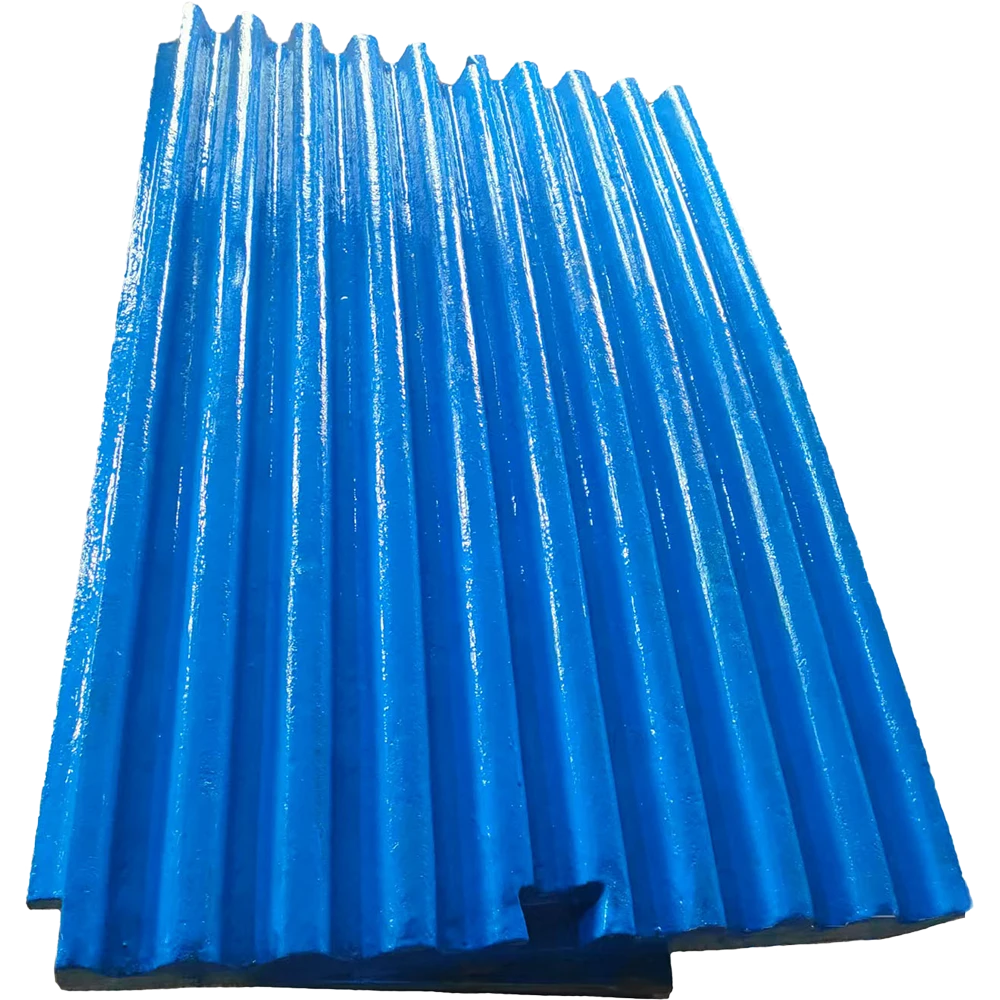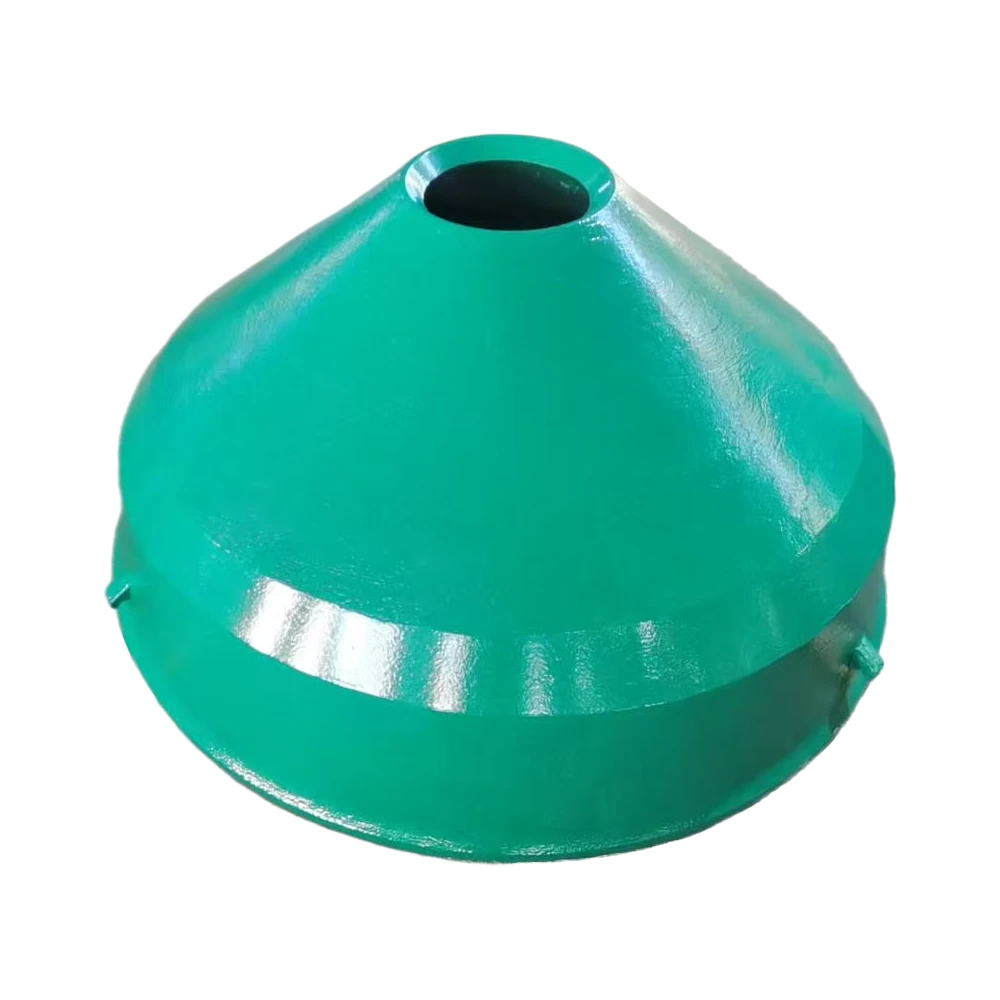
Reliable Jaw Plate Manufacturer – Expert Insights & Specs
Jaw Plate Manufacturer: Insights from the Industrial Trenches
Having worked in the industrial equipment sector for over a decade, I can say the importance of a reliable jaw plate manufacturer is often underestimated. These components, though simple in concept, are the unsung heroes in crushers—grinding down rocks and metal scraps day in and day out. Oddly enough, their performance can make or break an operation's efficiency, so choosing the right manufacturer isn’t just about cost, but material science, engineering precision, and durability.
One thing I’ve noticed visiting plants over the years is that operators tend to stick with trusted suppliers, mainly because jaw plates vary a lot in quality and lifespan. You wouldn’t believe how small differences in alloy composition and casting methods translate literally into weeks or months of extra uptime. Frankly, if you’re running a quarry or recycling site, downtime feels like a dent in the bottom line you never quite catch up from.
Let’s break down what makes a great jaw plate — and what I keep an eye on when evaluating manufacturers. First up, the material: manganese steel is the go-to choice because of its remarkable wear resistance and toughness. But not all manganese steel is created equal. The key is in the heat treatment and casting process, which some vendors really nail, while others compromise to save costs. A reliable manufacturer will openly disclose their specs and testing standards—transparency is a big trust factor in this business.
Speaking of specs, here’s a quick rundown of typical jaw plate characteristics that help me differentiate quality manufacturers:
| Specification | Typical Value | Importance |
|---|---|---|
| Material Grade | Mn14, Mn18, Mn22 | Wear resistance, toughness |
| Hardness (HB) | 320-360 | Surface durability |
| Casting Method | Sand casting / Lost foam | Structural integrity |
| Testing | Impact, wear cycle | Reliability assurance |
| Customization | Size, profile, alloy mix | Fit to machine & application |
I’m often asked about how manufacturers stack up. To be honest, some overseas suppliers offer jaw plates at attractive prices, but the catch is usually inconsistent quality or lead times that mess with your schedule. Domestic manufacturers often come with better communication and customization options—something I noticed when a customer needed a special profile for a tricky crushing job. The vendor worked closely to tweak the alloy and shape, saving weeks of trial and error.
| Feature | Domestic Manufacturer | Offshore Supplier |
|---|---|---|
| Quality Consistency | High, certified | Variable |
| Lead Time | 1-3 weeks | 4-8 weeks |
| Customization | Flexible, direct support | Limited options |
| Pricing | Mid to high | Low to mid |
| Technical Support | Strong | Often limited |
On a personal note, I remember a case where a crushing plant was switching suppliers. The new jaw plates from a reputable manufacturer needed zero break-in time and resisted chipping better. The operators noticed less downtime, which improved throughput by a solid 8%. It’s these real-world stories that prove the difference good manufacturing can make.
Of course, partnerships matter. Reliable shipping, consistent material certification, and open communication keep operations running smoothly. Having dealt with several vendors, I’d say a jaw plate manufacturer who values your needs as much as theirs is worth the investment.
In real terms, the right jaw plate choice means better wear life, less maintenance fuss, and improved crusher performance. I suppose in this field, experience and trust go hand in hand—with the quality of your manufacturer’s casting and service standing as a silent but powerful ally.
So if you’re evaluating suppliers or just curious, consider these factors carefully. After all, stuff like jaw plates might be background noise for some, but for those of us in heavy industry, it’s the foundation of our daily grind.
References:
- Industrial Crusher Wear Parts Handbook, 2020 Edition
- Materials Performance Journal, “Manganese Steel Alloys in Crushing Equipment” (2022)
- Factory Visits & Interviews, 2015-2023
-
High Performance oem cast heat resistant steel for Industrial UseNewsApr.16,2026
-
Guide to Selecting High Quality Cast Heat Resistant Steel AlloysNewsApr.09,2026
-
Custom Cast Heat Resistant Steel Solutions for High Temperature ApplicationsNewsApr.07,2026
-
Comprehensive Guide to Wholesale Cast Heat Resistant Steel for Industrial ApplicationsNewsApr.04,2026
-
Comprehensive Guide to High Performance Heat Resistant Metal Product SolutionsNewsMar.31,2026
-
Expert Guidance on Heat Resistant Metal Quotes and Alloy SelectionNewsMar.28,2026