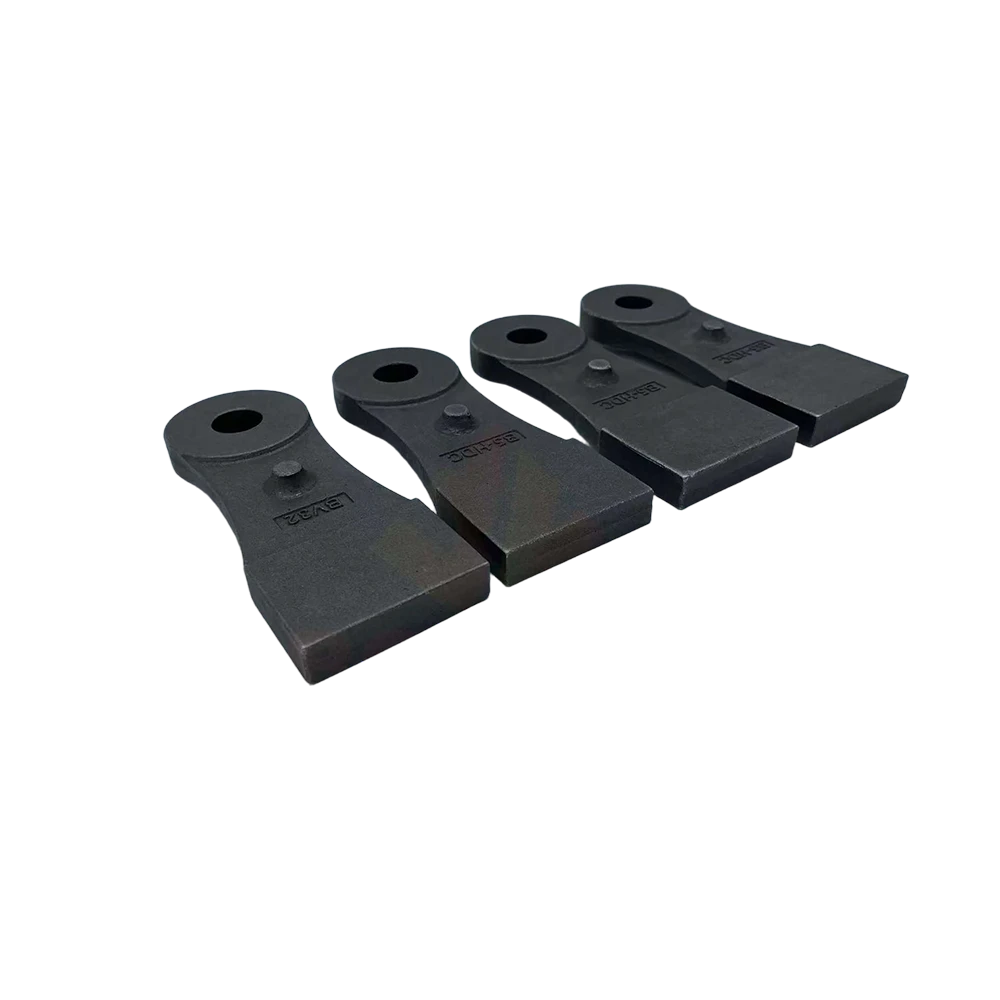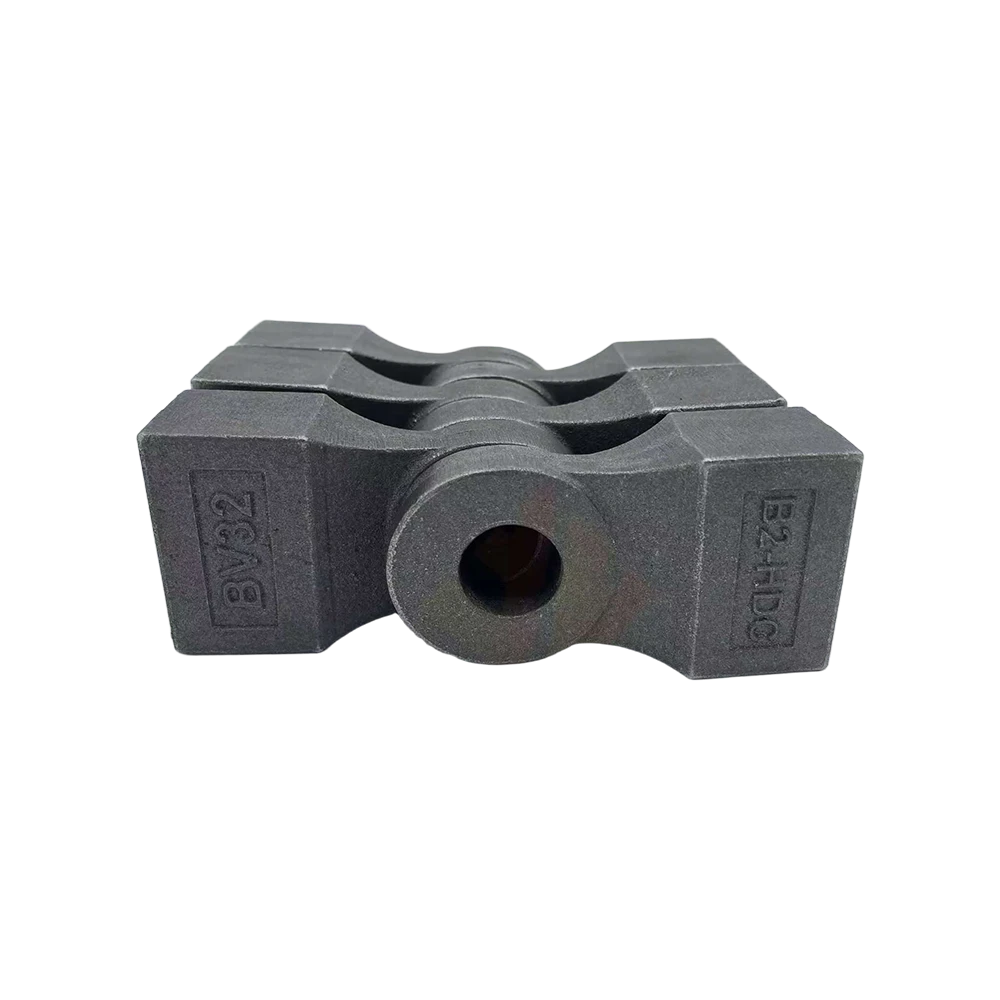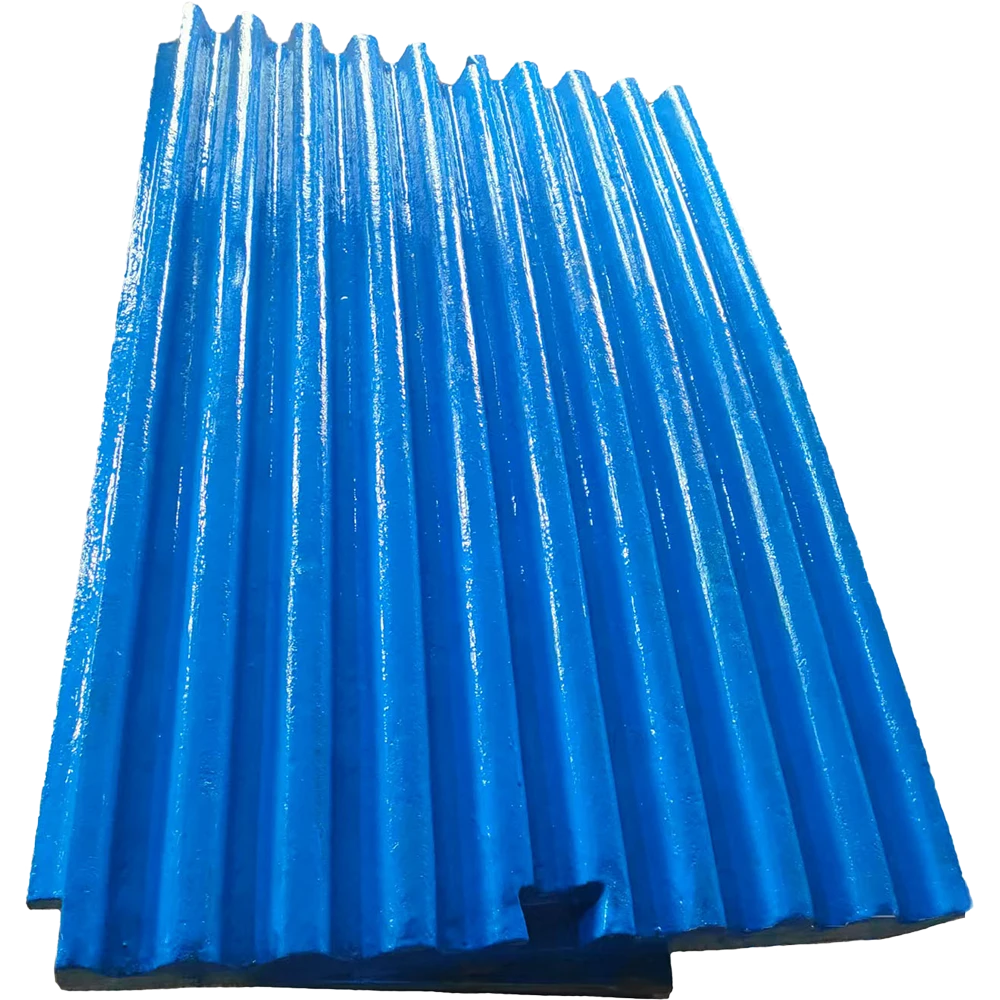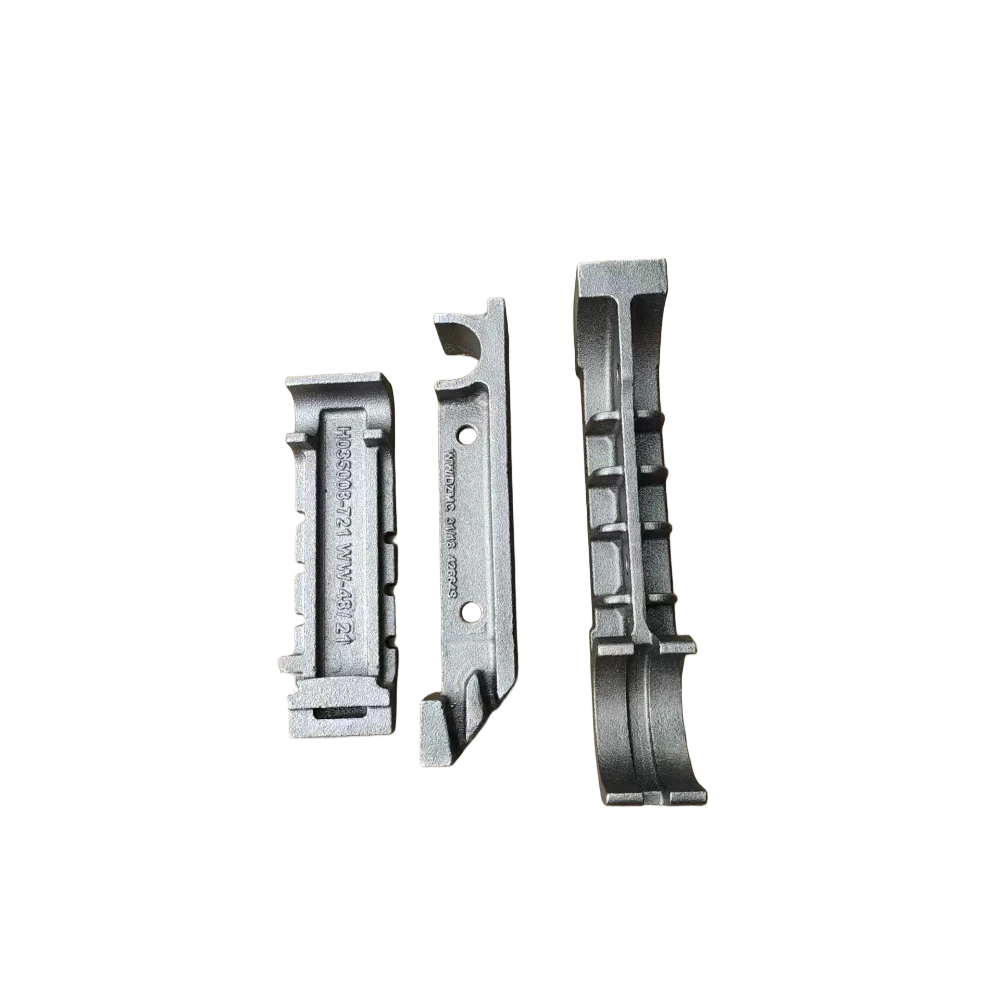
Comprehensive Guide to Heat Resistant Steel Product Applications and Selection
Understanding Heat Resistant Steel Product Applications
In demanding industries where high temperatures are commonplace, the selection of appropriate materials is critical. Heat resistant steel products are engineered to withstand extreme heat without compromising their structural integrity. This article will explore the characteristics, applications, and benefits of these specialized steel alloys, focusing on how DZM Casting provides high-quality solutions. Selecting the right heat resistant steel is vital for ensuring operational efficiency and safety in various sectors.
What is Heat Resistant Steel?
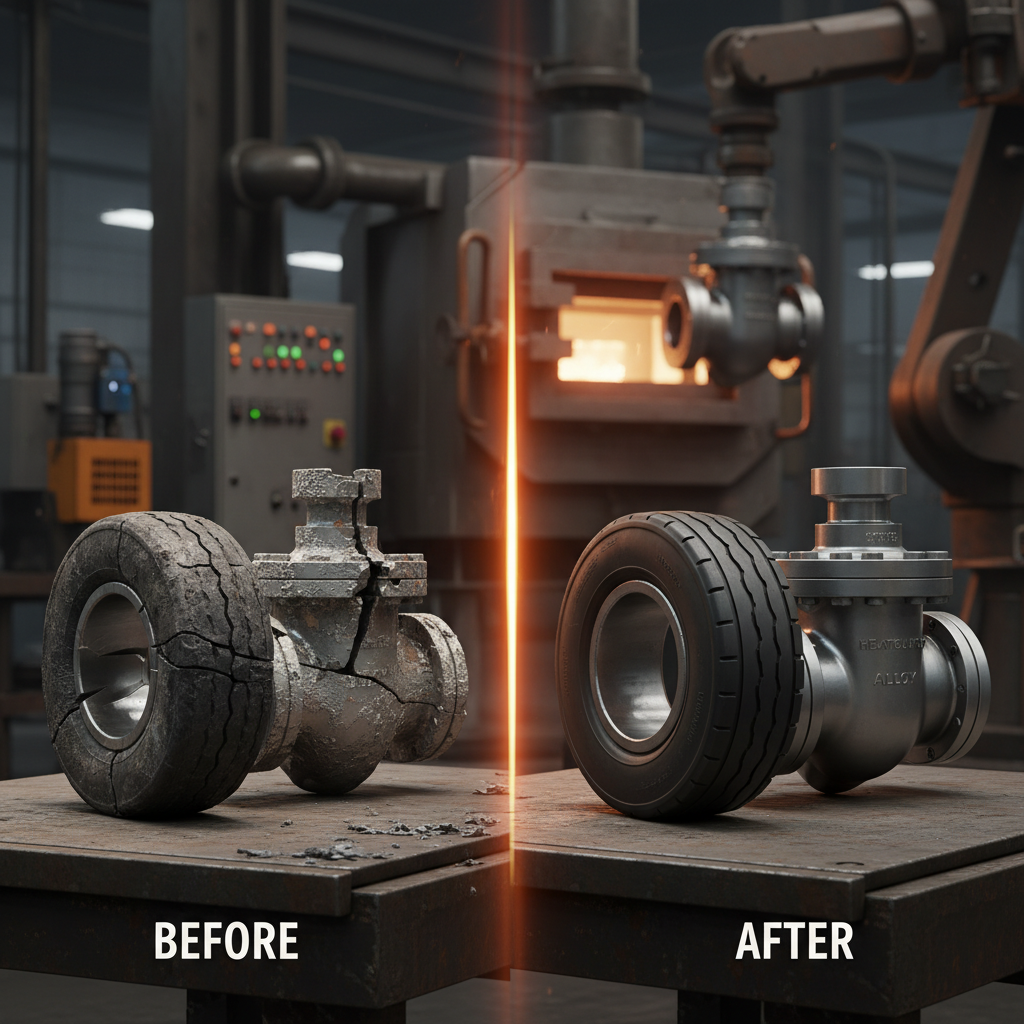
Heat resistant steel isn't a single alloy, but rather a group of ferrous alloys designed to maintain their strength, creep resistance, and oxidation resistance at elevated temperatures. These steels typically contain significant amounts of chromium, nickel, molybdenum, and other alloying elements. The specific composition varies based on the intended application and the temperature range it needs to withstand. Crucially, they differ from stainless steels, which prioritize corrosion resistance. While some heat-resistant steels offer corrosion resistance, their primary function is to endure intense heat. At DZM Casting, we specialize in producing customized heat resistant steel castings to meet unique client specifications.
Key Characteristics: High creep resistance, oxidation resistance, and tensile strength at elevated temperatures. Ability to retain hardness and mechanical properties even after prolonged exposure to heat.
Common Types of Heat Resistant Steel
Several types of heat resistant steel are commonly used in various applications. The choice depends on the specific operating temperature and environmental conditions. Some of the most prevalent types include:
- Austenitic Stainless Steels (304, 310, 316): Excellent oxidation resistance, good weldability, but limited strength at very high temperatures.
- Ferritic Stainless Steels (409, 439): Lower cost alternative to austenitic steels, with decent oxidation resistance.
- Martensitic Steels (410, 420): Offer higher strength at elevated temperatures but are more susceptible to corrosion.
- Superalloys (Inconel, Hastelloy): Nickel-based alloys providing exceptional strength and corrosion resistance at extreme temperatures.
Applications of Heat Resistant Steel Products
The demand for heat resistant steel products spans across diverse industries. Here are some key areas:
- Aerospace: Turbine blades, exhaust systems, and combustion chambers in jet engines.
- Power Generation: Boiler tubes, superheater tubes, and gas turbine components.
- Automotive: Exhaust manifolds, turbocharger components, and catalytic converters.
- Chemical Processing: Reactors, heat exchangers, and piping systems exposed to high temperatures and corrosive environments.
- Metallurgy: Furnaces, ladles, and molds for casting and heat treatment.
Comparing Common Heat Resistant Steel Alloys
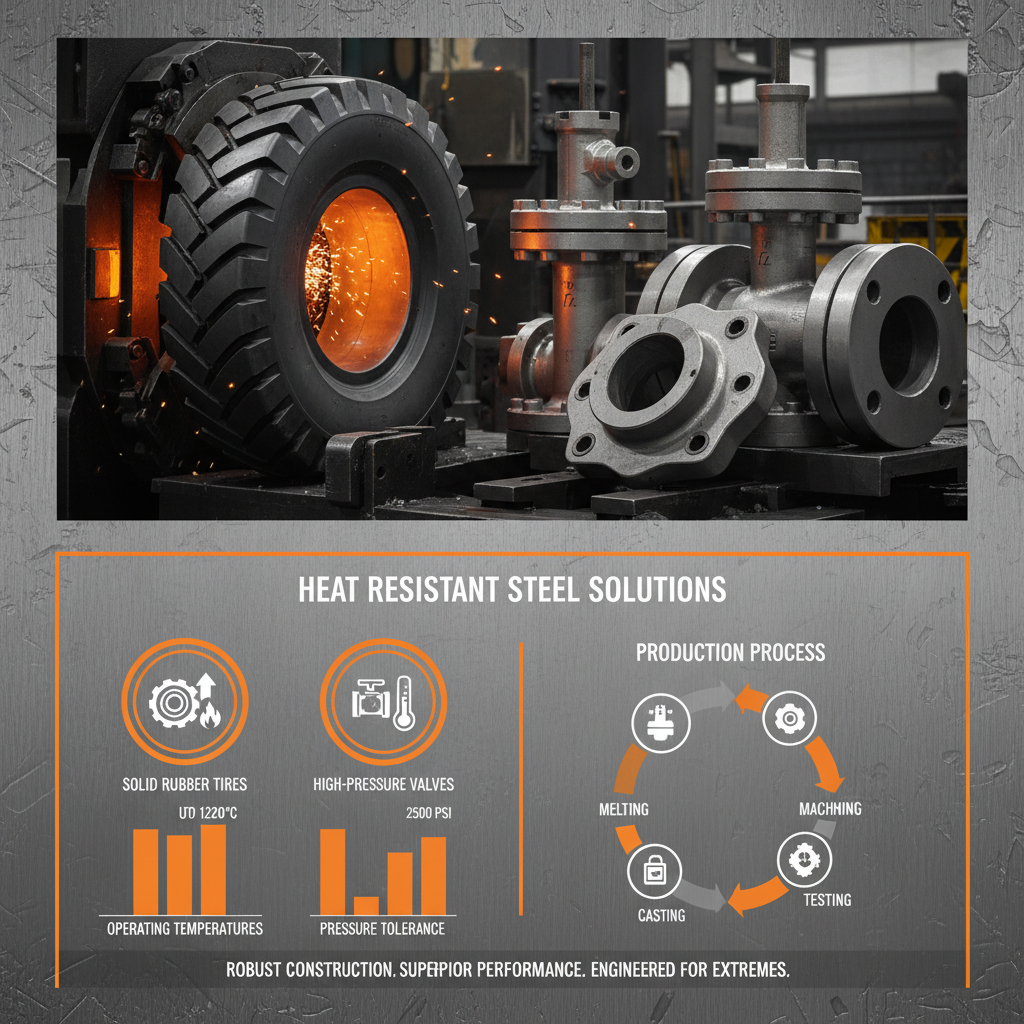
Selecting the optimal heat resistant steel depends on the specific application. The following table provides a comparative overview of several common alloys:
DZM Casting: Your Trusted Heat Resistant Steel Partner
At DZM Casting, we specialize in the precision casting of heat resistant steel components. We offer a comprehensive range of services, including alloy selection assistance, pattern making, casting, machining, and quality control. Our expertise ensures that your components meet the most stringent performance requirements. We work closely with our clients throughout the entire process, from initial design to final delivery. Our commitment to quality and customer satisfaction makes us a preferred partner for businesses requiring reliable heat resistant steel products.
Conclusion
Choosing the right heat resistant steel product is paramount for applications demanding high-temperature performance. DZM Casting provides superior quality castings and comprehensive support to meet your specific needs. Contact us today to discuss your project and discover how we can deliver exceptional results.
Frequently Asked Questions (FAQs)
What factors should I consider when selecting heat resistant steel?
Several factors are critical when choosing the right heat resistant steel. The operating temperature is paramount; different alloys have varying maximum service temperatures. Consider the environment – is it corrosive? Oxidation resistance is crucial in such cases. Creep resistance, the ability to withstand long-term stress at elevated temperatures, is also key. Finally, factors like cost, weldability, and machinability should be taken into account. Consulting with a materials expert at DZM Casting can help ensure optimal alloy selection.
What is creep and why is it important in heat resistant applications?
Creep is the tendency of a solid material to slowly deform permanently under the influence of persistent mechanical stresses. It's significantly exacerbated at high temperatures. In heat-resistant applications, creep can lead to component failure over time, even if the stress levels are below the material's yield strength. Therefore, high creep resistance is a crucial characteristic of heat-resistant steels, ensuring long-term structural integrity. Alloys containing elements like molybdenum and tungsten enhance creep resistance.
Can heat resistant steel be welded?
Yes, but weldability varies significantly between different heat resistant steel alloys. Austenitic stainless steels generally exhibit good weldability. Martensitic steels require preheating and post-weld heat treatment to prevent cracking. Superalloys often require specialized welding techniques. It's essential to use appropriate welding procedures and filler metals to maintain the alloy's properties and prevent corrosion or embrittlement. Our team at DZM Casting can advise on the best welding practices for specific alloys.
-
High Performance oem cast heat resistant steel for Industrial UseNewsApr.16,2026
-
Guide to Selecting High Quality Cast Heat Resistant Steel AlloysNewsApr.09,2026
-
Custom Cast Heat Resistant Steel Solutions for High Temperature ApplicationsNewsApr.07,2026
-
Comprehensive Guide to Wholesale Cast Heat Resistant Steel for Industrial ApplicationsNewsApr.04,2026
-
Comprehensive Guide to High Performance Heat Resistant Metal Product SolutionsNewsMar.31,2026
-
Expert Guidance on Heat Resistant Metal Quotes and Alloy SelectionNewsMar.28,2026