Comprehensive Guide to Obtaining Competitive Heat Resistant Steel Quotes
Heat Resistant Steel Quotes: A Comprehensive Guide
When it comes to demanding industrial applications, selecting the right heat resistant steel is crucial for safety, longevity, and cost-effectiveness. Obtaining accurate heat resistant steel quotes requires understanding the various grades, specifications, and market factors. This article will explore the nuances of heat resistant steel, how to obtain competitive quotes, and what to look for in a reliable supplier. We will also cover the importance of accurate material selection to avoid costly errors and downtime. DZM Casting provides competitive pricing and high quality heat-resistant steel.
Understanding Heat Resistant Steel Grades
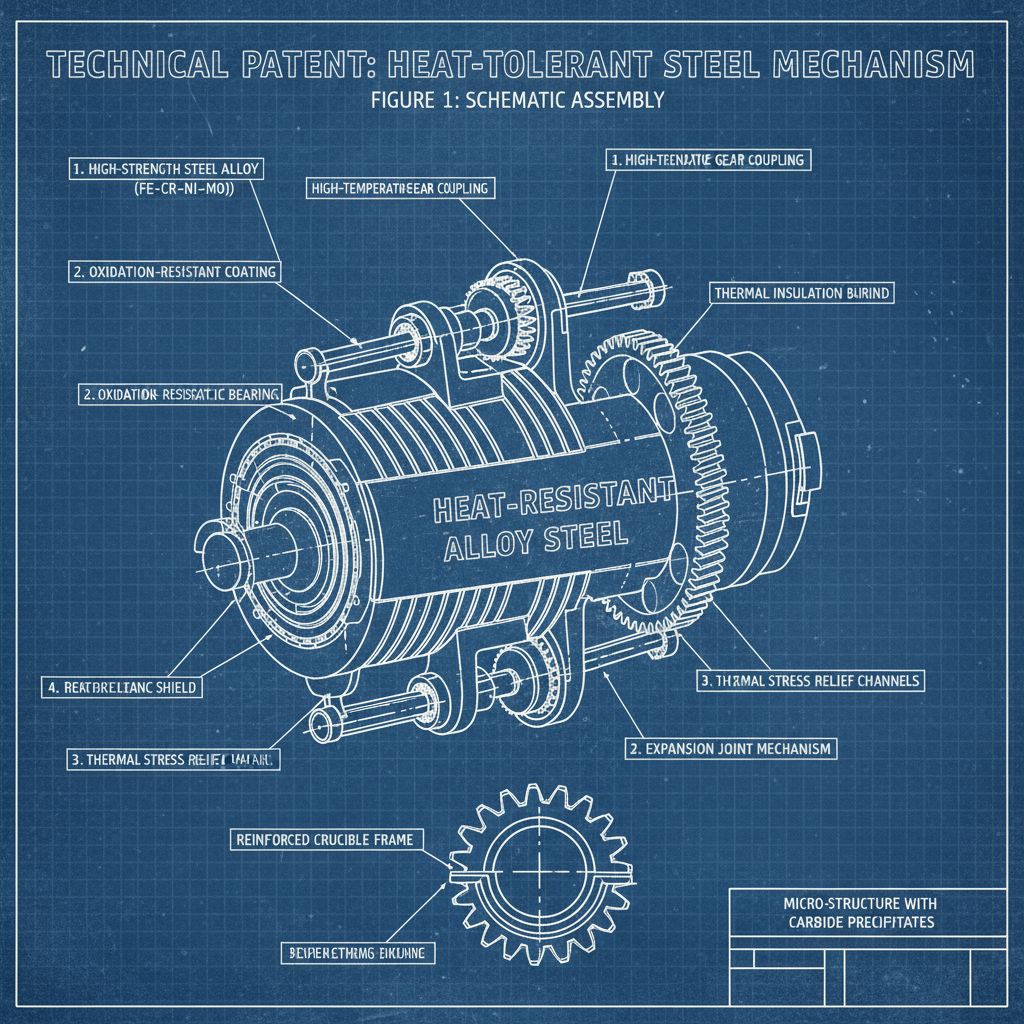
Heat resistant steels are alloys designed to withstand high temperatures without significant degradation of their mechanical properties. Different grades offer varying levels of resistance and are suited for specific applications. Common types include austenitic stainless steels (like 304, 310, 316), ferritic stainless steels (like 409, 430), and alloy steels containing chromium, nickel, and molybdenum. The choice of grade depends on the operating temperature, exposure to corrosive environments, and the required strength and ductility. It is vital to request quotes specifying the exact grade needed, as pricing can vary significantly.
Key Considerations: Correct grade selection based on temperature, corrosion resistance, and mechanical property requirements will save cost and improve performance.
Factors Influencing Heat Resistant Steel Quotes
Several factors can impact the heat resistant steel quotes you receive. These include the quantity ordered, the specific grade of steel, the required dimensions (thickness, width, length), any necessary processing (cutting, machining, welding), and current market prices for raw materials like nickel and chromium. Lead times can also affect pricing; shorter lead times often come with a premium. The geographic location of the supplier and shipping costs are also significant considerations.
Quote Influencing Factors:
• Quantity ordered
• Steel grade and specifications
• Processing requirements (cutting, machining)
• Market prices of raw materials
Comparing Different Grades and Their Costs
The cost of heat resistant steel varies considerably depending on the alloy composition. Generally, steels with higher chromium, nickel, and molybdenum content are more expensive due to the higher cost of these elements. Here’s a simplified comparison:
Obtaining Accurate Heat Resistant Steel Quotes
To ensure you receive accurate and competitive heat resistant steel quotes, provide suppliers with a detailed Request for Quote (RFQ). Include the following information: specific grade of steel, quantity required, dimensions, desired processing, delivery timeline, and any applicable industry standards. Request quotes from multiple suppliers to compare pricing and lead times. Don't hesitate to ask for a breakdown of costs, including raw material surcharges and shipping fees.
Choosing a Reliable Supplier
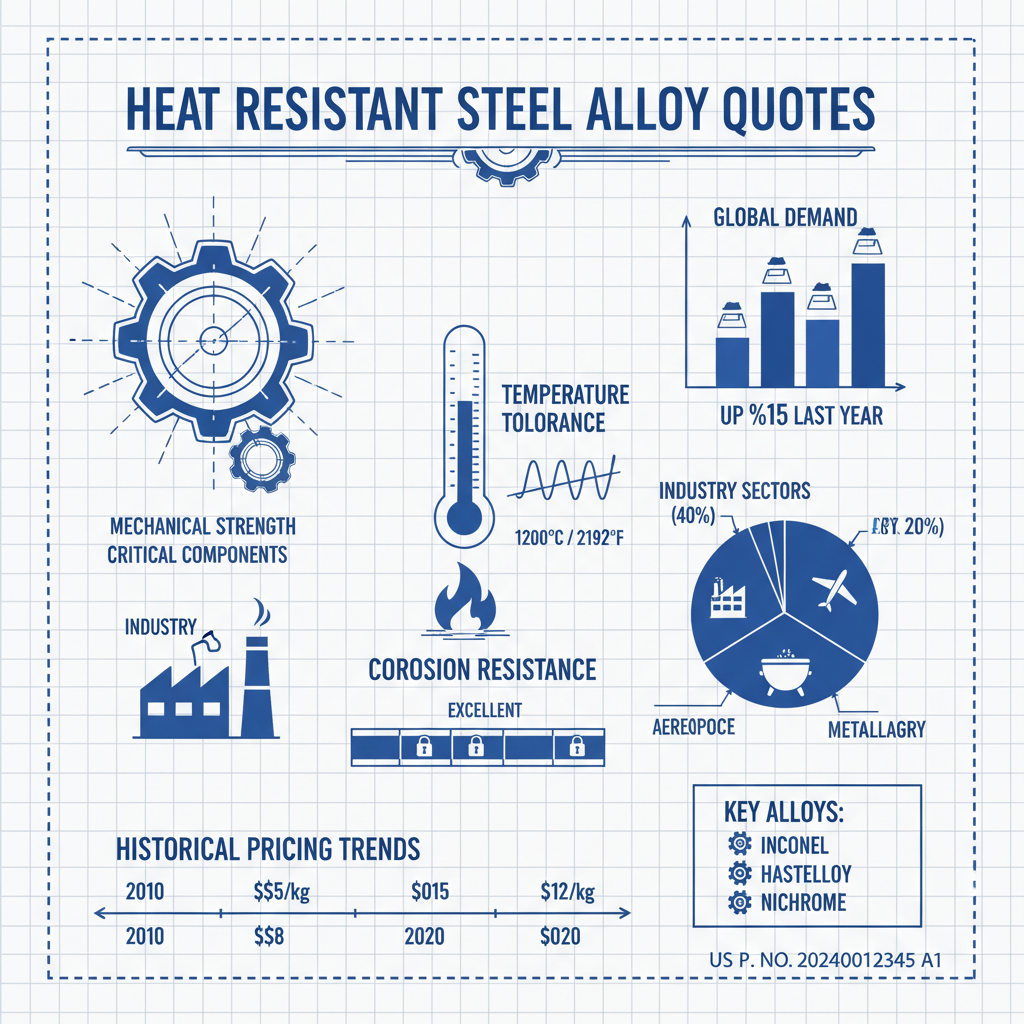
Selecting a reputable supplier is as important as getting a good price. Look for suppliers with a proven track record of quality, reliability, and on-time delivery. Check for certifications (e.g., ISO 9001) and positive customer reviews. Ensure the supplier can provide material test reports (MTRs) to verify the steel’s composition and properties. DZM Casting is a trusted provider of high-quality heat resistant steel solutions.
Conclusion: Securing the Best Value in Heat Resistant Steel
Obtaining competitive heat resistant steel quotes requires a thorough understanding of material grades, market factors, and supplier reliability. By following the guidelines outlined in this article, you can make informed decisions, optimize your procurement process, and ensure you receive the best value for your investment. Contact DZM Casting today for a custom quote.
Frequently Asked Questions (FAQs)
What is the typical lead time for heat resistant steel orders?
Lead times can vary significantly depending on the steel grade, quantity, and the supplier’s production schedule. Standard grades in stock may have lead times of 1-2 weeks, while more specialized alloys or large orders could take 4-8 weeks or longer. Always confirm the lead time with the supplier before placing your order. Factors like current demand and raw material availability can also influence delivery times. It's advisable to plan ahead and order well in advance to avoid delays.
What certifications should I look for in a heat resistant steel supplier?
Key certifications to look for include ISO 9001 (quality management system), which demonstrates a commitment to consistent product quality. For specific industries, look for certifications like PED (Pressure Equipment Directive) or ASME (American Society of Mechanical Engineers) if applicable. Suppliers should also be able to provide material test reports (MTRs) confirming the steel’s chemical composition and mechanical properties. These certifications ensure the steel meets the required standards and specifications.
How can I minimize costs when purchasing heat resistant steel?
To minimize costs, consider ordering in larger quantities to benefit from volume discounts. Negotiate pricing with multiple suppliers and compare quotes carefully. Optimize your material specifications to avoid over-specifying the steel. Consider alternative grades that can meet your performance requirements at a lower cost. Also, streamline your ordering and logistics processes to reduce administrative and shipping costs. Working with a supplier that offers value-added services, like cutting and machining, can also reduce overall costs.
What is the impact of alloy surcharges on heat resistant steel prices?
Alloy surcharges are additional fees added to the base price of stainless steel and other alloy steels to account for fluctuations in the cost of raw materials like nickel, chromium, molybdenum, and others. These surcharges can fluctuate significantly due to market conditions and global demand. Suppliers typically base alloy surcharges on a published index. Understanding how these surcharges are calculated and tracking market trends can help you anticipate price changes and budget accordingly.
-
High Performance oem cast heat resistant steel for Industrial UseNewsApr.16,2026
-
Guide to Selecting High Quality Cast Heat Resistant Steel AlloysNewsApr.09,2026
-
Custom Cast Heat Resistant Steel Solutions for High Temperature ApplicationsNewsApr.07,2026
-
Comprehensive Guide to Wholesale Cast Heat Resistant Steel for Industrial ApplicationsNewsApr.04,2026
-
Comprehensive Guide to High Performance Heat Resistant Metal Product SolutionsNewsMar.31,2026
-
Expert Guidance on Heat Resistant Metal Quotes and Alloy SelectionNewsMar.28,2026