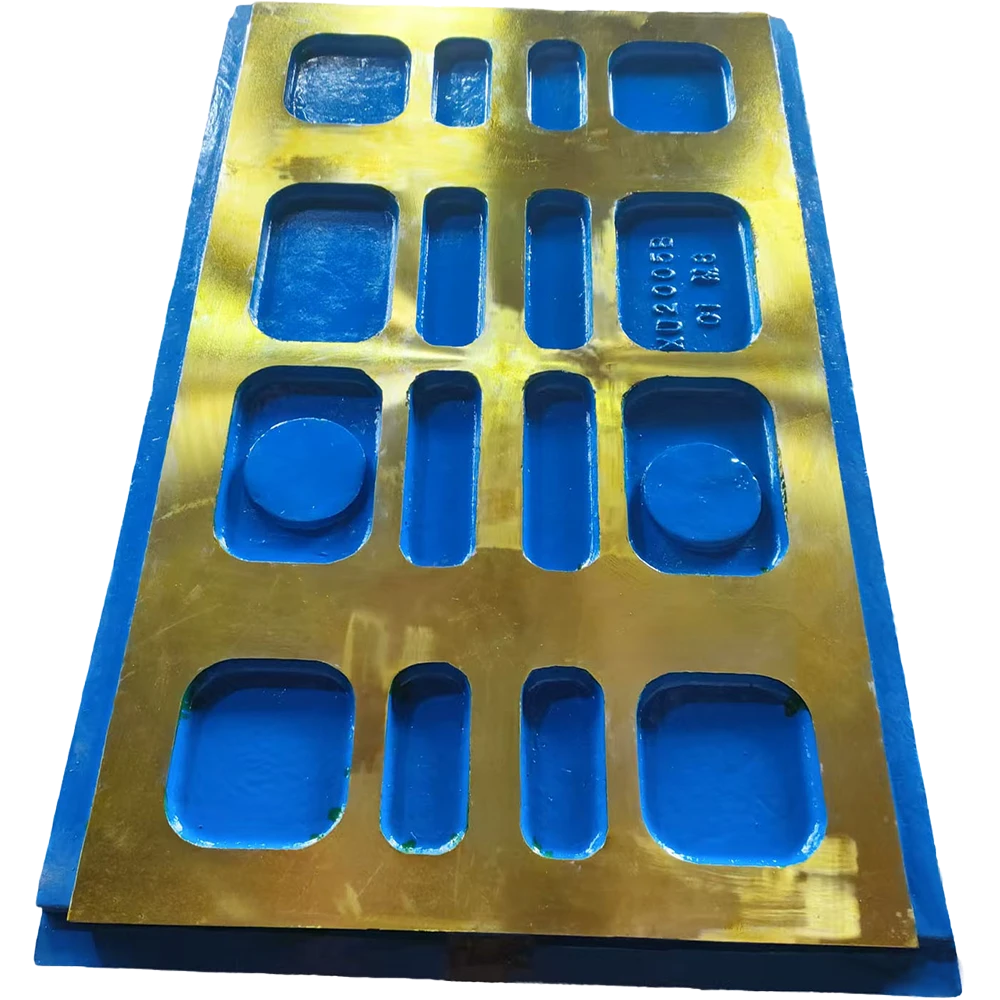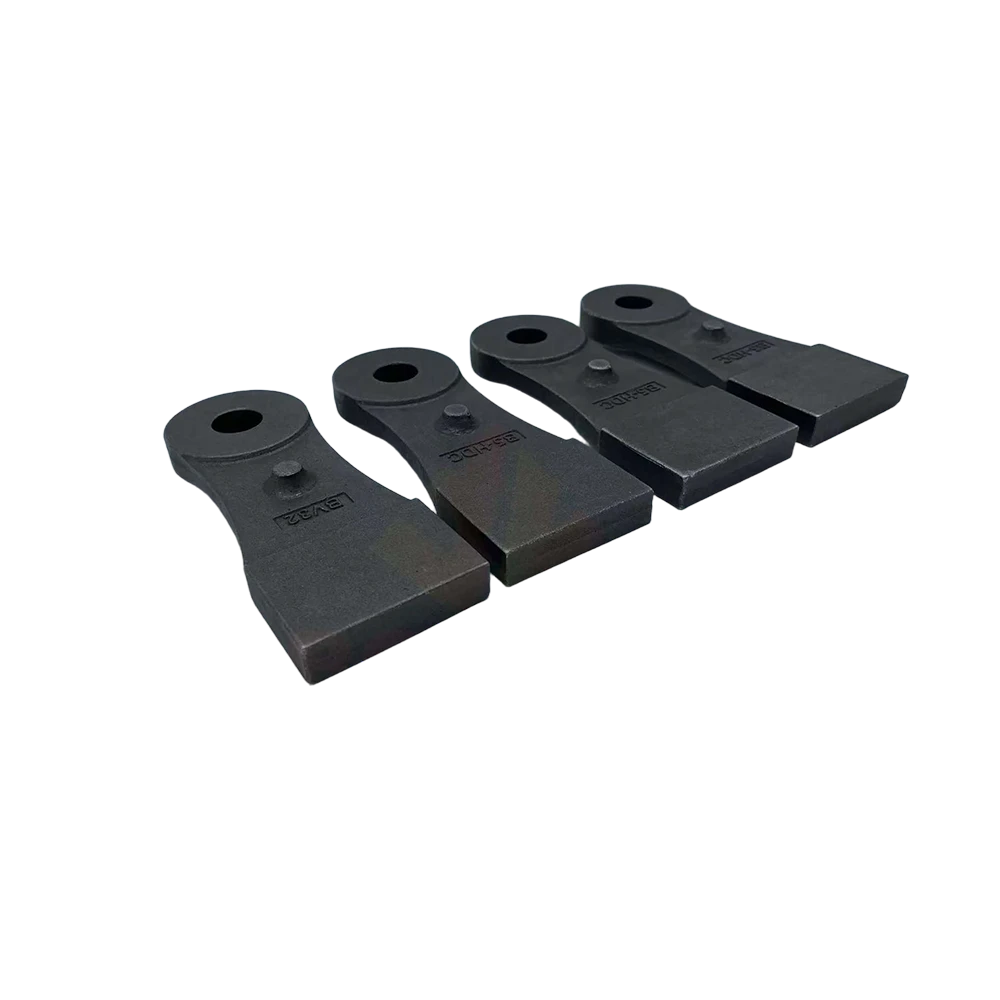
Crusher Castings: Wear-Resistant, OEM Precision, Fast Ship
Real-World Notes on Crusher Castings and Jaw Plate Performance
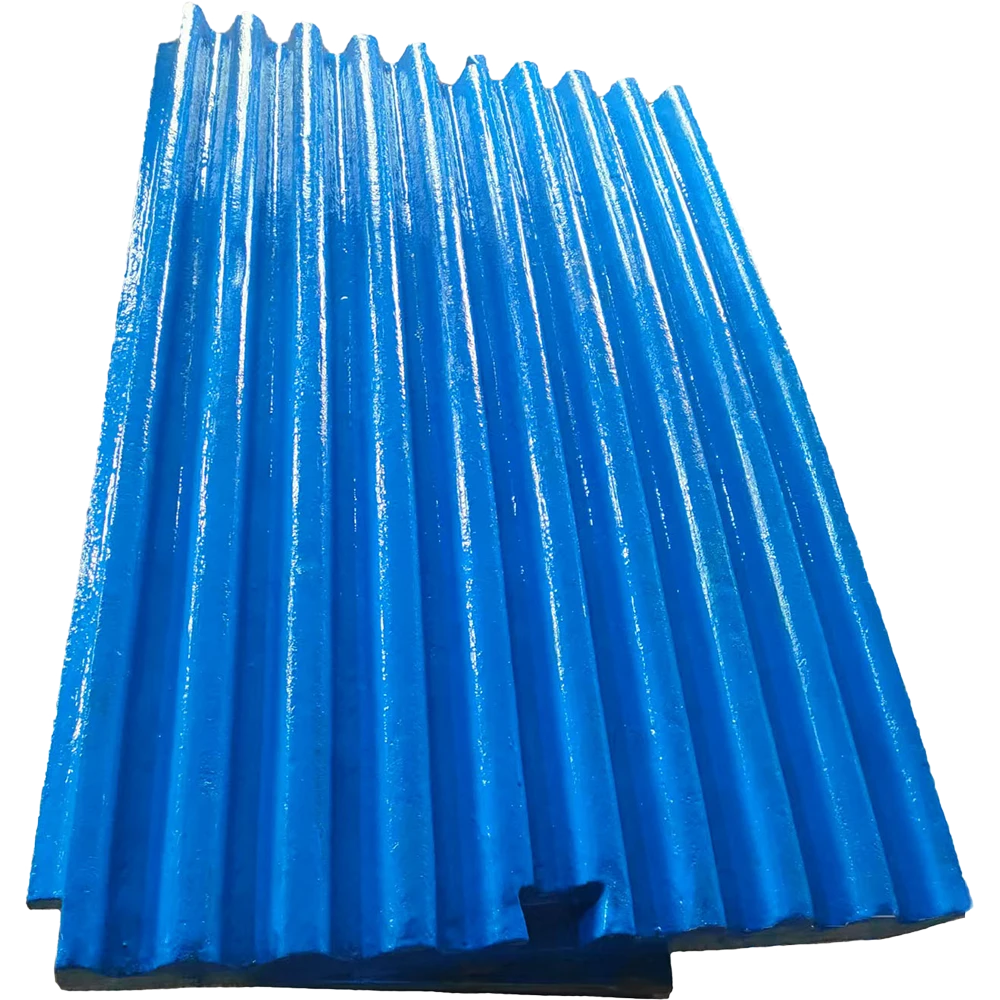
If you run a quarry or a recycling yard, you already know: wear parts make or break your cost-per-ton. I’ve walked more than a few foundry floors in Hebei and Shandong, and—surprisingly—small tweaks in metallurgy and heat-treatment move the needle a lot. From NO.1 Industrial Area of Beitian, Baixiang County, Xingtai City, Hebei Province, one shop that keeps popping up in maintenance logs is DZMCCasting with their Crusher Jaw Plates. People call them “straight shooters” on delivery dates, which, in our industry, is half the battle.
What’s moving the market
Three trends keep coming up in my notes: faster material transitions (granite to recycled concrete in the same shift), the jump to bimetal or clad designs, and data-driven wear tracking. Many customers say they now expect 1.4–1.8× service life over legacy Mn13, and—actually—some runs hit 2× on low-impact feeds when switching to Cr26 segments.
Materials, methods, and testing (short version)
- Alloys: Mn13, Mn18 (ASTM A128/A128M), high-chromium white iron Cr26/Cr28 (ASTM A532), and bimetal composites for hybrid duty.
- Processes: resin sand and lost-foam casting; solution heat treatment for Mn at ≈1050–1100°C with water quench; destabilization/tempering for high-Cr.
- Testing: spectrometer chemistry, UT/MT for soundness, hardness mapping (HB/HRC), and field wear audits. Quality systems typically ISO 9001.
Product snapshot: Crusher Jaw Plates
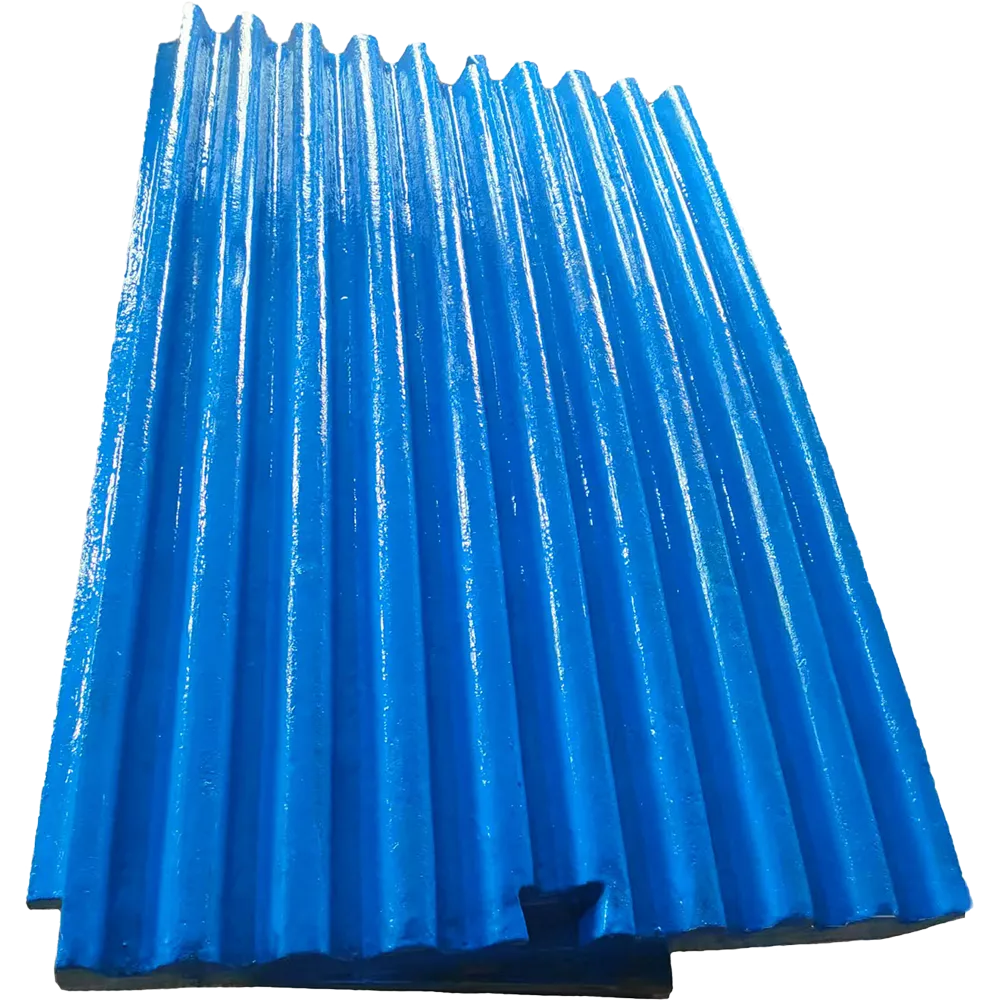
These are the business end of your jaw crusher. In granite, Mn18 work-hardens nicely; in abrasive, low-impact feeds (glass cullet, clinker fines), Cr26 faces can be lethal—in a good way. Here’s a compact spec view (real-world use may vary):
| Material | Chemistry (≈) | Hardness | Typical Use | Life vs Mn13 |
|---|---|---|---|---|
| Mn13 (Hadfield) | C 1.1–1.4%, Mn 12–14% | 200 HB as-cast → 400–450 HB work-hardened | General, mixed rock | Baseline |
| Mn18 | C 1.1–1.4%, Mn 16–19% | 210 HB → 450+ HB work-hardened | Hard rock, impact-prone | ≈1.2–1.5× |
| Cr26 (Hi-Cr iron) | Cr 24–28%, C 2.5–3.2% | 58–64 HRC | Abrasive, low-impact feeds | ≈1.4–2.0× |
| Bimetal composite | Mn backing + Cr wear face | Dual-zone | Recycling, variable duty | ≈1.5–2.2× |
Where they’re used
Mining and quarrying (granite, basalt, iron ore), construction demolition, slag processing, even glass and ceramics. One foreman told me, “We swap to Cr26 when the feed gets sandy—cost per ton drops in a week.” That tracks with our field notes.
Process flow, briefly
Patterning → molding (resin sand or lost-foam) → controlled melting → pour → shakeout → heat treatment (solution/quench for Mn; hardening/tempering for Cr) → machining → trial fit → NDT + hardness maps → packing. Service life is logged by tonnage and profile loss; most sites target 18–30 mm end-of-life at the toe, depending on jaw style.
Vendor snapshot (my notebook, not a lab report)
| Vendor | Materials | Lead Time | QA/Certs | Notes |
|---|---|---|---|---|
| DZMCCasting (Hebei) | Mn13/Mn18, Cr26/Cr28, bimetal | ≈2–4 weeks | ISO 9001; ASTM/EN compliant | Strong after-sales wear audits |
| Local Foundry A | Mn13/Mn18 | ≈1–3 weeks | ISO 9001 | Budget-friendly; limited Cr26 |
| Import Brand B | Mn18, bimetal | ≈4–8 weeks | ISO 9001/14001 | Premium pricing; stable QC |
Customization and case notes
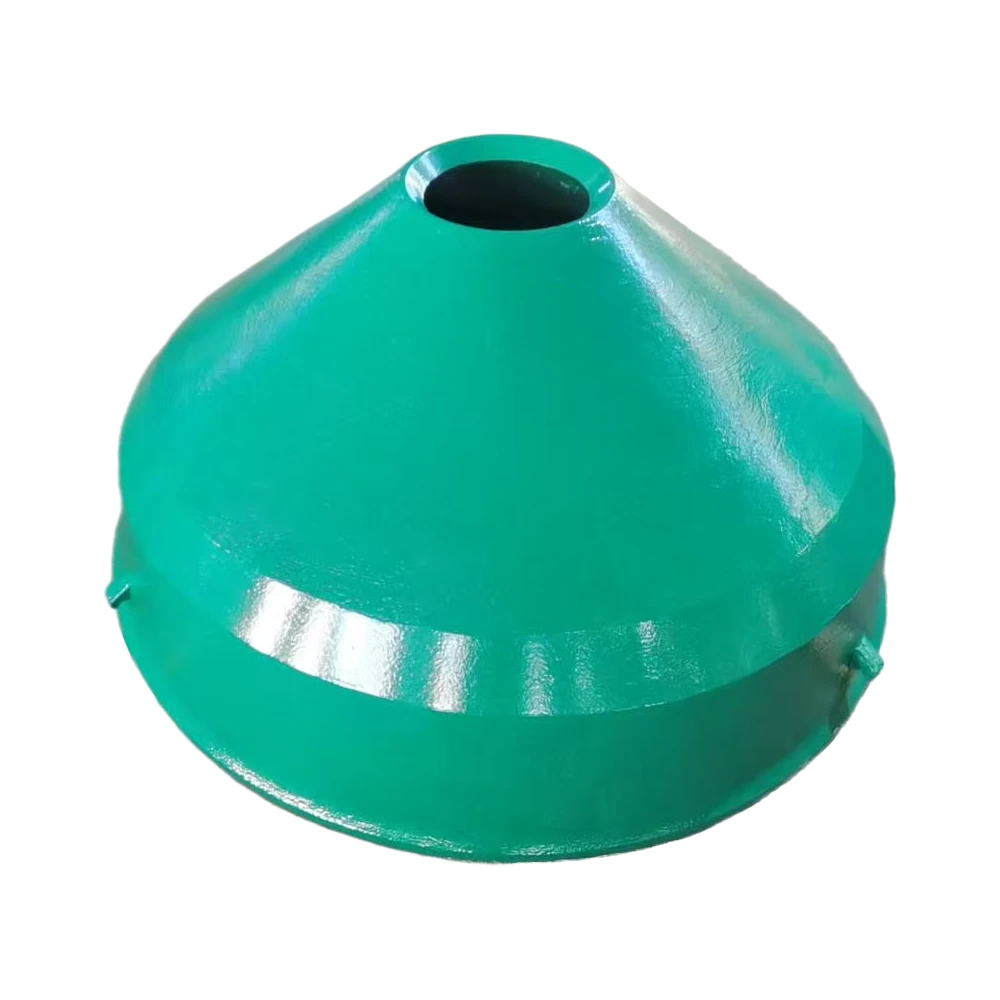
Profiles (standard, super-tooth, corrugated), cheek plate pairing, and alloy splits are where gains hide. One recycling plant switched to bimetal tops with Mn18 backs; wear reports showed ≈37% longer life and smoother nip—operators said “less spitting.” Another basalt site tried Crusher Castings in Mn18 with deeper corrugation; throughput rose ≈6% after choke-feed tuning.
Why these Crusher Castings work
- Matched metallurgy to feed abrasion and impact.
- Consistent heat-treatment curves; fewer soft spots.
- Traceable batches and hardness maps you can audit.
To be honest, specs are great, but field backup matters. Here, the post-install wear check is what keeps maintenance teams coming back.
Standards and test data
Typical results: Mn18 impact toughness >100 J (Charpy, sample-size dependent); Cr26 hardness 60±2 HRC; UT soundness to foundry internal Level II. Conforms to ASTM A128/A128M (Mn), ASTM A532 (Hi-Cr), with quality systems under ISO 9001.
References
- ASTM A128/A128M – Standard Specification for Steel, Austenitic Manganese.
- ASTM A532 – Standard Specification for Abrasion-Resistant Cast Irons.
- ISO 9001 – Quality Management Systems Requirements.
- EN 10083/ISO hardness testing references for cast steels and irons.
-
High Performance oem cast heat resistant steel for Industrial UseNewsApr.16,2026
-
Guide to Selecting High Quality Cast Heat Resistant Steel AlloysNewsApr.09,2026
-
Custom Cast Heat Resistant Steel Solutions for High Temperature ApplicationsNewsApr.07,2026
-
Comprehensive Guide to Wholesale Cast Heat Resistant Steel for Industrial ApplicationsNewsApr.04,2026
-
Comprehensive Guide to High Performance Heat Resistant Metal Product SolutionsNewsMar.31,2026
-
Expert Guidance on Heat Resistant Metal Quotes and Alloy SelectionNewsMar.28,2026