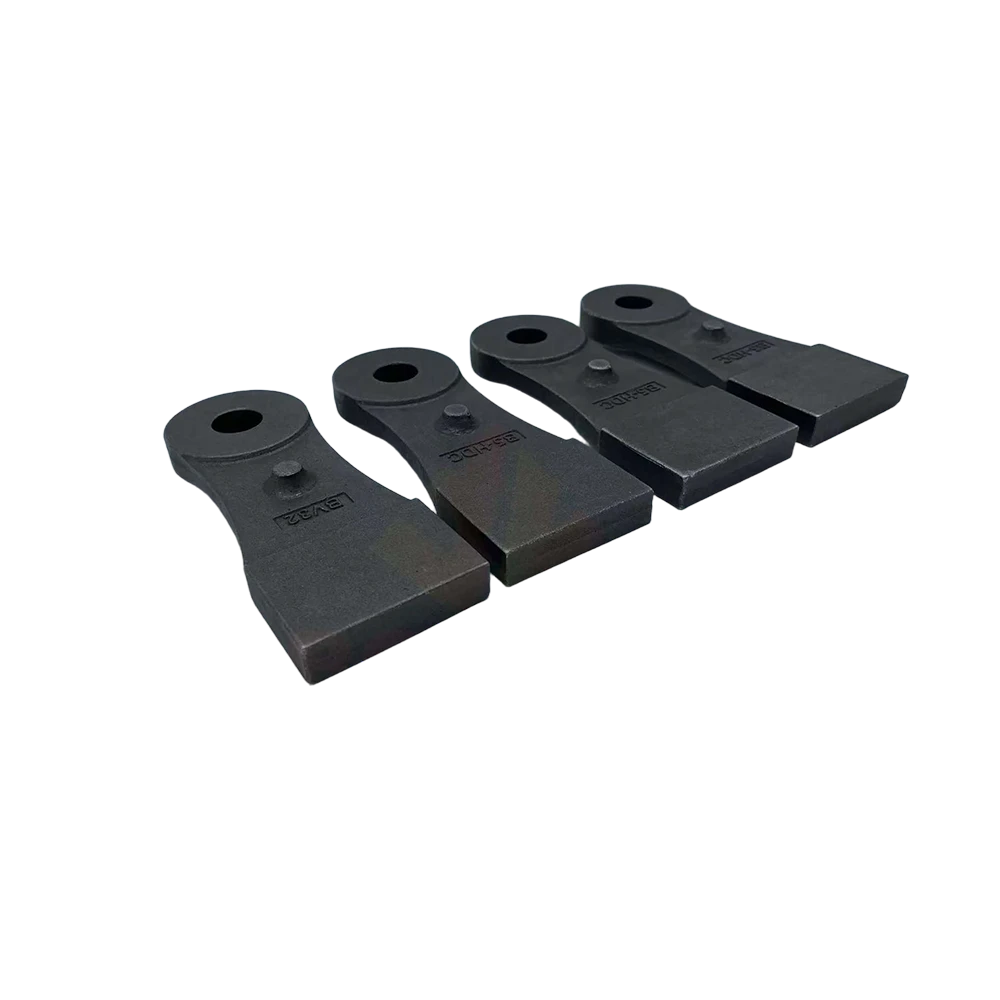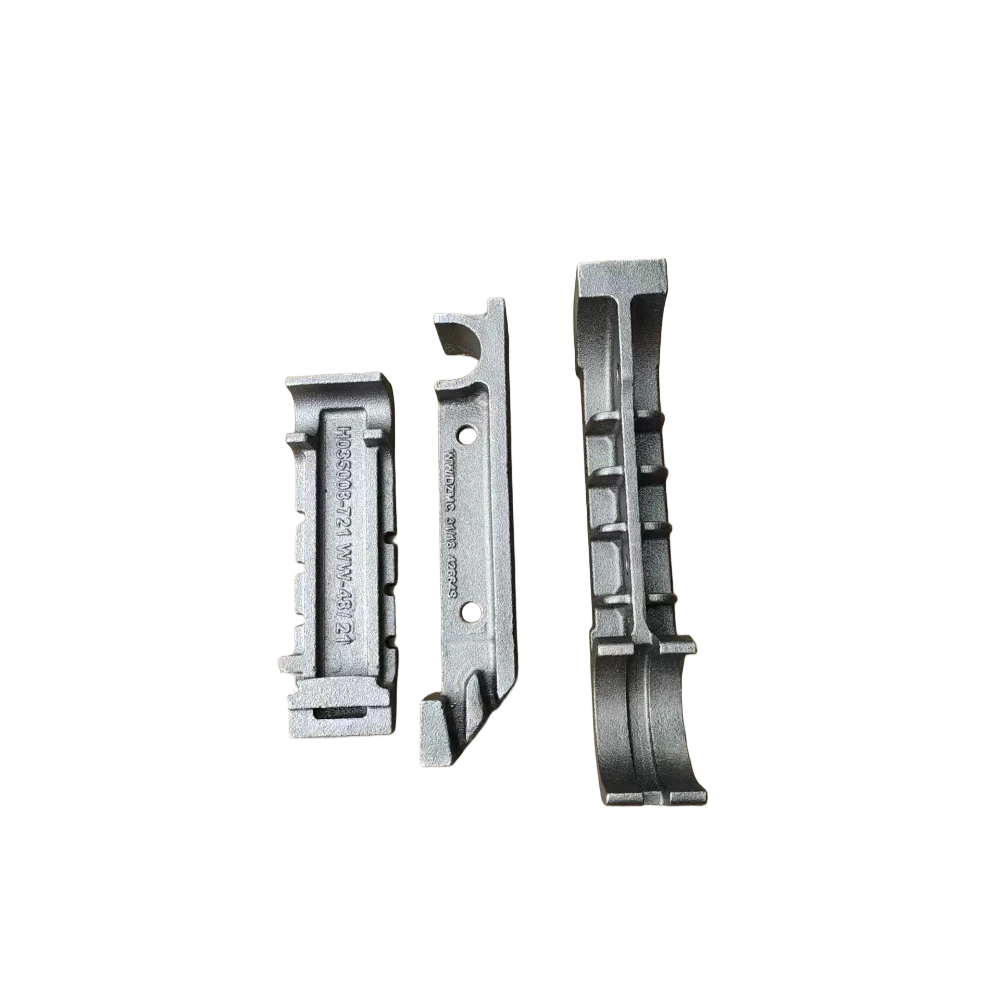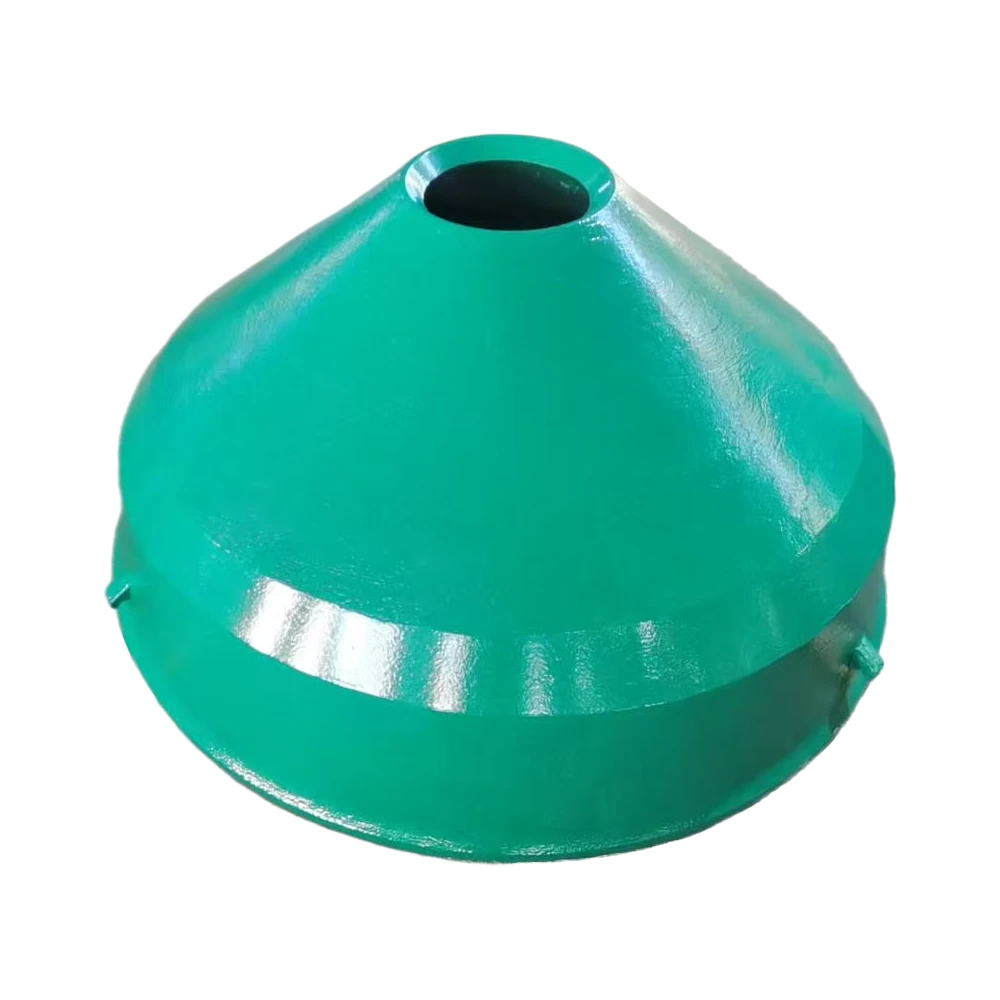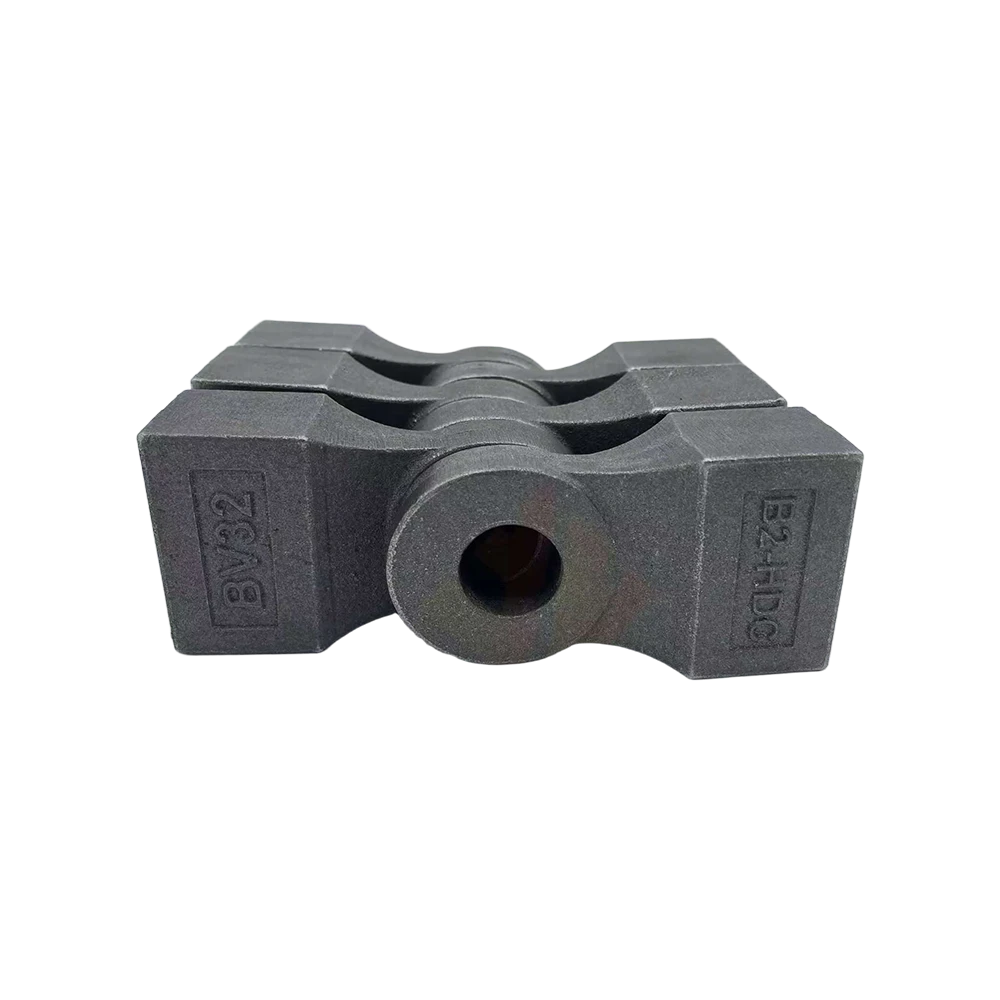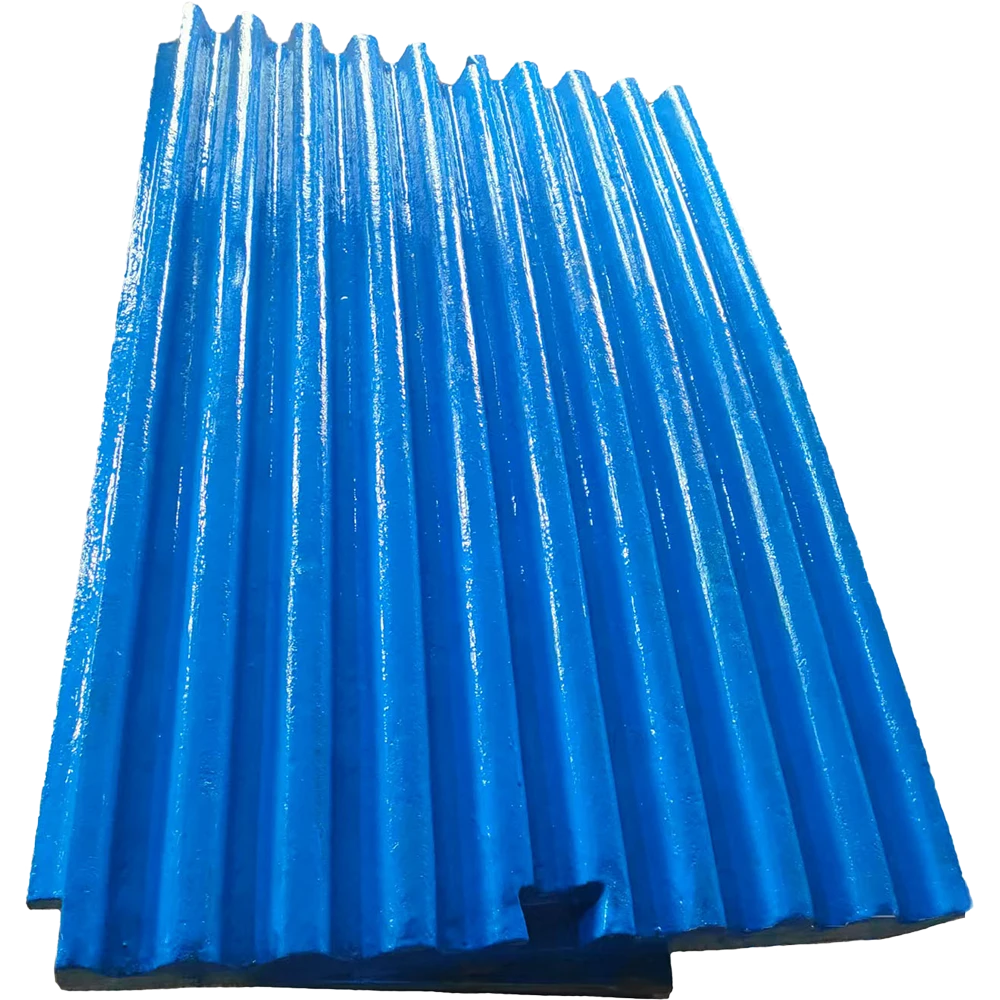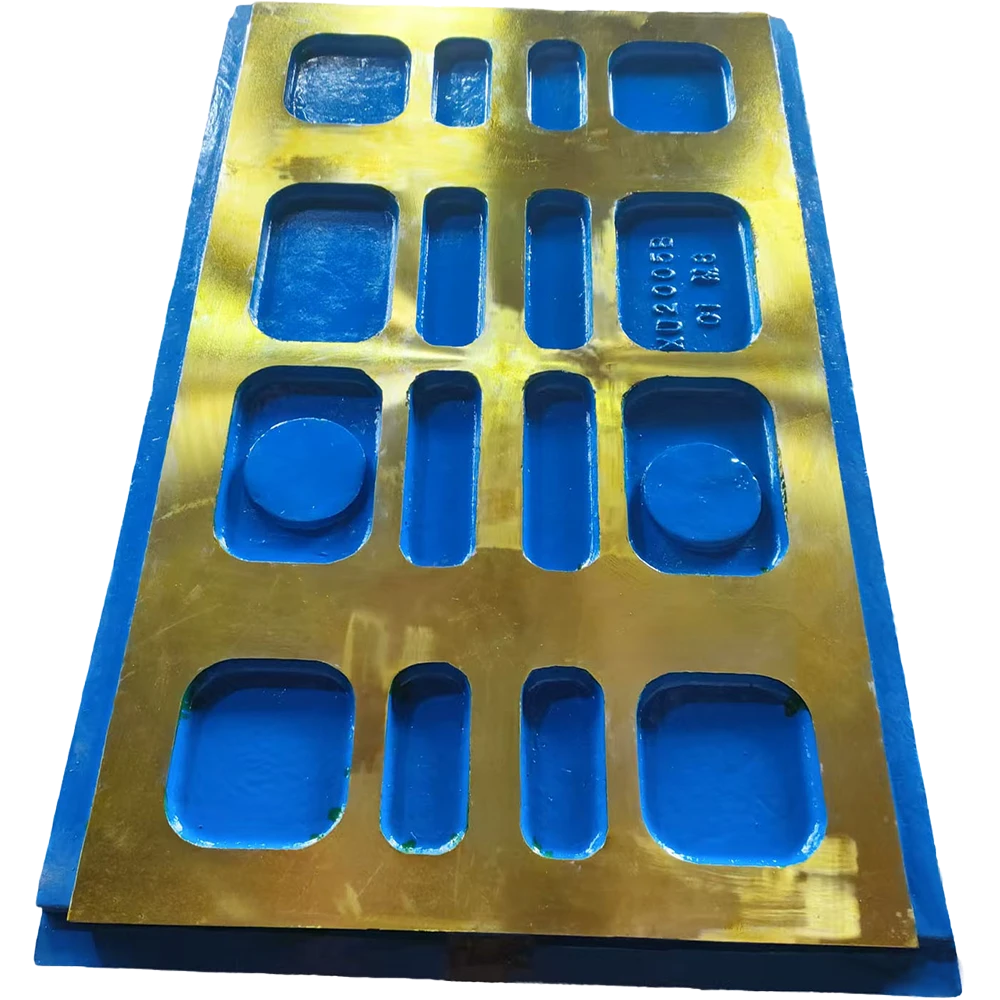
Crusher Liner Plate – Wear-Resistant, OEM Fit, Fast Delivery
Crusher Liner Plate industry playbook: materials, specs, and real-world wins
If you spend any time around quarries or a crushing circuit, you hear the same refrain: uptime is profit. That’s where the humble Crusher Liner Plate quietly runs the show—shielding frames, steering the feed, and nudging efficiency upward. From Hebei’s foundry floor to dusty pit sites, I’ve seen liners make or break production schedules, sometimes in a single shift.
What’s trending right now
- Materials mix: high-manganese (Mn13, Mn18) and high-chromium irons (Cr26, Cr28) still dominate; bimetal composites are gaining traction for tricky feed and impact zones.
- Data-led maintenance: some sites log wear profiles weekly; surprisingly simple logs reduce unplanned stops.
- Sustainability push: longer wear life per kg of alloy and improved heat-treatment energy efficiency are becoming purchasing criteria.
Technical overview and specs
DZMCCasting (Origin: NO.1 INDUSTRIAL AREA OF BEITIAN, BAIXIANG COUNTY, XINGTAI CITY, HEBEI PROVINCE) manufactures Crusher Liner Plate in premium Mn and Cr grades, plus bimetal composites. Here’s a condensed spec snapshot (real-world use may vary):
| Parameter | Typical Option | Notes |
|---|---|---|
| Material grades | Mn13, Mn18; Cr26, Cr28; Bimetal composite | ASTM A128 (Mn) / ASTM A532 (Cr) |
| Hardness | Mn: ≈200–250 HBW (work-hardens to 350–550 HBW); Cr: ≈HRC 58–64 | Work hardening needs impact/pressure |
| Thickness | Around 20–120 mm | Depends on crusher model |
| Dimensional tolerance | ±1.5 mm (typ.) | After machining |
| Wear test (ASTM G65) | Cr26 volume loss ≈60–90 mm³ | Procedure A; indicative |
| Service life | ≈1.3–2.2× baseline | Feed, CSS, and fines content sensitive |
How they’re made (short version)
Material certification check → 3D model and fill/solidification simulation → induction melting and controlled pour → heat treatment (solution/tempering as applicable) → CNC finishing → shot-blast → UT/MT → hardness test → fit-up trial → packing. Tests reference ASTM A609 (UT), ASTM E1444 (MT), and hardness per ISO 6508/6506. ISO 9001 quality system on the paperwork, which matters more than folks think.
Where a Crusher Liner Plate shines
- Jaw crushers: fixed and swing plates for primary circuits in aggregates and mining.
- Cone crushers: mantle/concave sets for hard stone and metallic ores.
- Impact crushers: blow bars and breaker plates—Cr26/Cr28 often preferred.
- Industries: quarrying, cement, iron ore, copper, construction waste recycling.
Vendor snapshot (what buyers compare)
| Vendor | Materials | Customization lead time | QC/Testing | Notes |
|---|---|---|---|---|
| DZMCCasting (Hebei) | Mn13/Mn18, Cr26/Cr28, bimetal | ≈2–4 weeks | UT/MT, spectro, G65 | Good on bespoke geometries |
| Global Brand A | Mn, proprietary composites | ≈3–6 weeks | Full traceability | Strong OEM alignment |
| Regional Foundry B | Mn13/Mn18 | ≈1–3 weeks | Basic hardness/visual | Budget-focused |
Customization tips
Share feed gradation, CSS/throw, target product size, and historical wear maps. Many customers say a minor tweak—like adding a feed lip or switching to Mn18 for impact-heavy zones—pays back in one shutdown. I guess that’s the beauty of a tuned Crusher Liner Plate: small change, big uptime.
Case notes from the field
- Limestone quarry (jaw). Switched from Mn13 to Mn18 on the swing plate; life moved from 190 hours to ≈260 hours (+36%). Same feed, less peening loss.
- Cement plant (impact). Cr26 breaker plate with refined heat treatment cut G65 volume loss by ≈18% versus prior lot; shutdown interval stretched by 2 weeks. Operators noticed steadier amperage draw—always a good sign.
Compliance and proof
Certifications: ISO 9001 quality management; material conformance to ASTM A128/A532. Standard tests include UT/MT, hardness mapping, and wear test correlations. To be honest, paperwork only matters when backed by consistent heats—and that’s where repeat test data counts.
References:
- ASTM A128/A128M – Standard Specification for Steel Castings, Austenitic Manganese.
- ASTM A532/A532M – Standard Specification for Abrasion-Resistant Cast Irons.
- ASTM G65 – Standard Test Method for Measuring Abrasion Using the Dry Sand/Rubber Wheel Apparatus.
- ISO 9001 – Quality Management Systems Requirements.
-
High Performance oem cast heat resistant steel for Industrial UseNewsApr.16,2026
-
Guide to Selecting High Quality Cast Heat Resistant Steel AlloysNewsApr.09,2026
-
Custom Cast Heat Resistant Steel Solutions for High Temperature ApplicationsNewsApr.07,2026
-
Comprehensive Guide to Wholesale Cast Heat Resistant Steel for Industrial ApplicationsNewsApr.04,2026
-
Comprehensive Guide to High Performance Heat Resistant Metal Product SolutionsNewsMar.31,2026
-
Expert Guidance on Heat Resistant Metal Quotes and Alloy SelectionNewsMar.28,2026