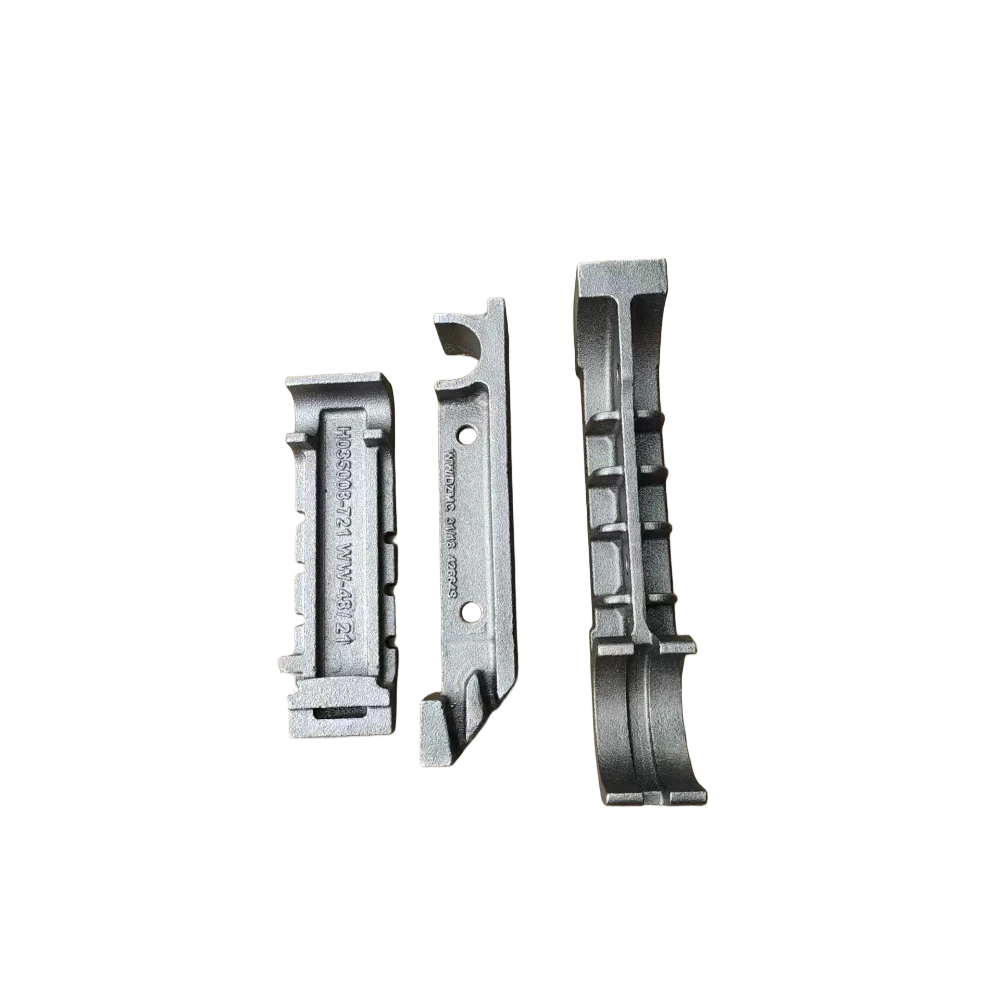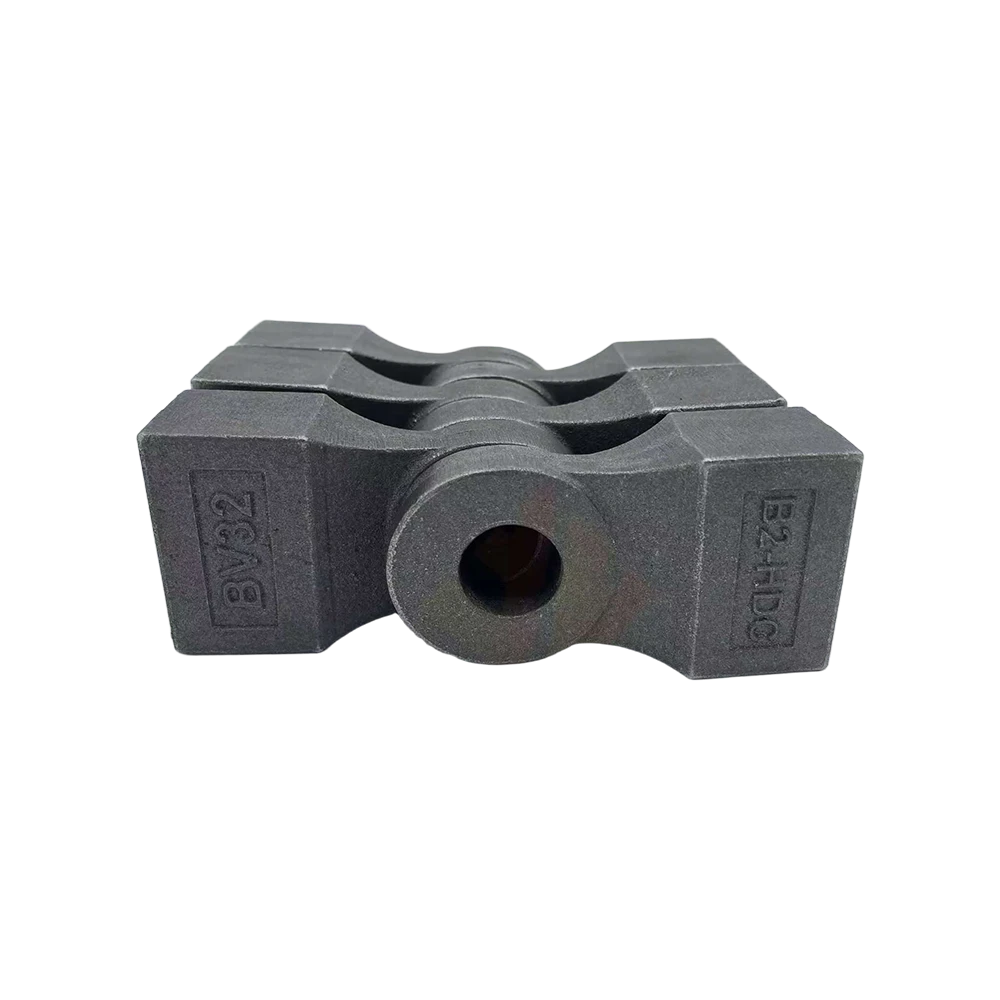
Sintering Machine Parts | Heat-Resistant, Precision OEM
Inside the hot zone: a practical look at sintering grate bars and the parts that outlast the heat
If you manage a sinter strand, you already know the traveling grate is the heartbeat. And the parts that take the brunt are the grate bars. When we talk about Sintering Machine Parts, this is what most maintenance teams point to first. I’ve walked through enough plants to see them glowing dull red during a long campaign—tough job, unforgiving conditions.
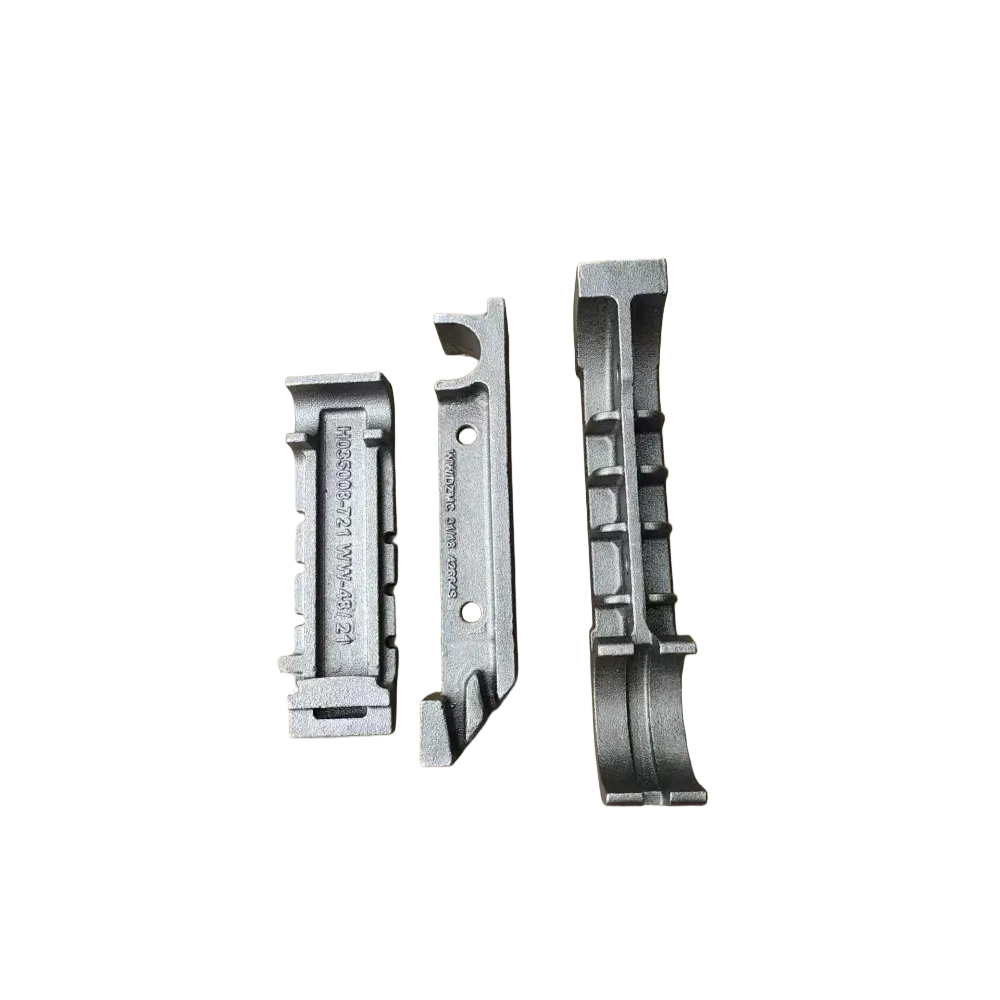
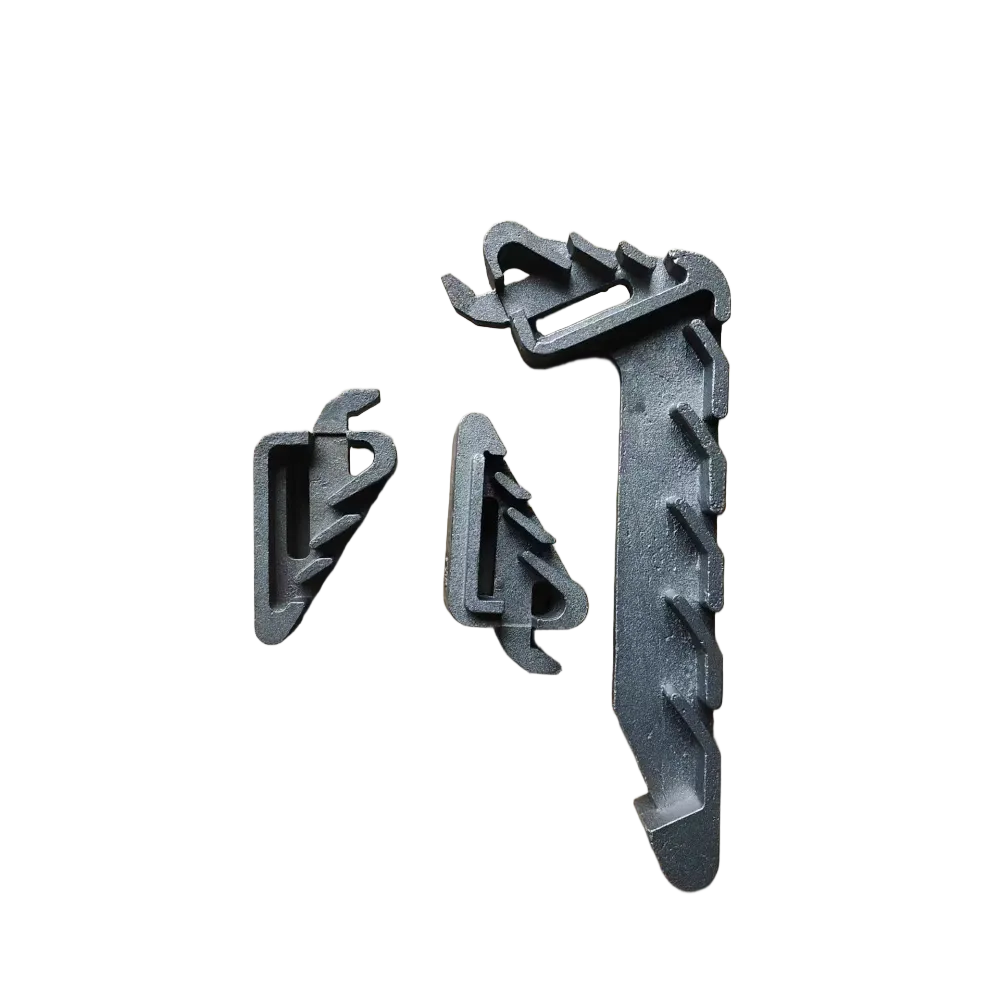
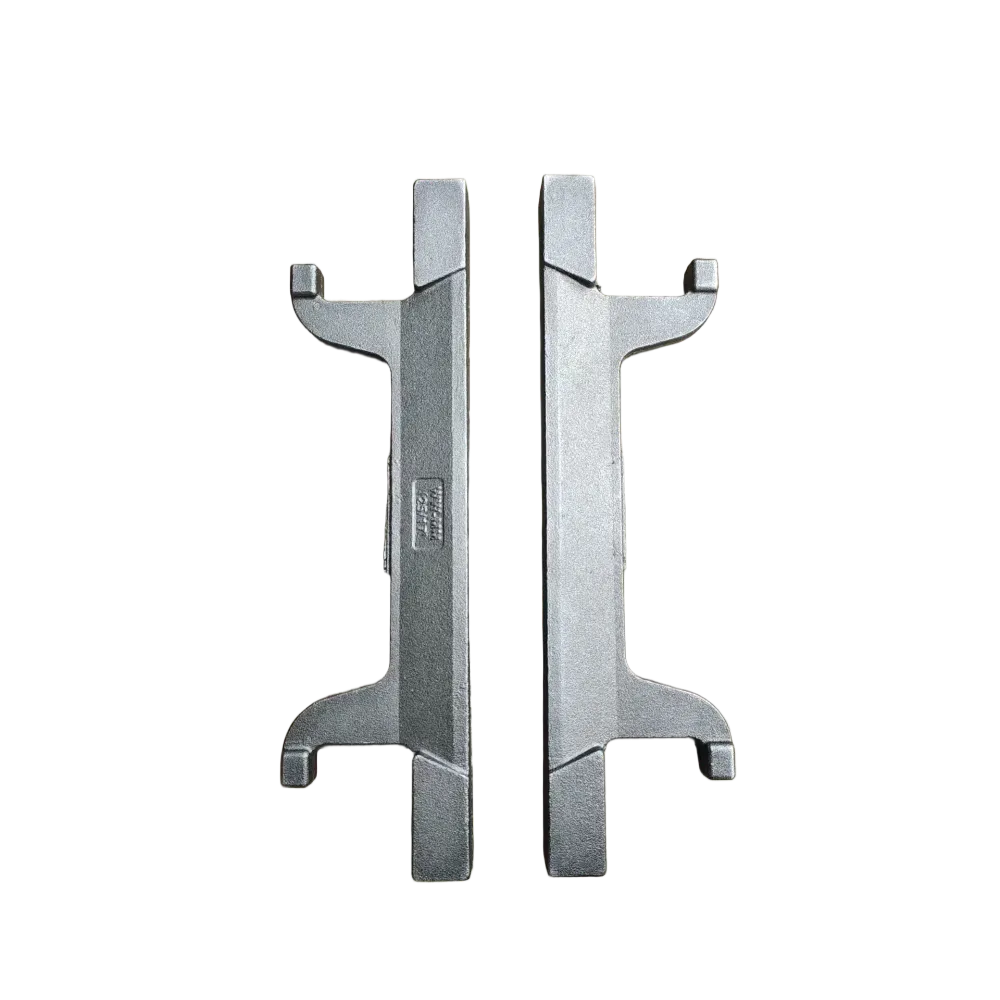
Product spotlight: Sintering Machine Grate Bar (heat- & wear-resistant)
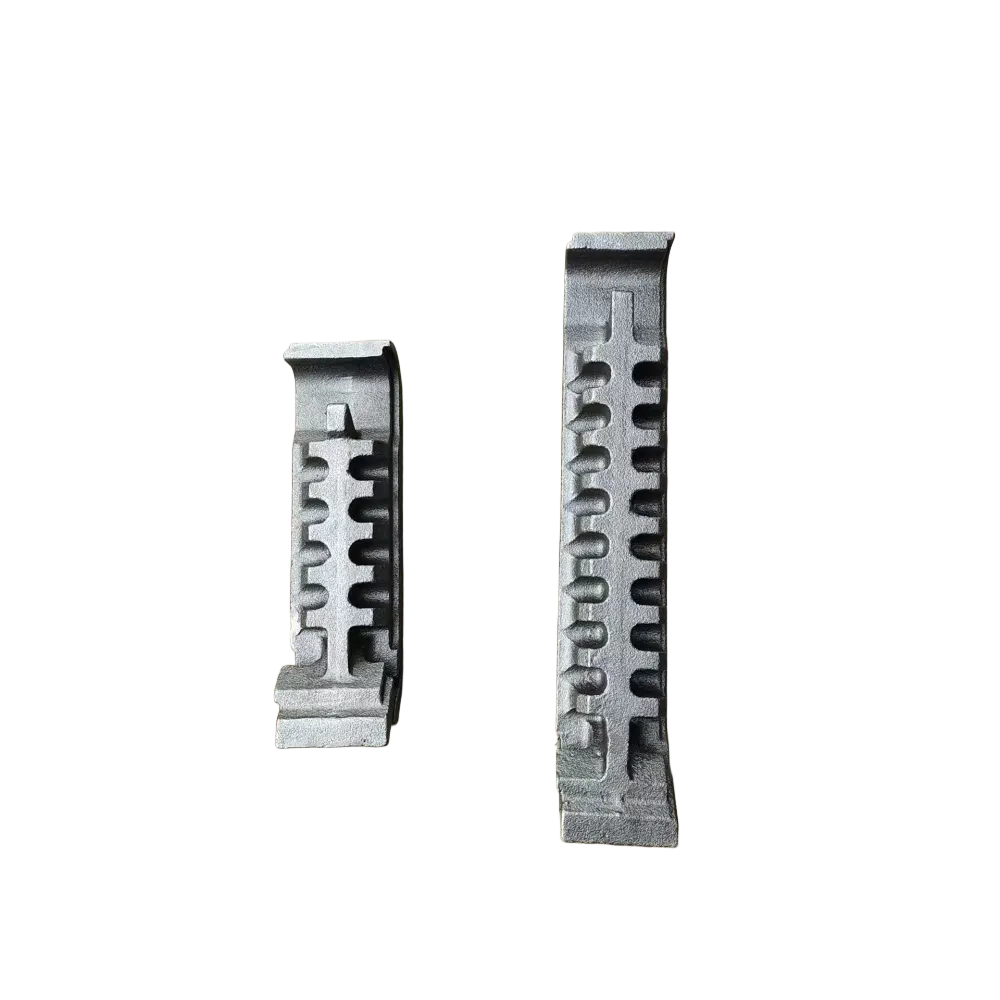
Origin: NO.1 Industrial Area of Beitian, Baixiang County, Xingtai City, Hebei Province. The grate bar forms the supporting surface for the sinter bed, keeps airflow uniform, and—when designed right—evens out thermal distribution. In real plants, that means fewer fines, steadier bed permeability, and less downtime between campaigns.
What’s trending in 2025
- Shift to high-Cr/Ni heat-resistant alloys (ASTM A297 HK/HT families) for longer life at 1,000–1,200°C.
- Resin-sand precision casting with tighter tolerances to curb air leakage and reduce sinter return.
- Proactive NDT + hardness trending; some plants now log HB readings weekly—surprisingly effective.
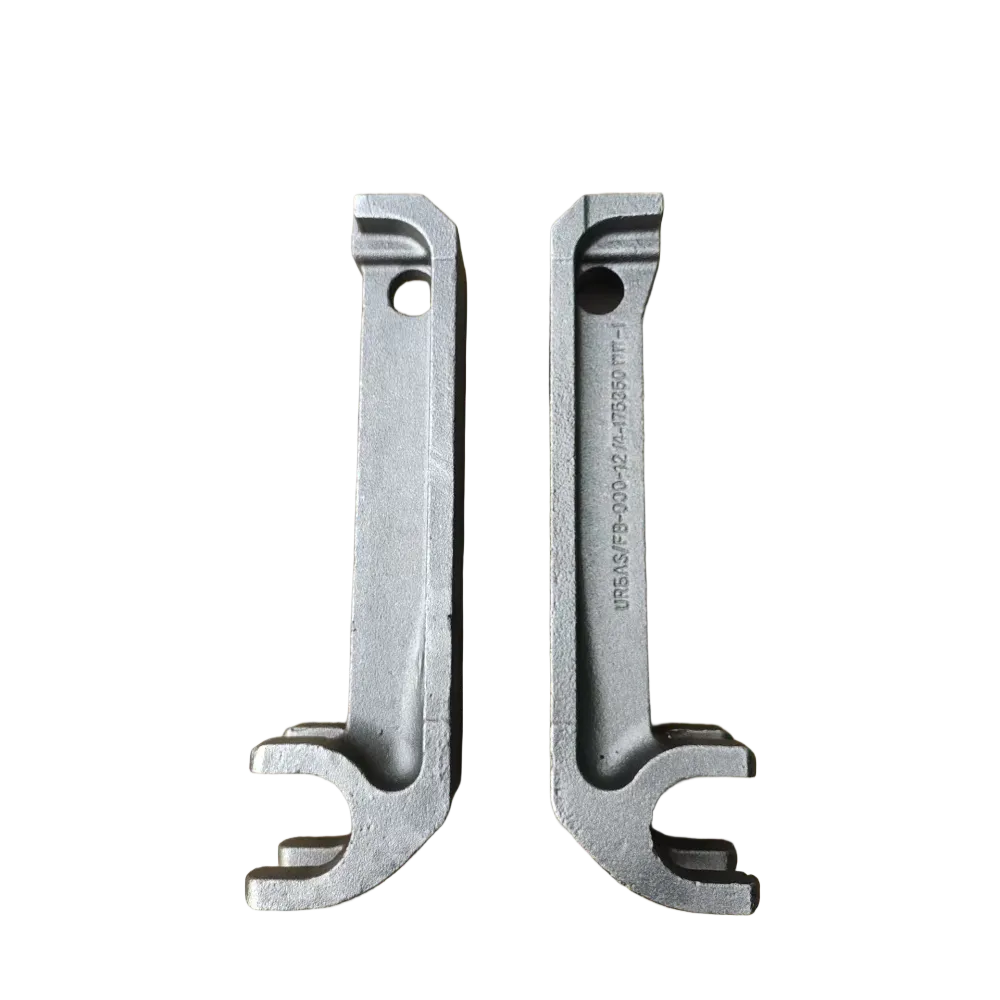
Process flow (how these bars are actually made)
- Materials: heat-resistant cast steel (e.g., ASTM A297 HK40/HT, EN 10295 GX40CrNiSi27-4, 1.4841/1.4848). Optional high-Cr white iron tips for extreme abrasion.
- Molding: resin sand casting; optimized gating to control porosity, with chills near rib roots.
- Heat treatment: solution + stabilization to resist creep and thermal fatigue.
- Finishing: shot-blast, riser removal, CNC critical faces, straightness correction.
- Inspection: chemical analysis (OES), Brinell hardness (ASTM E10), liquid penetrant (ASTM E1417), UT on heavy sections (ASTM A609), dimension per drawing.
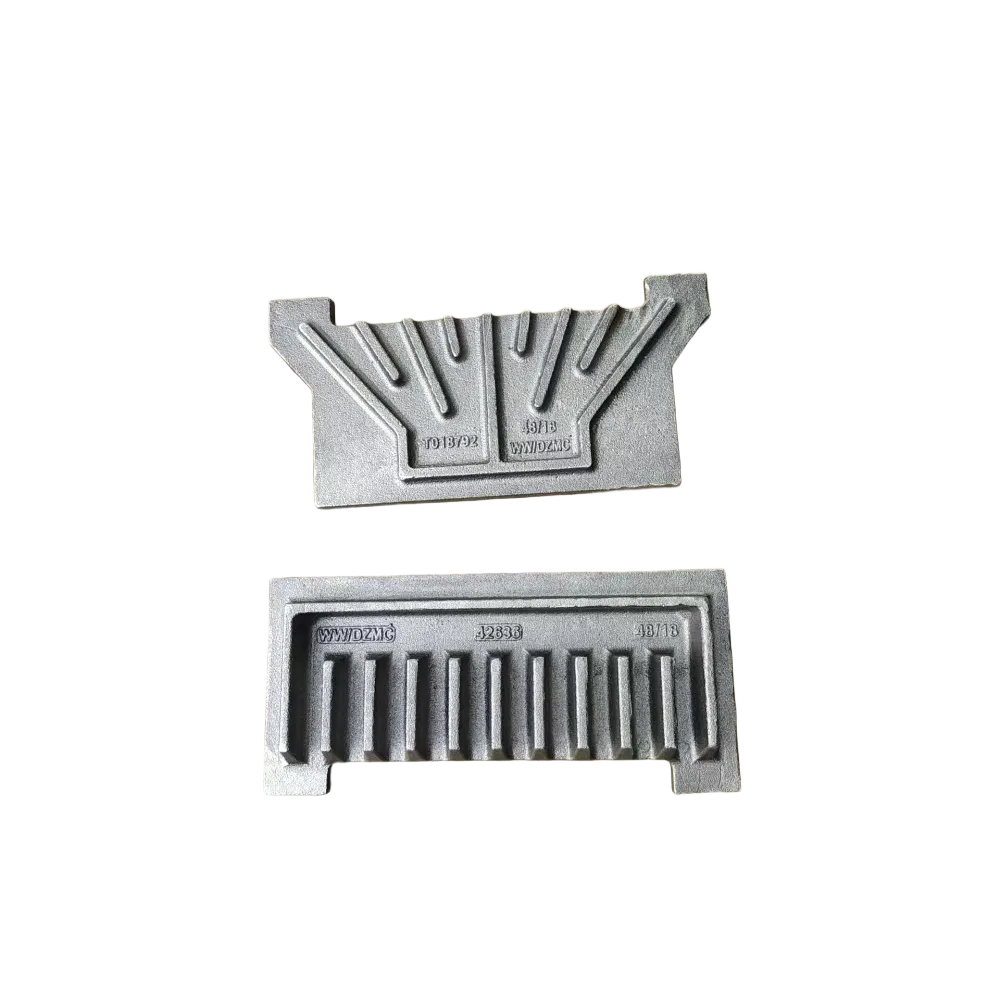
Typical specifications
| Material (common) | ASTM A297 HK40 / HT; EN 10295 1.4841 / 1.4848 |
| Casting process | Resin sand, precision risering; optional lost foam for complex ribs |
| Max operating temp | ≈1,200°C continuous (real-world use may vary by burden chemistry) |
| Hardness | HB 180–240 (base alloy); tip overlays up to HRC 50–58 |
| Straightness | ≤0.3% L (after heat treatment) |
| Surface roughness | Ra 6.3–12.5 μm |
| Service life | 8–24 months depending on strand size, ore, air rate |
| Fitment | Common sinter strands 90–500 m²; custom profiles on request |
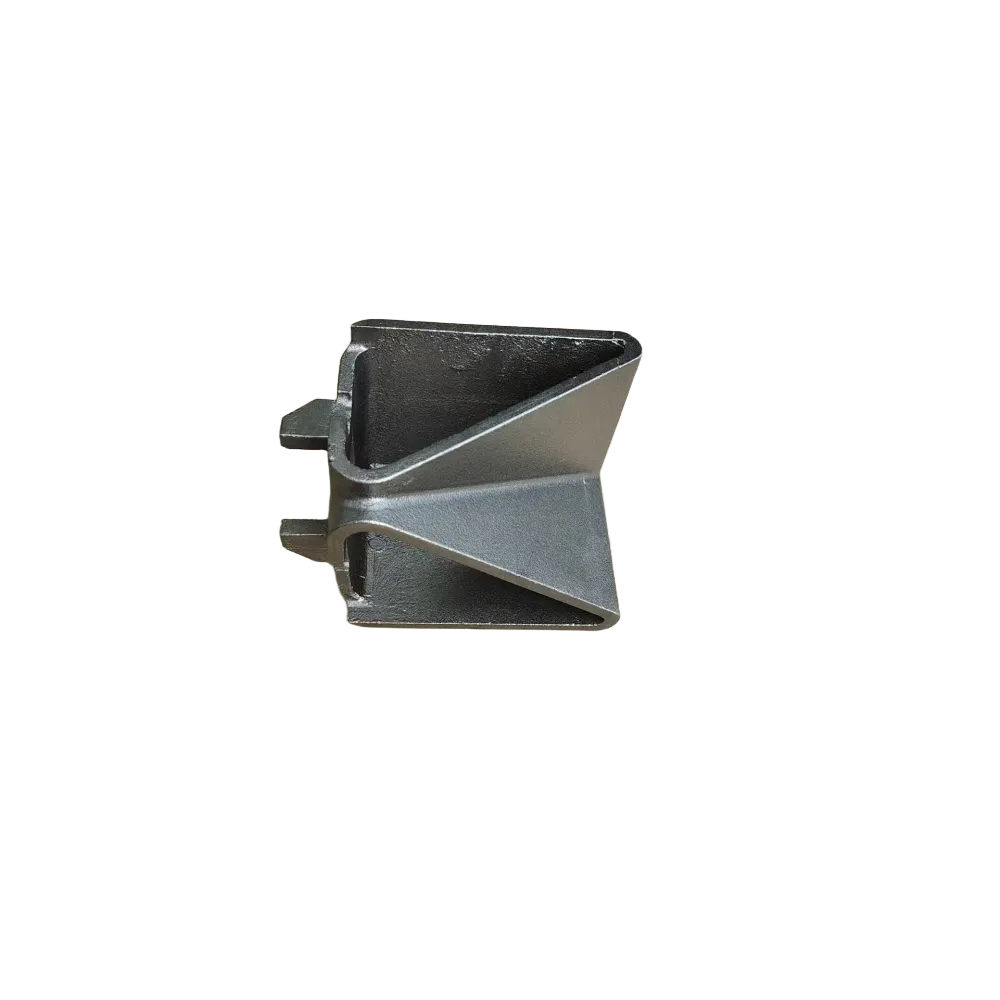
Applications and results
Used in steel, metallurgy, and mining sinter lines (iron ore, sometimes manganese). One Hebei plant (360 m² strand) moved to HK40 bars with reinforced ribs—tumble index improved 0.8 points and return fines dropped ~3% over 6 months. To be honest, that’s better than I expected.
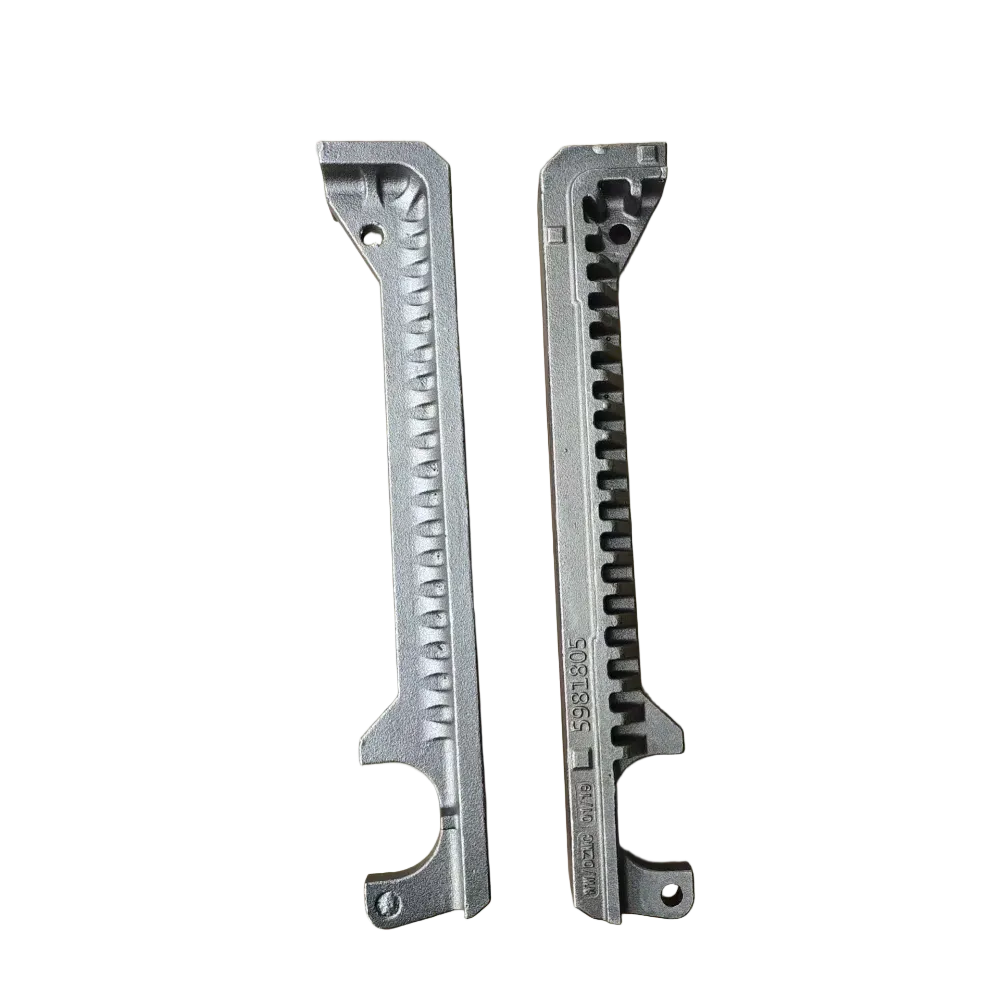
Customer feedback
- “Air leakage at side seals went down after switching to tighter-tolerance bars.”
- “Less warpage after three months—shutdown intervals feel more predictable.”
Vendor comparison (quick view)
| Vendor | Alloy options | Lead time | Certifications | After-sales |
|---|---|---|---|---|
| DZMCCasting (Hebei) | HK40/HT, 1.4841/1.4848; overlay tips | ≈4–8 weeks | ISO 9001; NDT to ASTM E1417/A609 | Fitment audit, trial batch, wear report |
| Vendor A | HT only | 6–10 weeks | ISO 9001 | Basic warranty |
| Vendor B | 1.4841 | ≈8 weeks | — | — |
Customization and testing
Custom rib geometry, slot width, end-lock styles, and anti-slap features can be tailored. Typical QC pack: chemical cert, hardness map, PT/UT records, and dimensional report. Some buyers also ask for sinter test links to TI/RI trends—reasonable, I guess, though the line has many variables beyond the bars.
In short: pick the alloy to match your temperature window and abrasion profile, insist on NDT, and track wear. For critical spares, I still recommend keeping a pallet of Sintering Machine Parts on hand—because when one bar goes, neighbors take the hit.
Authoritative references
- ASTM A297/A297M – Steel Castings, Austenitic, for High-Temperature Service. https://www.astm.org/a0297_a0297m
- ASTM E10 – Brinell Hardness of Metallic Materials. https://www.astm.org/e0010
- ASTM E1417/E1417M – Liquid Penetrant Testing. https://www.astm.org/e1417_e1417m
- ASTM A609/A609M – Ultrasonic Testing of Steel Castings. https://www.astm.org/a0609_a0609m
- ISO 3271 – Iron ores for blast furnace and direct reduction feedstock — Determination of tumble strength. https://www.iso.org/standard/68169.html
-
High Performance oem cast heat resistant steel for Industrial UseNewsApr.16,2026
-
Guide to Selecting High Quality Cast Heat Resistant Steel AlloysNewsApr.09,2026
-
Custom Cast Heat Resistant Steel Solutions for High Temperature ApplicationsNewsApr.07,2026
-
Comprehensive Guide to Wholesale Cast Heat Resistant Steel for Industrial ApplicationsNewsApr.04,2026
-
Comprehensive Guide to High Performance Heat Resistant Metal Product SolutionsNewsMar.31,2026
-
Expert Guidance on Heat Resistant Metal Quotes and Alloy SelectionNewsMar.28,2026