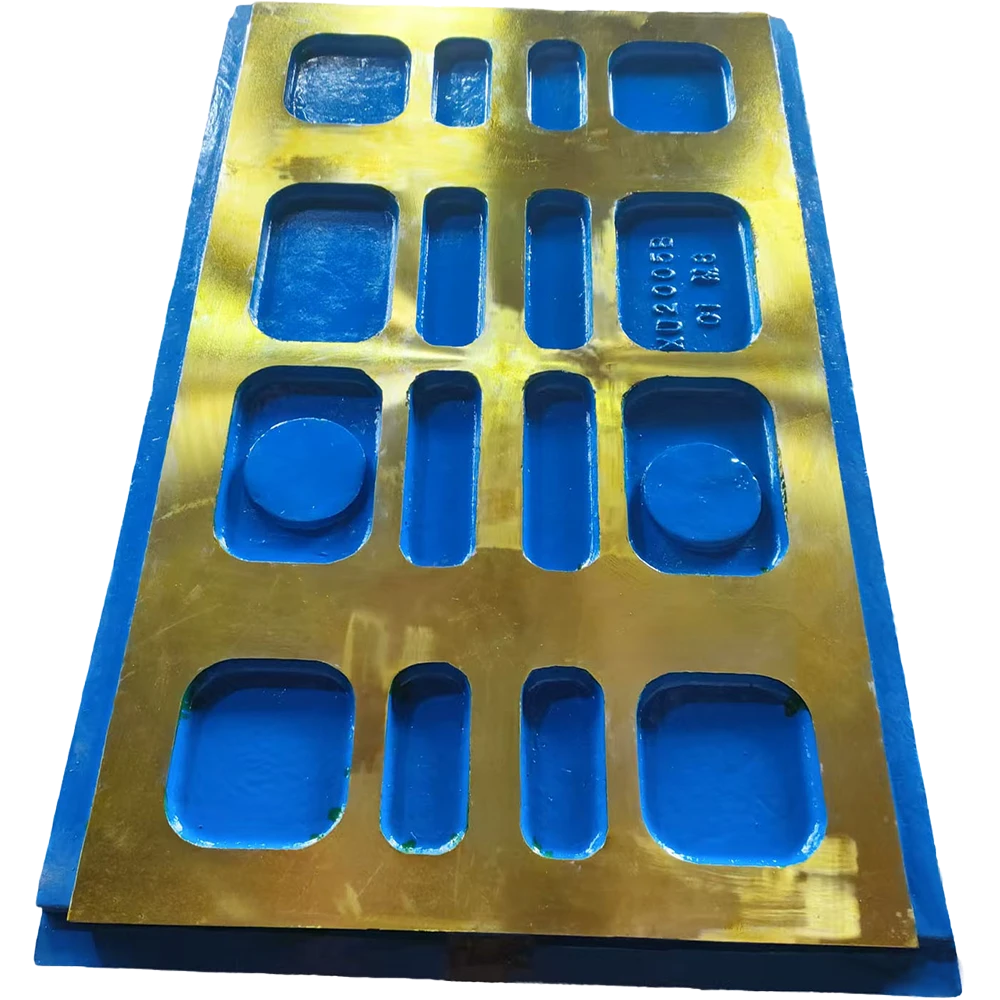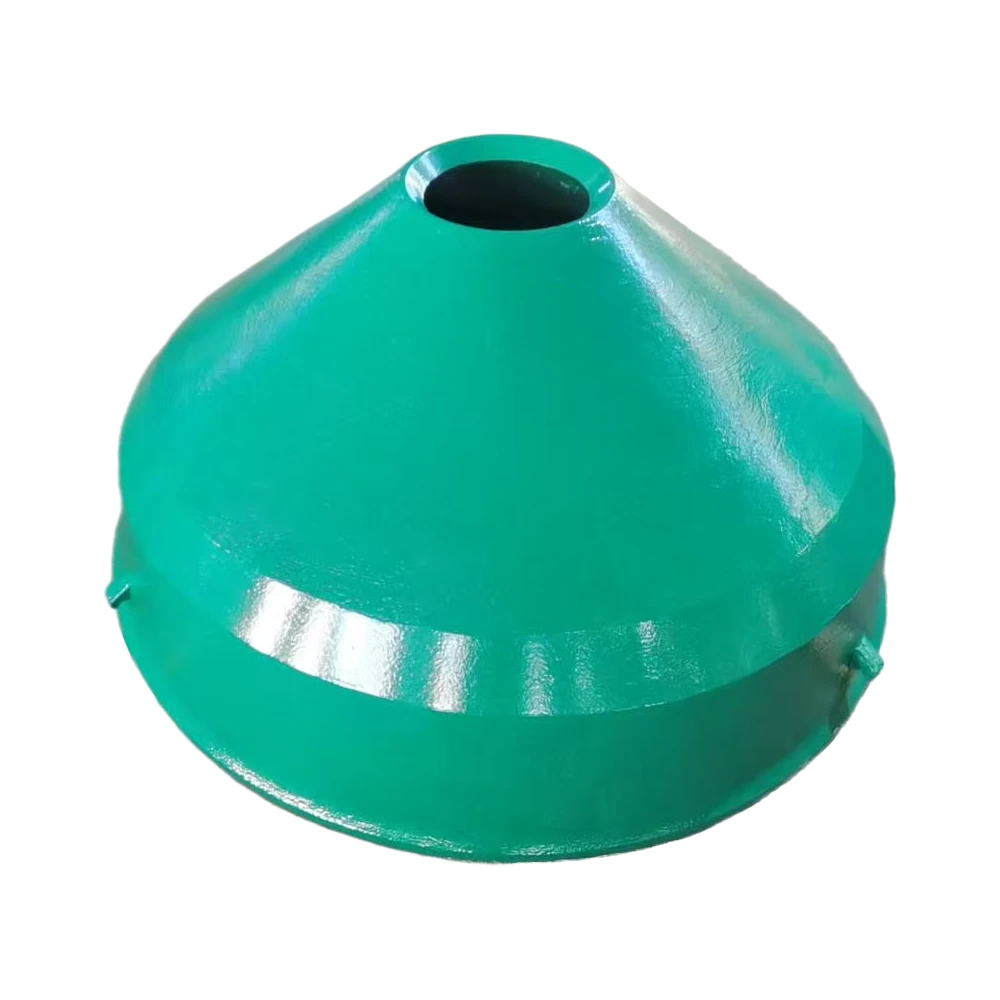
The Critical Role of Jaw Crusher Plates in Crushing Operations
Jaw crushers are among the most essential pieces of equipment in mining, quarrying, and recycling operations. At the heart of their functionality are the jaw crusher plates—the components that directly interact with raw materials to break them down into smaller, manageable sizes. These plates are not merely wear parts; they are fundamental to the crusher's performance, efficiency, and longevity. Understanding their role, material composition, and maintenance requirements is key to optimizing crushing operations.
The Function and Importance of Jaw Crusher Plates
Jaw crusher plates, also known as jaw dies or liners, are the replaceable surfaces attached to the fixed and movable jaws of a jaw crusher. Their primary function is to exert compressive force on the raw material, fracturing it into smaller pieces. The design and quality of these plates directly influence the crusher's ability to process different types of materials, from soft limestone to hard granite or abrasive recycled concrete.
The efficiency of a jaw crusher depends significantly on the condition of its plates. Worn or improperly designed plates can lead to reduced throughput, increased energy consumption, and uneven particle size distribution. In contrast, well-maintained plates ensure consistent performance, lower operational costs, and extended crusher life. The choice of plate material and profile must align with the specific application to maximize productivity.
Material Selection for Jaw Crusher Plates
The composition of jaw crusher plates is critical to their performance. Different materials offer varying degrees of hardness, toughness, and resistance to abrasion or impact. The most common materials include:
Manganese Steel: Known for its exceptional work-hardening properties, manganese steel becomes harder as it is subjected to impact and pressure. This makes it ideal for crushing hard and abrasive materials.
High-Chromium Iron: These plates offer superior wear resistance and are often used in applications involving highly abrasive materials.
Alloy Steel: Some plates combine various alloys to balance hardness and toughness, providing a longer service life in moderately abrasive conditions.
The selection of the right material depends on the type of material being crushed, the required output size, and the expected wear rate. For instance, manganese steel plates are preferred in high-impact crushing, while high-chromium plates may be better suited for prolonged abrasive wear scenarios.
Jaw Crusher Plates's Design and Tooth Profile Considerations
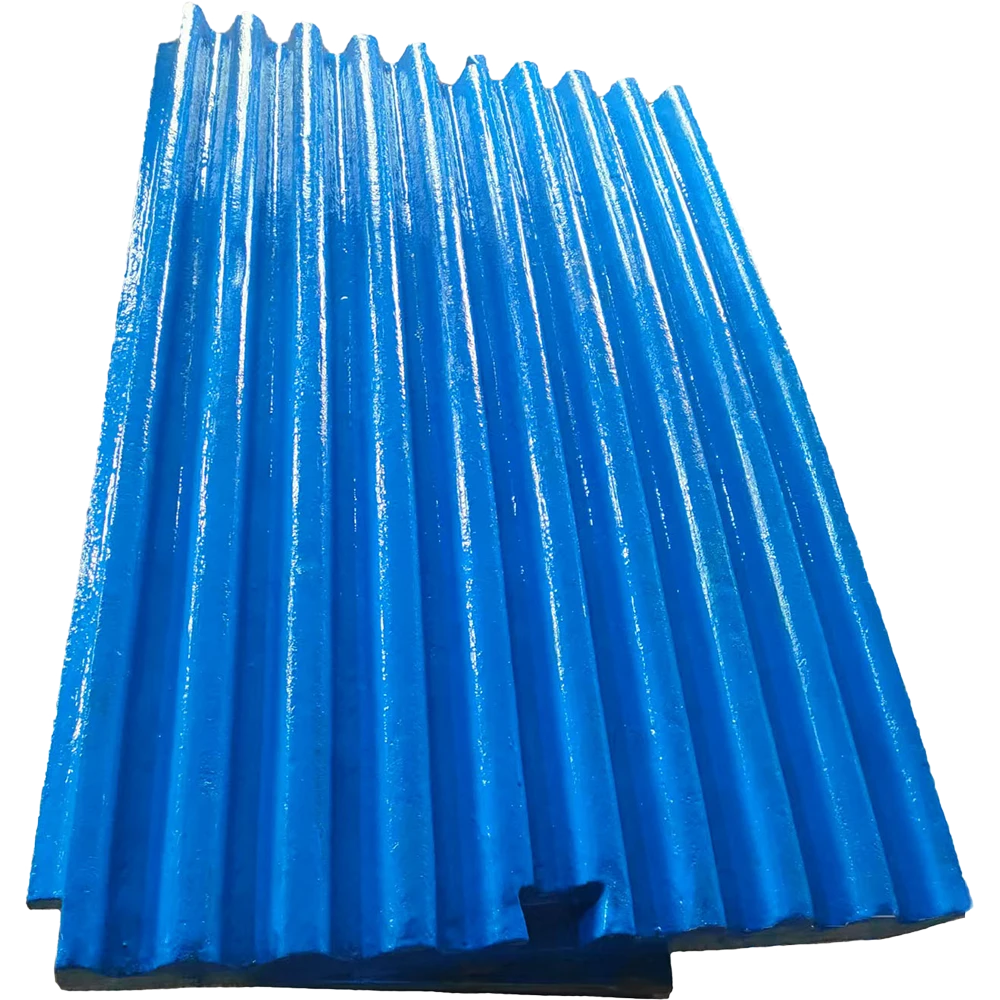
Beyond material composition, the design of jaw crusher plates plays a crucial role in crushing efficiency. The tooth profile—whether flat, corrugated, or with sharp peaks—affects how effectively the crusher grips and fractures the material.
Flat Plates: Best suited for fine crushing or when processing softer materials, as they provide a more uniform particle size.
Corrugated Plates: Feature wave-like patterns that enhance grip and are effective for medium-hard materials.
Sharp-Toothed Plates: Designed for maximum bite and are ideal for crushing hard, large, or irregularly shaped feed material.
The choice of profile impacts not only crushing efficiency but also power consumption and wear distribution. A mismatched profile can lead to premature wear in certain areas of the plate, reducing its lifespan and increasing replacement frequency.
Jaw Crusher Plates: Maintenance and Replacement Strategies
Proper maintenance of jaw crusher plates is essential to sustaining optimal crusher performance. Regular inspections help detect early signs of wear, such as excessive thinning, cracks, or uneven wear patterns. Operators should monitor the following:
Wear Patterns: Uneven wear may indicate improper alignment, incorrect feed distribution, or material buildup in the crushing chamber.
Plate Movement: Loose or improperly secured plates can lead to vibration, noise, and reduced crushing efficiency.
Material Buildup: Accumulation of fines or sticky materials can reduce plate effectiveness and should be cleared periodically.
When replacement becomes necessary, it is advisable to change both the fixed and movable plates simultaneously to maintain balance in the crushing chamber. Rotating or flipping plates (if designed for it) can also extend their usable life by distributing wear more evenly.
The Impact of Jaw Plates on Overall Crushing Efficiency
The condition of jaw crusher plates affects not only the crusher itself but also downstream processes. Worn plates produce inconsistent particle sizes, which can strain screening equipment and reduce the quality of the final product. Additionally, inefficient crushing increases energy consumption and operational costs.
Investing in high-quality plates tailored to the specific application ensures smoother operations, reduced downtime, and better overall profitability. Advanced plate designs, such as those with reinforced edges or specialized alloys, can further enhance performance in demanding environments.
Jaw crusher plates are far more than simple wear parts—they are integral to the crushing process. Their material, design, and maintenance directly influence productivity, efficiency, and cost-effectiveness in mining, quarrying, and recycling operations. By selecting the right plates, monitoring their condition, and implementing proactive maintenance strategies, operators can maximize crusher performance and extend equipment life.
Understanding the nuances of jaw crusher plates allows for smarter decisions in both procurement and operation, ultimately leading to more sustainable and profitable crushing operations. Whether processing soft aggregates or tough ores, the right plates make all the difference in achieving optimal results.
-
High Performance oem cast heat resistant steel for Industrial UseNewsApr.16,2026
-
Guide to Selecting High Quality Cast Heat Resistant Steel AlloysNewsApr.09,2026
-
Custom Cast Heat Resistant Steel Solutions for High Temperature ApplicationsNewsApr.07,2026
-
Comprehensive Guide to Wholesale Cast Heat Resistant Steel for Industrial ApplicationsNewsApr.04,2026
-
Comprehensive Guide to High Performance Heat Resistant Metal Product SolutionsNewsMar.31,2026
-
Expert Guidance on Heat Resistant Metal Quotes and Alloy SelectionNewsMar.28,2026