Comprehensive Guide to Impact Crusher Wear Parts: Durability, Applications, and Innovations
Understanding Impact Crusher Wear Parts: The Unsung Heroes of Crushing Efficiency
Imagine a crusher pounding relentlessly to break rocks into smaller, manageable sizes. The parts of the machine that actually take the brunt of this action? Those are the impact crusher wear parts. Oddly enough, while the big machines get all the spotlight, it’s these wear parts that determine productivity, costs, and downtime. Globally, the mining, construction, and recycling industries rely on durable wear parts to keep their operations smooth and sustainable. Grasping what makes these parts tick — from material composition to design — is essential for anyone interested in modern industrial efficiency or sustainability.
Introduction: Global and Industry Context
The mining and aggregate sector alone represent a multi-billion-dollar global industry, with a 2023 report by the International Organization for Standardization (ISO) estimating that over 15 billion tons of crushed stone and minerals are produced annually worldwide. ISO standards emphasize the importance of equipment reliability, where impact crusher wear parts play a pivotal role in minimizing operational disruptions. Yet, many plants still face challenges—unexpected wear leads to costly downtime, increased replacement frequency, and inconsistent product quality. For industries like mineral processing or construction debris recycling, where efficiency and sustainability gain new focus, understanding wear parts means better resource management and improved environmental footprint.
What Are Impact Crusher Wear Parts?
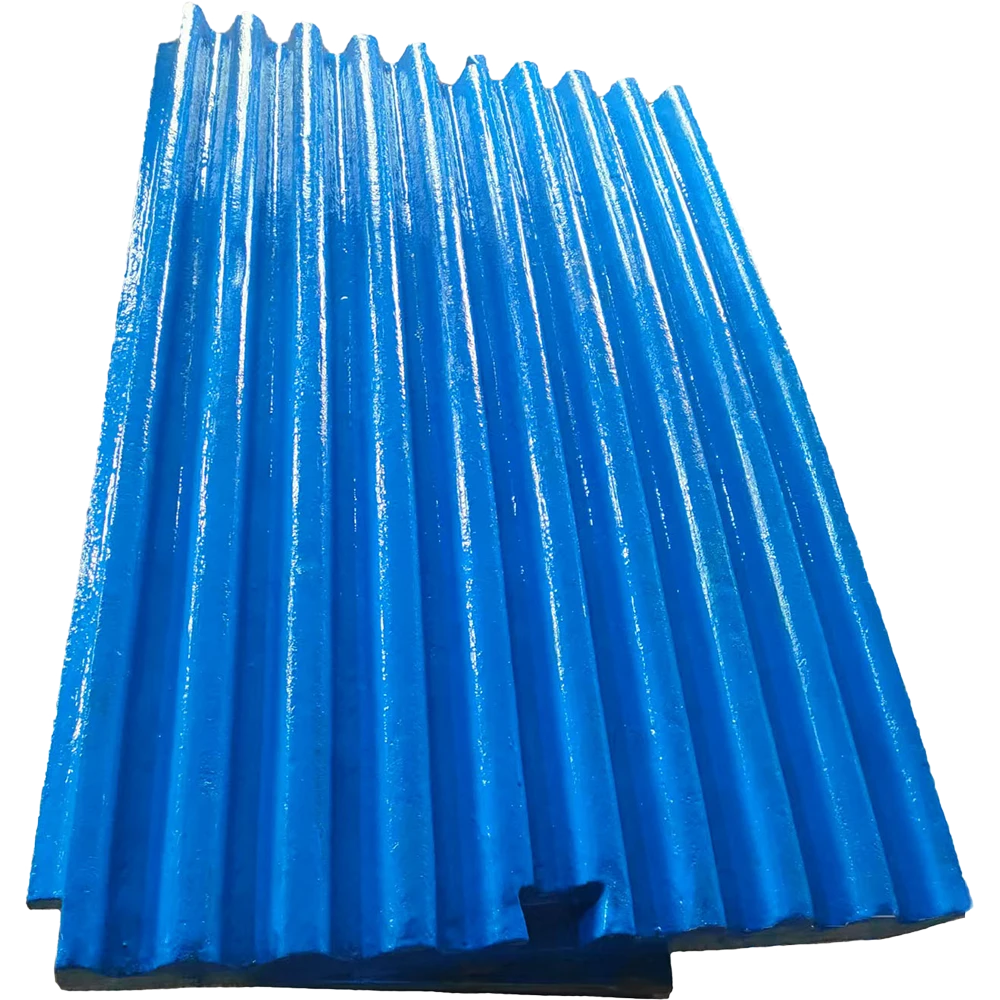
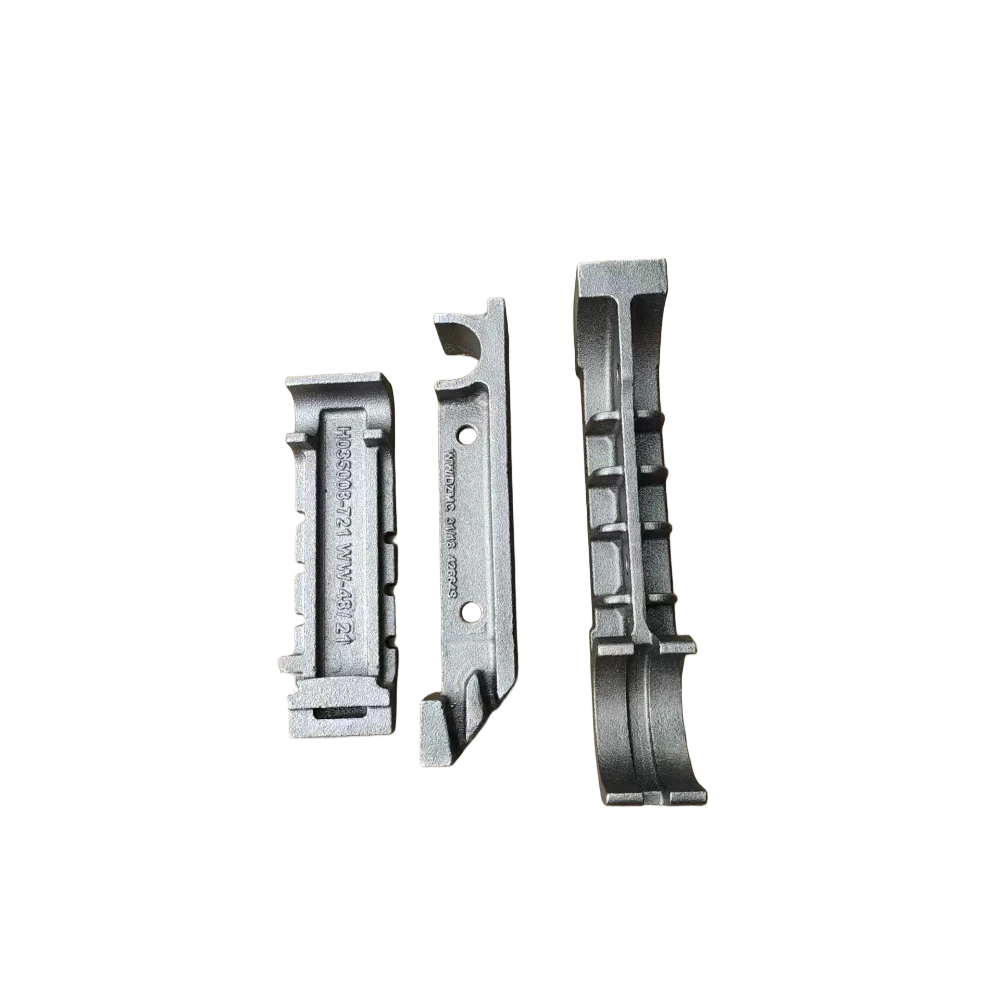
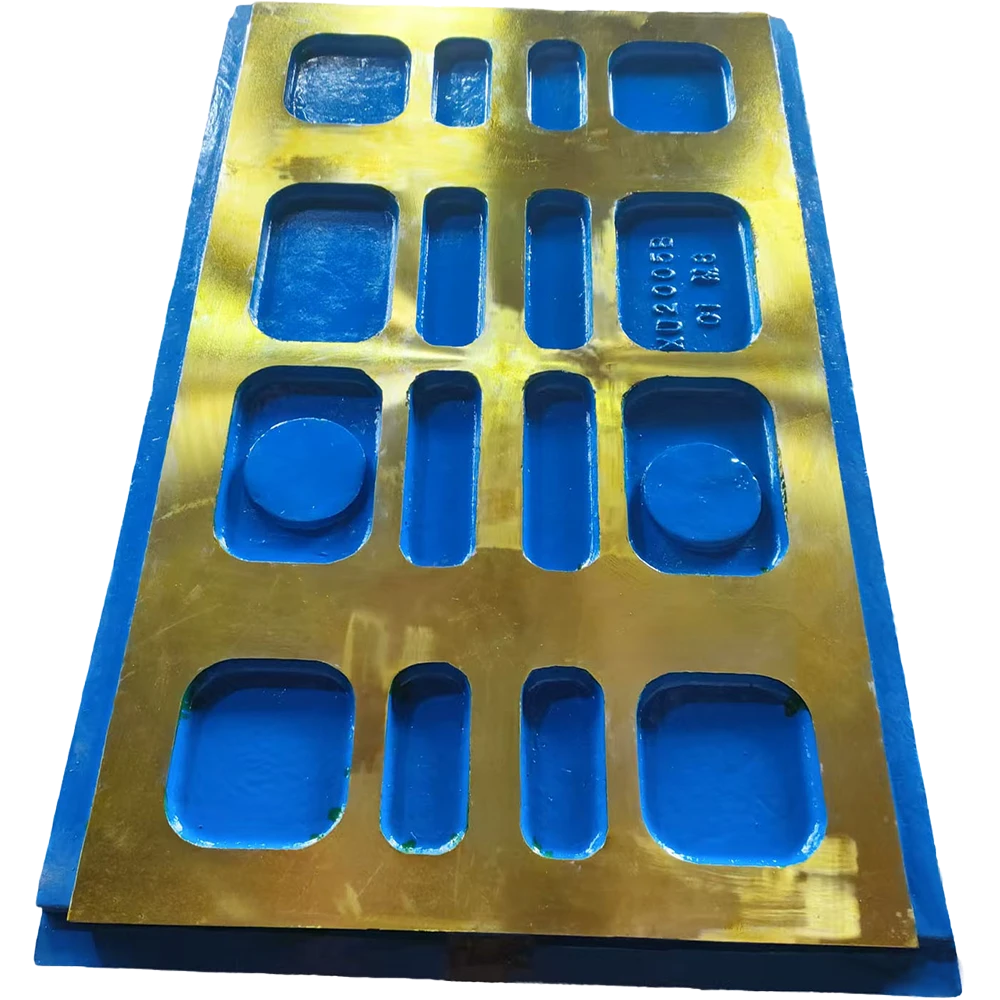
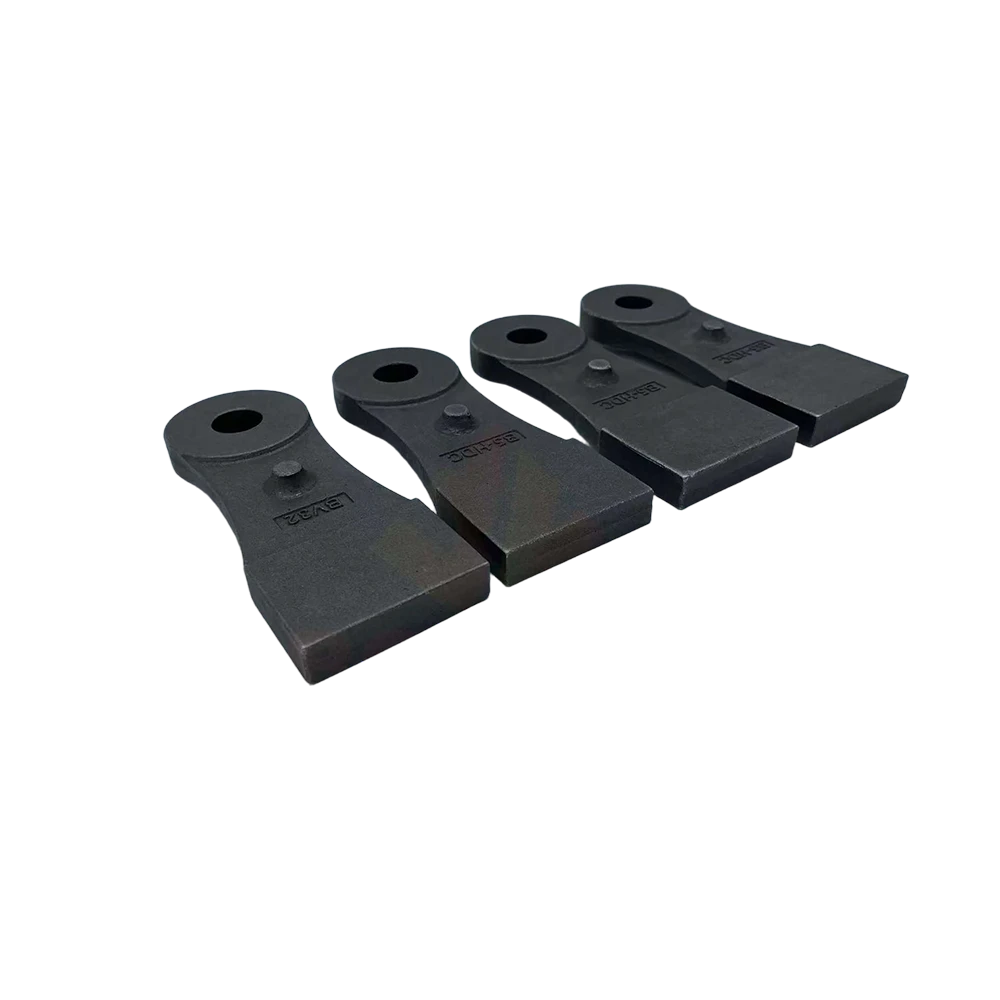
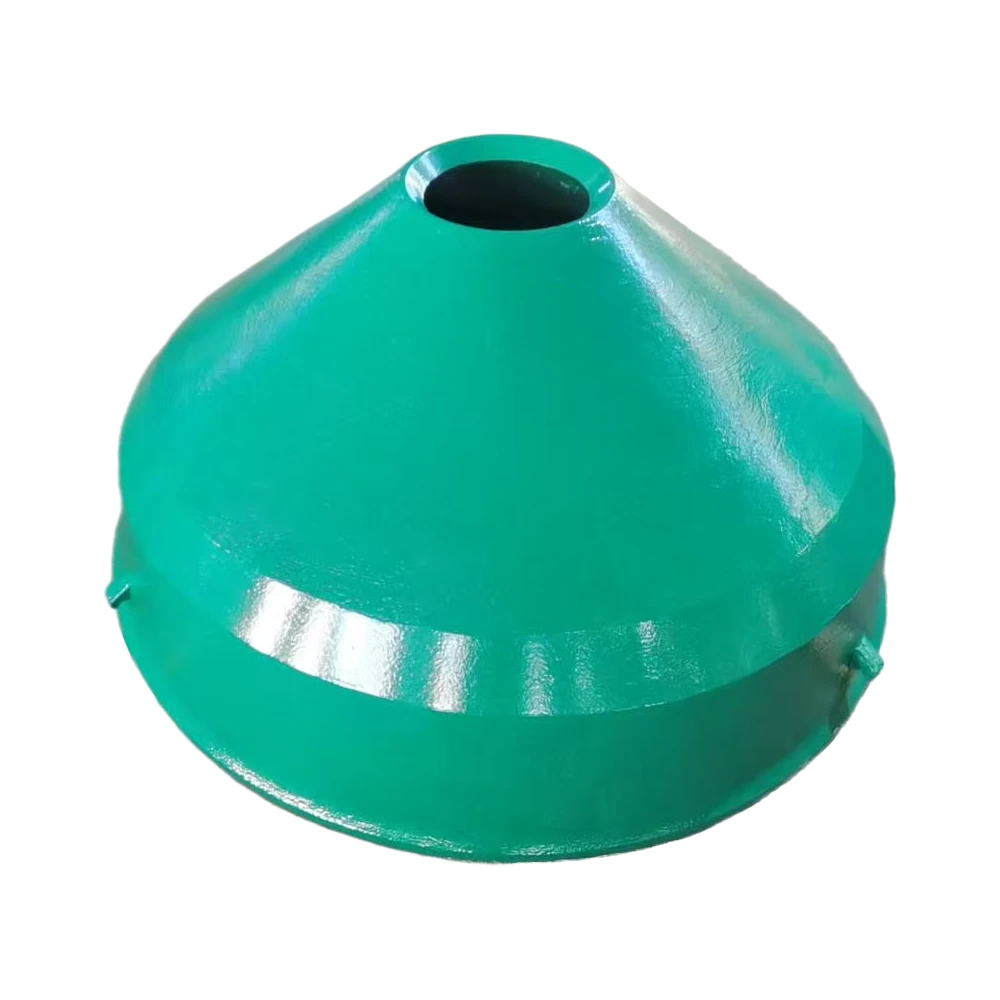
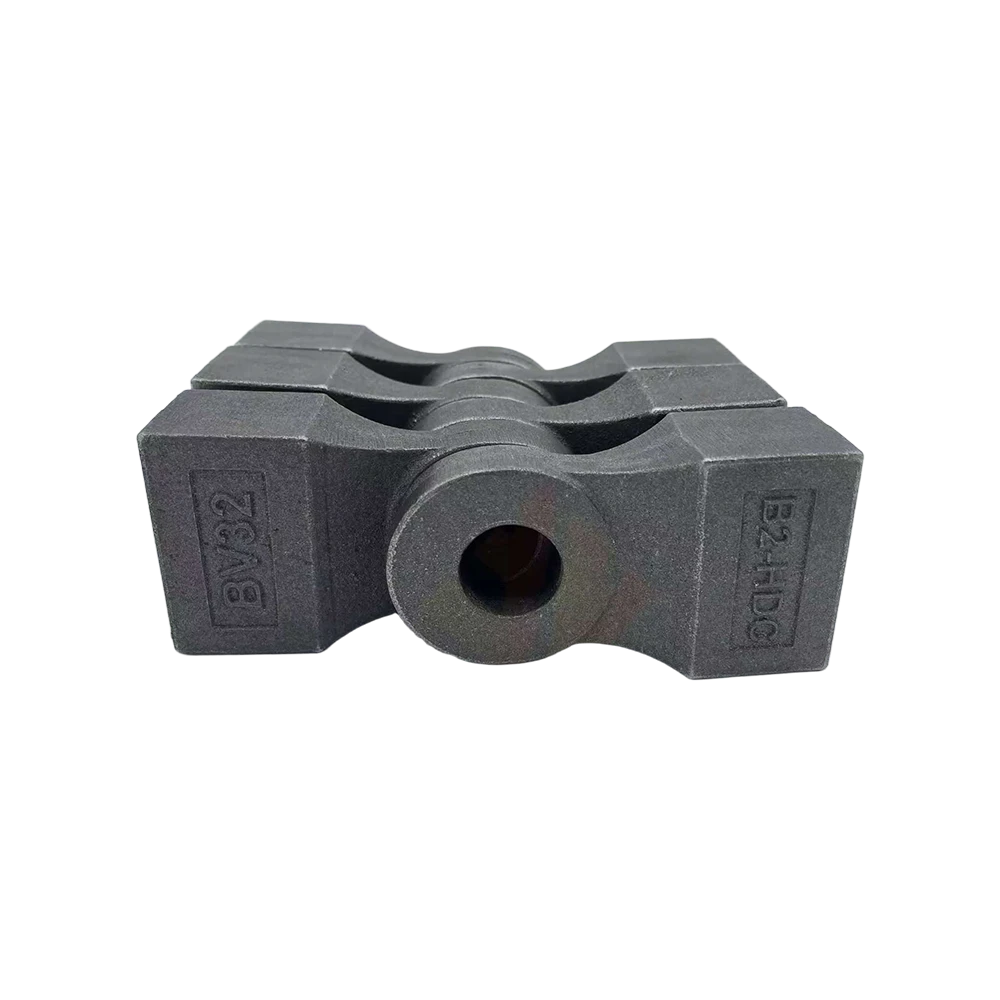
In simplest terms, impact crusher wear parts are the components inside an impact crusher that directly resist the wear, impact, and friction caused by crushing materials. These parts typically include blow bars, impact plates, liners, hammers, and other cast or alloy steel components designed to absorb force and break down rocks or other aggregates.
These elements don’t just protect the machine; they also influence the size uniformity, shape, and cleanliness of the final product. This connection between wear parts and finished material quality is vital for industries with strict standards—say, producing concrete aggregates for residential buildings or recycled asphalt in road construction.
Key Factors Behind Impact Crusher Wear Parts
1. Durability
Durability is often the #1 concern. Manufacturers focus on wear parts made from high-chromium alloys, manganese steel, or specialized composites. These materials resist abrasion and deformation, extending life spans in hard-rock or abrasive environments.
2. Cost Efficiency
Wear parts are consumables, but how frequently they require replacement impacts operational costs heavily. A balance is struck between initial purchase price and longevity. Sometimes paying more upfront means fewer replacements, less labor, and less downtime.
3. Scalability and Compatibility
Wear parts should fit a broad range of crusher models and sizes. Compatibility with popular machine brands and ease of installation can save hours or even days in maintenance schedules, which in real terms, translates to huge operational savings.
4. Heat and Impact Resistance
Since crushing generates intense heat and force, materials for wear parts must maintain integrity under thermal stress and repeated impact cycles — think manganese steel’s work hardening effect, which actually improves toughness the more it’s used.
5. Environmental Considerations
There’s growing interest in recyclable and less polluting materials, along with sustainable manufacturing methods that align with global supply chain decarbonization efforts. This also affects end-of-life wear part disposal.
Product Specification Table: Typical Impact Crusher Wear Parts
| Component | Material | Typical Lifespan (hrs) | Main Function |
|---|---|---|---|
| Blow Bar | High-chromium Alloy Steel | 500-1500 | Impacts & breaks material |
| Impact Plate/Liner | Manganese Steel | 1000-2500 | Absorbs impact, protects housing |
| Hammer | Forged Steel/Chromium-molybdenum | 800-1200 | Shatters material on impact |
Global Applications & Use Cases
Impact crusher wear parts have found homes in numerous corners of the industrial world. For example, in Australia’s vast mining regions, wear parts endure abrasive iron ore and sandstone. In Europe, recycling centers heavily depend on these parts to process demolition waste, turning it into reusable aggregates. Interestingly, in places like Southeast Asia, smaller construction firms operate crushers for local road work where reliability is critical but budgets are tight.
In humanitarian contexts, crushed stone produced using these wear parts underpins infrastructure rebuilding after natural disasters in countries prone to earthquakes or floods. Ensuring that wear parts don’t fail prematurely means roads can be restored quickly, aiding emergency response and economic recovery.
Many engineers note that “impact crusher wear parts are the silent backbone of heavy industry.” You think of the big machines, but it’s these small, replaceable parts that keep everything alive and kicking.
Vendor Comparison Table: Wear Part Suppliers Overview
| Supplier | Material Quality | Customization Options | Lead Time | Warranty |
|---|---|---|---|---|
| DZMCCasting | High Chromium & Manganese Steels | Full Part Customization | 4-6 weeks | 1 year standard |
| WearParts Co. | Standard Manganese Steel | Limited designs | 2-3 weeks | 6 months |
| HeavyDuty Parts | Proprietary Alloy | Custom tooling available | 3-5 weeks | 9 months |
Advantages and Long-Term Value
Wear parts are sometimes overlooked as just 'replaceables,' but that misses their strategic value. Replacing parts with higher-quality materials means fewer shutdowns, safer workplaces, and smoother workflows. In recent sustainability push efforts, durable wear parts reduce waste and energy consumption by lengthening crusher life and maintaining optimal machine performance.
Beyond economics, there’s a social angle: reliable equipment means projects meet deadlines, workers stay employed, and infrastructure like roads and buildings stand strong. Essentially, they support dignity and safety in construction and mining communities—something many engineers take pride in.
Future Trends & Innovations
What’s next? Industries are exploring wear parts made with advanced ceramics and composite materials that offer better heat tolerance and lighter weight. Digital technologies such as IoT sensors are being integrated to monitor wear conditions in real-time, predicting failures before they happen.
Sustainability trends encourage manufacturers to adopt greener casting processes and ensure wear parts are recyclable or remanufactured. Automation in installation and maintenance, plus AI-driven supply chain optimization, also play parts in revolutionizing how wear parts support crushing industries.
Challenges and Solutions
Still, challenges persist. The unpredictability of crushing different materials can wear parts unevenly or prematurely. Improper installation or mismatched parts add risks. Fortunately, expert consultations, rigorous testing, and supplier partnerships mitigate these issues.
On occasion, new alloys need trial periods, sometimes failing under extreme use. But continuous R&D and feedback loops keep pushing quality forward. Of course, costs remain a barrier for smaller operators, but volume discounts and modular upgrades have made quality wear parts more accessible.
FAQ: Frequently Asked Questions About Impact Crusher Wear Parts
- Q: How often should impact crusher wear parts be replaced?
- A: Replacement frequency depends on material abrasiveness, machine usage, and wear part material quality. Typically, high-chromium blow bars last 500-1500 hours, but frequent inspections are advised to avoid unexpected failures.
- Q: Can I customize wear parts for unique crusher models?
- A: Yes, many suppliers—including impact crusher wear parts specialists—offer custom designs tailored to your machine specifications to optimize performance and longevity.
- Q: What materials are best for impact crusher wear parts?
- A: High-chromium cast steels, manganese steel, and certain forged alloys are industry standards. The choice depends on crushing application and cost considerations.
- Q: Are recycled or remanufactured wear parts a viable option?
- A: Remanufactured parts can be cost-effective and sustainable, but always verify supplier quality to ensure performance matches new parts to prevent downtime.
- Q: How do I source wear parts internationally?
- A: Partner with established vendors like DZMCCasting who offer global shipping, certification compliance, and aftersales support to streamline import processes.
Conclusion
In the long run, investing in quality impact crusher wear parts pays off with less downtime, lower total costs, and more sustainable operations. These parts may be small, but they carry a huge responsibility — from powering massive mining operations to speeding disaster recovery infrastructure. Whether you’re an industry veteran or newcomer, exploring top suppliers like impact crusher wear parts providers is a smart step towards operational resilience.
Stay curious, stay durable — the crushing world depends on it!
Visit our website to learn more about our full range of impact crusher wear parts: https://www.dzmccasting.com
1. ISO Standards for Mining and Aggregate Equipment
2. Crusher - Wikipedia
3. World Bank Data on Global Mining and Construction Sectors (2023)
-
High Performance oem cast heat resistant steel for Industrial UseNewsApr.16,2026
-
Guide to Selecting High Quality Cast Heat Resistant Steel AlloysNewsApr.09,2026
-
Custom Cast Heat Resistant Steel Solutions for High Temperature ApplicationsNewsApr.07,2026
-
Comprehensive Guide to Wholesale Cast Heat Resistant Steel for Industrial ApplicationsNewsApr.04,2026
-
Comprehensive Guide to High Performance Heat Resistant Metal Product SolutionsNewsMar.31,2026
-
Expert Guidance on Heat Resistant Metal Quotes and Alloy SelectionNewsMar.28,2026