Optimizing Coal Crushing Operations with Quality Coal Crusher Parts
Choosing the Right Coal Crusher Parts for Optimal Performance
Coal crushers are vital components in the mining and power generation industries, responsible for reducing the size of coal to facilitate efficient combustion. The longevity and efficiency of these machines heavily rely on the quality and timely replacement of coal crusher parts. Selecting the right parts is crucial for minimizing downtime, maintaining productivity, and ensuring safe operation. This article will provide a comprehensive overview of coal crusher parts, factors to consider when choosing them, and how to source high-quality components. Properly maintained crushers contribute to reduced energy consumption and a more sustainable operation.
Essential Coal Crusher Parts and Their Functions
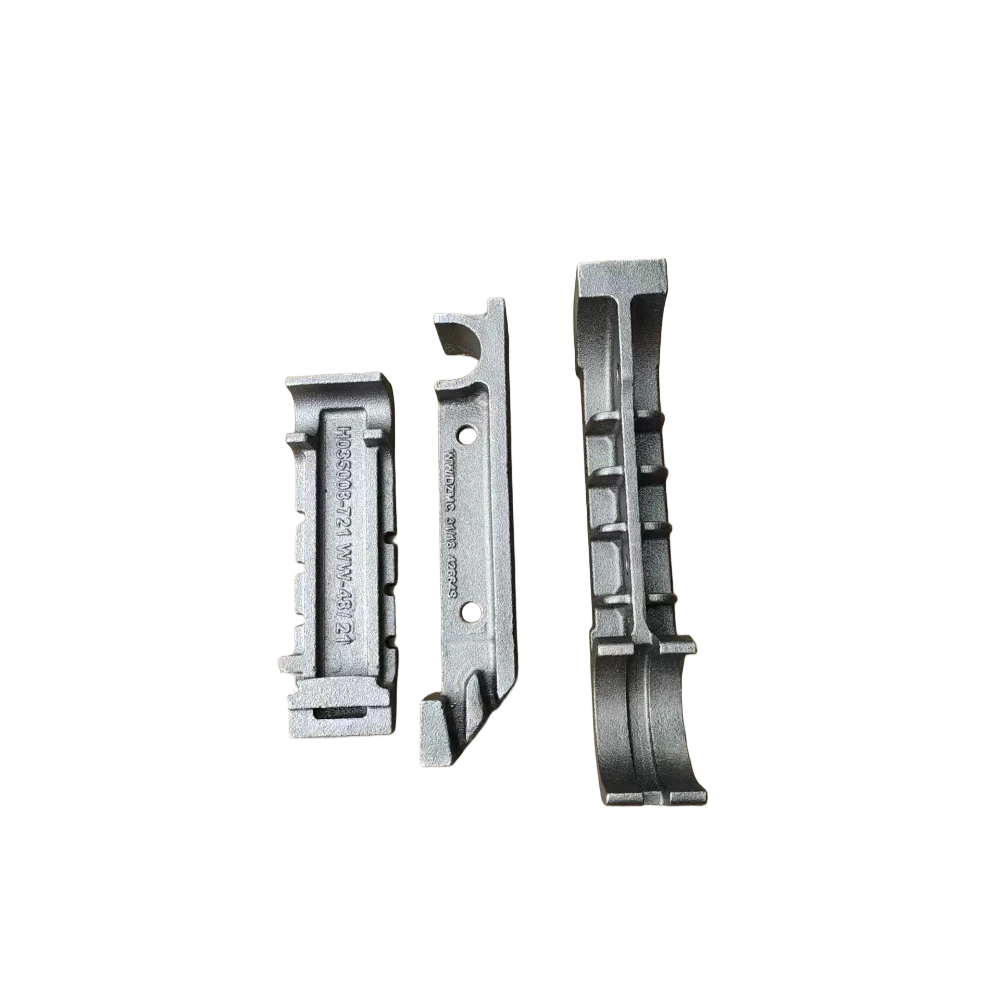
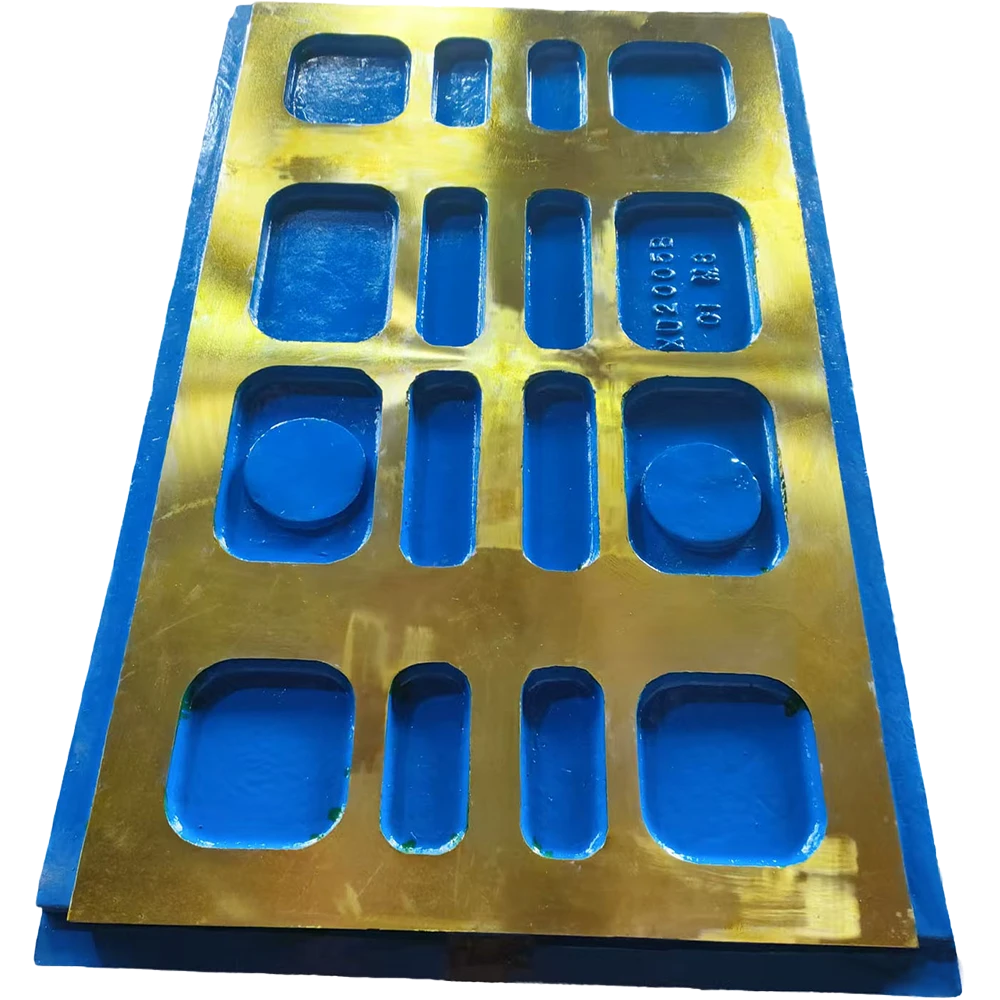
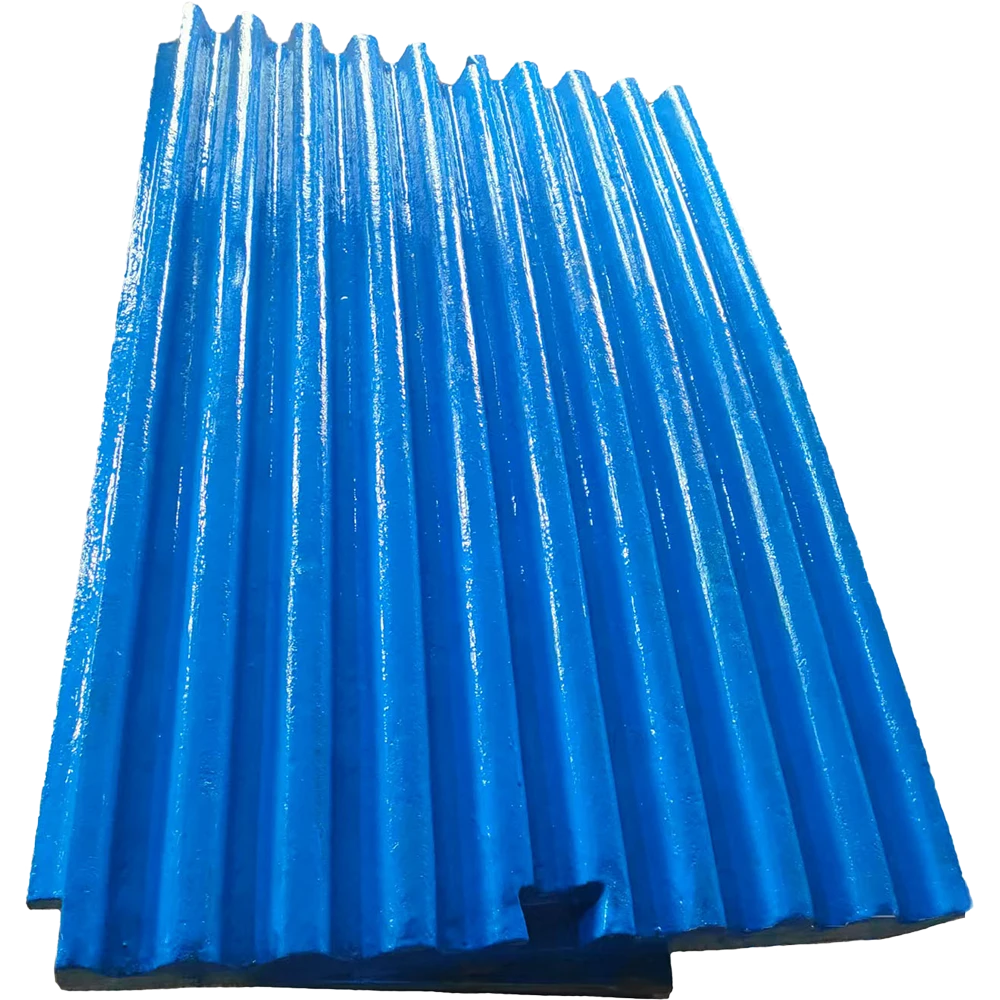
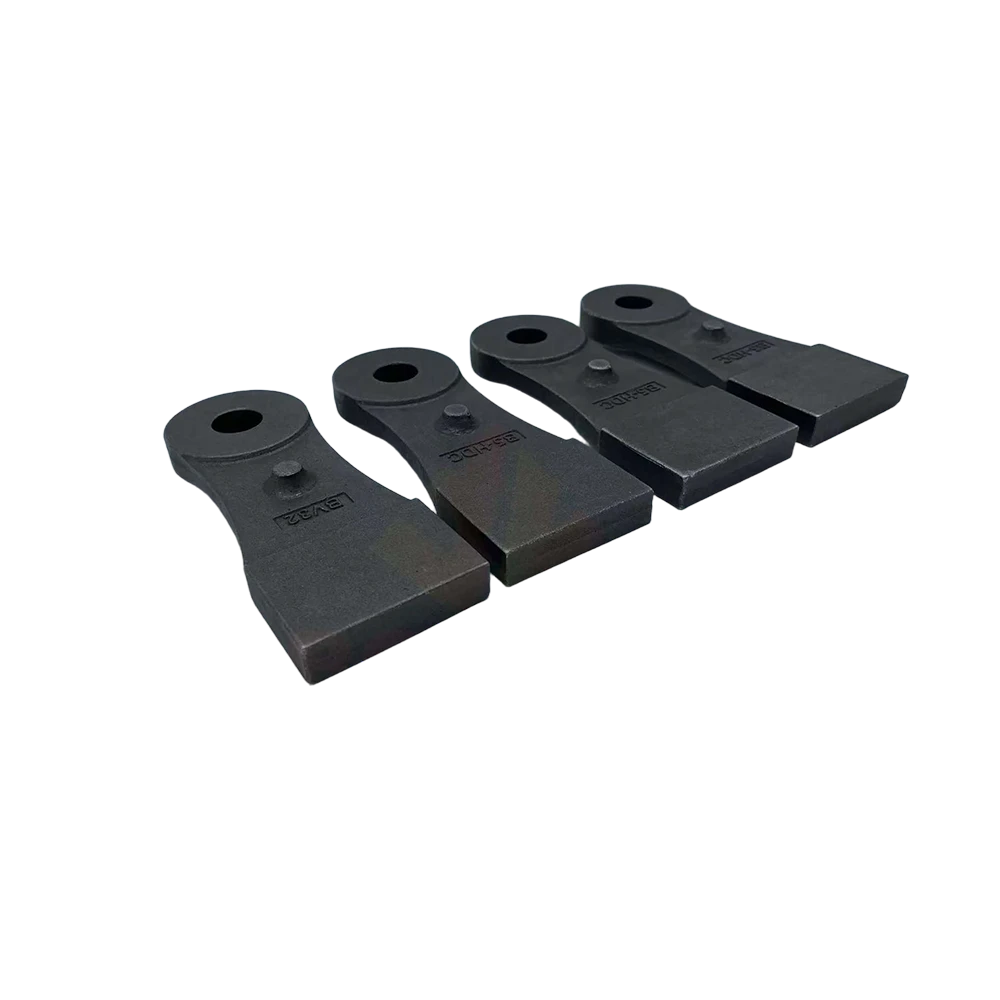
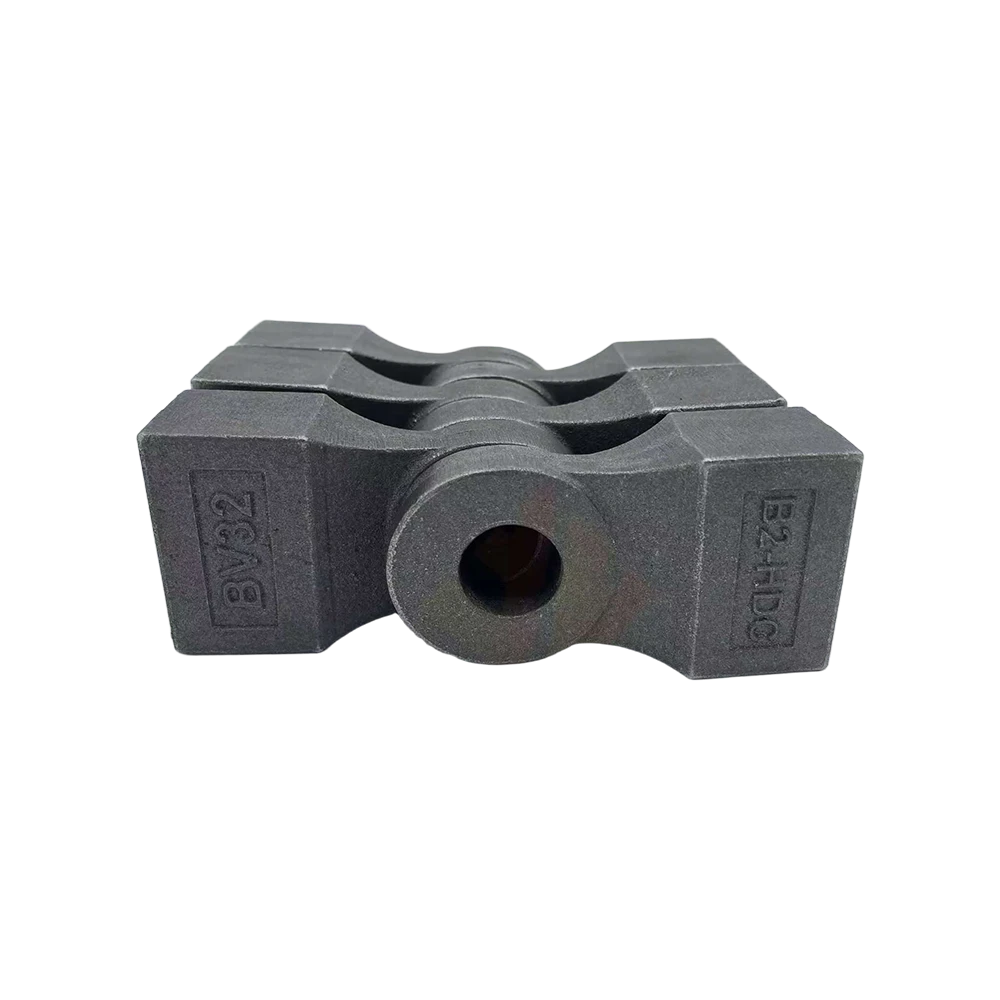
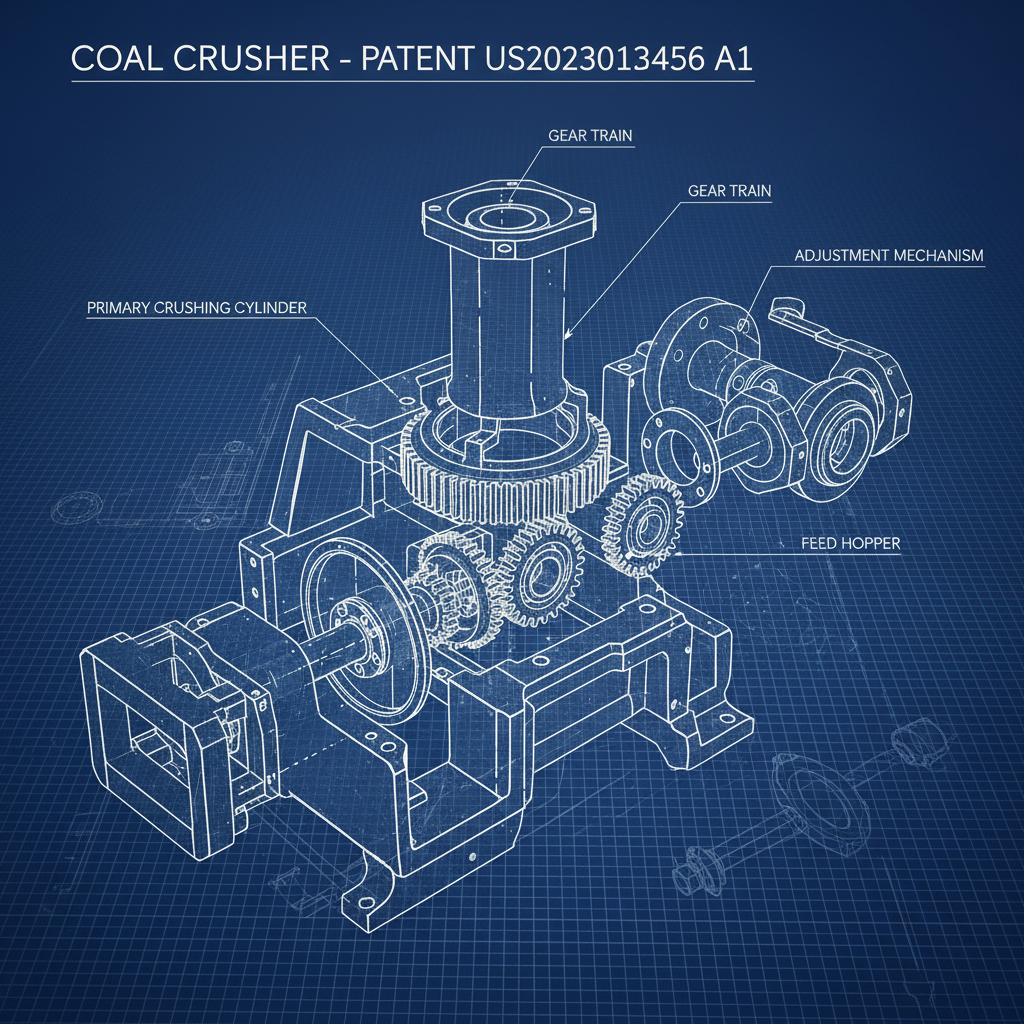
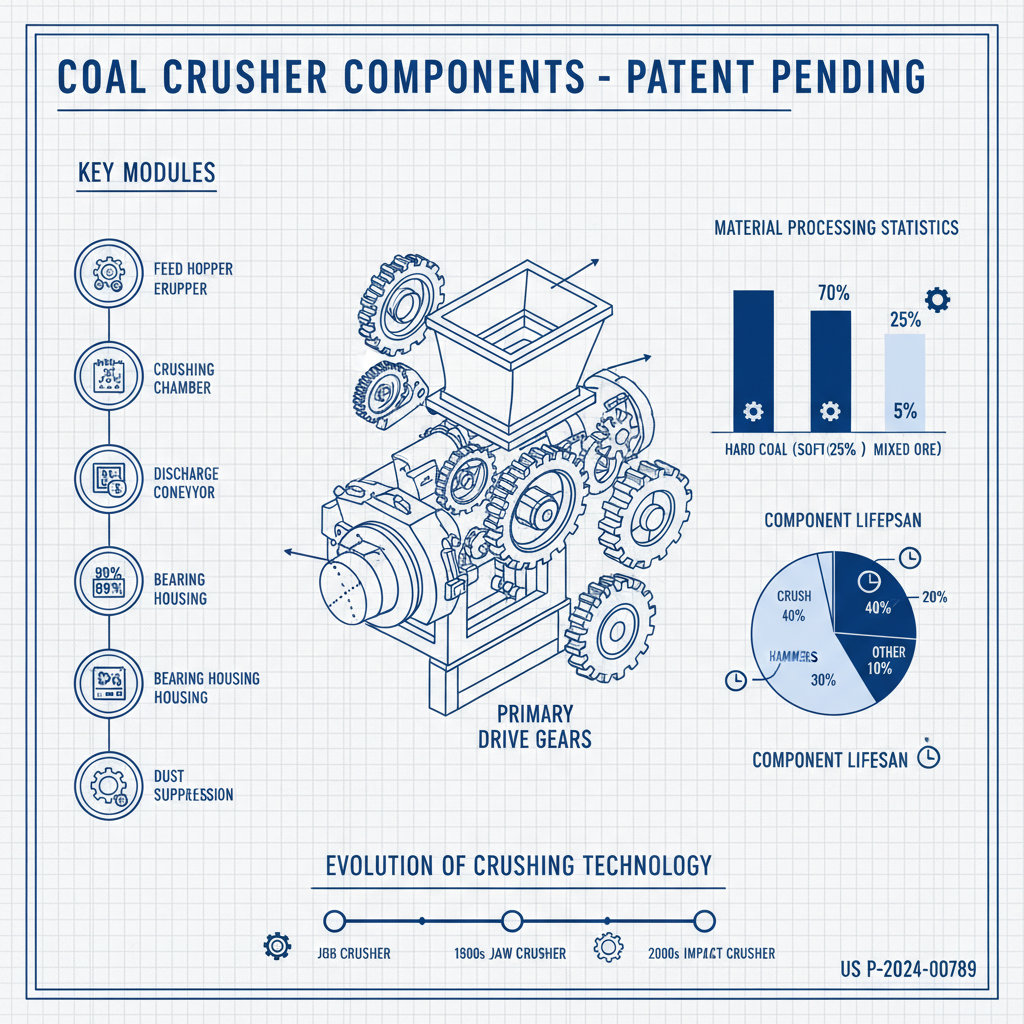
Several key components work together to ensure the efficient operation of a coal crusher. Understanding the function of each part is essential for effective maintenance and replacement. These include the jaw plates, toggle plates, eccentric shaft, springs, and liners. The jaw plates, typically made of high-manganese steel, directly crush the coal. Toggle plates and the eccentric shaft work in tandem to provide the crushing force. Springs absorb shock and protect the crusher from overload. Liners protect the crusher housing from wear and tear. Regular inspection of these components is vital to preventing unexpected breakdowns.
Key Takeaway: The performance and lifespan of a coal crusher are directly linked to the quality and maintenance of its core components. Proactive replacement of worn parts minimizes downtime and maximizes efficiency.
Types of Coal Crushers and Corresponding Parts
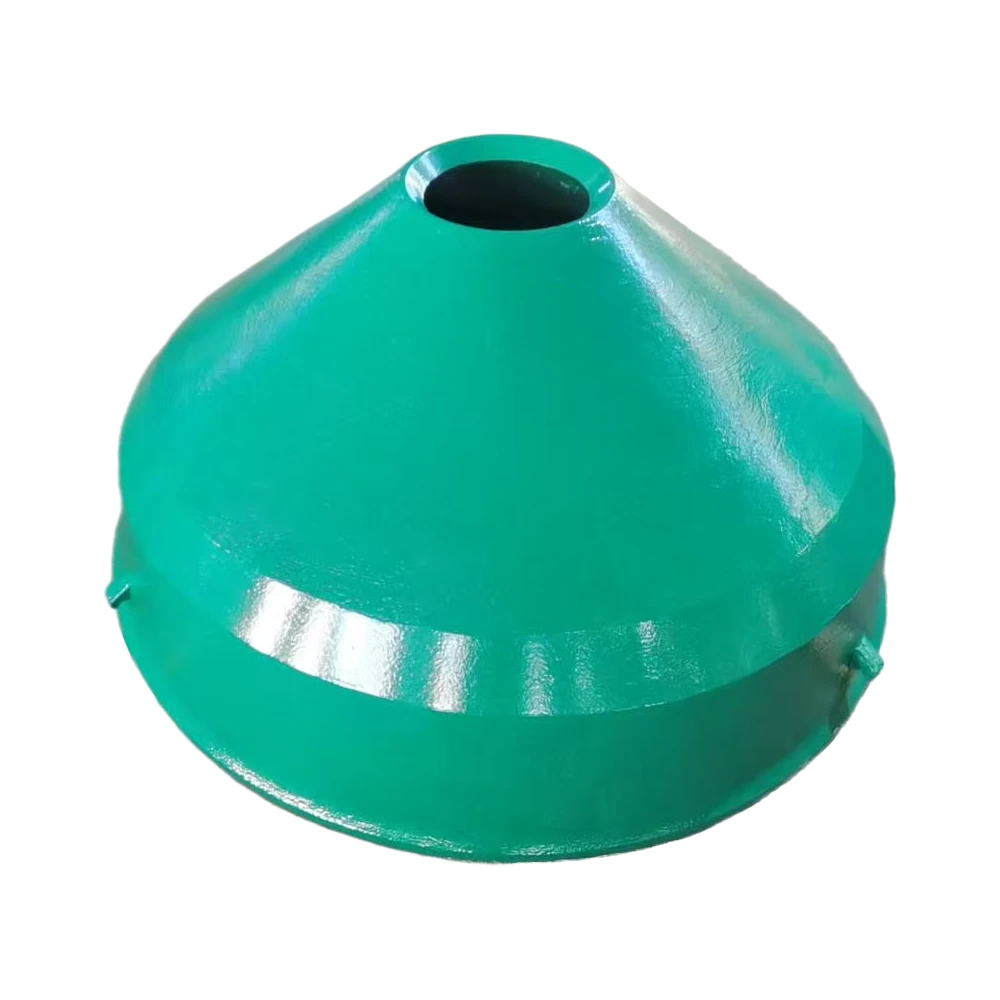
Different types of coal crushers require specific parts. Jaw crushers, the most common type, utilize reciprocating jaw plates. Impact crushers use impactors to break the coal. Cone crushers employ a rotating cone to crush the material. Each type has unique wear patterns and part requirements. Understanding your crusher type will help in selecting the appropriate replacement parts. For instance, jaw crushers require regular replacement of jaw plates and toggle seats, while cone crushers frequently need mantle and bowl liner replacements.
Crusher Type Comparison:
• Jaw Crushers: High reliability, suitable for hard and abrasive materials.
• Impact Crushers: High capacity, ideal for softer coal types.
• Cone Crushers: Produce consistent particle size, used for secondary crushing.
Factors to Consider When Purchasing Coal Crusher Parts
Several factors should influence your decision when purchasing coal crusher parts. The material quality is paramount; high-manganese steel and alloy steel are commonly used for their durability. Compatibility with your specific crusher model is essential. Supplier reputation and reliability are also crucial. Consider the lead time for delivery, as unexpected downtime can be costly. Finally, price should be weighed against quality – opting for the cheapest parts often leads to premature failure and increased maintenance costs.
Sourcing High-Quality Coal Crusher Parts from DZMCCasting
DZMCCasting specializes in the manufacture and supply of high-quality coal crusher parts. We offer a wide range of components compatible with various crusher models, utilizing premium materials and advanced casting techniques. Our commitment to quality control ensures that every part meets stringent industry standards. We provide competitive pricing and efficient delivery services to minimize downtime for our customers. Partnering with a reliable supplier like DZMCCasting translates to increased productivity and reduced maintenance costs.
Preventative Maintenance and Extending Part Lifespan
Implementing a regular preventative maintenance schedule can significantly extend the lifespan of your coal crusher parts. This includes daily inspections for wear and tear, regular lubrication of moving parts, and timely replacement of worn components. Monitoring the crusher’s performance and analyzing vibration data can help identify potential problems before they escalate. Proper operation and adherence to manufacturer guidelines are also crucial. Investing in preventative maintenance is far more cost-effective than dealing with unexpected breakdowns and costly repairs.
Conclusion: Investing in Quality and Maintenance
Choosing the right coal crusher parts from a reputable supplier like DZMCCasting, combined with a proactive preventative maintenance program, is essential for maximizing efficiency, minimizing downtime, and ensuring safe operation. Prioritizing quality and long-term reliability will ultimately result in significant cost savings and increased productivity.
Frequently Asked Questions (FAQs)
What is the typical lifespan of jaw plates in a coal crusher?
The lifespan of jaw plates varies significantly depending on the coal's abrasiveness, the crusher's operating conditions, and the quality of the plates themselves. Generally, jaw plates can last between 6 months to 2 years. Regular inspections are crucial to identify wear patterns. Signs of wear include reduced crushing efficiency, increased vibration, and visible cracks or erosion. Using high-manganese steel jaw plates can extend their lifespan considerably.
How often should I inspect my coal crusher parts?
A comprehensive inspection should be conducted at least monthly, and a quick visual inspection should be performed daily. Daily checks should focus on identifying any obvious signs of damage or wear. Monthly inspections should include a detailed examination of all critical components, including jaw plates, toggle plates, springs, and liners. Record your inspection findings to track wear patterns and anticipate future replacements.
What are the benefits of using high-manganese steel for crusher parts?
High-manganese steel is exceptionally resistant to wear and abrasion, making it ideal for coal crusher parts. It possesses a unique work-hardening property: as the surface is impacted, it becomes even harder. This extends the lifespan of the parts, reduces the frequency of replacements, and minimizes downtime. While it may be more expensive upfront, the long-term cost savings from reduced maintenance outweigh the initial investment.
Where can I find detailed specifications for the parts compatible with my specific crusher model?
The best source for detailed specifications is the manufacturer of your crusher. They typically provide comprehensive manuals and parts lists. Alternatively, DZMCCasting can assist you in identifying the correct parts for your model. Providing your crusher’s make and model number will enable our team to provide accurate specifications and ensure compatibility.
-
High Performance oem cast heat resistant steel for Industrial UseNewsApr.16,2026
-
Guide to Selecting High Quality Cast Heat Resistant Steel AlloysNewsApr.09,2026
-
Custom Cast Heat Resistant Steel Solutions for High Temperature ApplicationsNewsApr.07,2026
-
Comprehensive Guide to Wholesale Cast Heat Resistant Steel for Industrial ApplicationsNewsApr.04,2026
-
Comprehensive Guide to High Performance Heat Resistant Metal Product SolutionsNewsMar.31,2026
-
Expert Guidance on Heat Resistant Metal Quotes and Alloy SelectionNewsMar.28,2026